
Timing on This Area
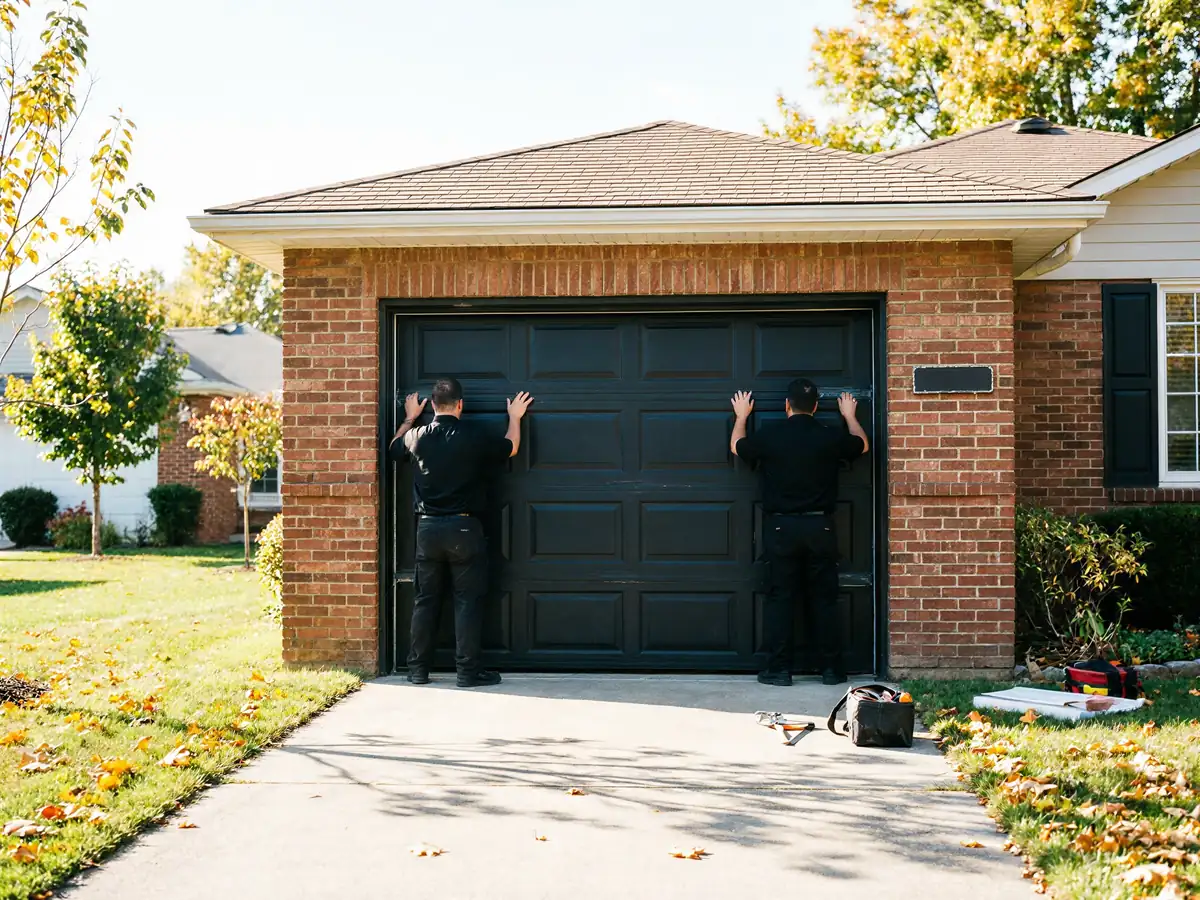
Camp Point sits 18 miles out from our Quincy shop, which matters more here than it does on a call five minutes from the door. We don't keep a crew stationed in town, so a Camp Point call gets folded into the truck's route for that day rather than dispatched the second the phone rings. If your spring lets go on a Tuesday afternoon, say so when you call - we'd rather build the drive into the schedule up front than have you waiting on a truck that's still working its way out from Quincy. The distance is real and we're not going to pretend otherwise. What it doesn't change is the job once we're there: same tools, same parts stock on the truck, same work.
The Houses Here
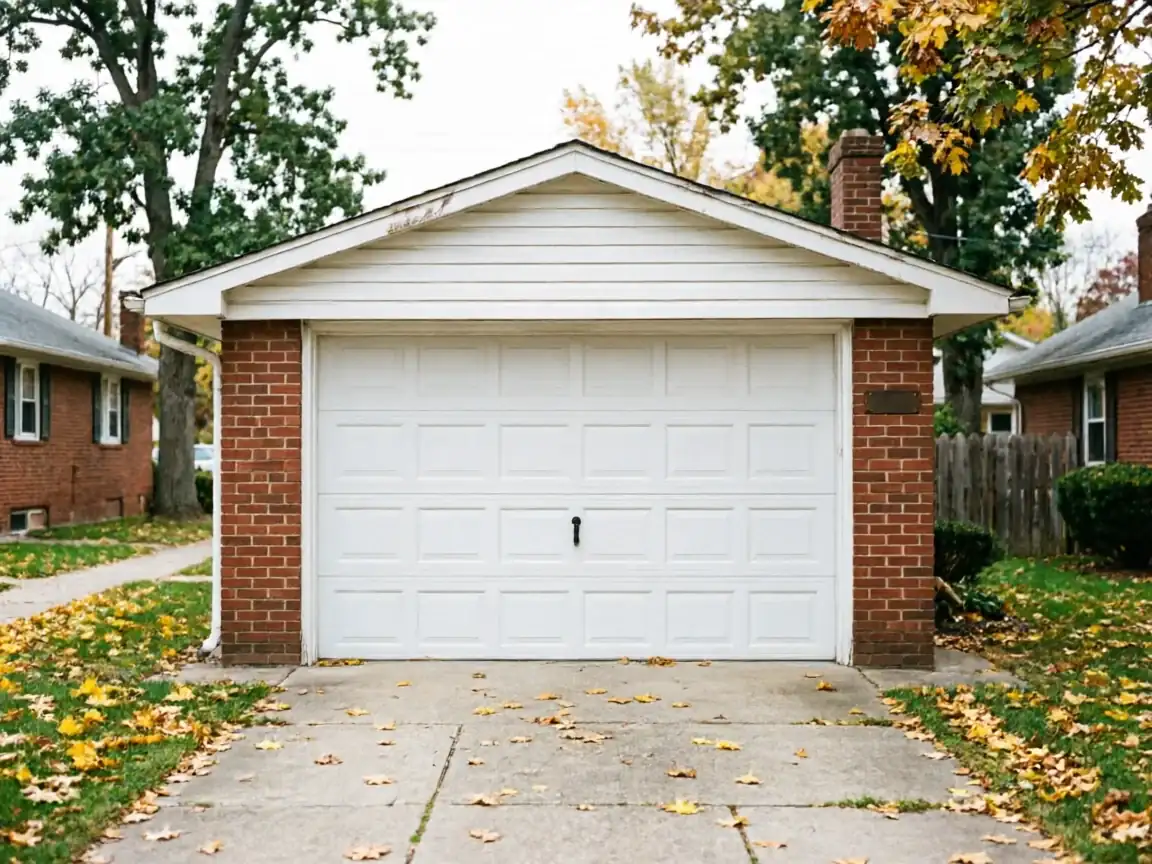
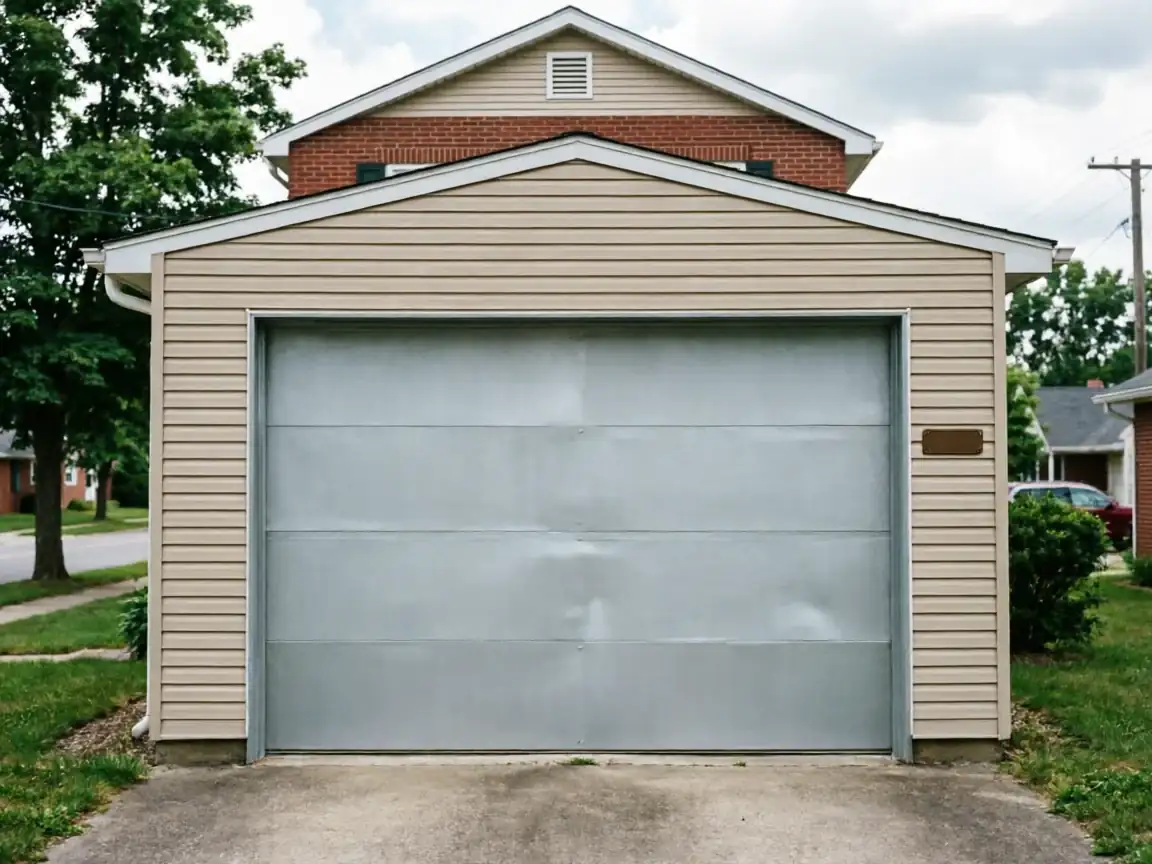
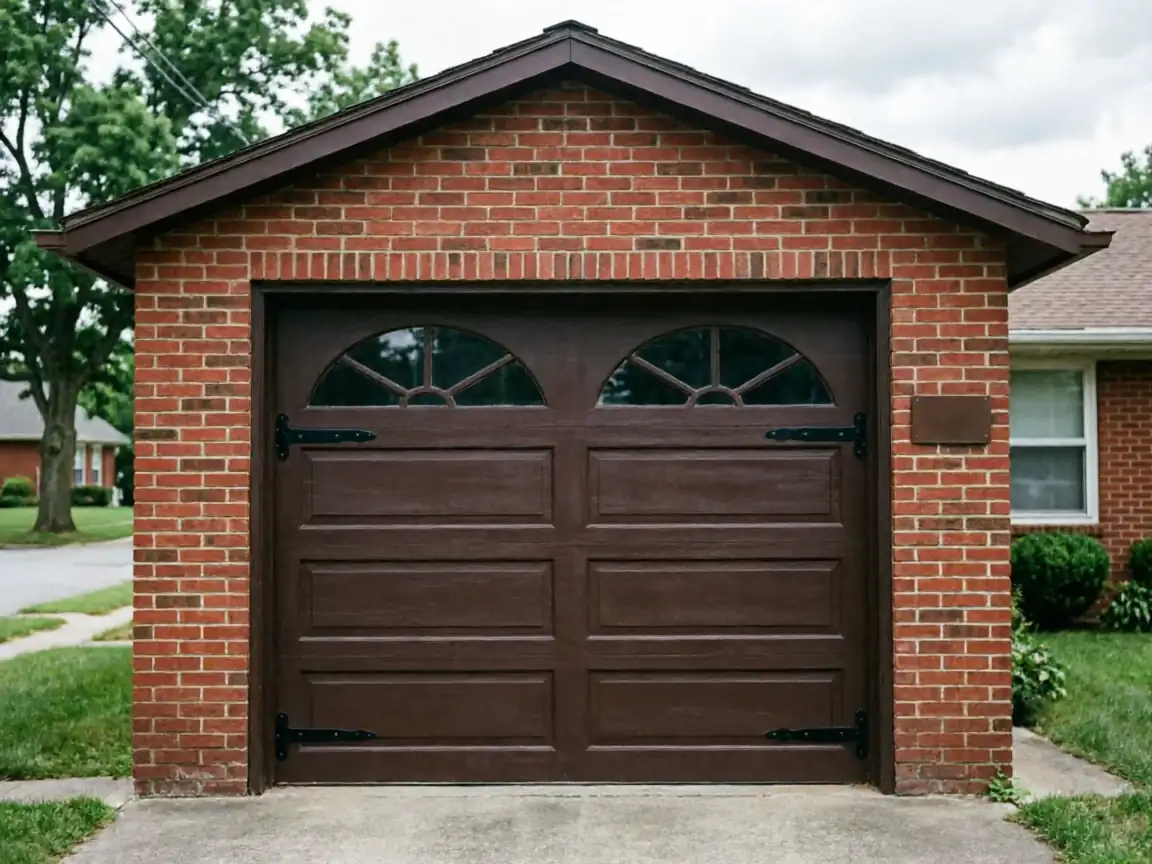
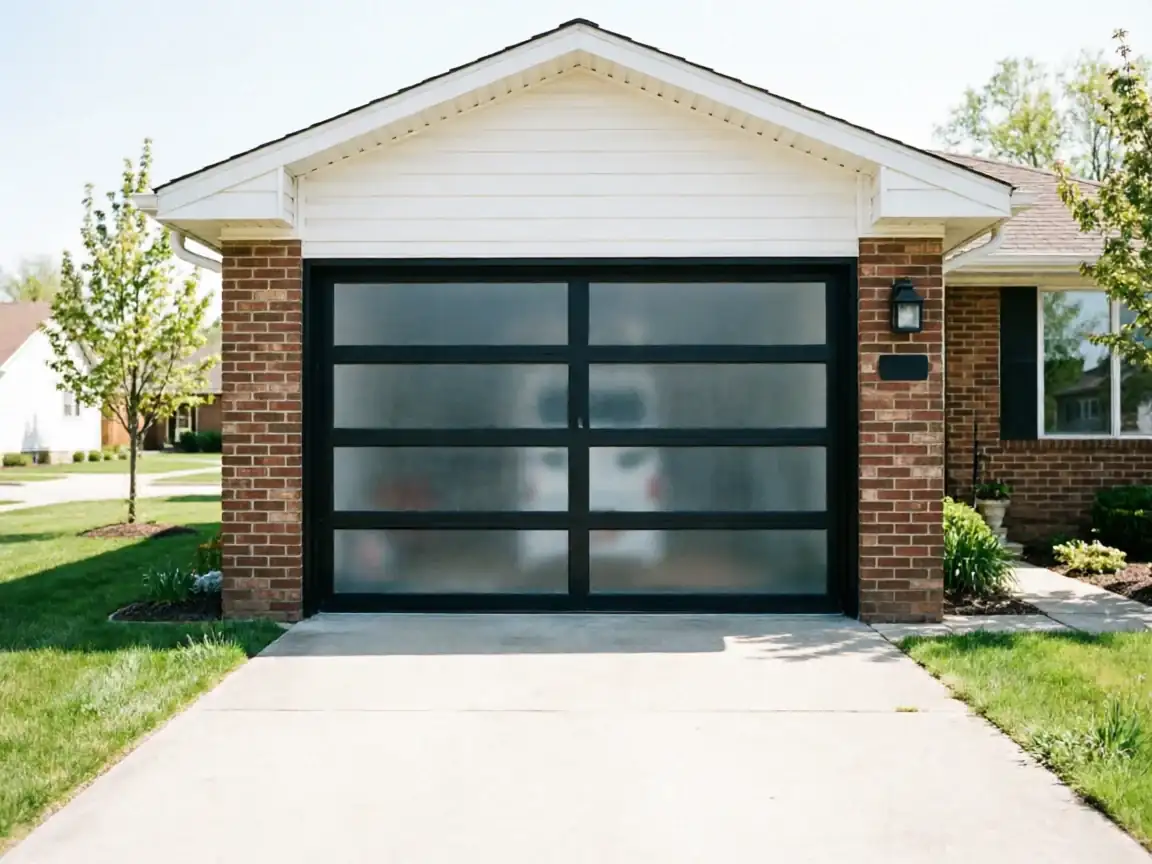
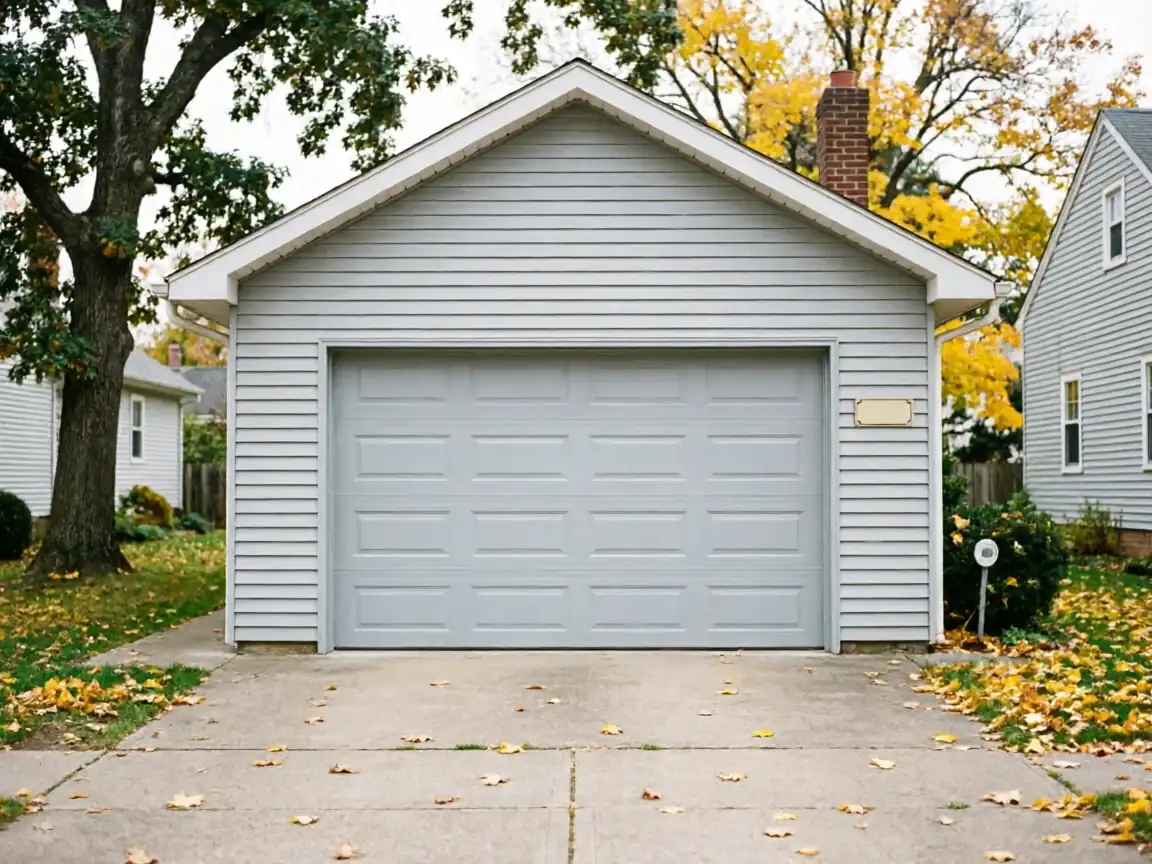
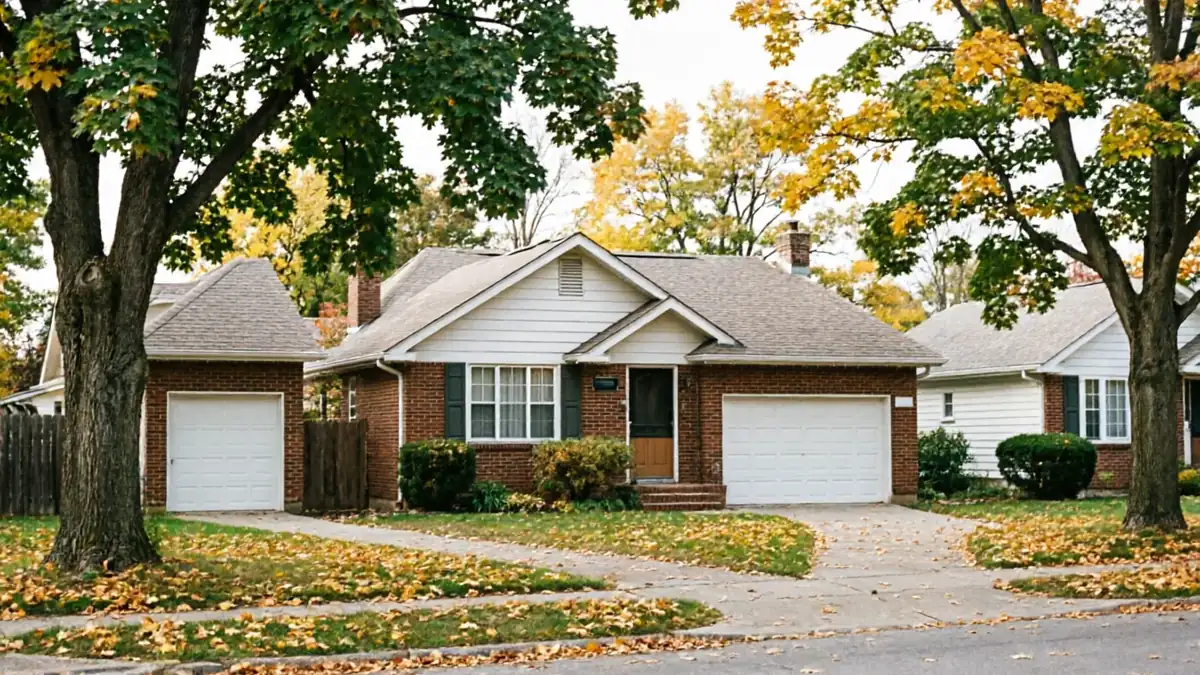
The median house in Camp Point went up around 1960, a touch earlier than the mix you see closer to Quincy, and that one decade tells us almost everything before we even pull into the driveway. A door from that era was built for a different garage opening than what gets installed today, usually a single 16-by-7 or a narrower two-car bay, hung on a track that's been rebuilt or replaced at least once by now. With 443 households in the area and median income at $58,438, we see a lot of owners who've kept the original opening and just swapped the door and opener over the years rather than reframe the whole bay. That history is why the hardware underneath doesn't always match the door on top.
What That Means for Doors
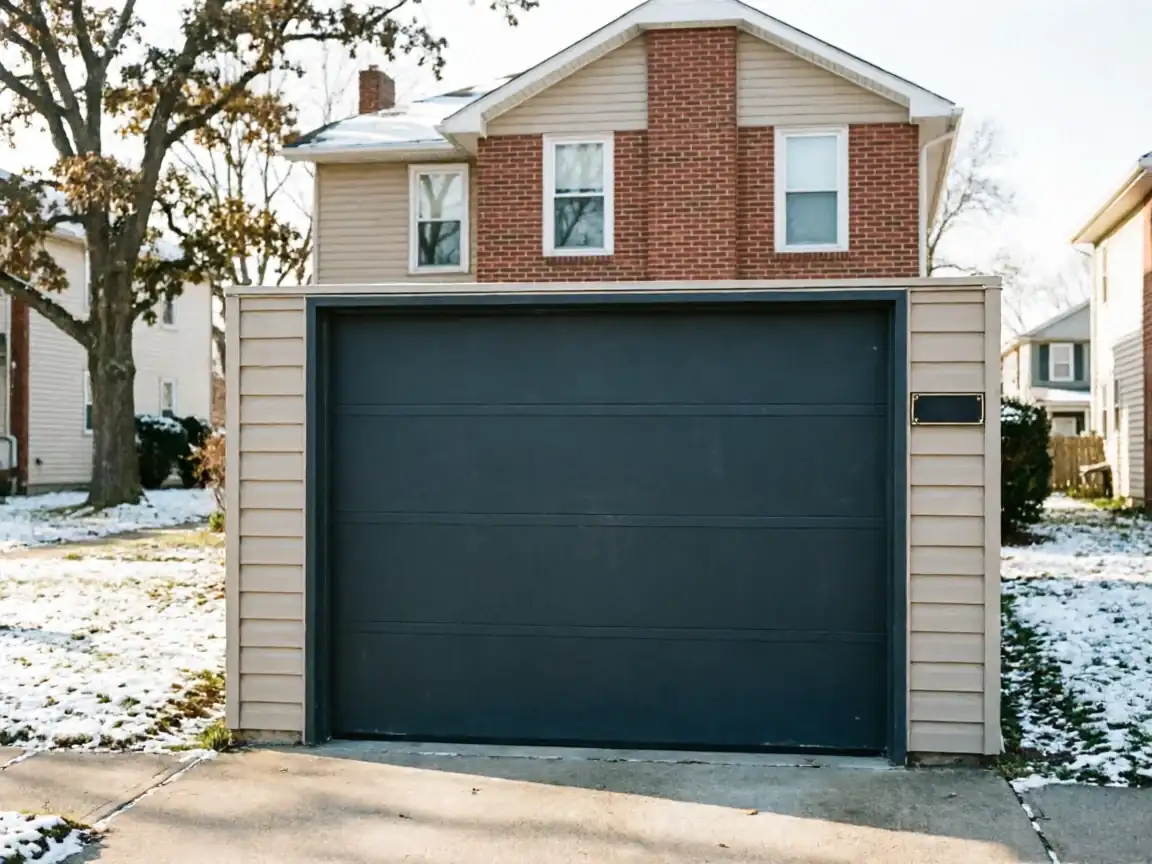
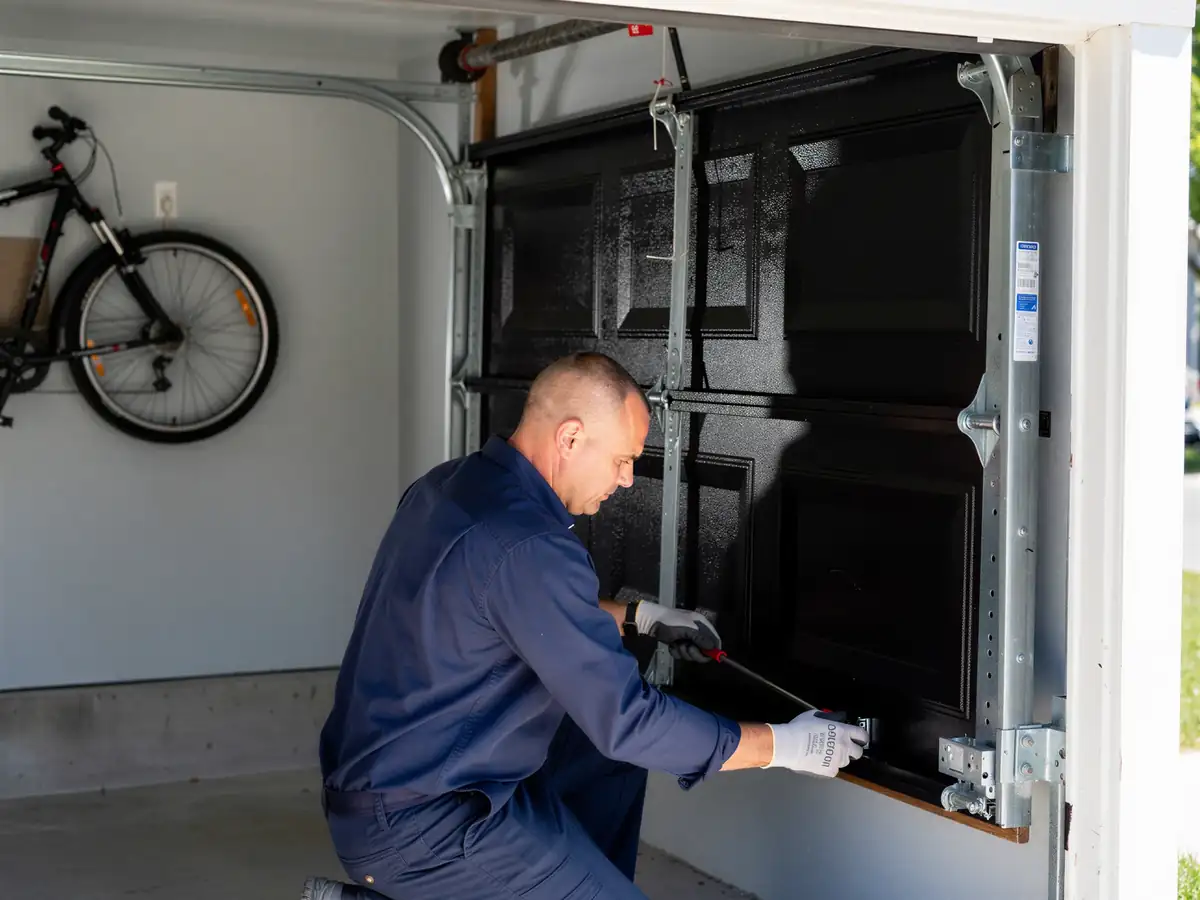
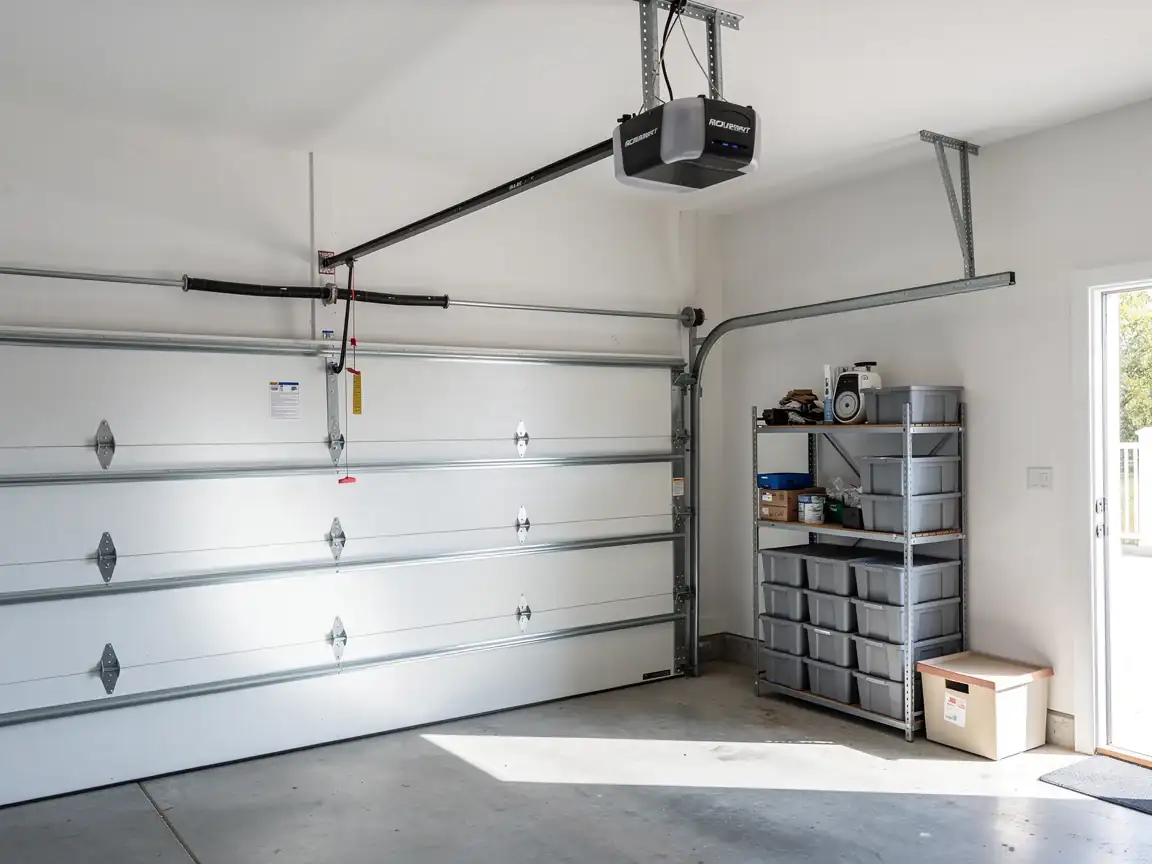
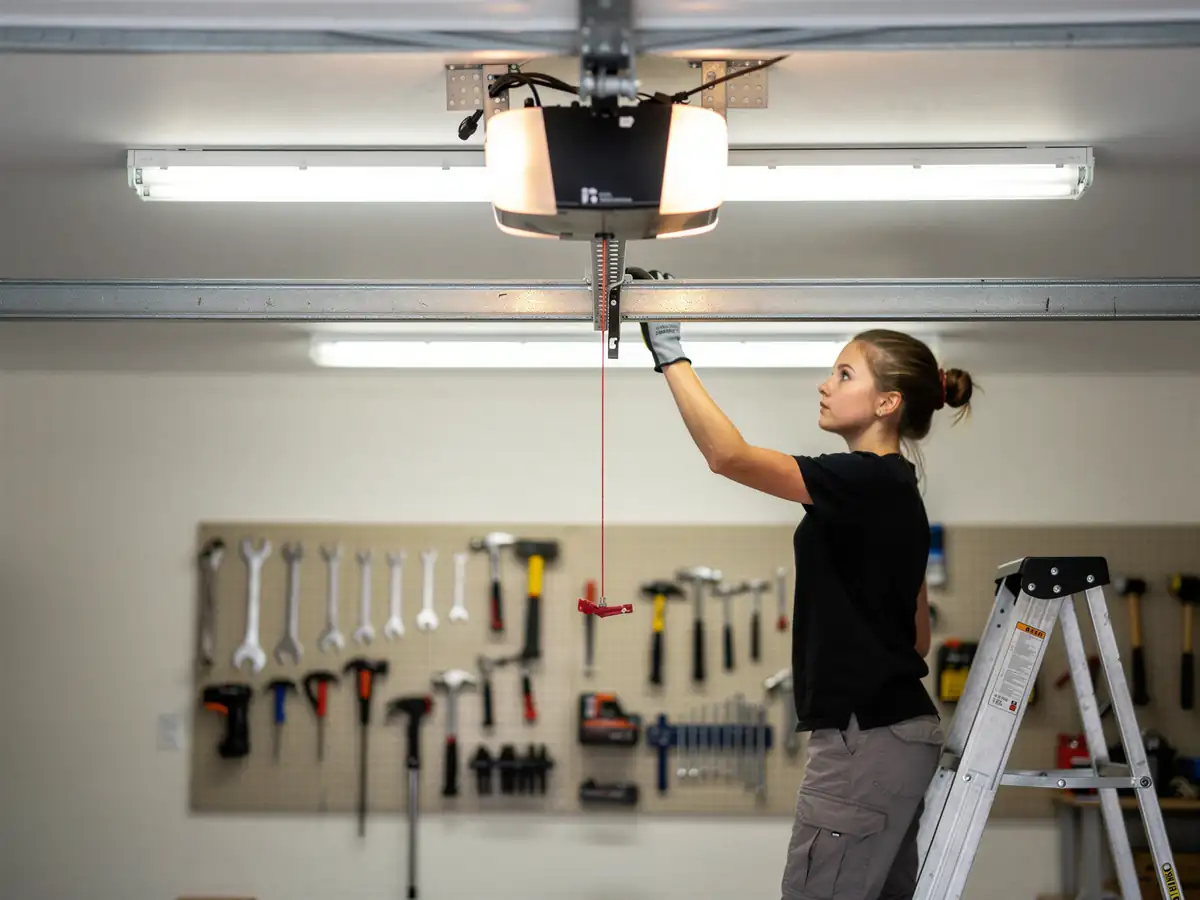
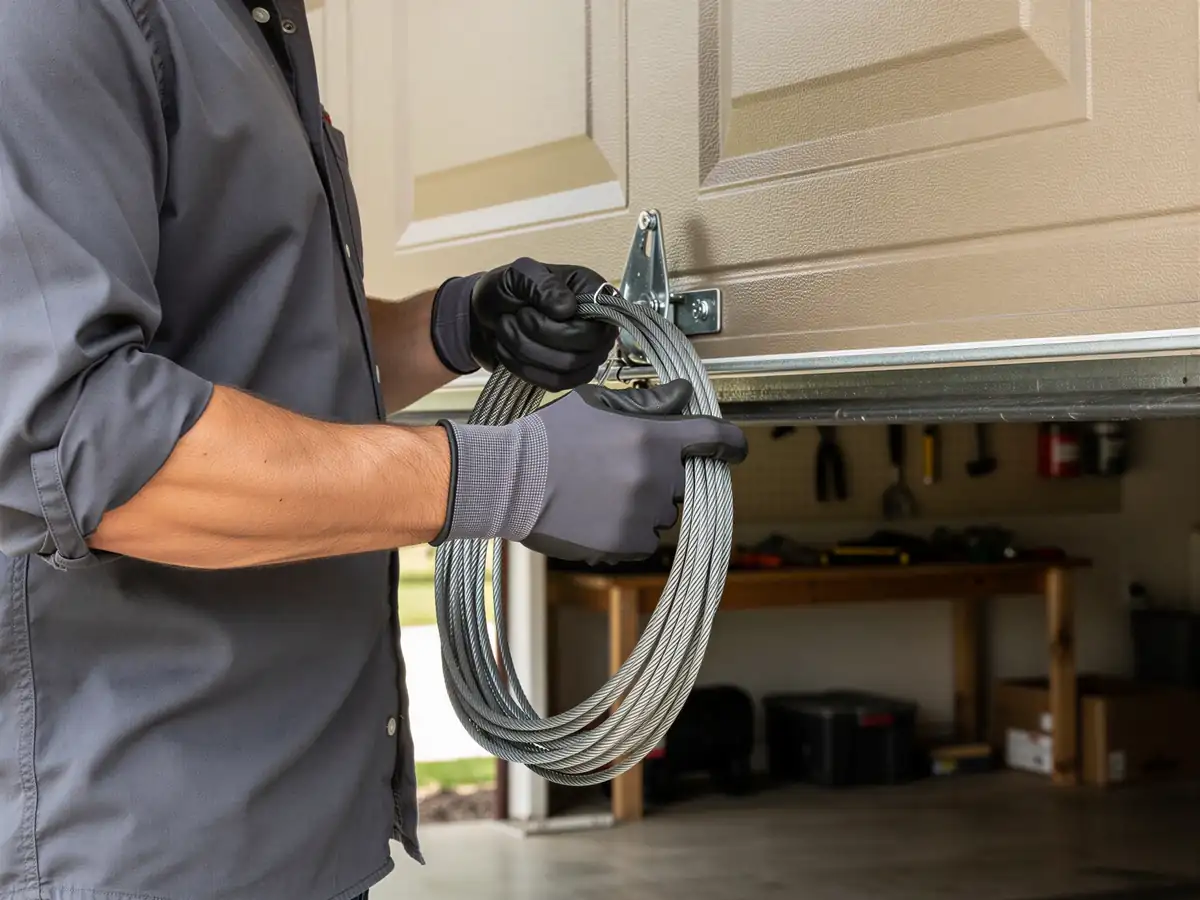
A 1960-era opening paired with a newer door or opener is the single most common mismatch we run into out here - the track was never resized when the door changed, or the spring on the wall is rated for a weight the current door doesn't carry. In this climate band, cold winters put real strain on steel rollers and nylon idler bearings that have already outlived a few owners, and a door that's been fine for years can start binding the first hard freeze after a replacement job elsewhere in the house changed the balance. We'll tell you plainly if a repair is a patch on old bones or if the opening itself needs to be brought up to what the door actually requires - sometimes the cheaper fix now costs more in two years, and we'd rather say that before we start than after.