How It Shows Up
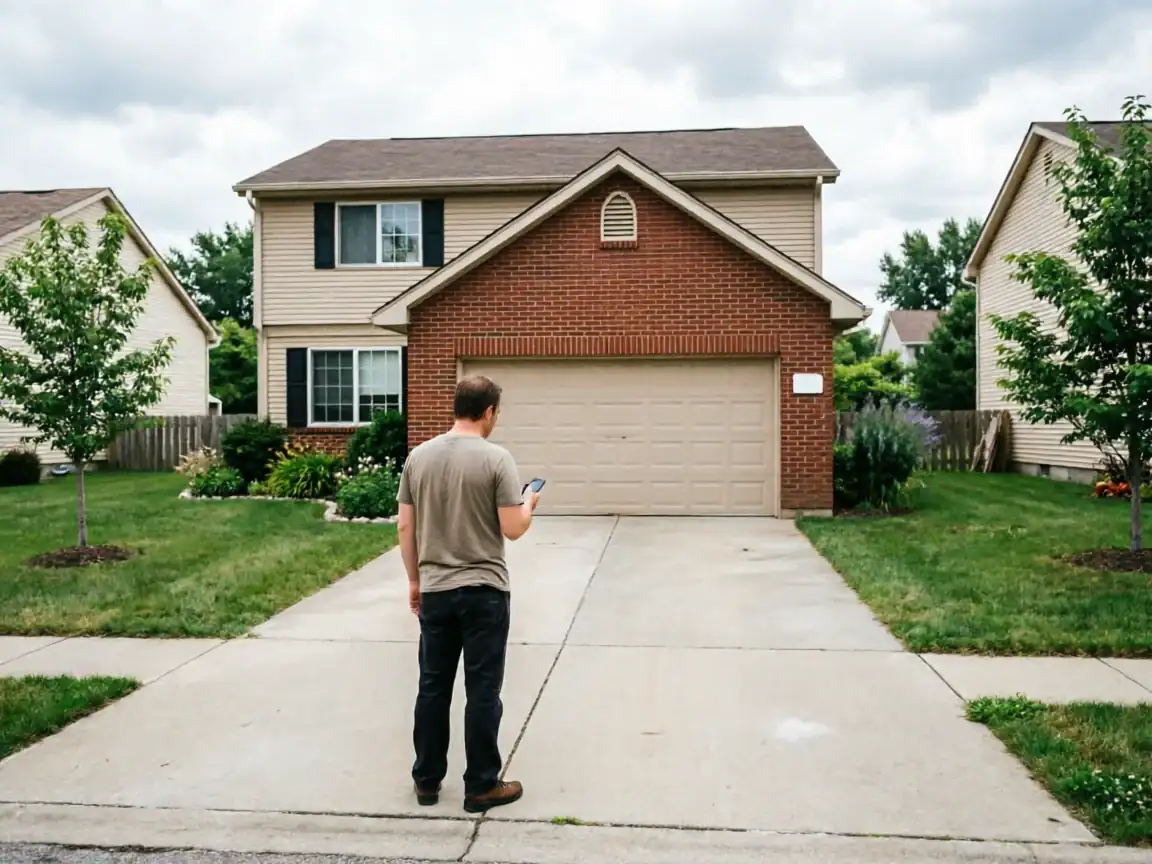
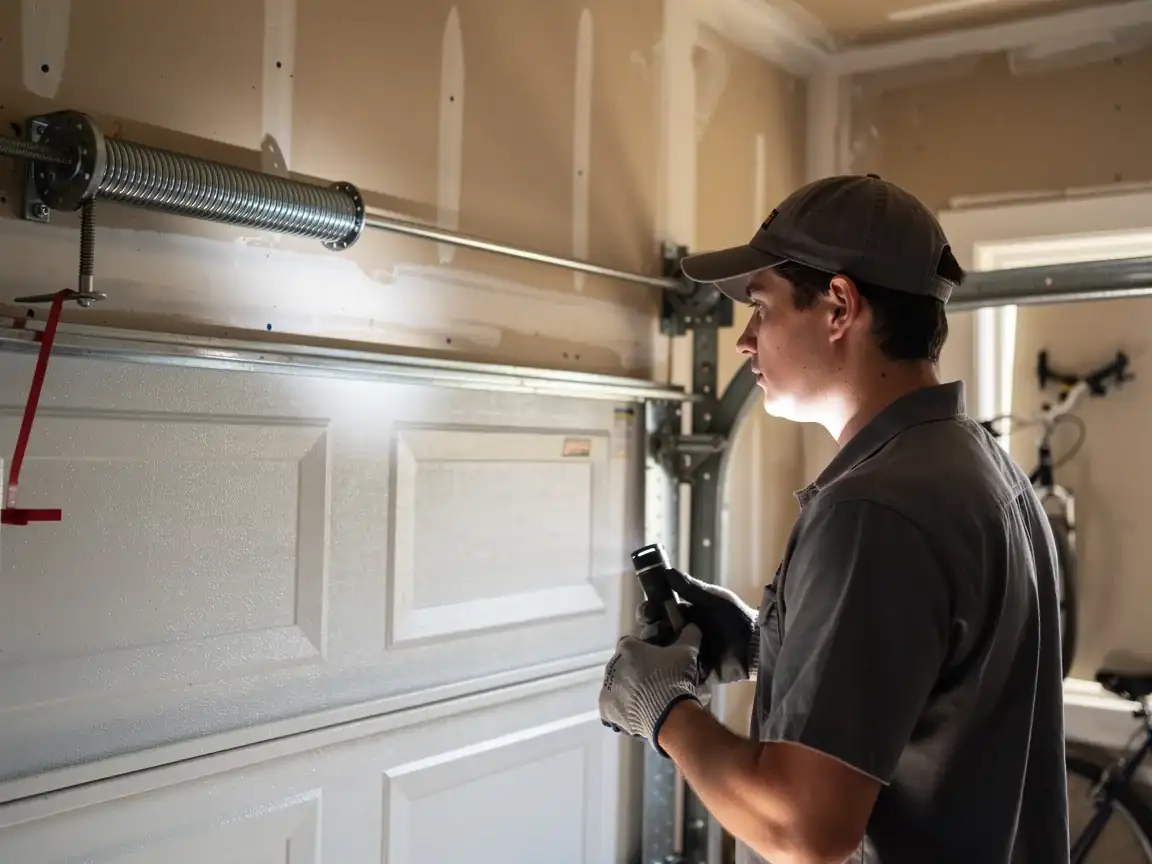
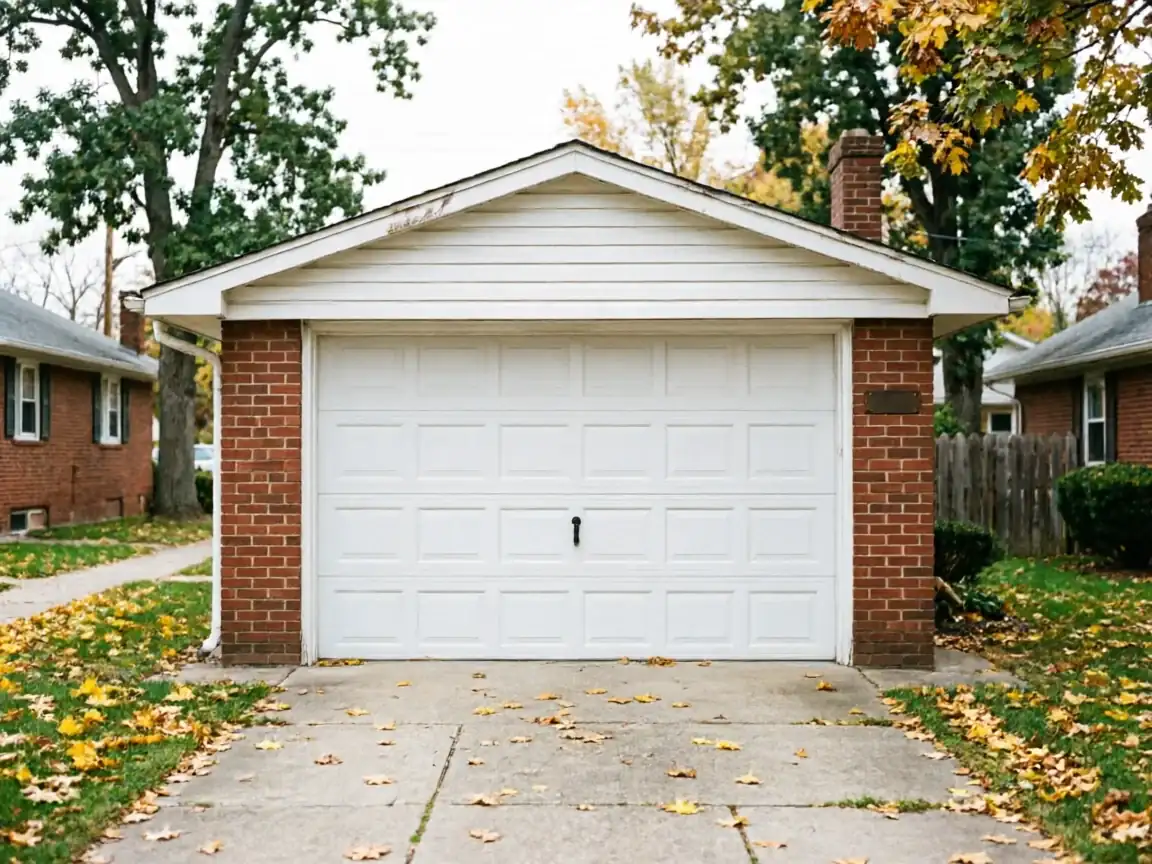
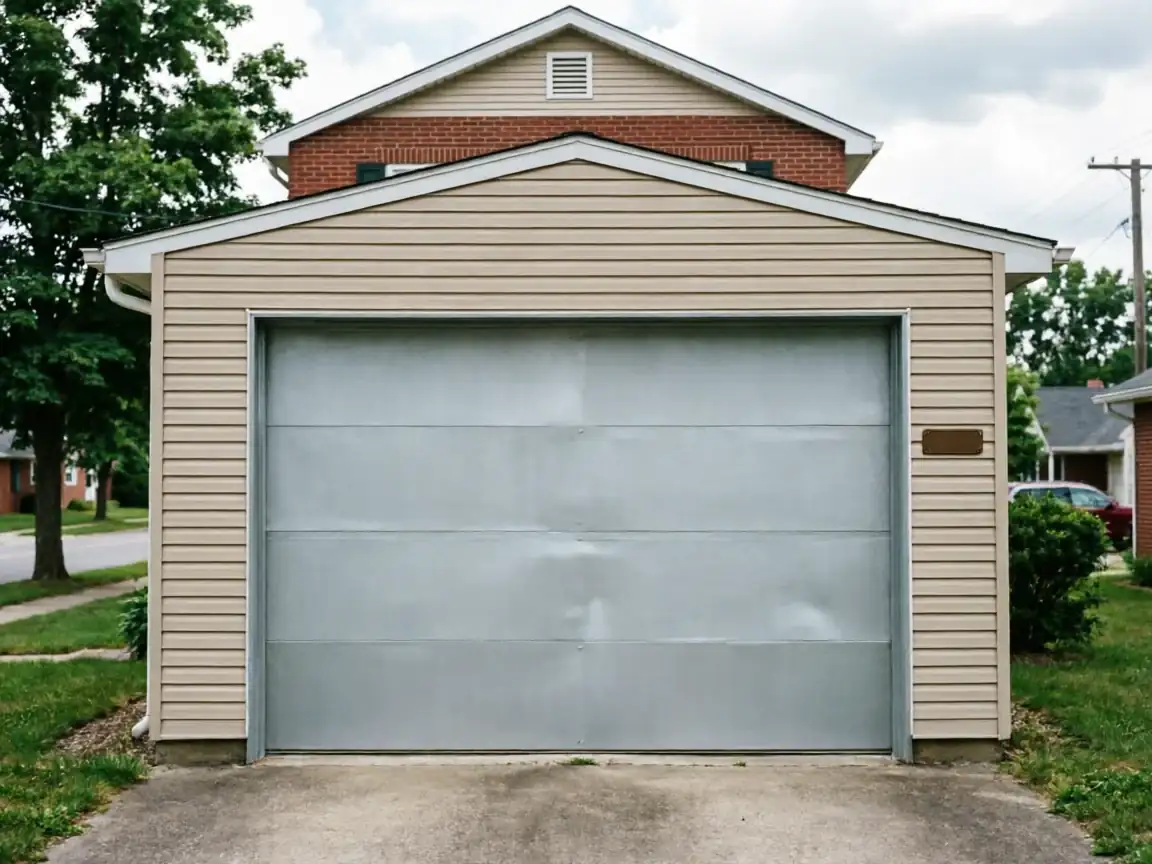
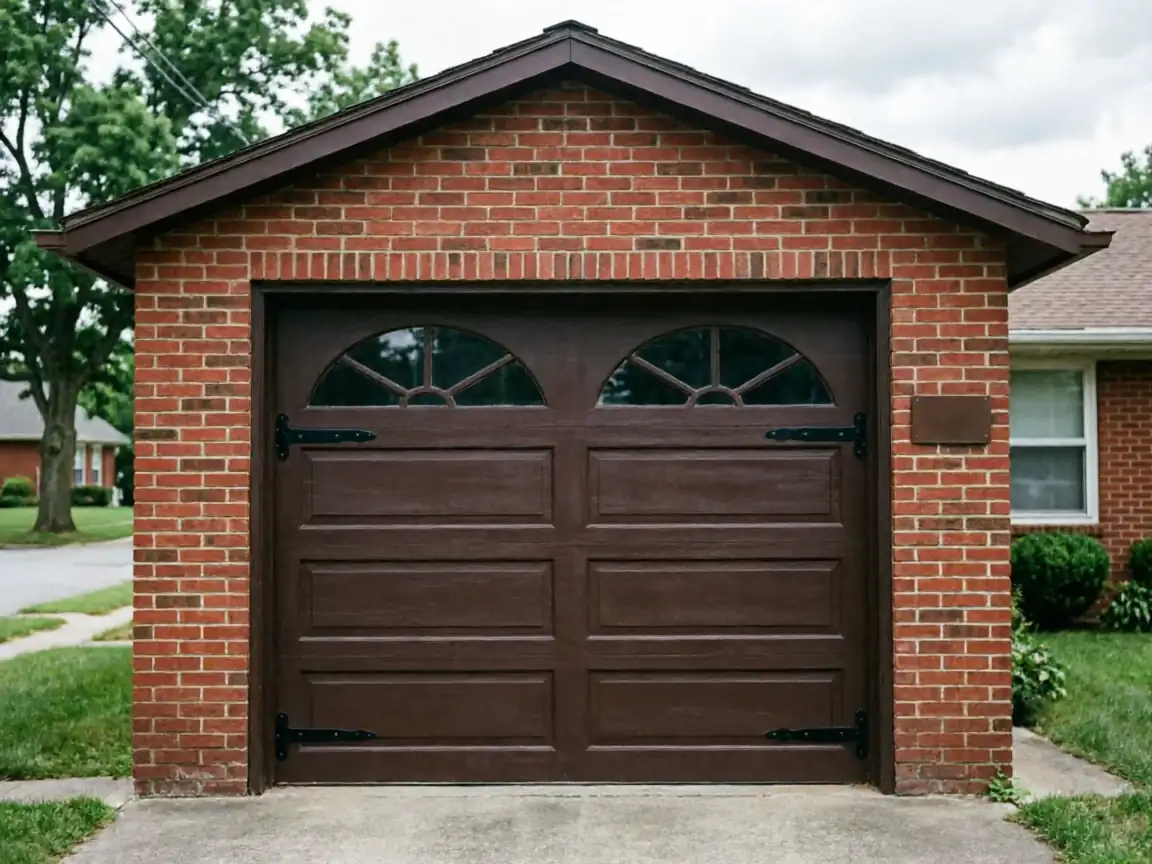
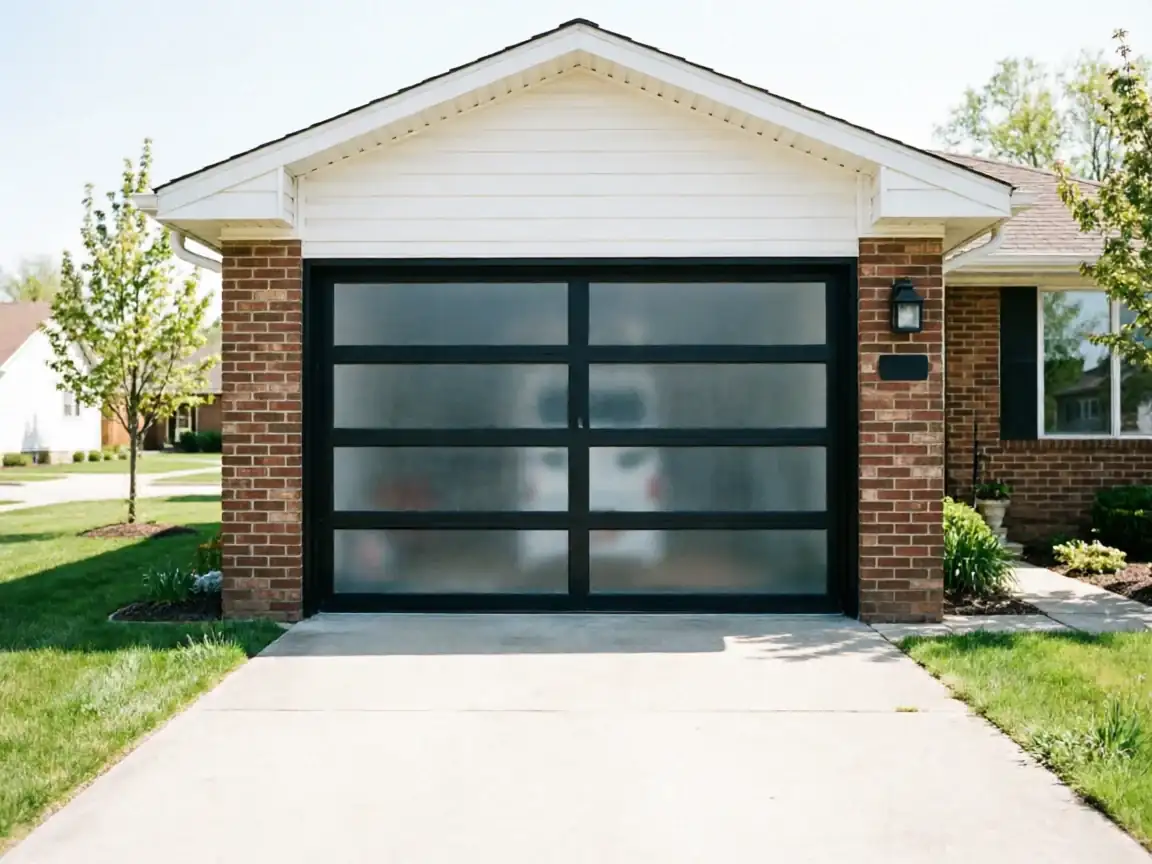
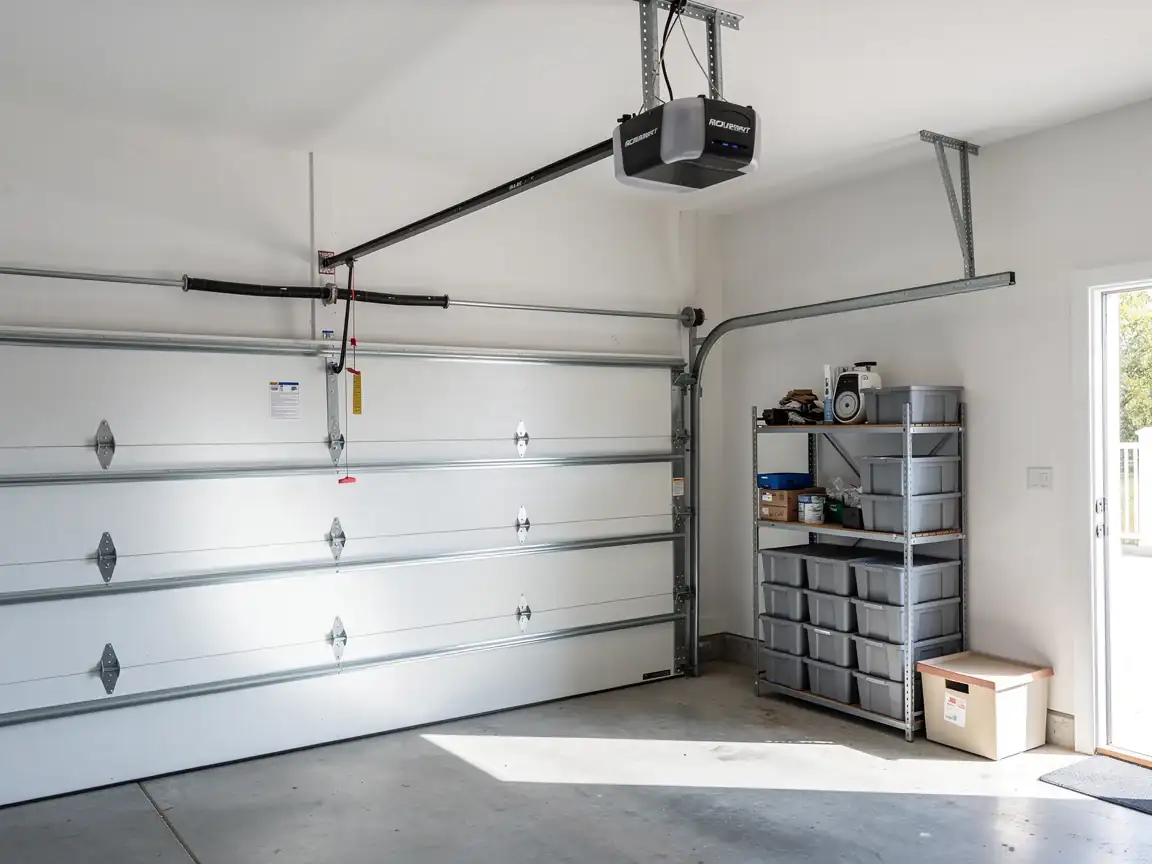
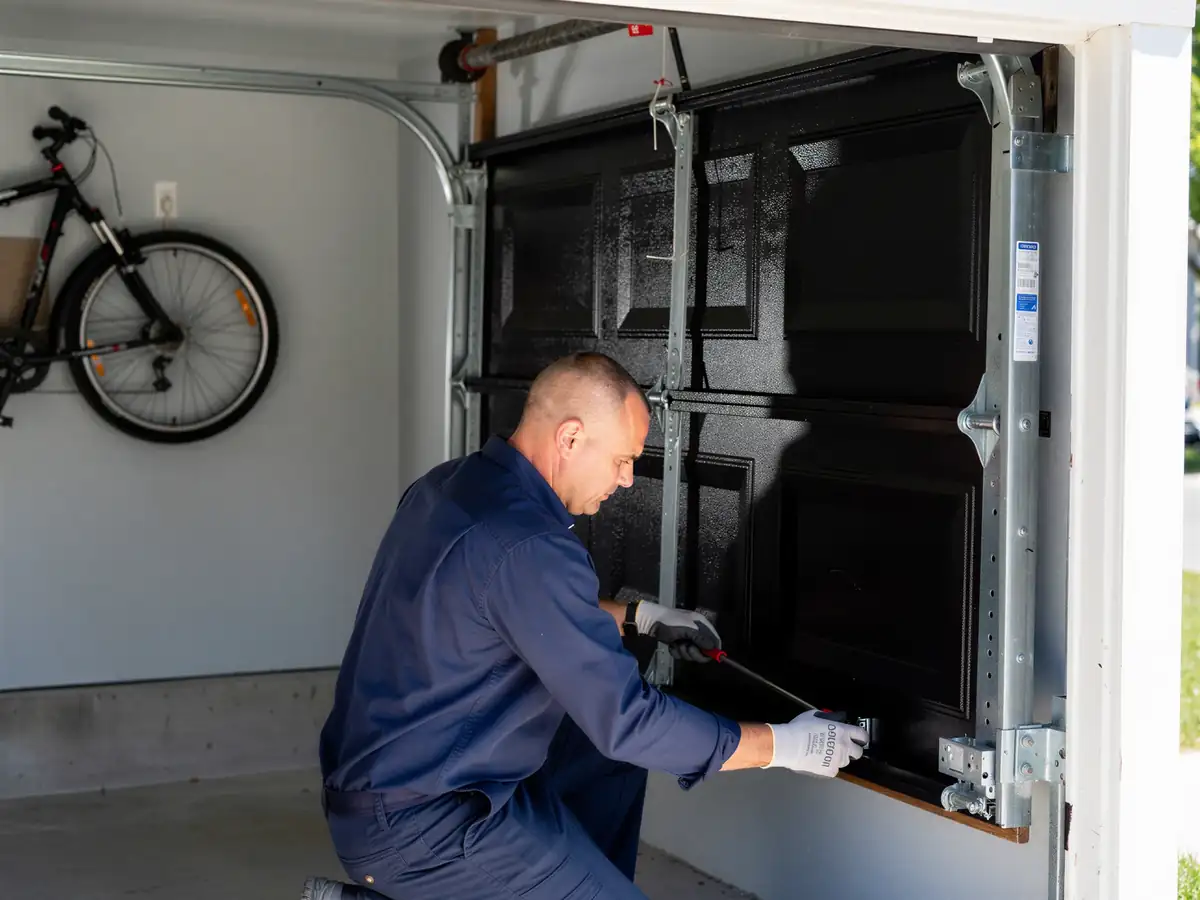
Camp Point is a small place - 443 households, nothing like the call volume of a bigger town - and that size shapes what kind of job comes up. You don't get a mix of brand-new builder-grade doors next to old ones. You get one era, over and over: houses here cluster around 1960, right in the middle of the wider 1938-1969 band that covers most of the service area. That means torsion springs sized for heavier single-panel doors, openers that have already been swapped once but still sit on original track, and rollers that have outlived two or three owners. A broken spring on a double door is the call we get most from this stretch, because that's the hardware a 1960 build actually has. Panels dent, cables fray, but the spring is what stops the door cold and brings the call in. With a town this size, you're not one of a hundred identical service calls on a route - you're one of a handful, and the fault tends to be the same handful of things each time, because the houses were all built in the same few years.
Where This Job Goes Sideways
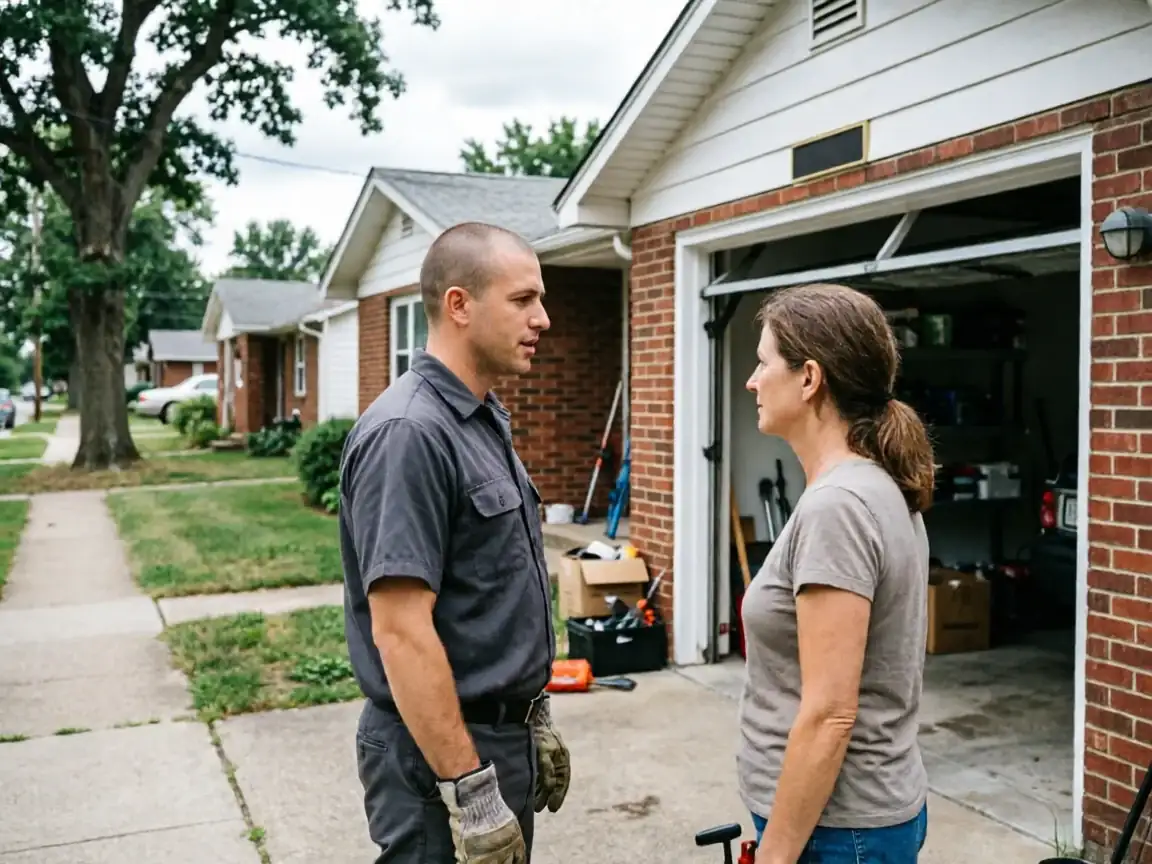
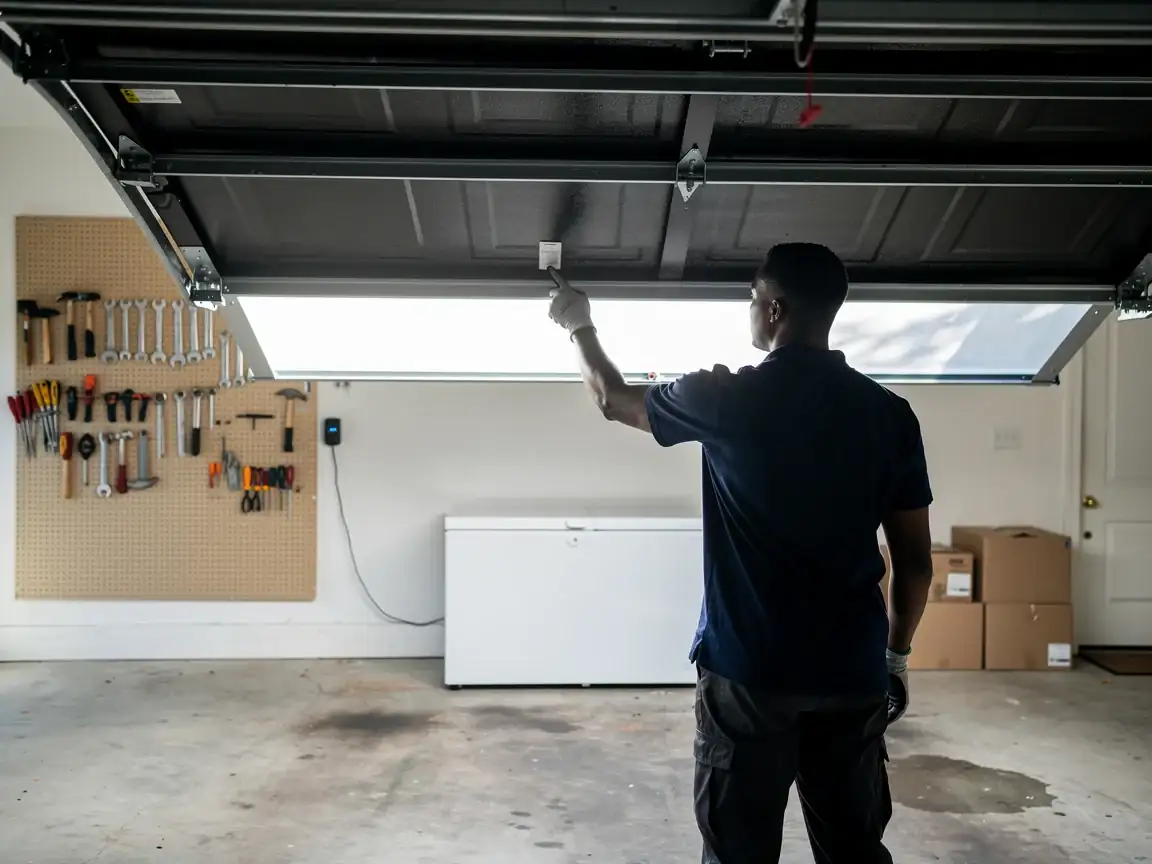
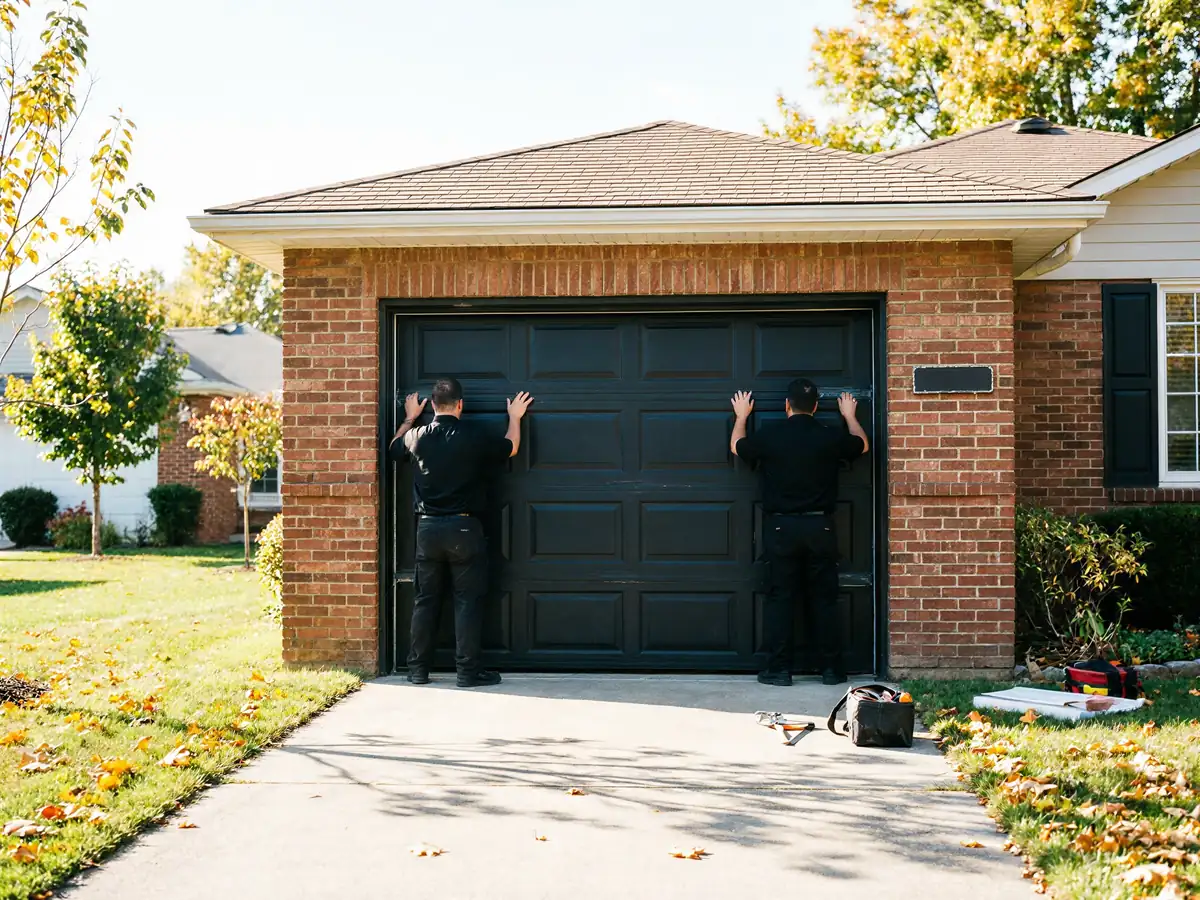
The trouble with 1960-era hardware is that nobody stocks it anymore. A torsion spring wound to the original door weight, or a track bracket sized for a door frame that predates today's standard rough openings, isn't sitting on a shelf. That's the honest limitation here: if the part is original and nonstandard, the job can mean a return trip once the right spring or bracket is on hand, rather than a one-visit fix. It's not a Camp Point-specific delay so much as an old-housing-stock delay, but it hits here more often because so much of the stock is that one era. The other way it goes sideways is a homeowner calling about a 'broken opener' when the opener is fine and the issue is a cable that jumped the drum, or a bent track from a car backing in too fast. Diagnosing by phone from 18 miles away doesn't work well for that - it takes someone standing in front of the door to tell a spring problem from a track problem from an opener problem, and guessing wrong before the trip wastes everyone's time.
Why This Fails Locally
The region sits in a cold-moderate climate band, which doesn't mean brutal winters, but it does mean real freeze-thaw cycling every year - enough to work metal fatigue into a spring that's already decades past its wind count, and enough to crack old weatherstripping and let the cold into a garage that was never insulated to begin with. Combine that with a housing stock built mostly in the 1960s and 70s across the area, and you get openers and hardware that were never designed with today's heavier insulated doors in mind. When someone upgrades to a heavier door but leaves the original spring, the spring fails faster - not because of bad luck, but because the math on spring cycles changed and nobody recalculated it. That's a local pattern tied to the age of the stock, not a generic 'old houses break down' line.
The Cost of This Job
Median household income in Camp Point runs $58,438, a bit under the $61,139 median for the wider service area, and that gap matters for how a repair decision gets made here. On a door this age, the honest call is often between patching the original hardware one more time or replacing the spring and a worn panel together so you're not paying for two separate trips. We don't have a set price to quote in general - it depends on spring size, door weight, and whether the track needs correcting along with it - but the decision usually comes down to whether the door is worth sinking more into versus letting a full replacement reset the clock. For a lot of 1960-era doors, that's a real question, not a sales pitch.