What to Look At First
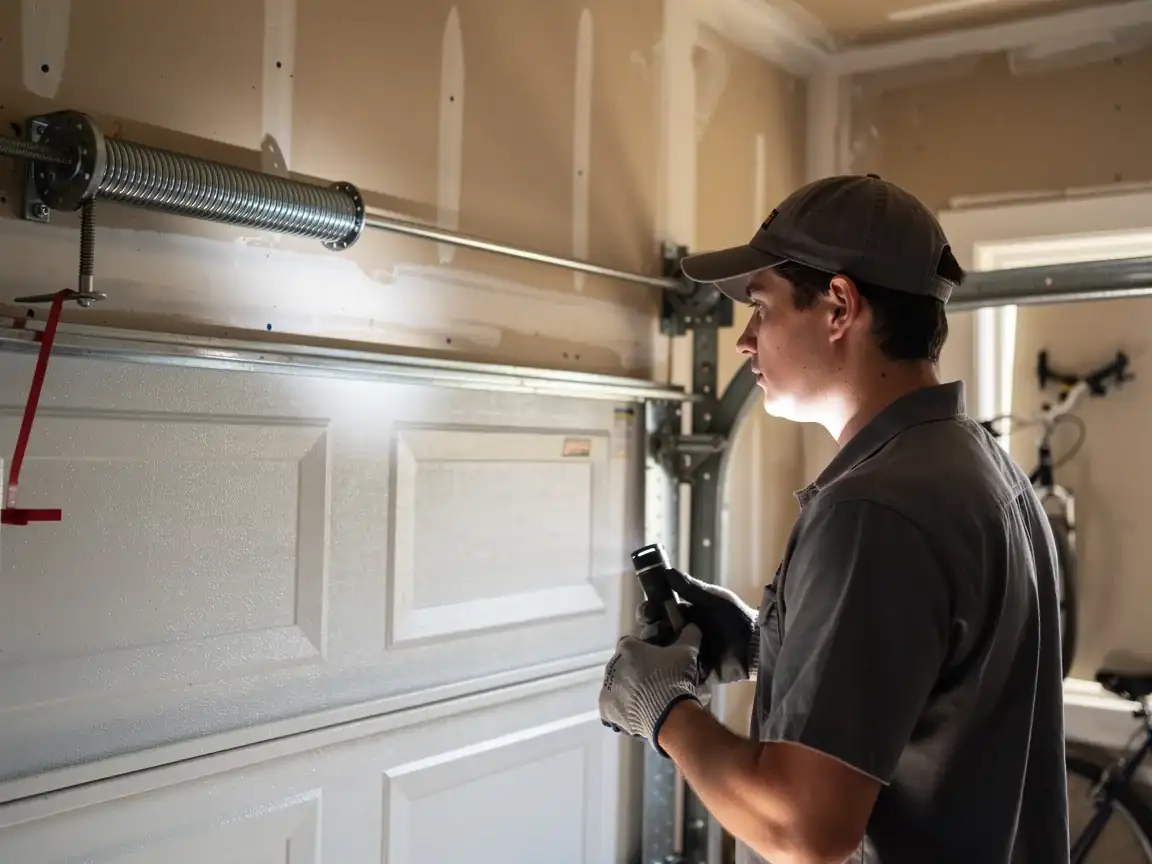
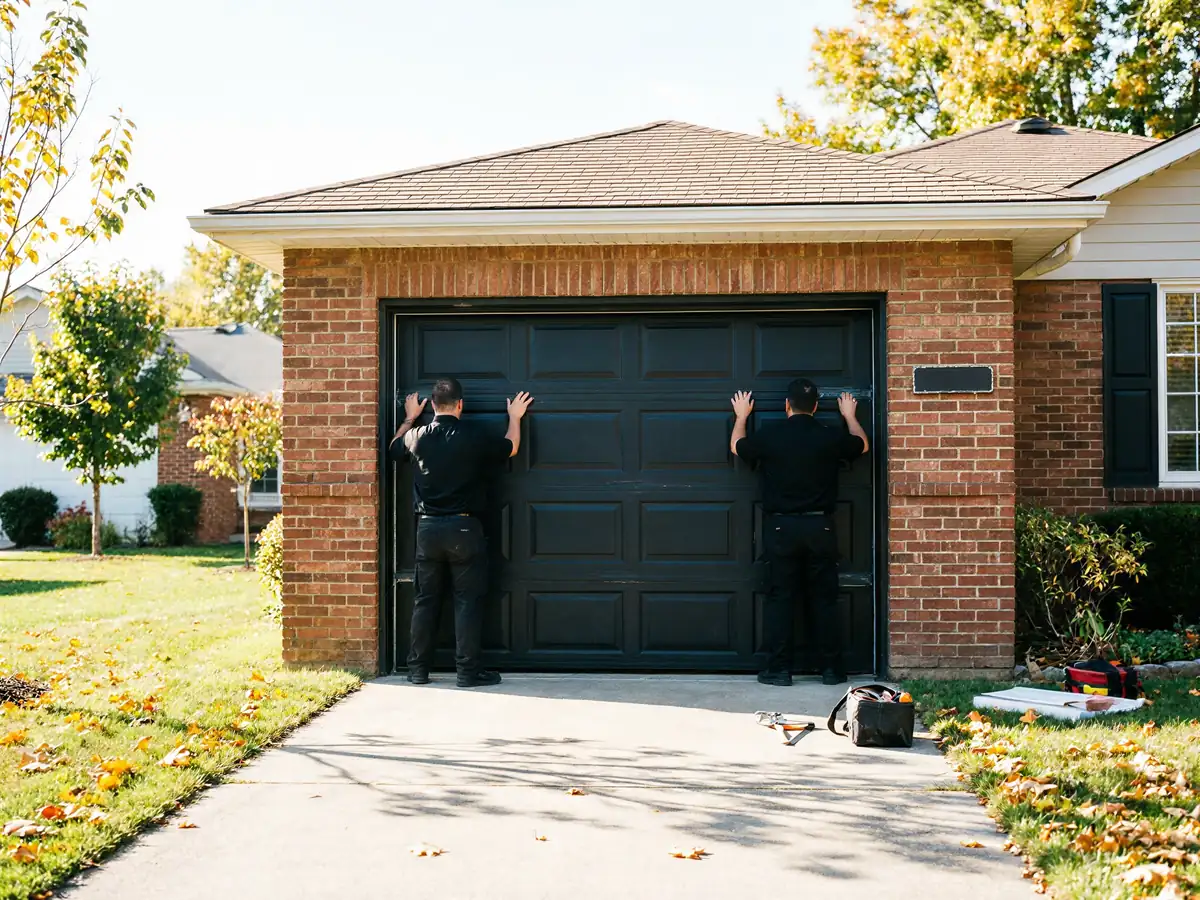
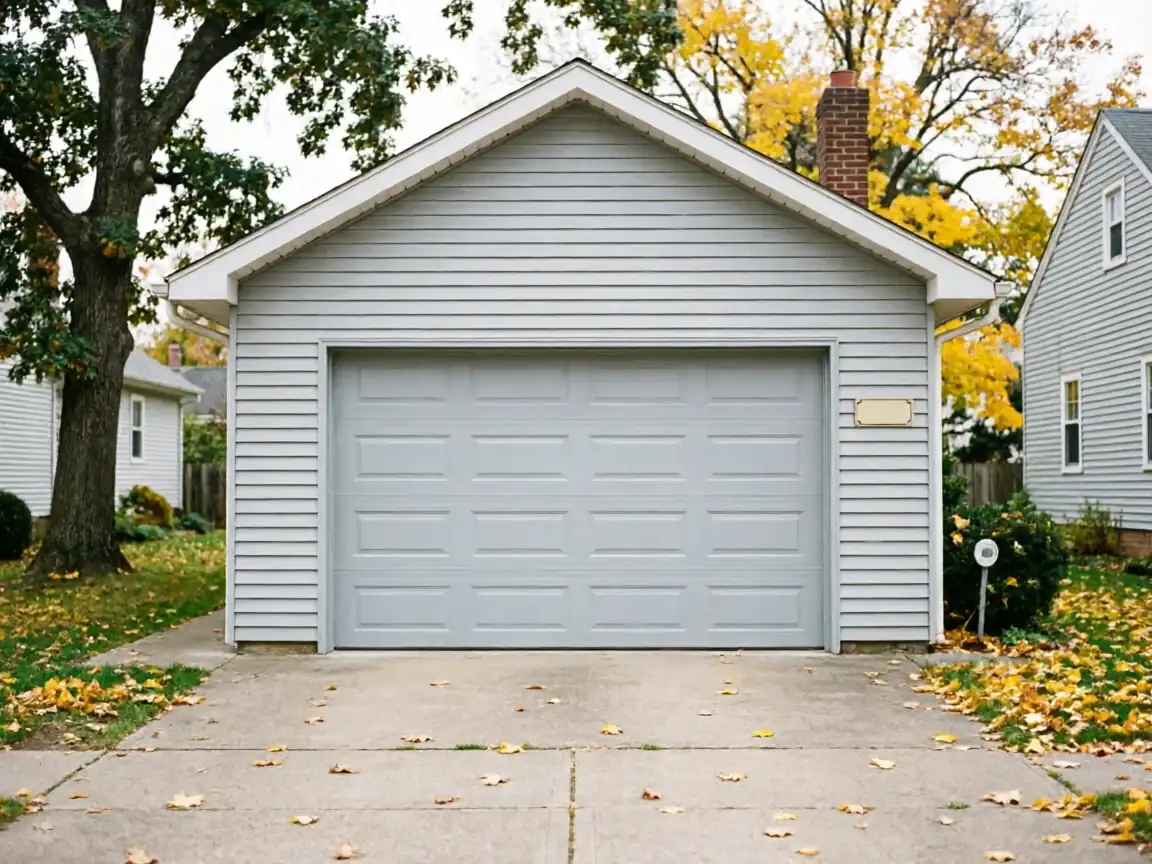
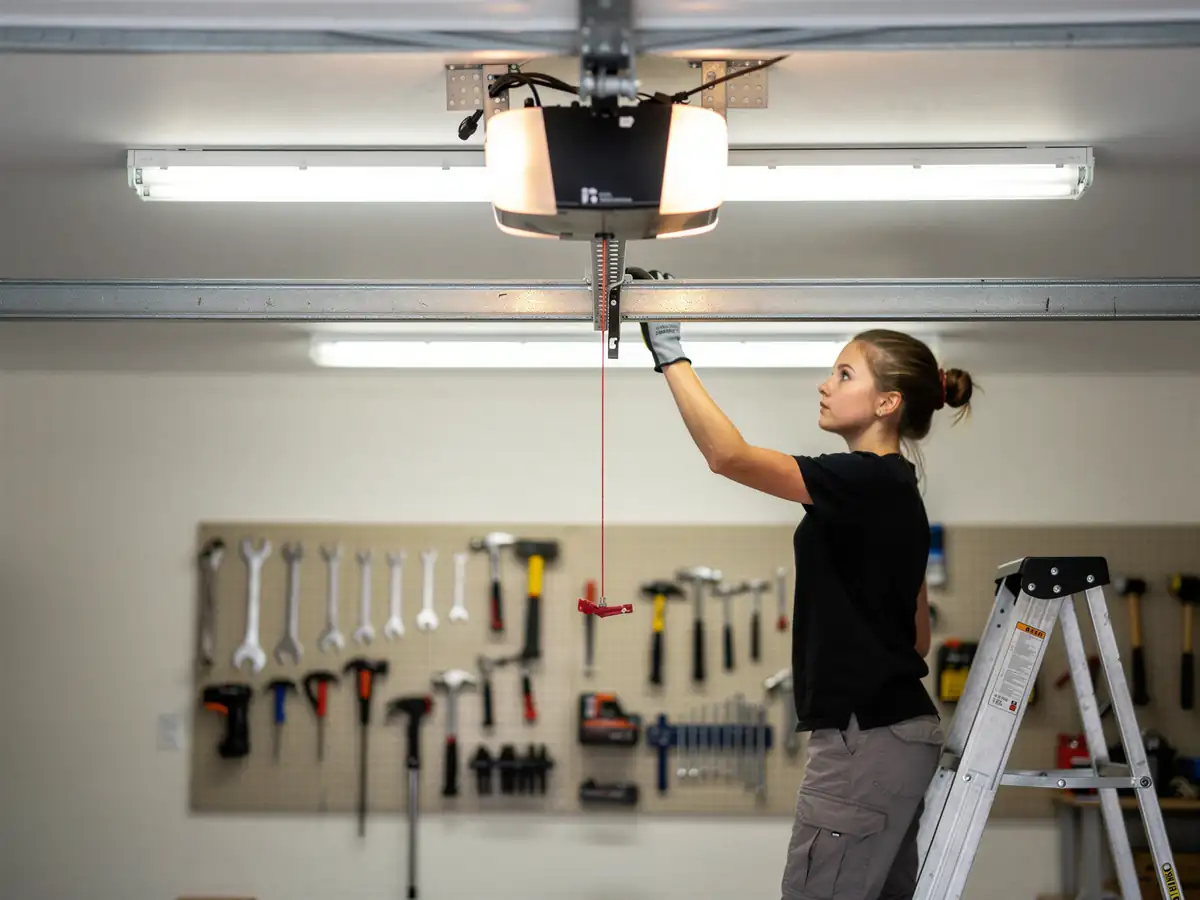
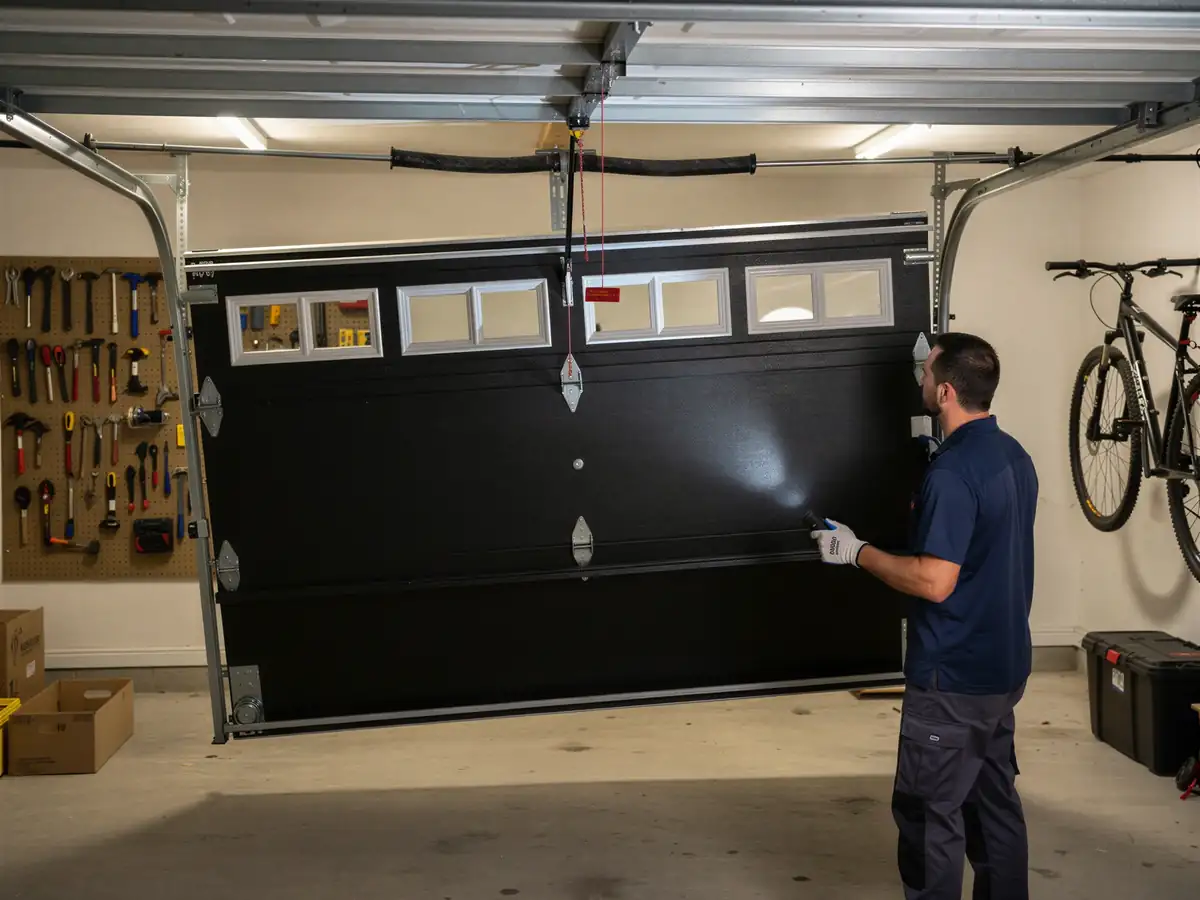
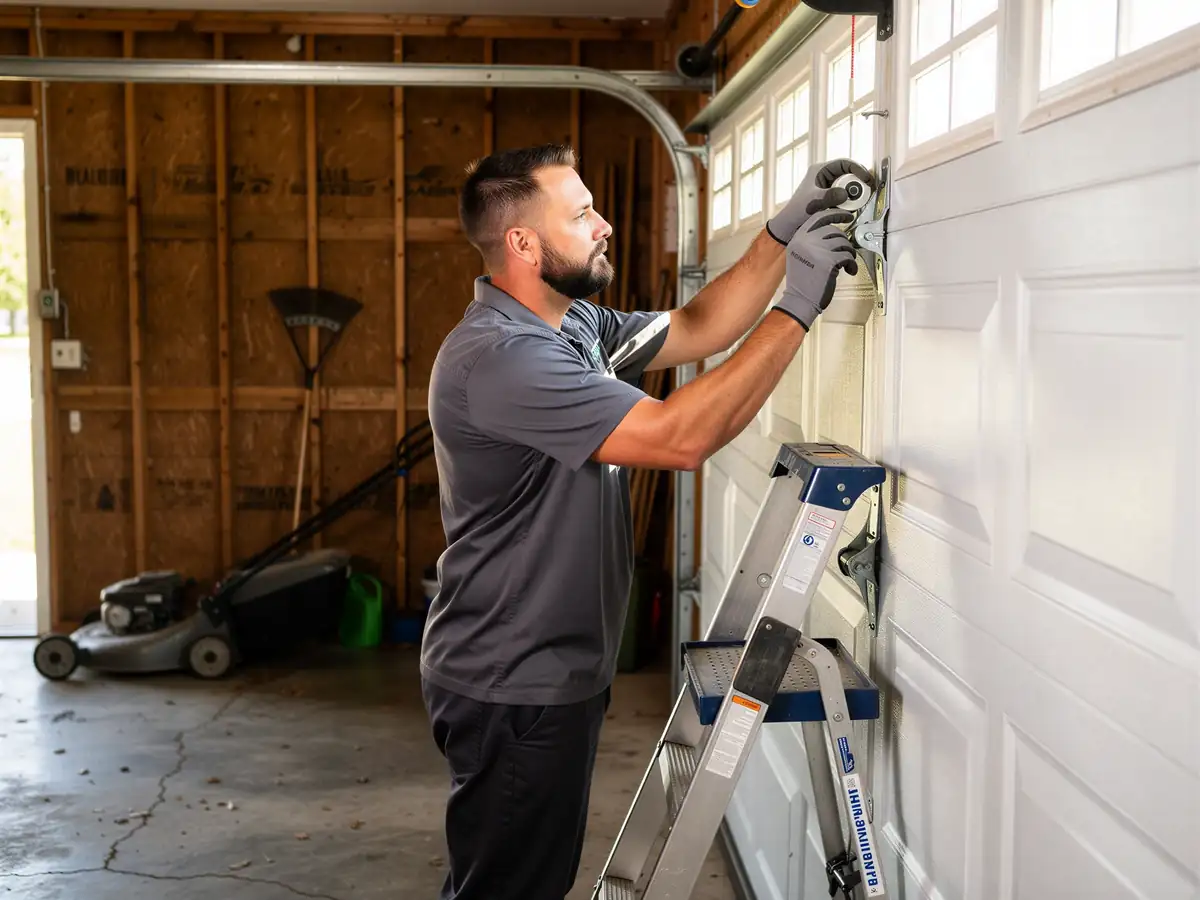
Most of the housing in and around Quincy went up between 1938 and 1969, with the median build year landing around 1964. That matters before a single tool comes out of the truck, because a door from that era almost always runs on torsion hardware mounted differently than what gets installed today, or on older extension springs with the kind of exposed coils that aren't up to current safety practice. Across the four main pockets of housing stock here, most built out in the 1960s and '70s, the pattern repeats: steel or wood panels original to the house, tracks that have been re-set at least once, and openers that have been swapped out a generation or two since the door itself went in. The first thing a service call actually checks isn't the opener - it's whether the door and the hardware it's riding on were ever a matched set to begin with. A lot of the noise, drag, and uneven closing people call about traces back to a door built for one kind of spring system that's since been patched with parts from another.
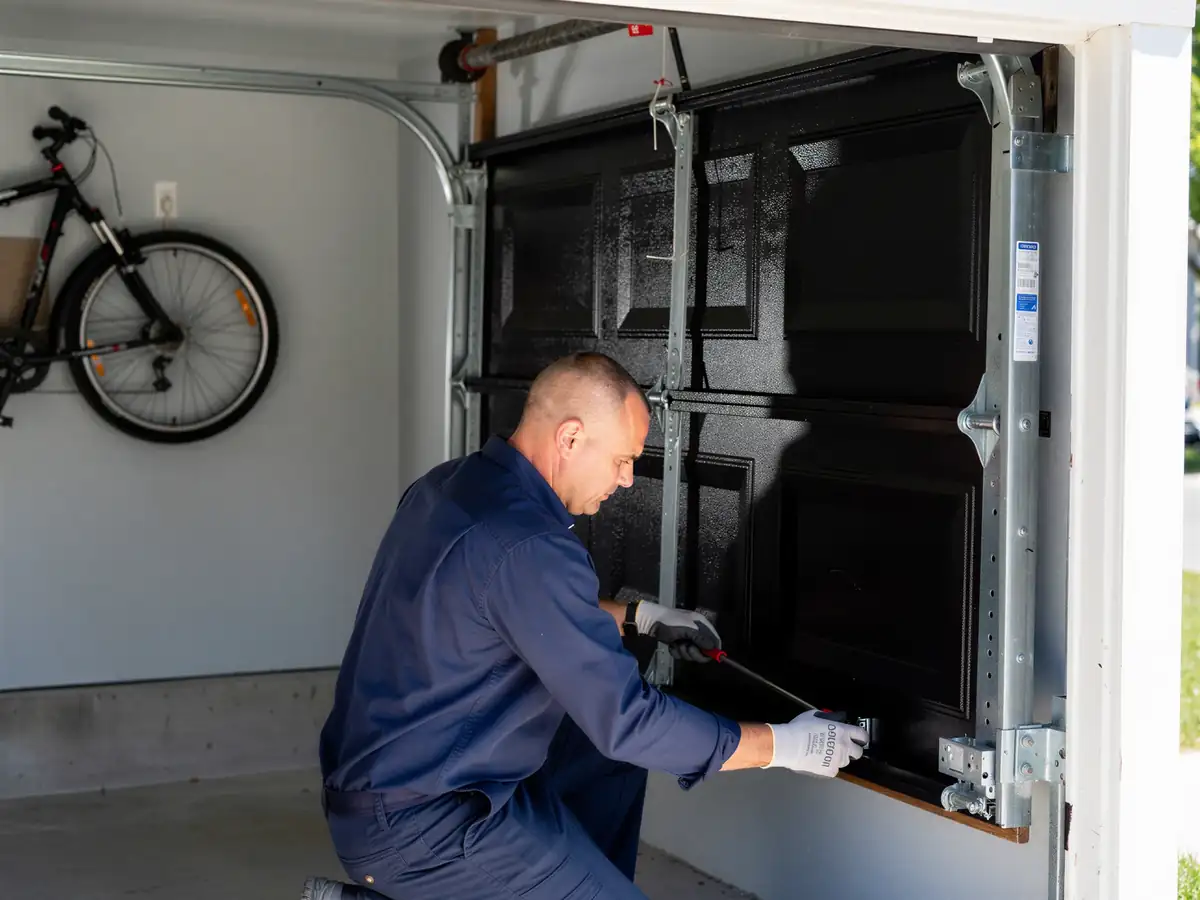
A real limitation here: on the oldest doors, matching panels is sometimes not possible. Manufacturers stop stocking a profile long before the door itself gives out, and at that point patching a dent means living with a mismatched panel or replacing the section.
The Cost of This Job
With median household income in the area at $61,139 and 720 owner-occupied houses across roughly 1,076 households, most of the service calls out here are homeowners weighing a repair against a bigger outlay on a door that's been in place since the house was built. That's a fair question to ask on a 1960s door - sometimes a broken spring or a bent roller is a straightforward fix, and sometimes the door itself has reached the point where putting new parts on old steel doesn't make sense.
We're not going to quote a number here that isn't tied to what's actually in front of us, because the honest cost on a torsion spring job looks nothing like the cost on a full panel replacement, and both look different again once you factor in whether the opener needs to come off the track to get at the spring. What we can say is that the decision usually comes down to the same question every time: is the door and track still square and sound, or has the age of the house caught up with the hardware. On a door built when the house was built, that's not a rhetorical question - it's usually a visible one once the panel's off.
How Local Conditions Play In
This area sits in a cold, moderate climate band
Which means the swing between a January morning and a July afternoon puts real stress on steel track and spring steel over the years. Metal contracts in the cold, and a torsion spring that's been wound for average tension can end up under- or over-tensioned depending on the season, which shows up as a door that's noticeably harder to lift by hand in winter than it was in August. Lubricant that's fine in summer gums up or thins out depending on what's actually in the can, and tracks that were set level when the house was newer can shift slightly as the ground around the slab freezes and thaws year after year.
None of this is dramatic
It's slow wear, not storm damage - but it's exactly why a door that worked fine for a decade can start sticking in cold snaps with no single obvious cause. A service call in this climate checks spring tension against the season, not just against a chart.
The Problem
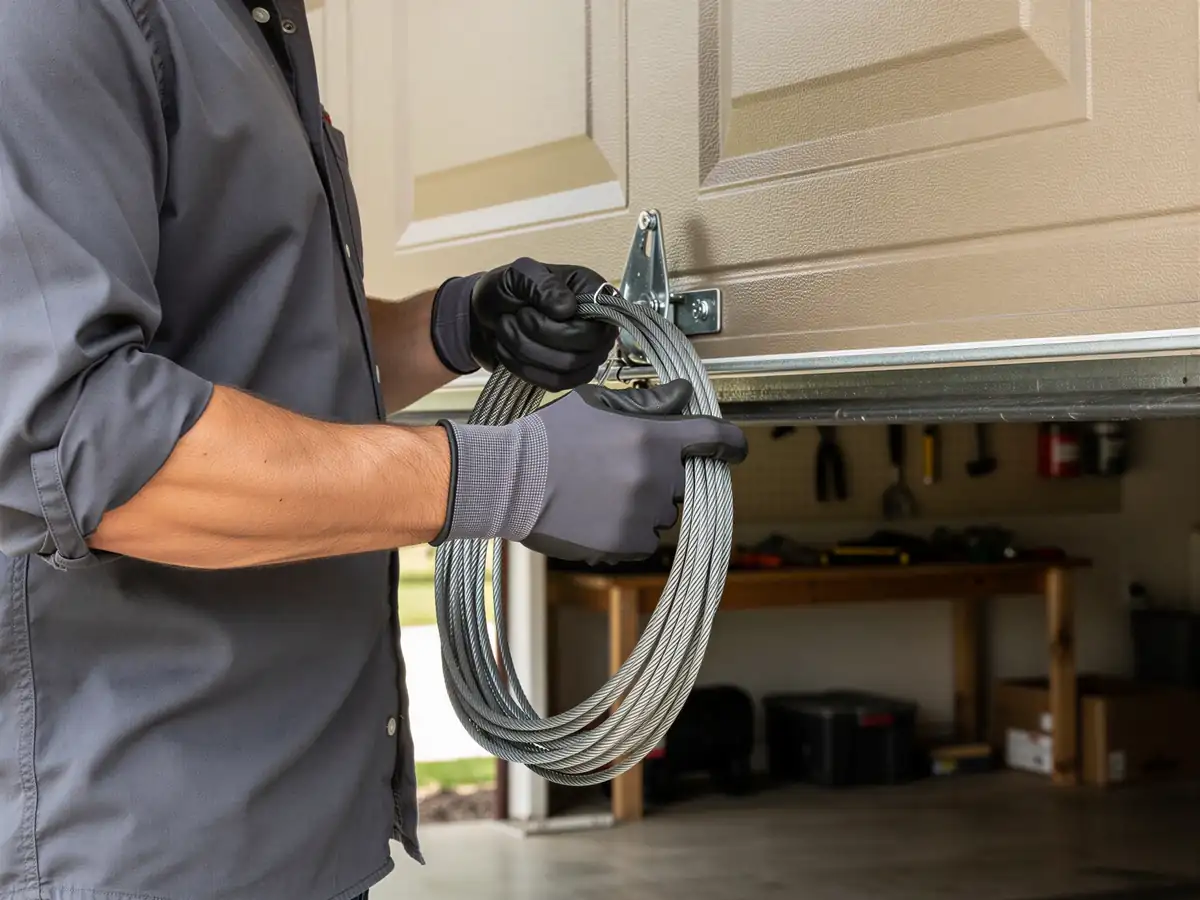
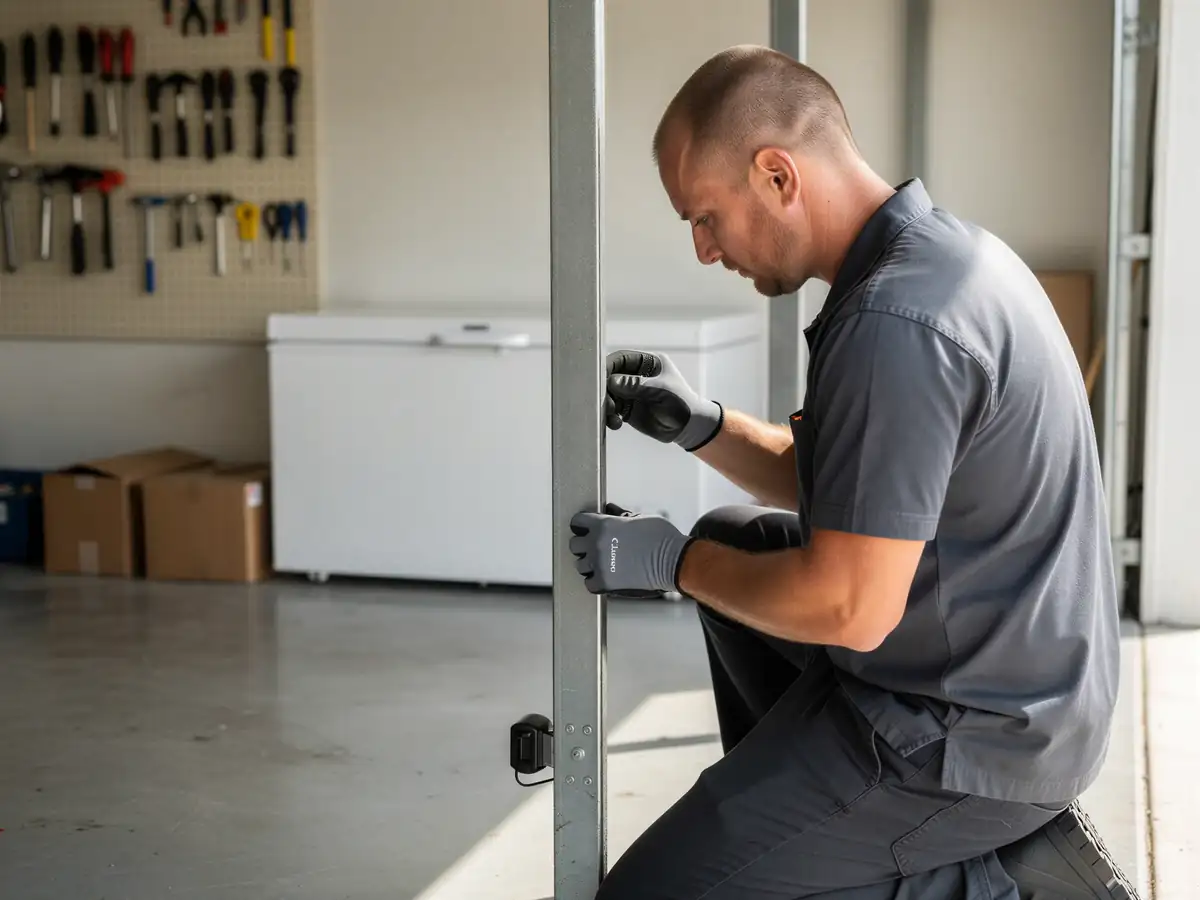
The recurring issue on houses built in the 1938-to-1969 window is hardware that was right for its time and isn't easy to service now. Torsion systems from that era were sized differently, winding cones and end bearing plates don't always match current stock sizes, and a repair that would take twenty minutes on a newer door can mean sourcing an adapter or a retrofit bracket on an older one. We cover the main service area out to Mendon, Liberty, Camp Point, and Kinderhook, and the pattern holds across all of it - older housing stock means older hardware, and older hardware means the job sometimes takes longer than the symptom suggests it should.
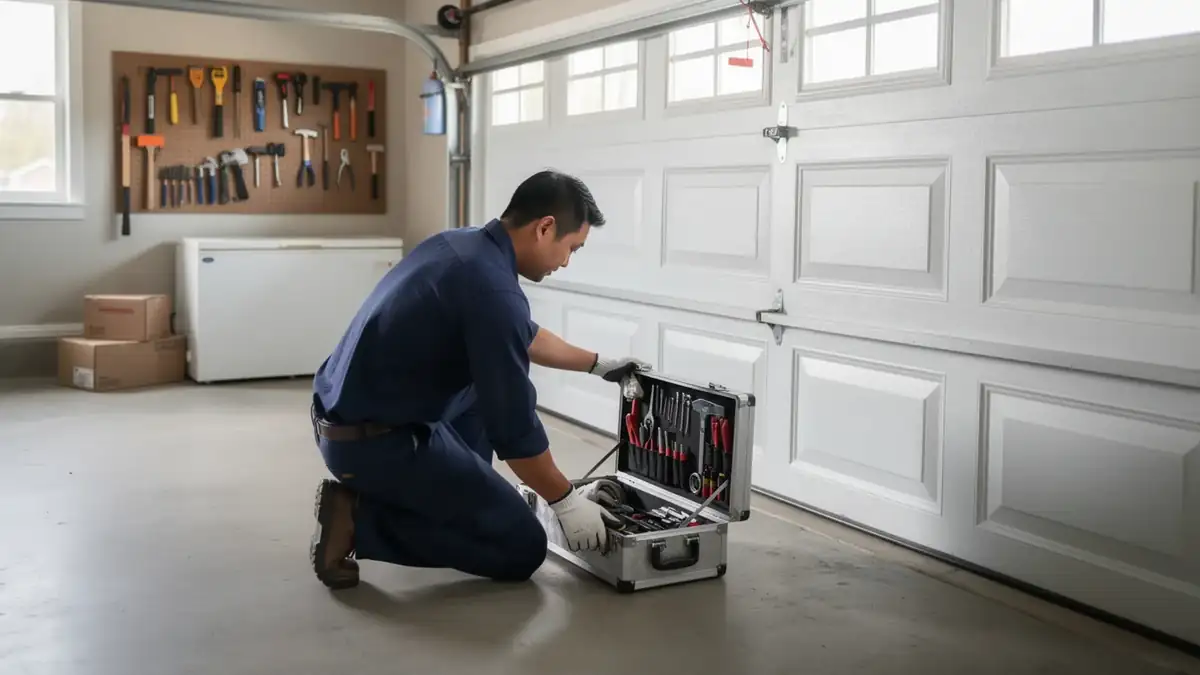
That's the honest version of what a service call covers: not just tightening what's loose, but figuring out whether the parts needed to fix it right are still something you can buy, or whether the fix has to be a workaround. We'll tell you which one it is before we start, not after.