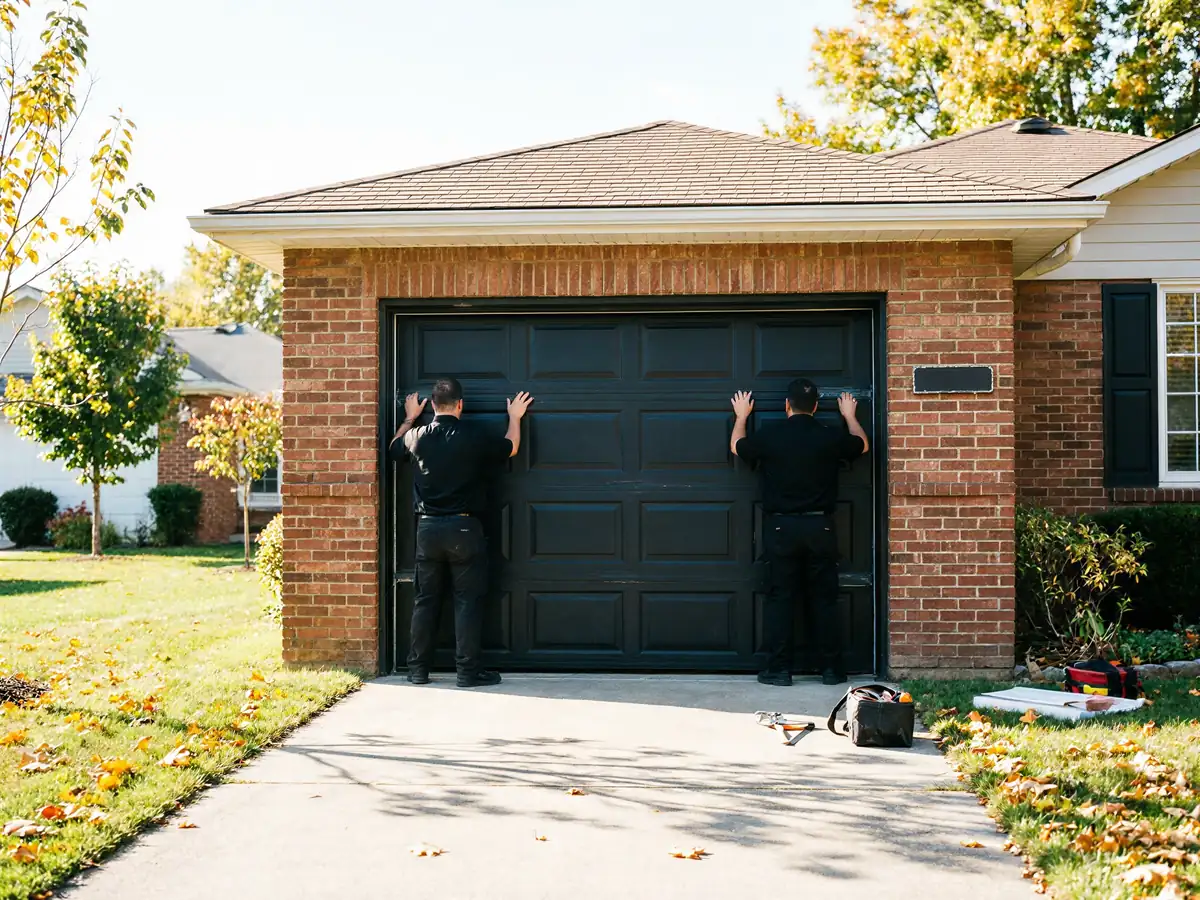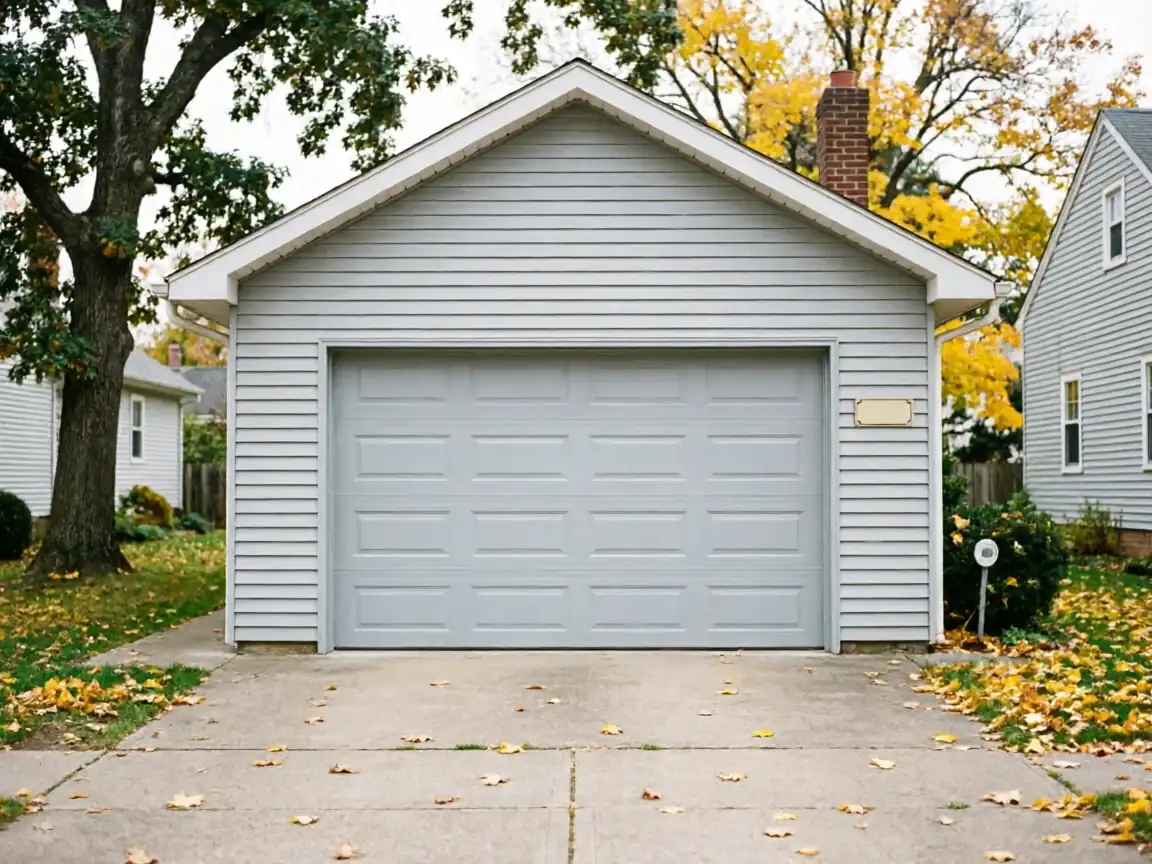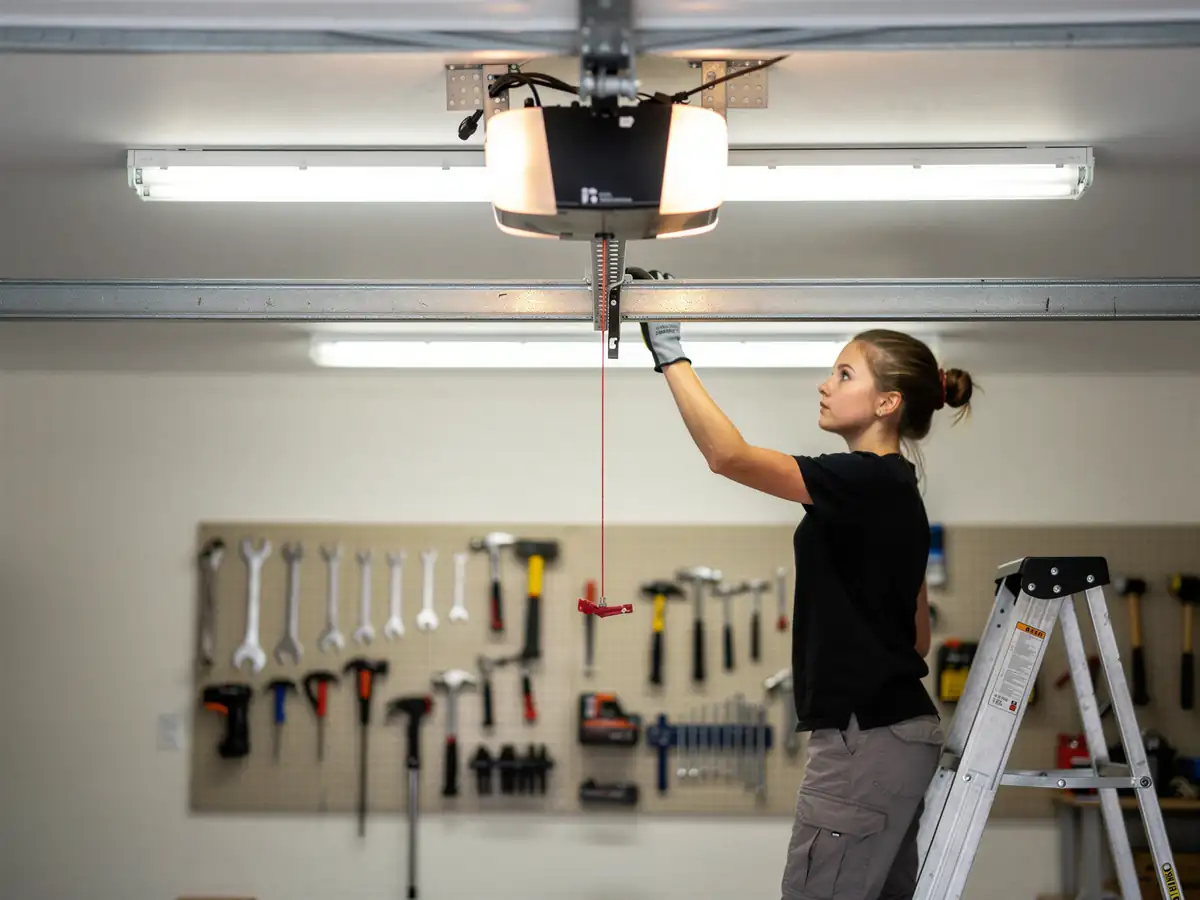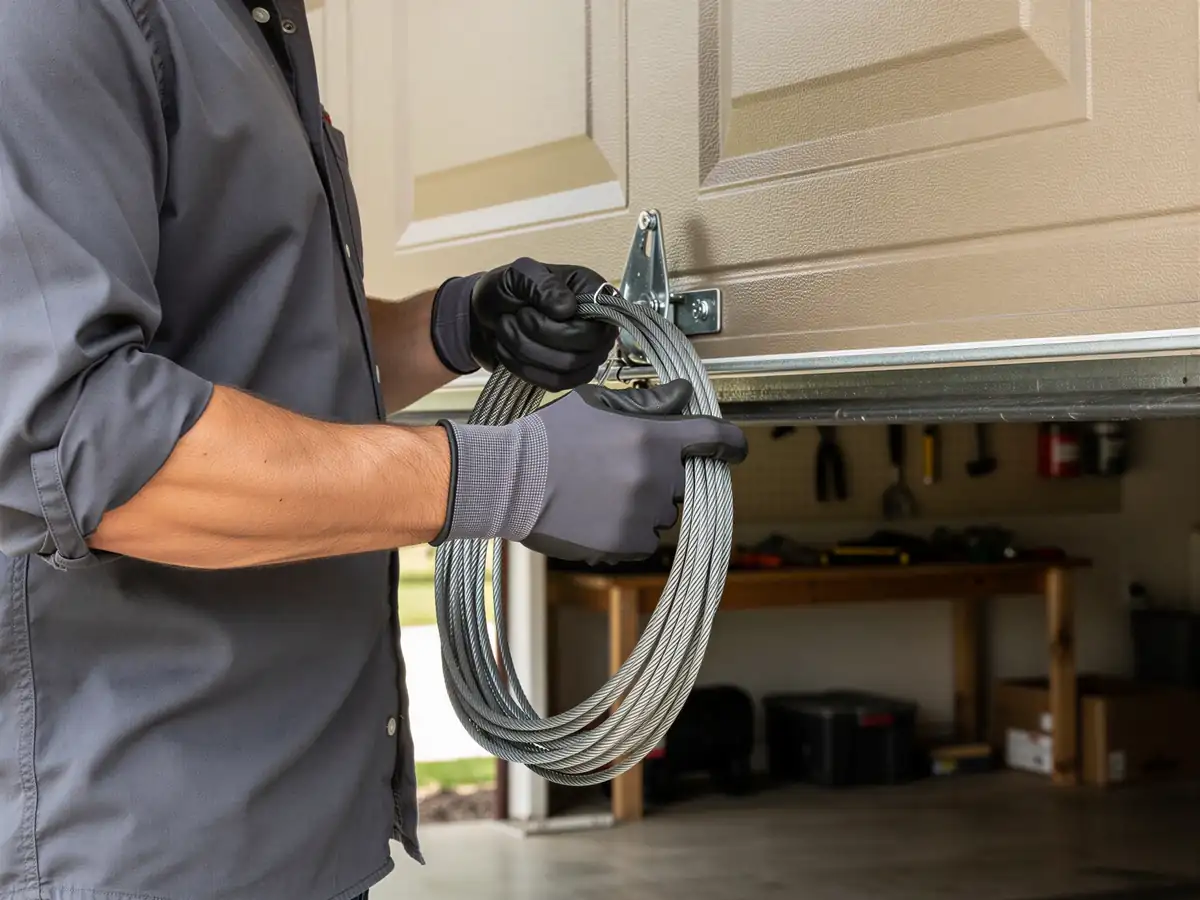
What to Look At First
Before anything else, look at when your house went up. Quincy's housing stock runs 1938 to 1969, median build year 1964, and the four main pockets we work in are mostly 1960s-70s construction. That matters because a door from that era was almost never built with the insulation rules or spring hardware you'd find on anything built in the last twenty years.
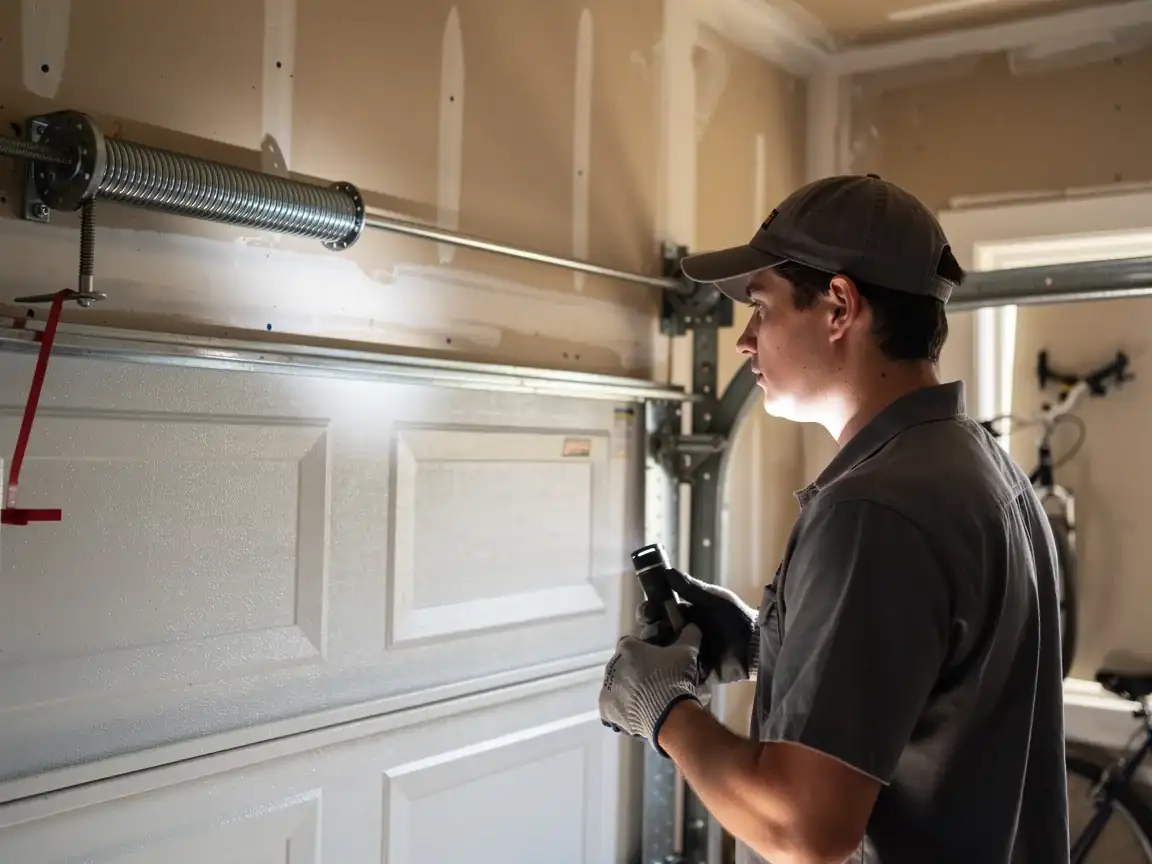
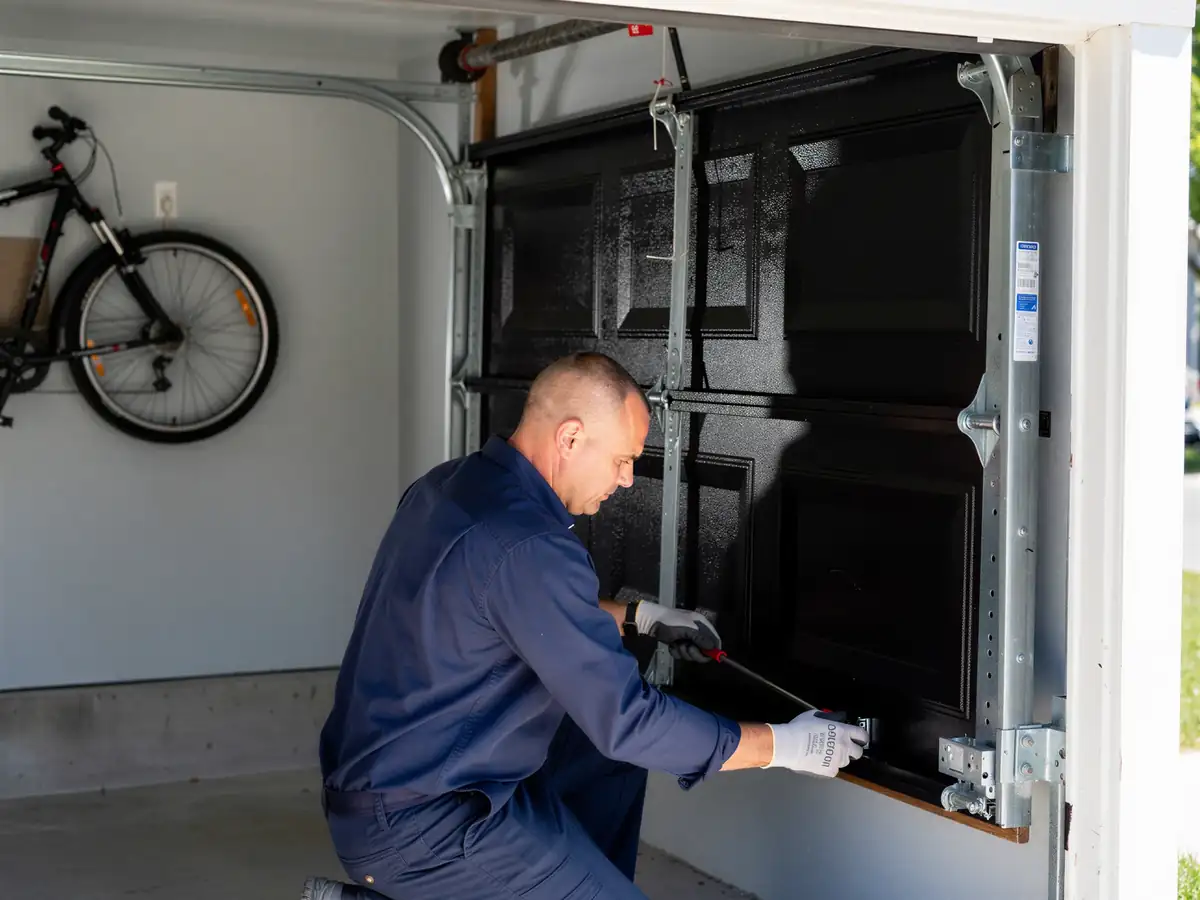
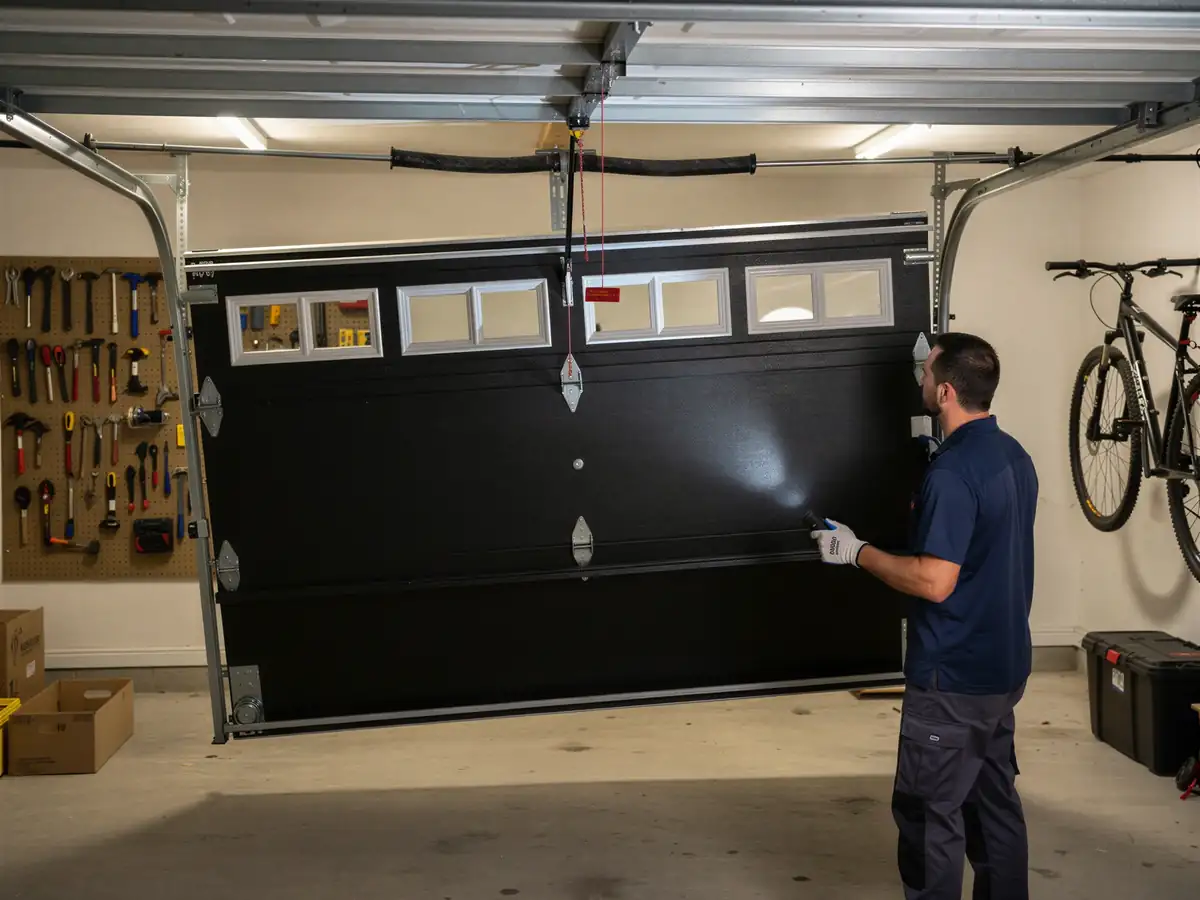
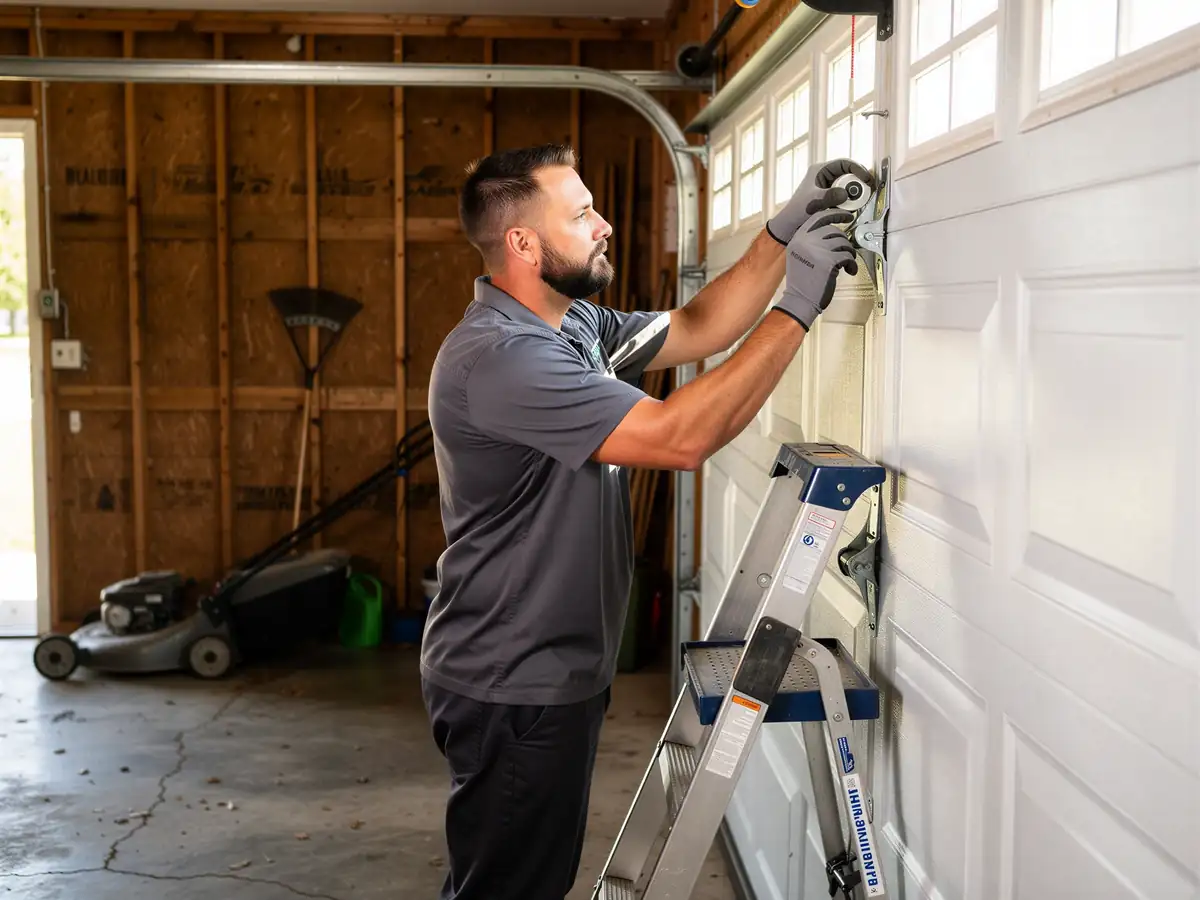
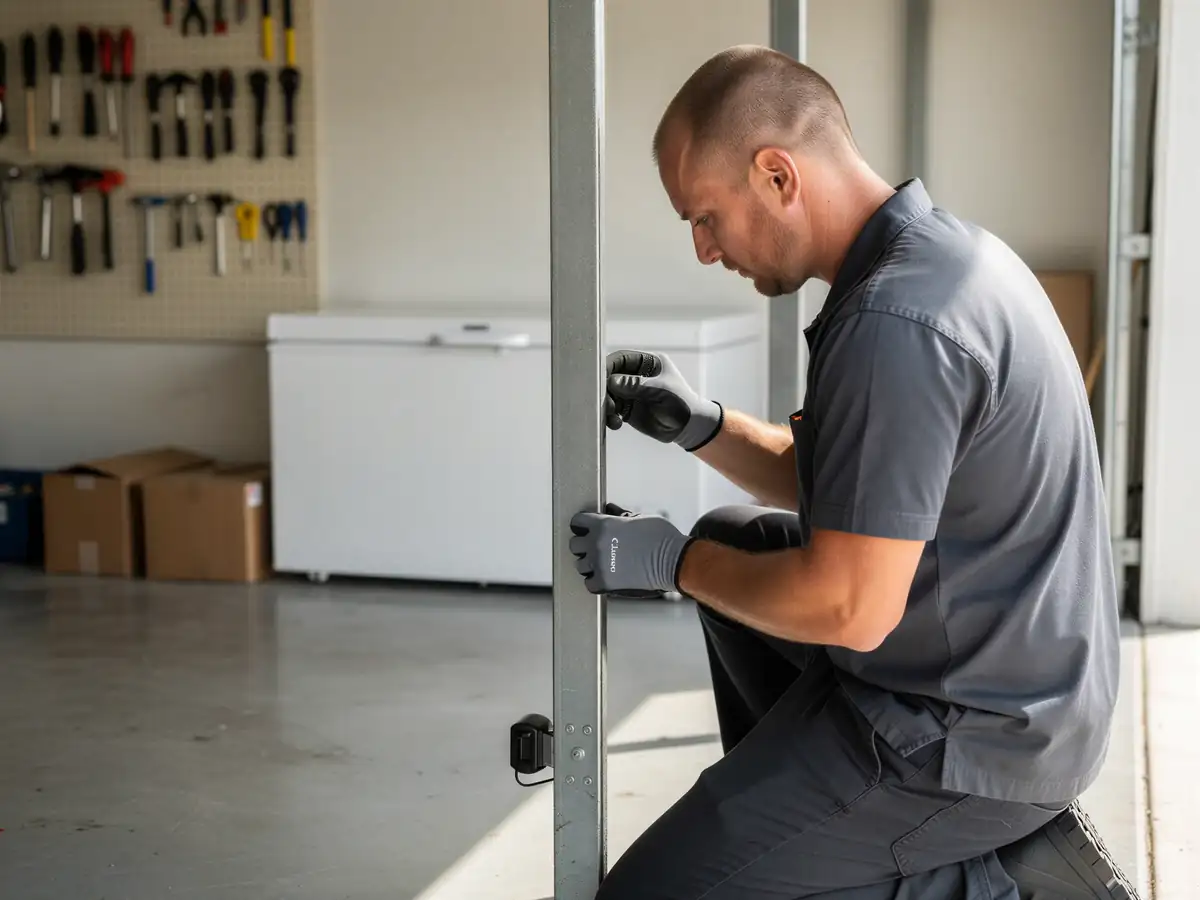
Check the track first - on houses from this period, the original tracks are often narrower than current standard, and rollers wear grooves into them that you can feel with a hand run along the rail. Next look at the spring mount. A lot of these houses still have side-mounted torsion hardware instead of the center-mounted setup you'd see on newer builds, and that hardware isn't something every supply house stocks on the shelf.
Last, check the panel seams. On a door this old, panels were often galvanized steel with no foam core, so if yours feels light for its size and you can hear wind through the bottom seal on a breezy day, that's consistent with the build era, not a defect you caused.
The Cost of This Job
We don't have a flat number to hand you here, and we're not going to make one up. What we can tell you is what drives the number up or down on a house like yours. Age of the door is the biggest factor - original hardware from the 1938-1969 build window often means custom-length torsion bars or spring sizes that aren't a same-day part, and that labor and wait time shows up in the bill.
Median household income across the service area sits at $61,139, and most of the jobs we see reflect that - owners choosing a spring repair or roller replacement over a full door swap when the opener and panels are still sound. That's a reasonable call on a house this age, as long as the track and spring hardware aren't both failing at once.
One honest limitation: if your door is original to a 1940s or 1950s build and the panel is bent or rusted through, we may tell you the door isn't worth saving even though the spring itself could be fixed. Patching a sixty-plus-year-old panel rarely holds.
How Local Conditions Play In
Quincy sits in a cold-moderate climate band
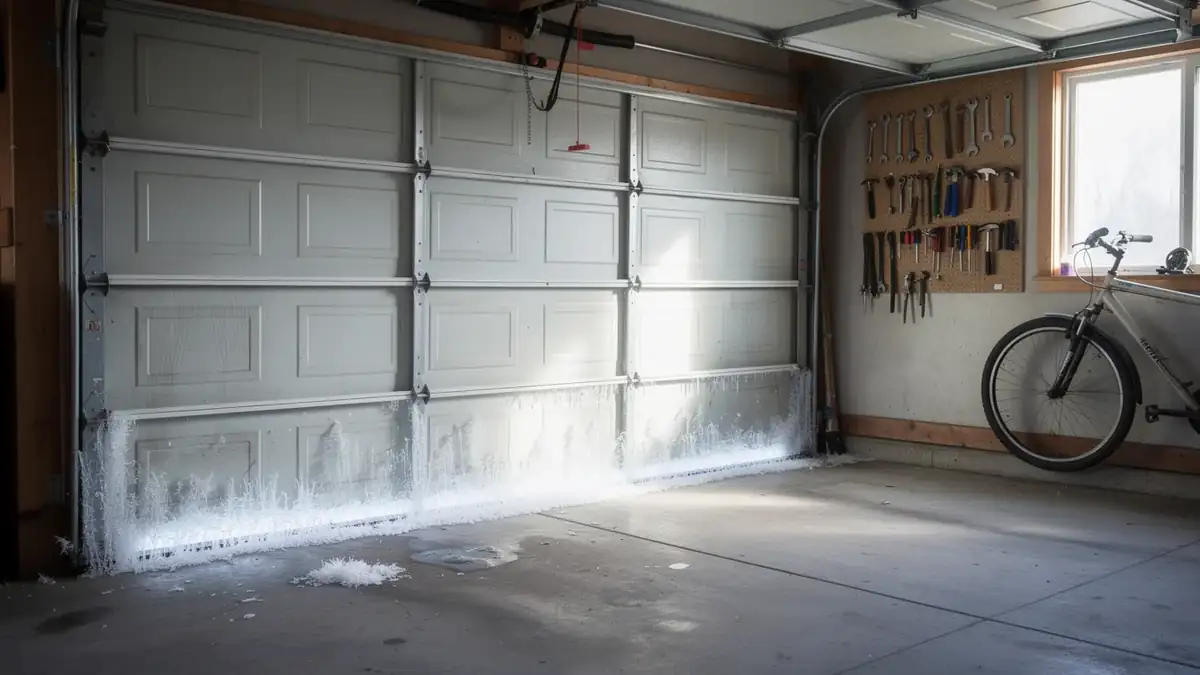
Which means the door takes real freeze-thaw cycling every winter rather than one hard freeze and done. That swing is what kills bottom seals and cheap weatherstripping fastest - rubber contracts hard in the cold, then softens and takes on moisture as it warms, and that cycle repeats for months.
On houses built in the 1960s and 70s
Which is most of the stock here, steel panels that never had a foam core transmit that cold straight through, so you'll feel it in the garage and sometimes in an attached mudroom or laundry space right next to it. That's not a door failure, that's just what an uninsulated panel does in this band.
Hinges and rollers also take more wear here because cold steel is less forgiving than steel that stays at a steady temperature
If your door is sticking or binding more in January than in July, that's the climate working on hardware that was already decades old to begin with.
The Problem
Put the two facts together - a house built sometime between 1938 and 1969, sitting through Quincy's cold-moderate freeze-thaw cycle every year - and you get a predictable failure pattern. Original torsion springs, often undersized by today's cycle-count standards, lose tension faster in cold weather and snap without much warning. Original track, especially on the side-mount setups common in the 1960s-70s pocket houses, develops play at the joints that a newer center-mount system wouldn't show.
Across the 720 owner-occupied houses in this service area, we see the same two or three things over and over: a spring that's reached the end of its cycle life, a bottom seal that's cracked from repeated cold snaps, or rollers that have worn their track grooves to the point the door shudders on the way up. None of that is unique to one house - it's what happens to hardware this old in a climate this variable.
The fix usually isn't the whole door. It's matching the right spring size and track gauge to what's actually there, which on a house this age sometimes takes an extra call to track down the right part.