Why This Fails Locally
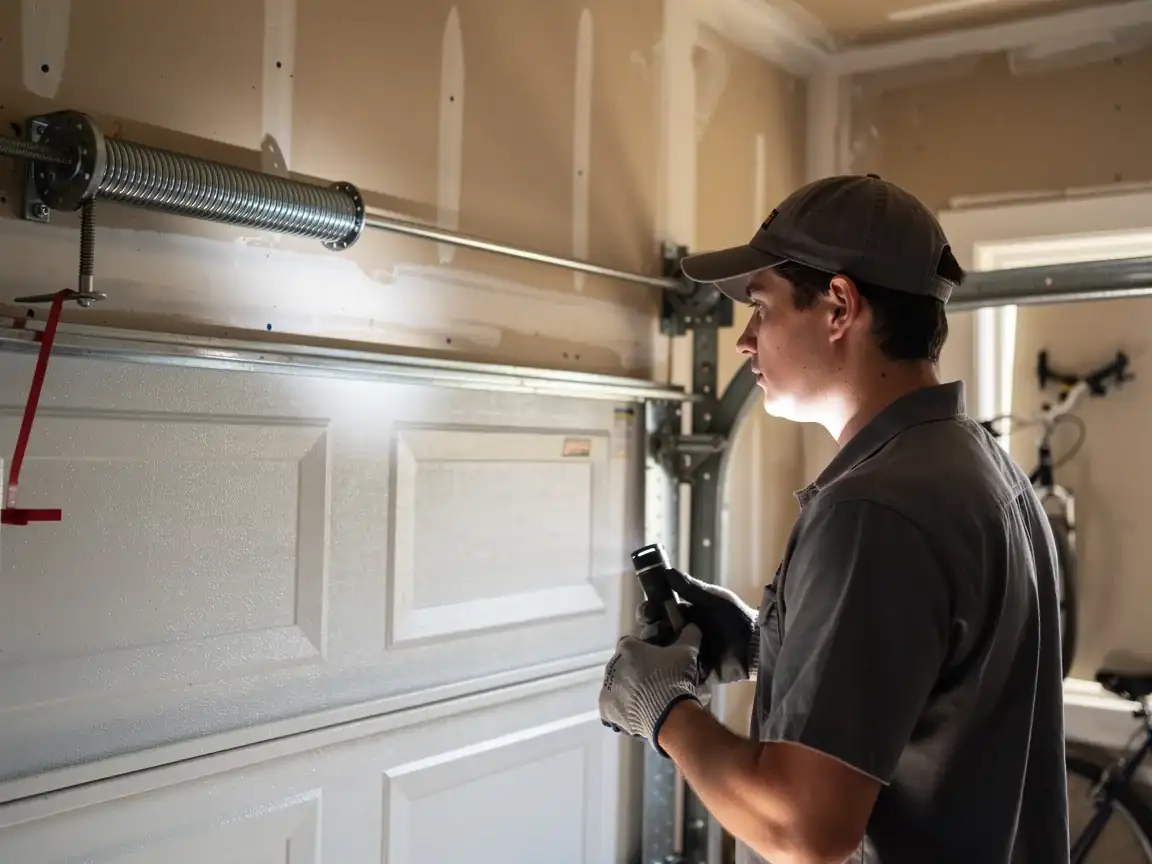
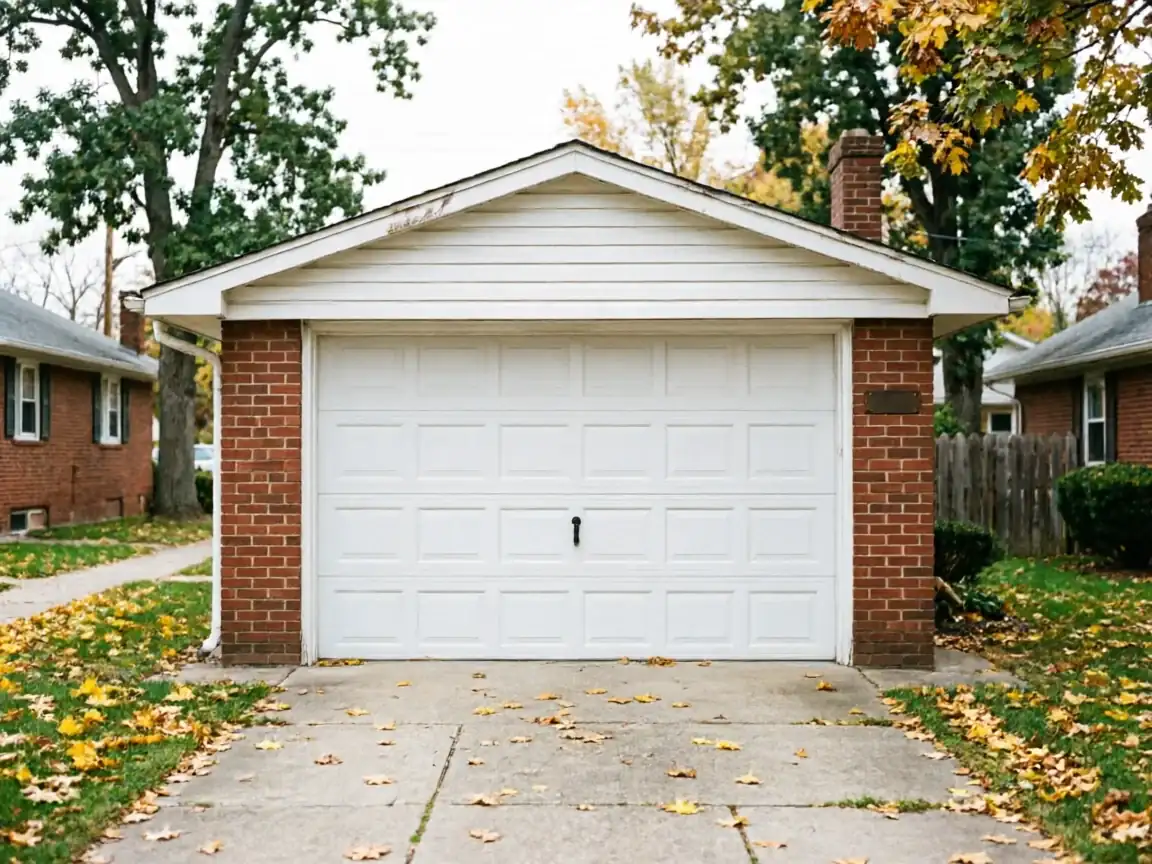
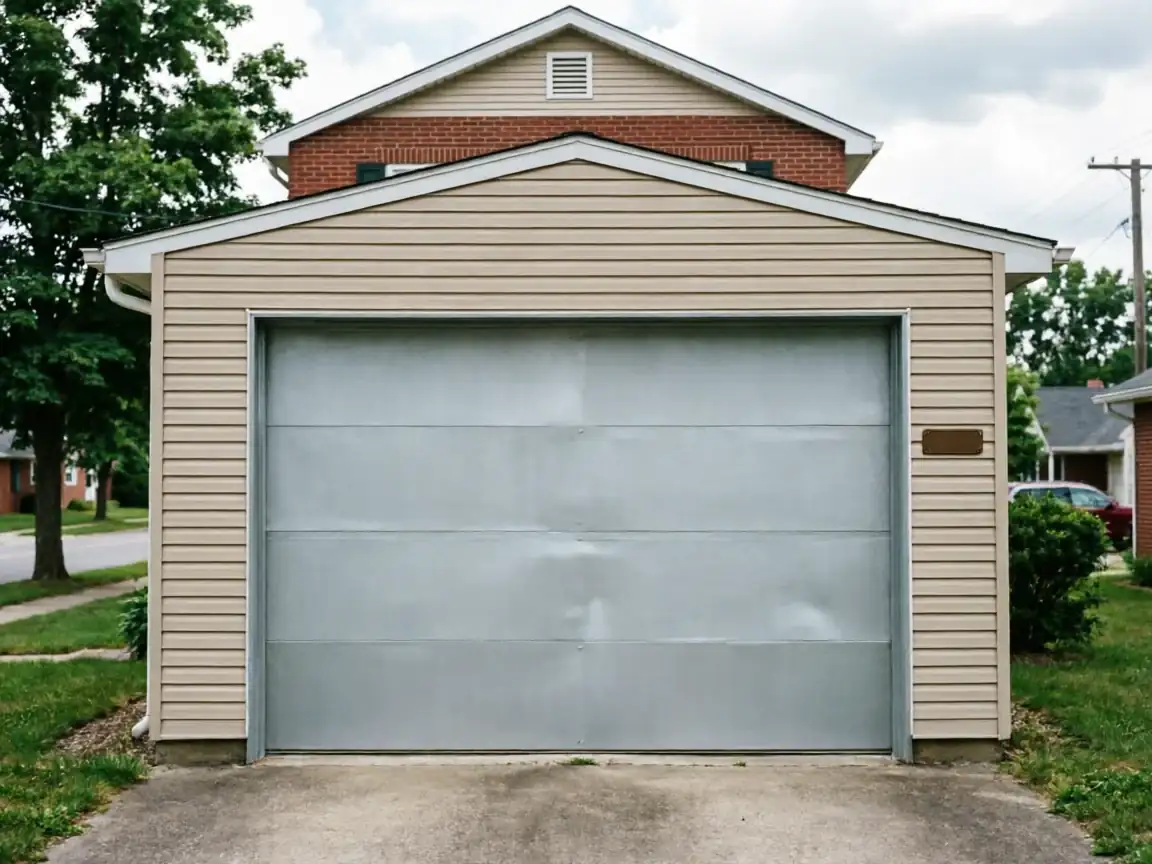
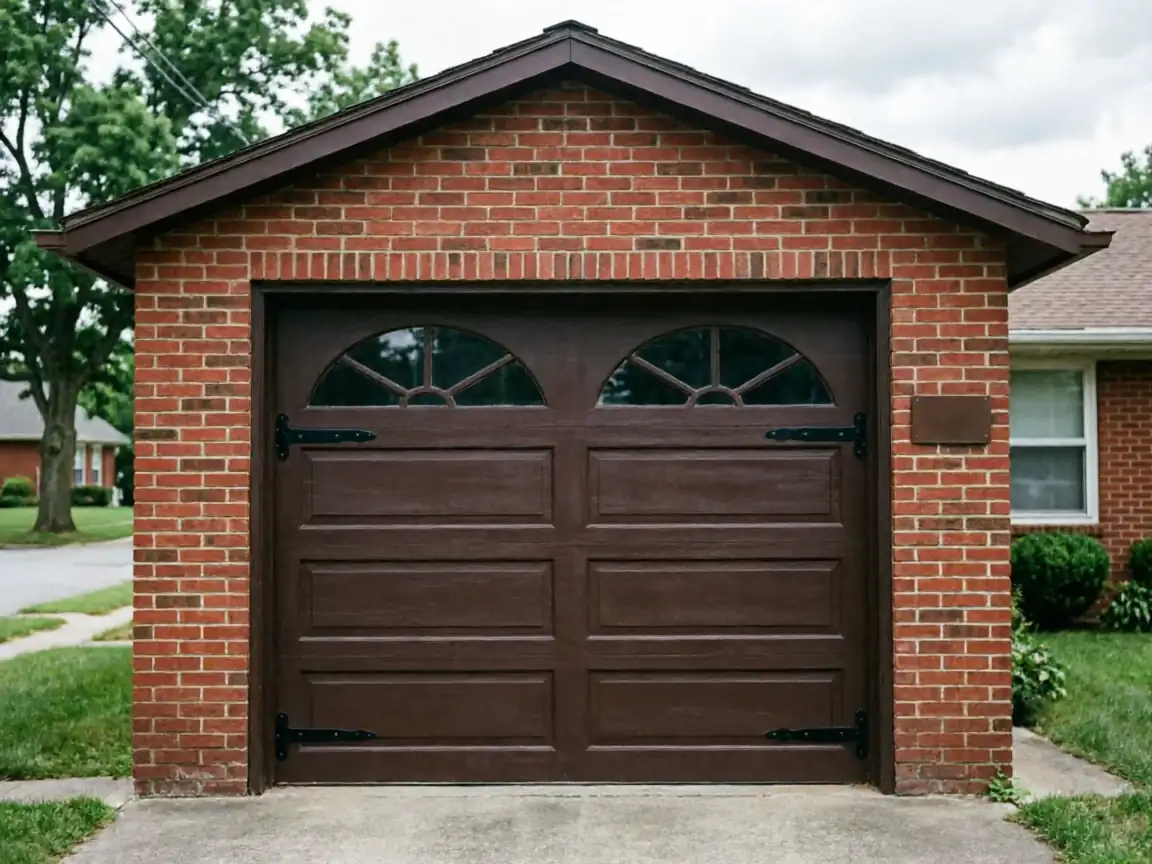
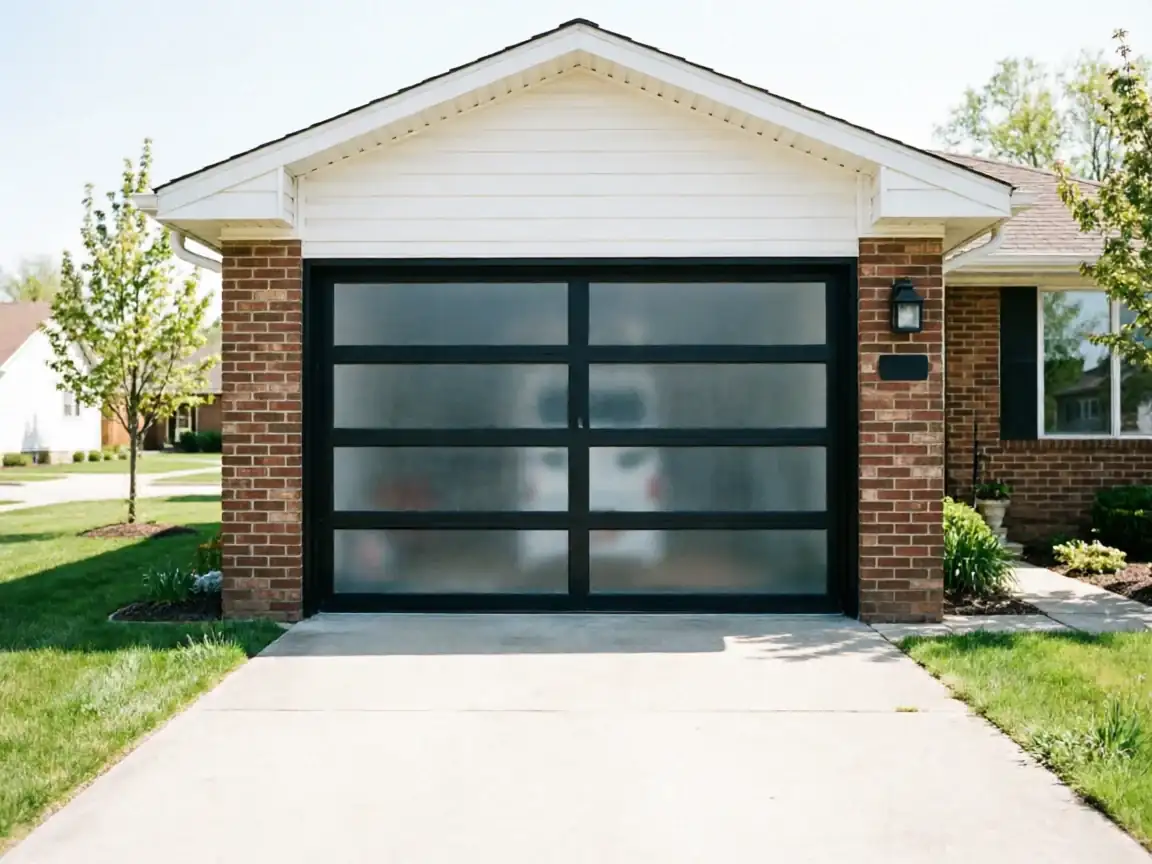
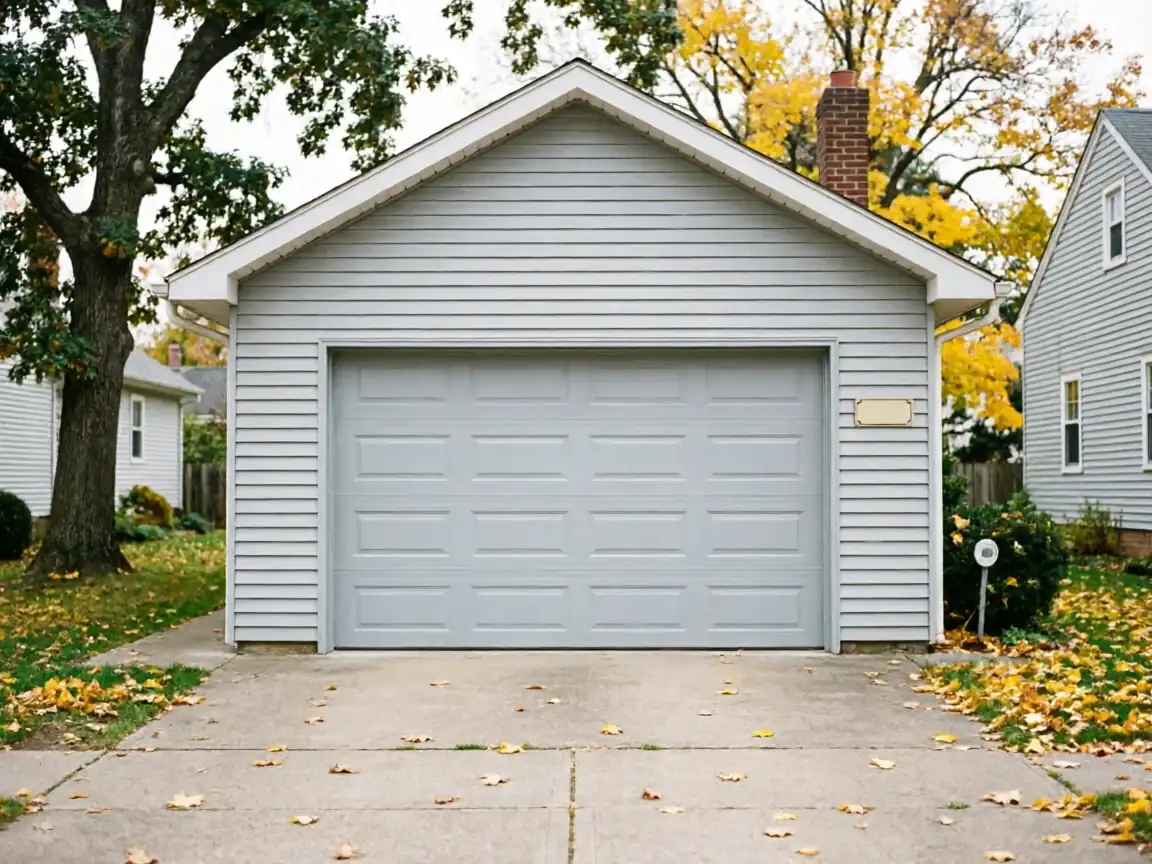
Most of the housing across our service area went up between 1938 and 1969, with the median build year landing around 1964, and the four main pockets we work in still carry a lot of that 1960s-70s stock. That matters for cables because a huge share of these doors were built with galvanized aircraft cable on extension or torsion systems that were never meant to last sixty years without a swap. The winding cones, drums, and cable ends on those original setups corrode from the inside out long before anything looks visibly wrong.
Add in a cold-moderate climate and you get a second problem layered on top of the first: the steel strands lose flexibility in freezing temps and get brittle right at the point where they wrap the drum. That's the spot that frays first, and it's usually the spot you can't see without pulling the door apart. A cable that's fine in August can be down to a few strands by February.
We're not saying every door in the area has this problem - plenty of houses have been updated. But if your house falls in that 1938-1969 build window and nobody's touched the cables since the door went in, the odds are not in your favor.
How It Shows Up
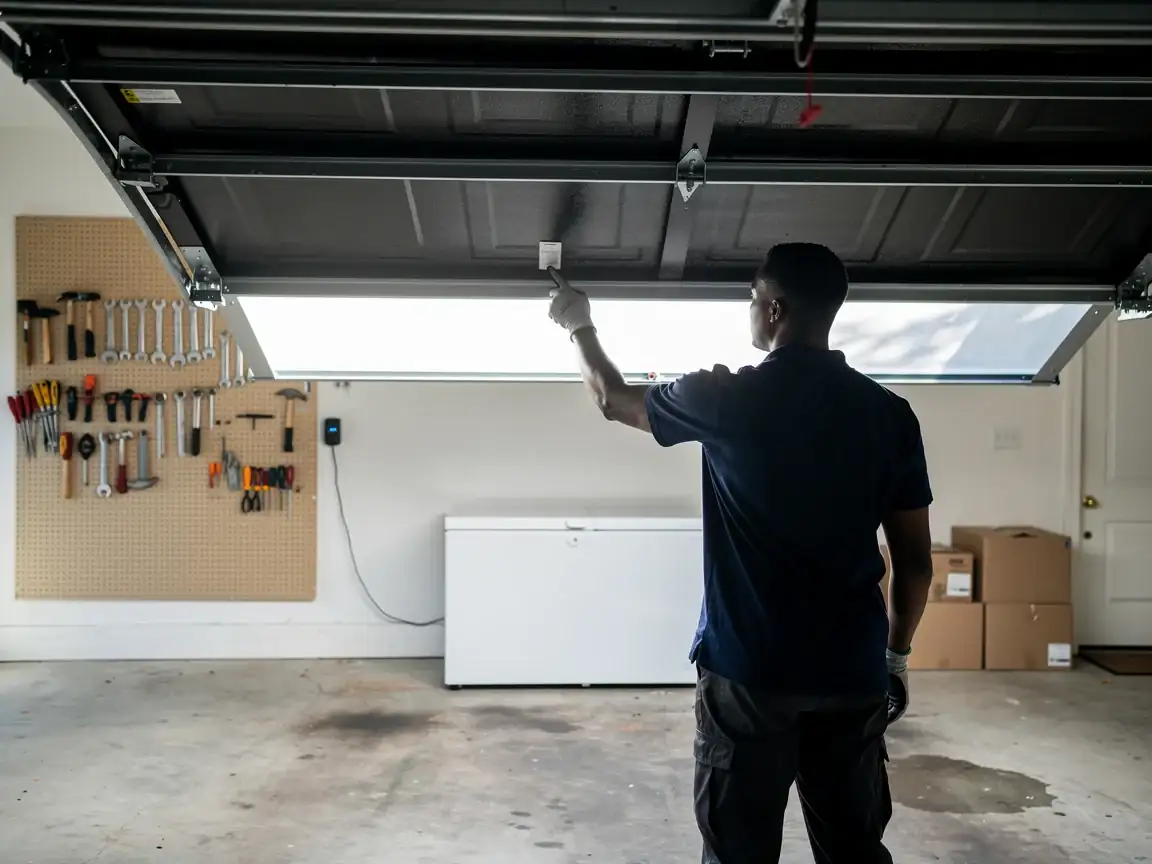
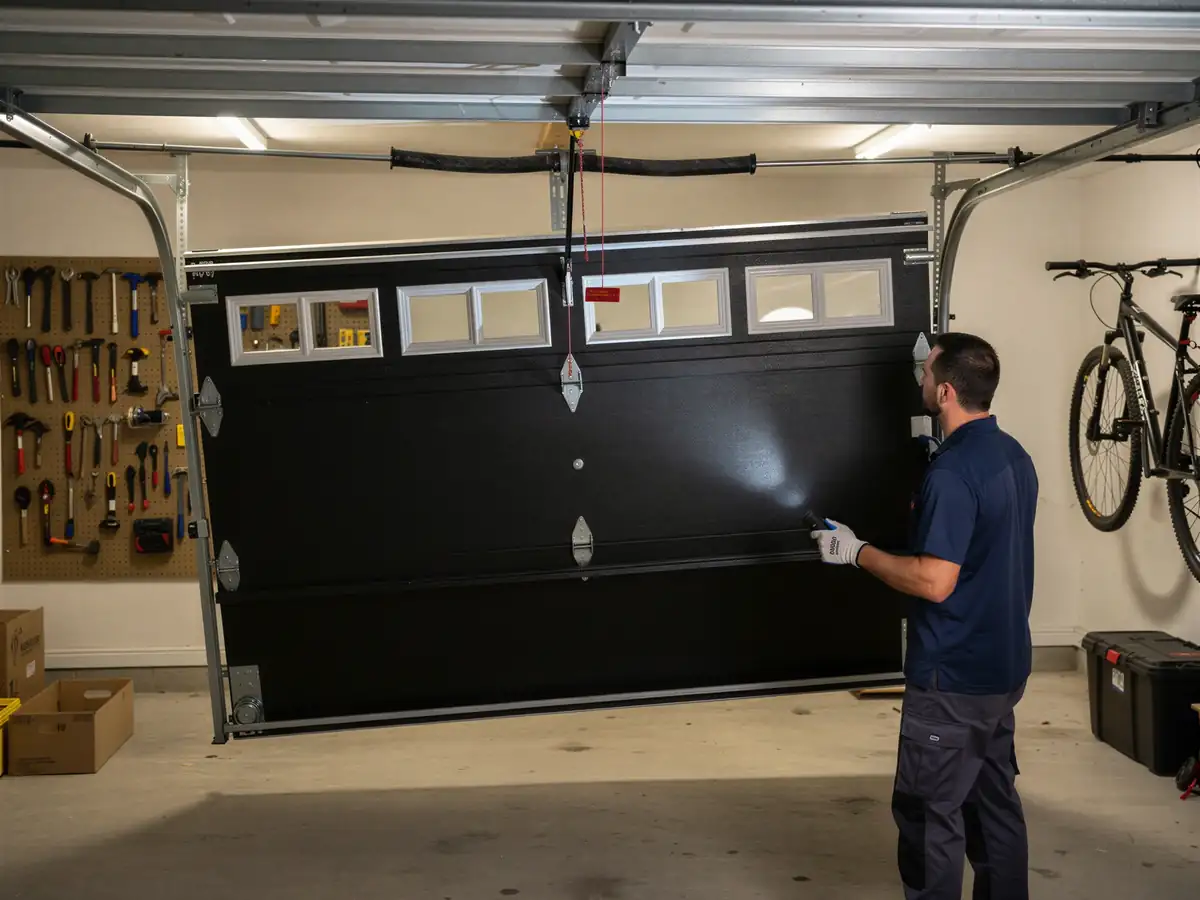
The door looks crooked when it's halfway open, hanging lower on one side than the other. That's one cable holding more load than it should while the other has already given up some of its strands. You might hear a loud pop or snap, followed by the door dropping fast and unevenly, sometimes jamming in the track on one side.
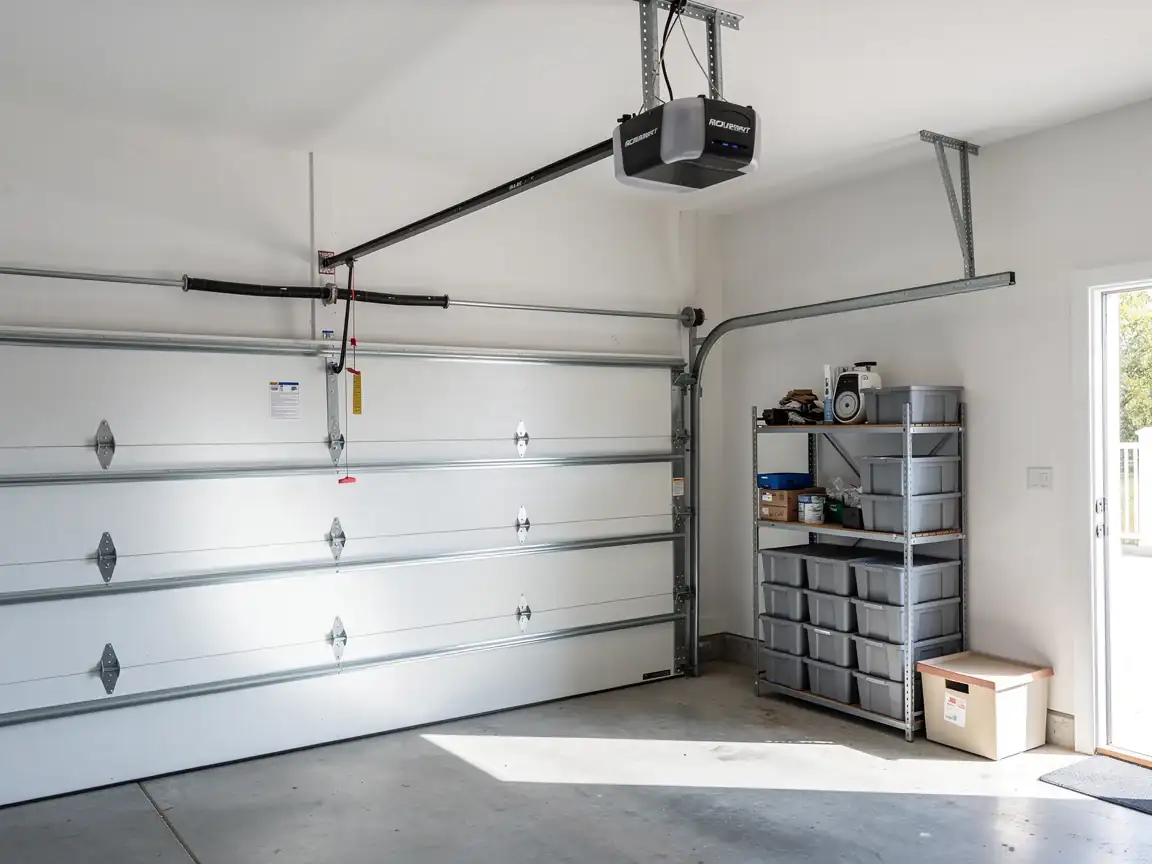
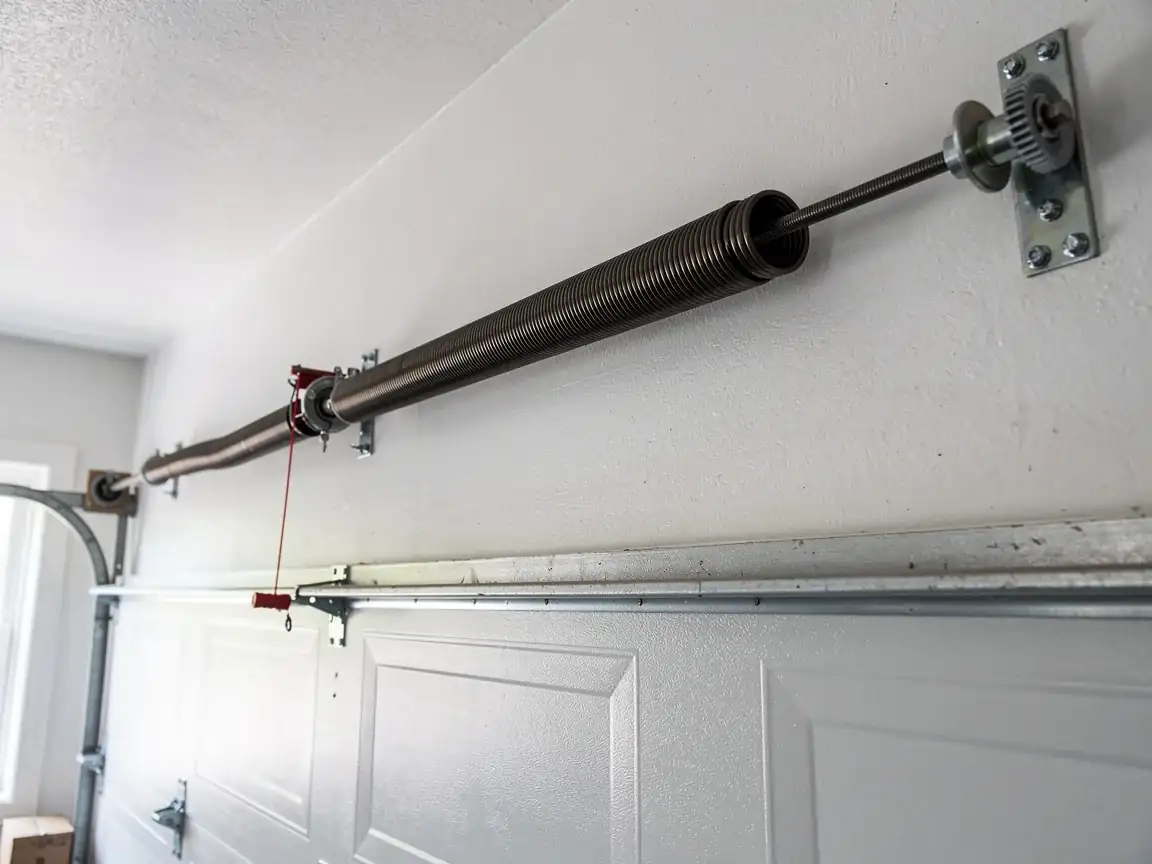
On torsion setups, you'll sometimes see the cable has jumped off the drum entirely and bunched up near the bottom bracket - that's a sign the cable itself failed, not just stretched. On older extension-spring doors, which are still common in the 1960s-era stock here, a frayed cable near the pulley is the usual warning sign before a full break.
A door that won't budge, with the opener straining and clicking, is also consistent with a snapped cable - the opener isn't built to lift a door with no cable tension on one side, so it just labors or reverses. None of these symptoms mean the opener itself is bad. They mean the cable side of the system gave out, which is a mechanical problem, not an electrical one.
What the Fix Involves
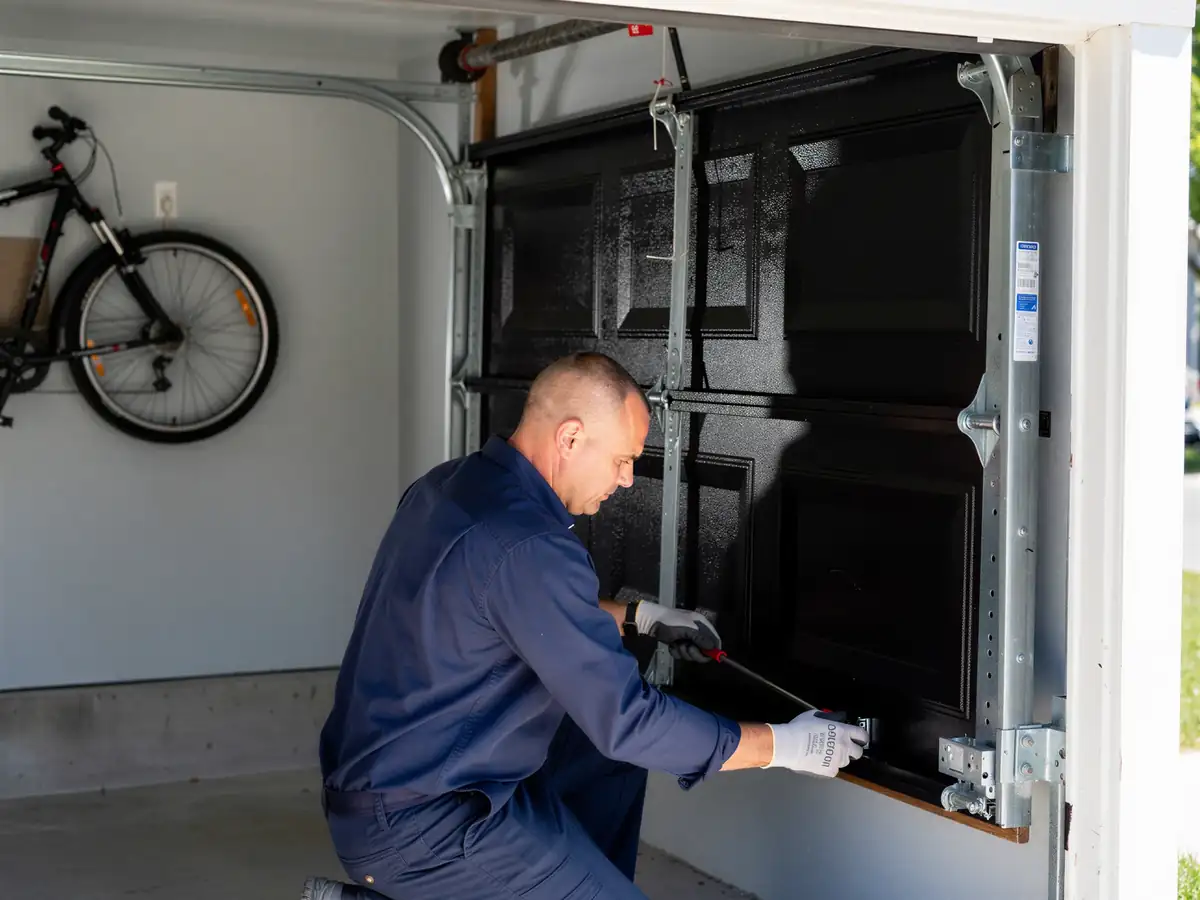
A cable repair starts with releasing spring tension safely
Since the cable and spring system share load and you can't work on one without controlling the other. We pull both cables as a pair, even if only one failed, because the other one on a door from the same era is usually close behind it on wear.
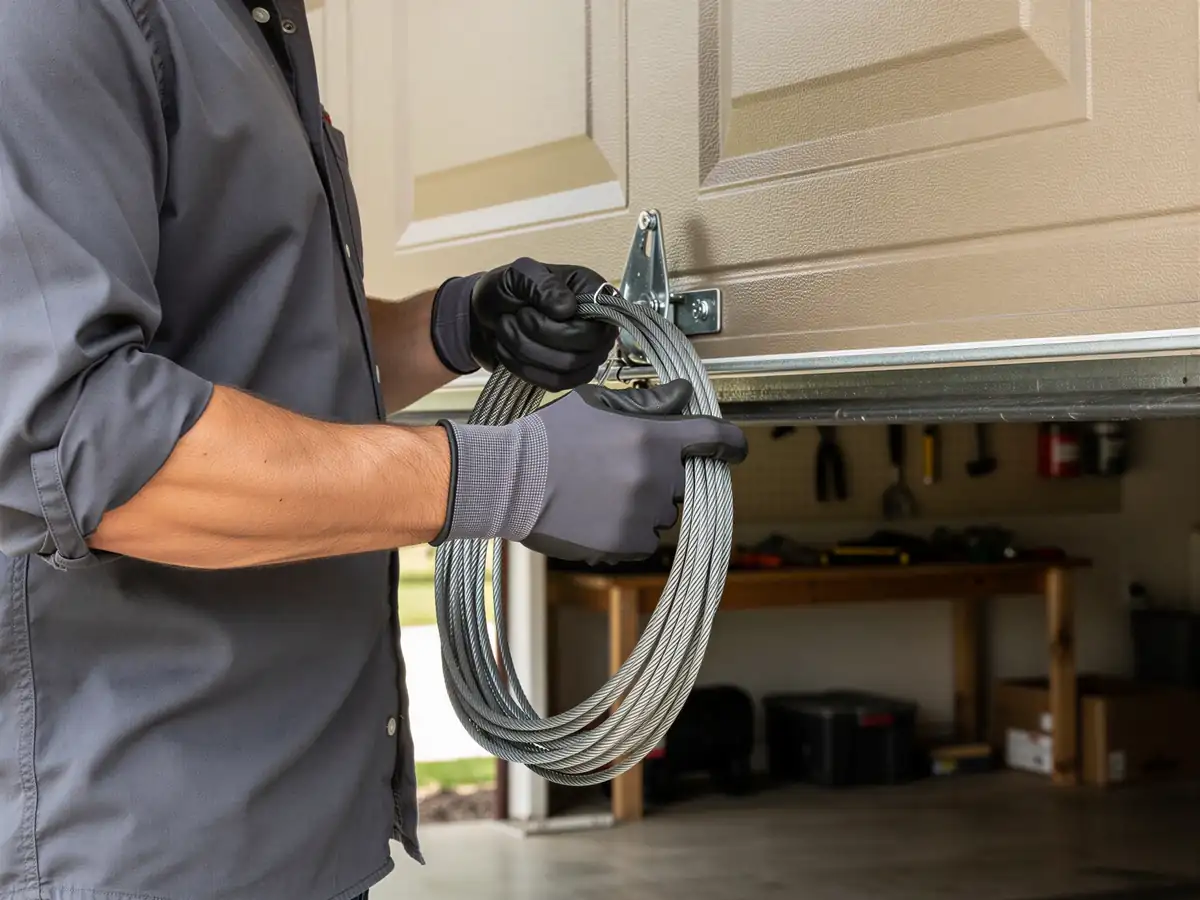
We match the cable gauge and length to the drum and door weight, not just swap in whatever's on the truck
A cable sized wrong for the door puts the same strain back on the system in a year. We also check the drums, bottom brackets, and track alignment while we're in there, since a cable that snapped from friction against a bent track will snap again if the track isn't straightened first.
Honest limitation: if the drums are grooved or the torsion shaft is bent from the cable whipping loose
Cable replacement alone won't hold. That's a bigger repair, and we'll tell you straight if that's what we're looking at rather than replacing cables that are going to fail again in a month.
The Cost of This Job
We don't post a flat number here because cable jobs vary more than people expect - a single-cable swap on a standard door is a different job than a full pair replacement with drum work or track correction. Door weight, spring type, and whether the drums took damage all factor into the labor and parts involved.
With median household income across the service area at $61,139 and most households here owning rather than renting, we hear from a lot of folks weighing a cable repair against other home maintenance. A cable repair is almost always the cheaper path compared to letting it go until the spring or drum fails too, so catching it early is where the real savings are.
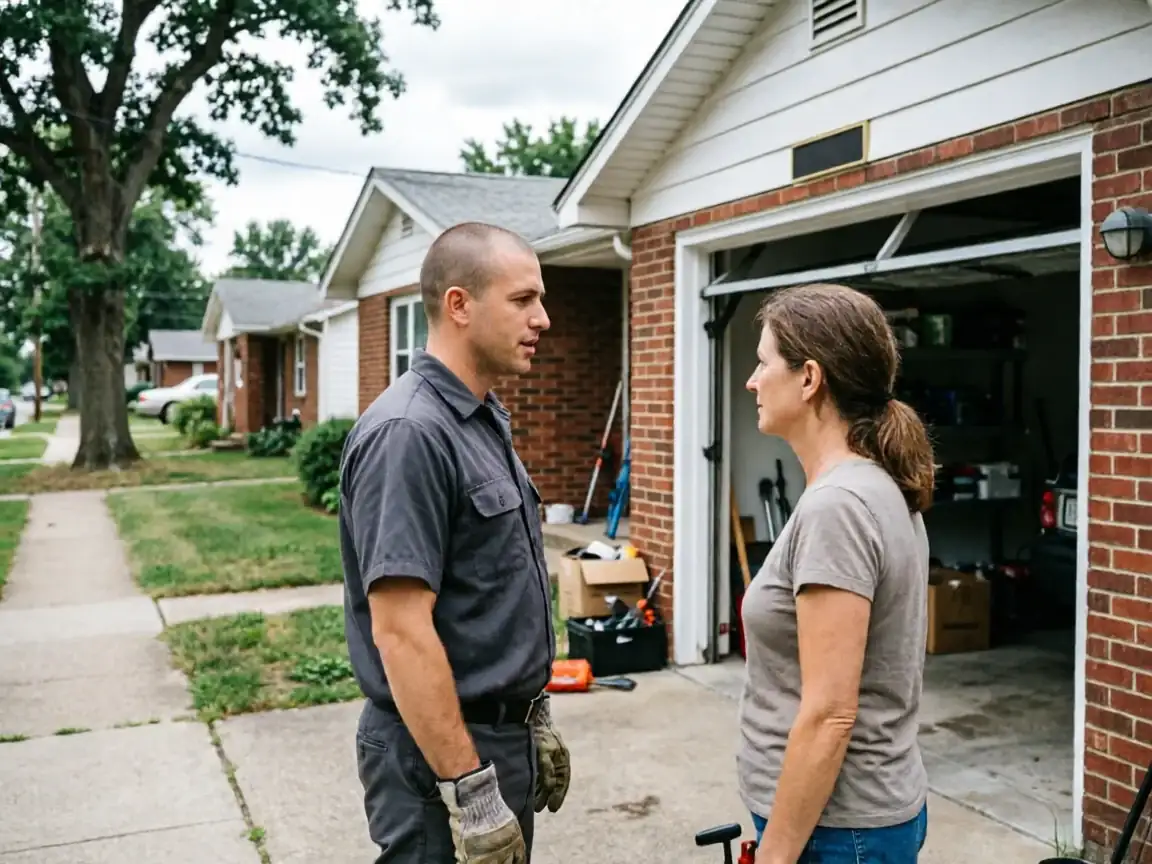
Call and describe what you're seeing - a crooked door, a loud pop, a jammed track - and we can give you a realistic range before a truck rolls, based on what you describe and the age of your setup.