What to Look At First
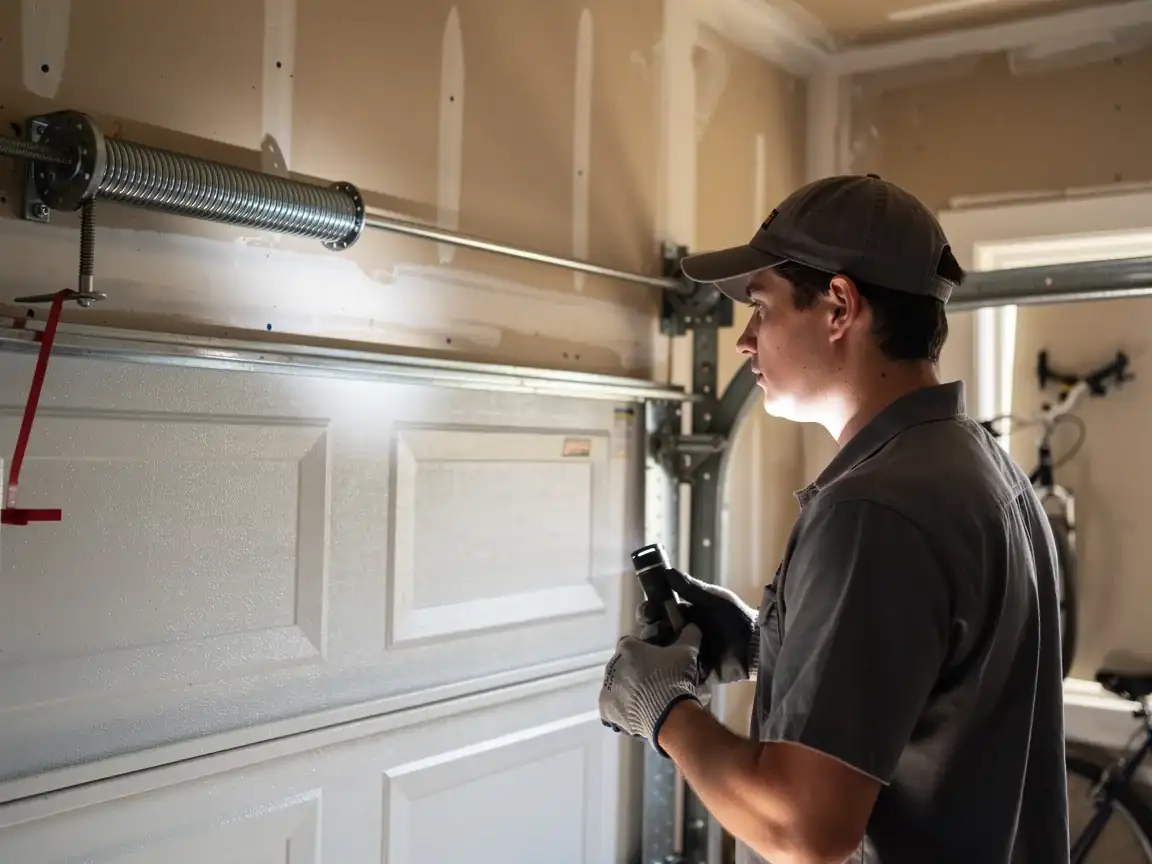
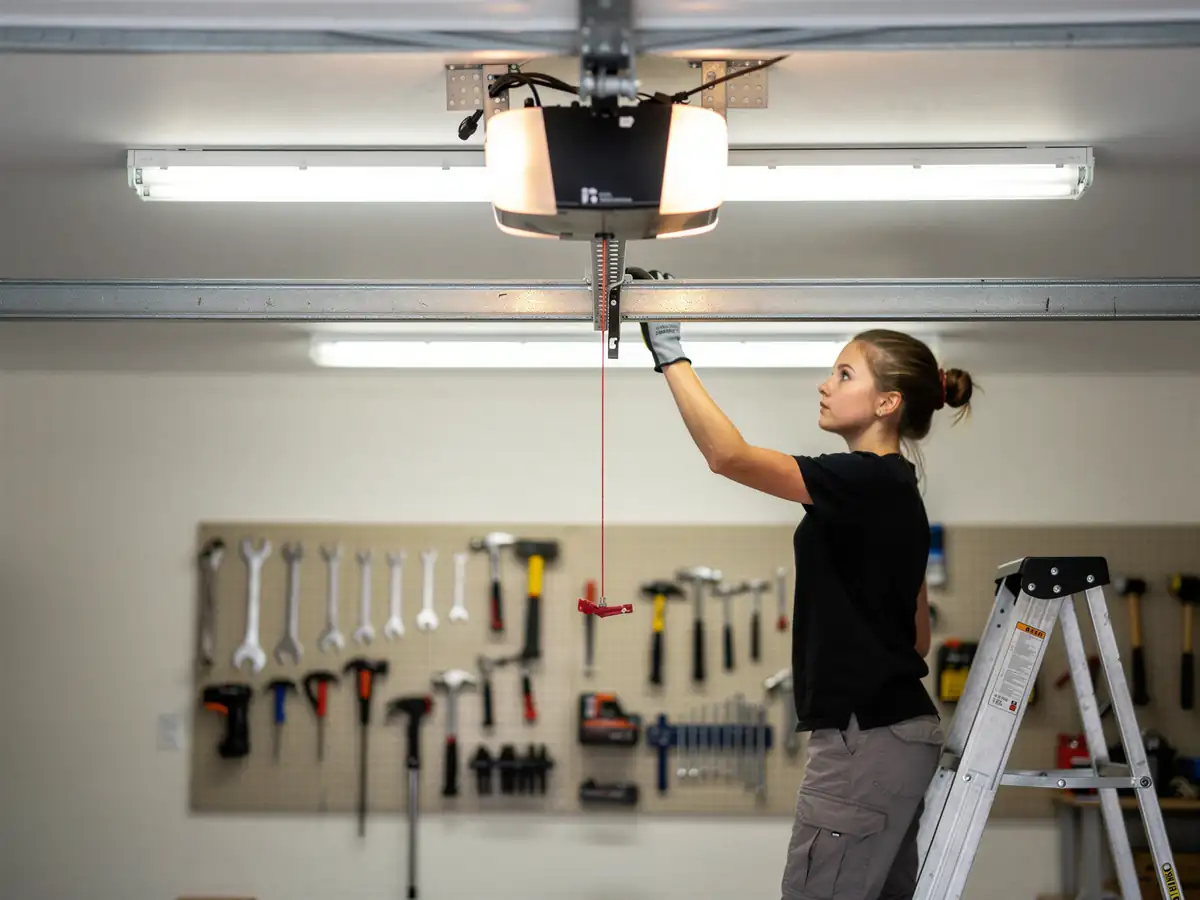
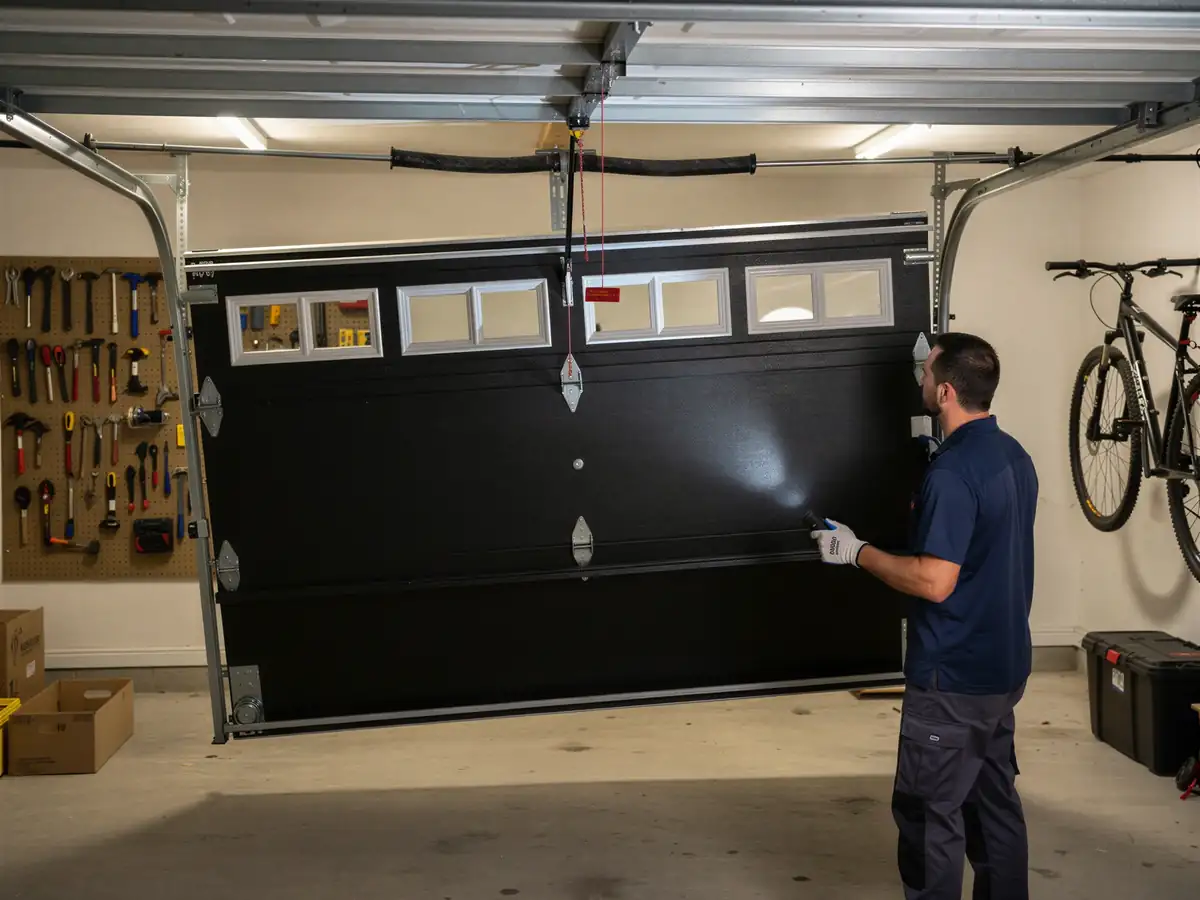
Before you call anyone, open the door by hand with the opener disconnected. If it's heavy, uneven, or won't stay up on its own, that's spring tension, not the opener - a common finding in this area given how much of the housing stock here dates to 1938-1969, with a median build year around 1964. Doors from that era were often installed with hardware nobody stocks new anymore: narrow-track rollers, lighter-gauge torsion springs sized for a thinner panel than what gets sold today.
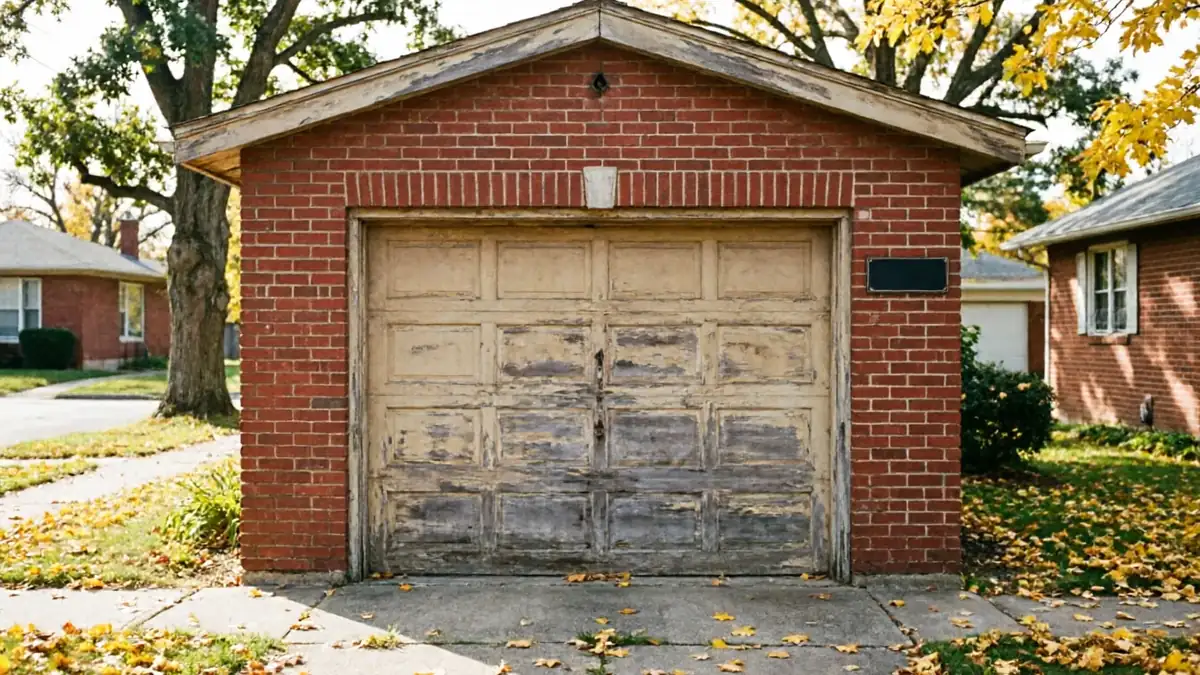
Check the panels themselves next. Steel doors from the 1960s-70s push, which make up most of the stock across the four main areas we work in, tend to show rust at the bottom corners first, especially where a door sits low to a concrete slab that's settled unevenly over sixty years. Run your hand along the bottom panel edge. If it flexes or the steel feels thin, that's a different conversation than a spring replacement.
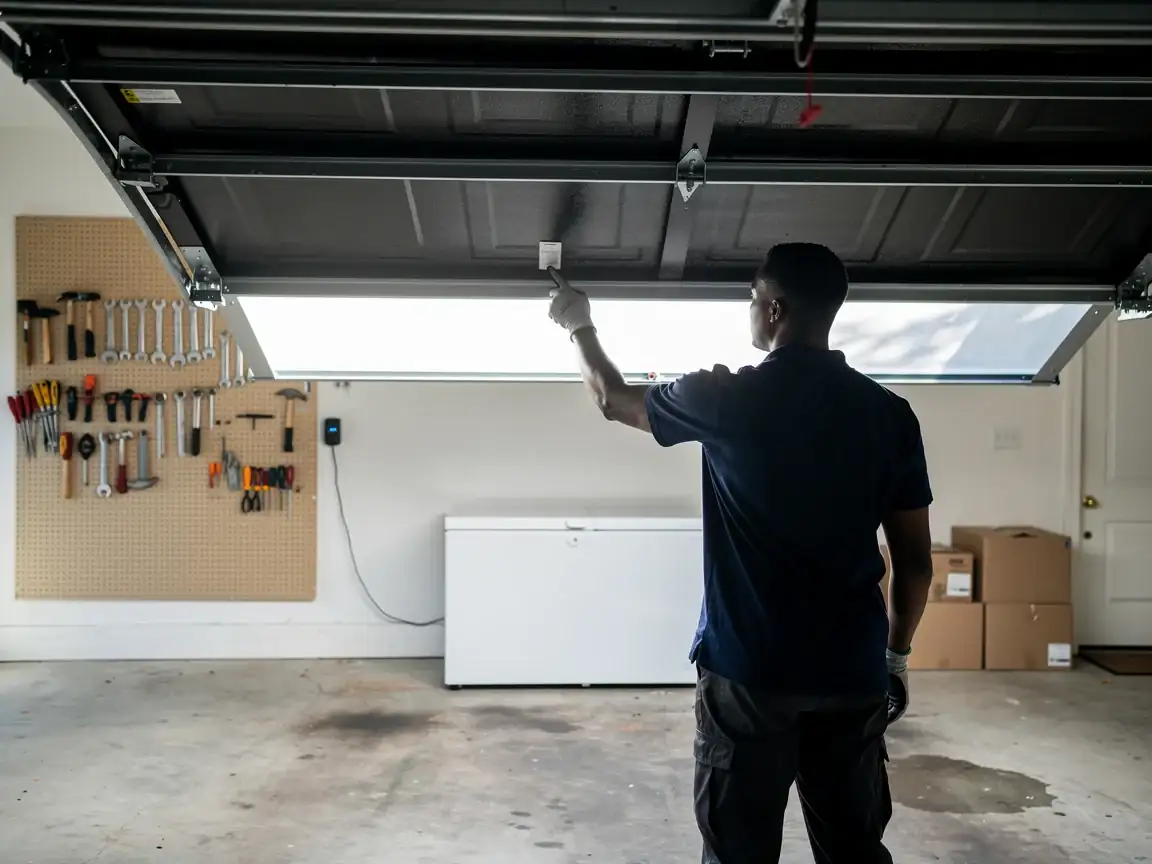
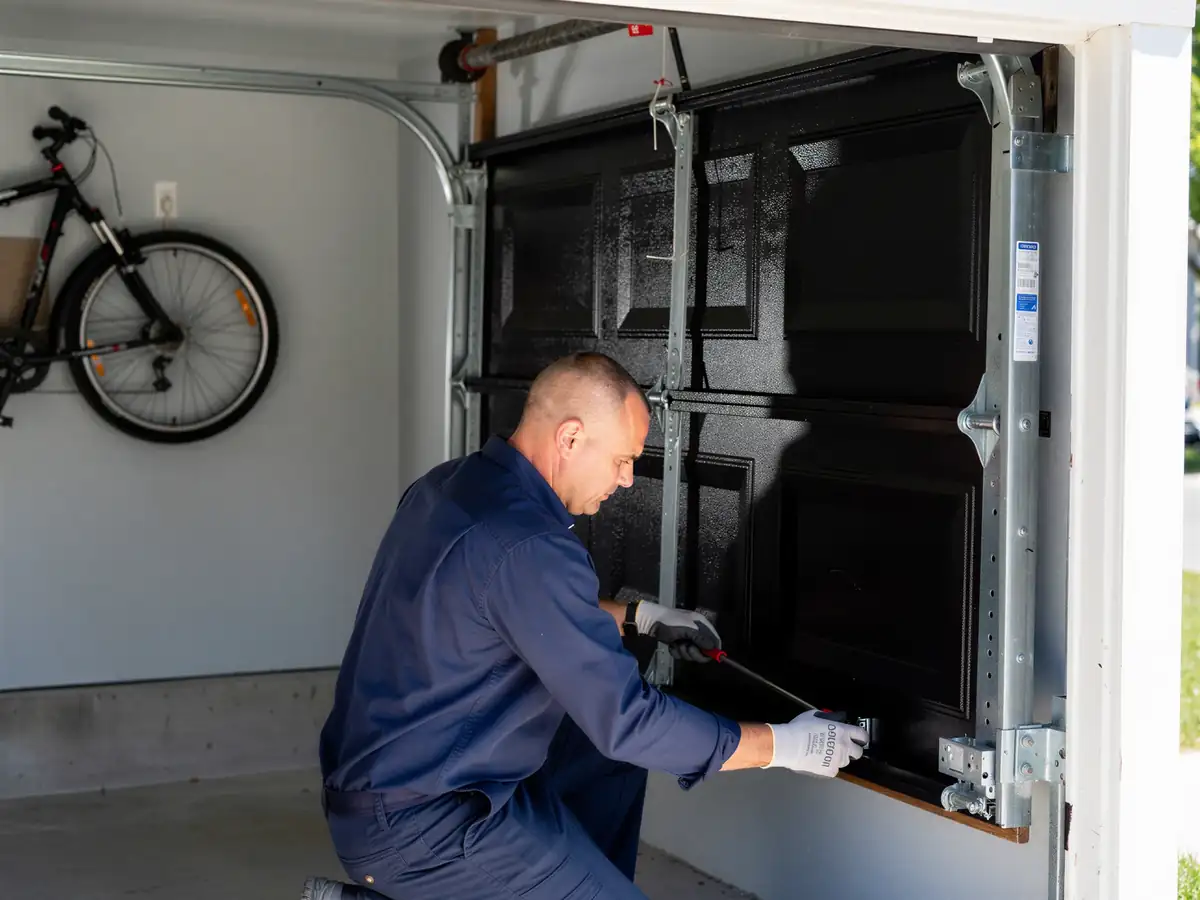
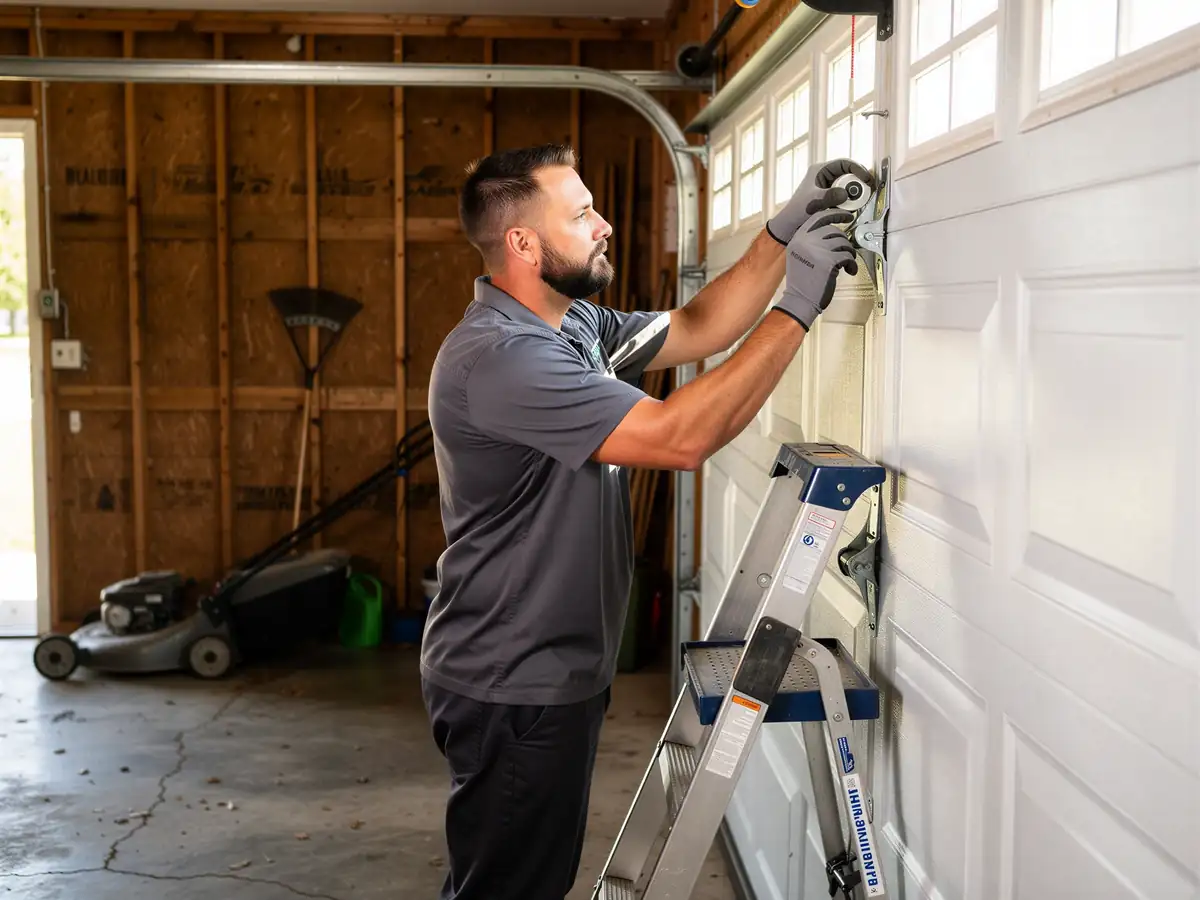
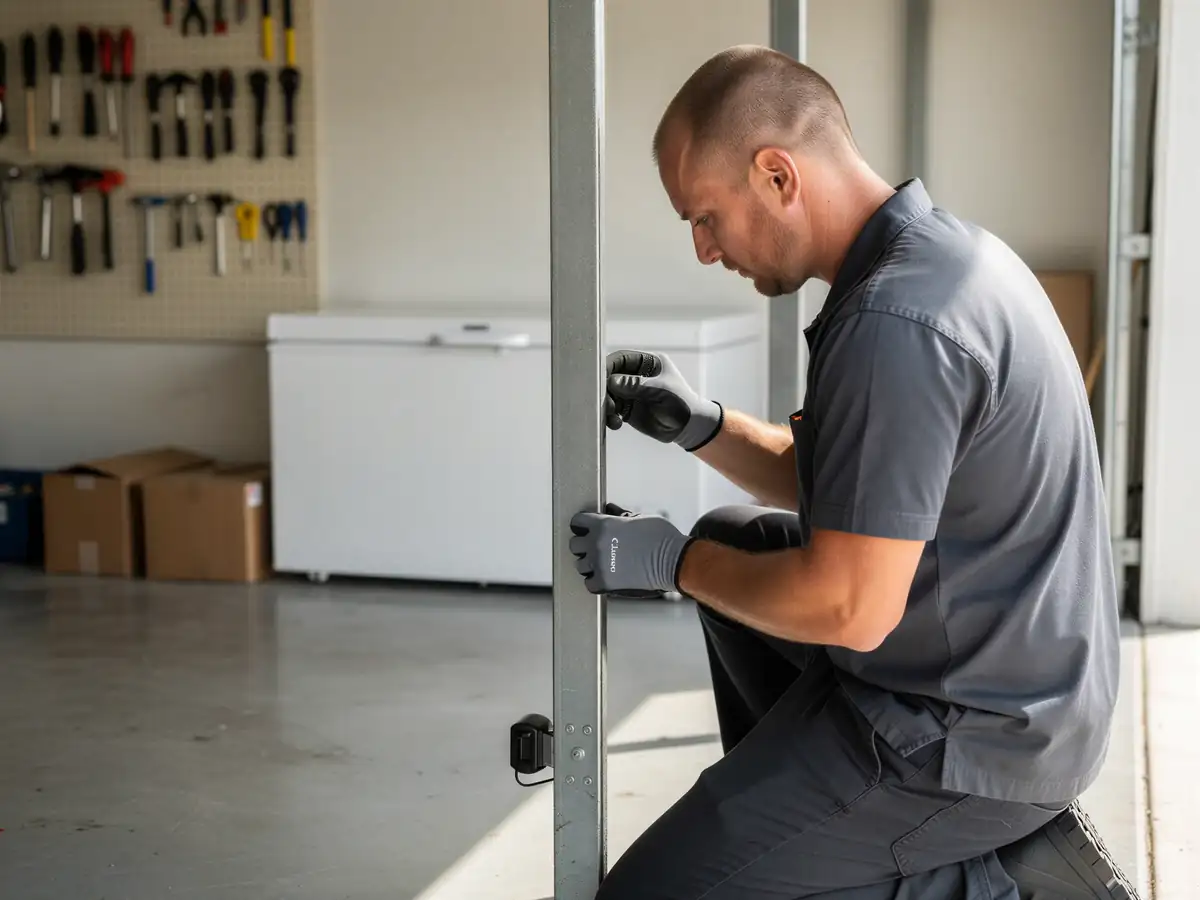
Last, look at the track mounting. On original installs from this build era, the horizontal track is often bolted directly to framing that's shifted slightly with the house. A door that binds halfway up usually means the track needs re-aligning, not replacing - but you won't know which until someone's eyes are on it.
The Cost of This Job
We don't post a flat number here because what a door needs varies too much house to house in this area - a spring swap on original 1960s hardware costs less than replacing a rusted-through bottom panel, and both cost less than a full door replacement. What we can tell you: median household income across the service area sits at $61,139, and most of the roughly 1,076 households here are owner-occupied houses (about 720 of them), which tells you this is a town where people fix what's fixable rather than default to full replacement. That's the right instinct more often than not with doors from this build period - the frames and openings are usually sound even when the panel or springs aren't.
Where it stops making sense is when the door itself is the problem, not a part. A steel panel rusted through at the bottom, or a wood door from the original build run that's delaminating, usually costs more to patch twice than to replace once. We'll tell you straight when a repair is a stopgap, because that's a conversation worth having before money changes hands, not after.
How Local Conditions Play In
This area sits in a moderate cold climate band
Which matters for garage doors in a specific way: it's not extreme enough to crack seals outright the way a harsher winter climate would, but it's enough freeze-thaw cycling over a sixty-year-old house to work metal fasteners loose and dry out old weatherstripping. If your door whistles or you can see daylight at the bottom seal in winter, that's age and climate working together, not a single bad part.
Spring steel also behaves differently in cold
A torsion spring that's been fine for years can snap on a cold morning simply because the metal's lost flexibility, especially if it's original to a house built decades ago. We see more spring failures in the first real cold stretch of the season than at any other time, and on housing this old, that's often the original spring finally giving out.
The Problem
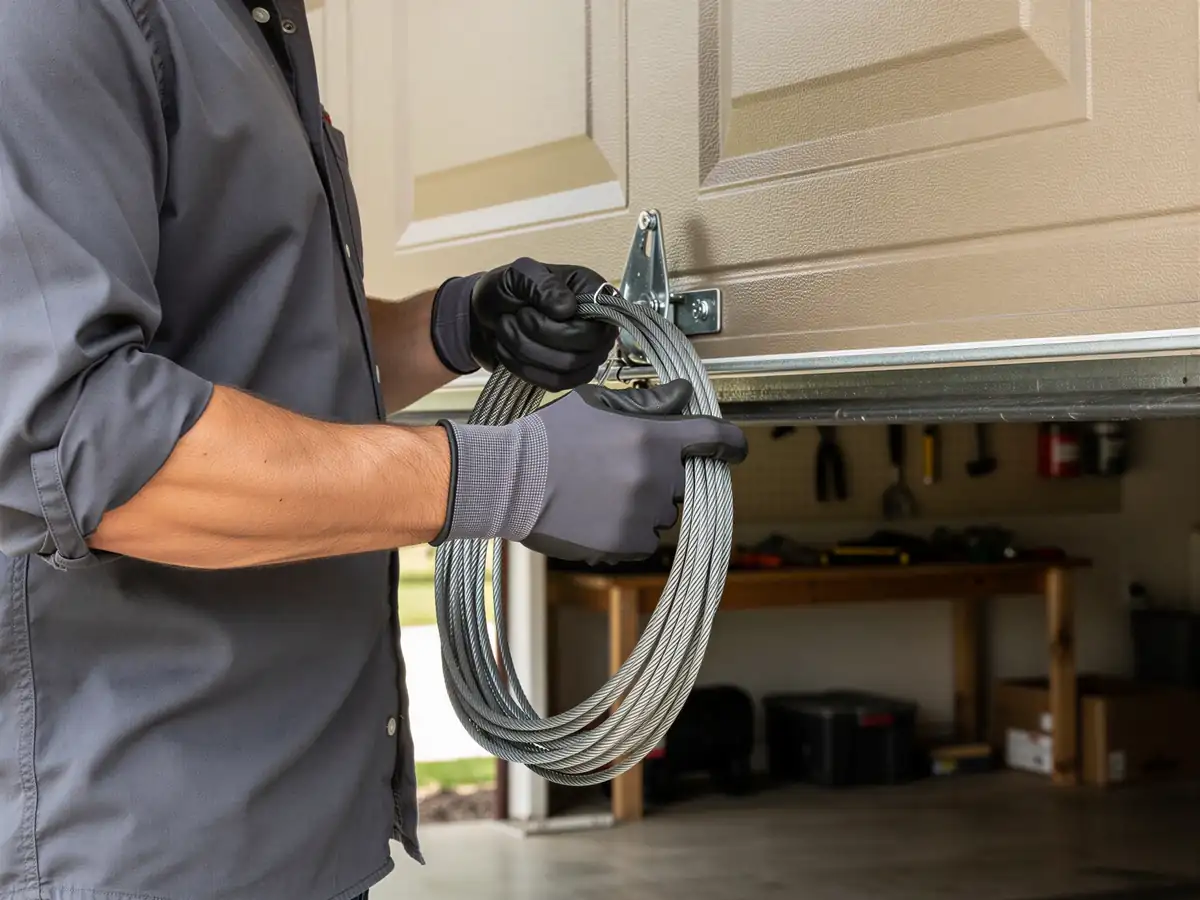
The honest problem with doors on housing from this build era is that replacement parts for the original hardware are getting harder to source. A spring, roller, or track bracket sized for a 1960s install doesn't always match what's sold today, and that means some repairs take longer than a same-day fix because the right part has to be ordered rather than pulled off a shelf. We'll tell you that up front rather than let a job drag without explanation.
The other side of it: not every door on an older house needs full replacement just because the hardware is dated. Plenty of these doors have good steel and sound track, and a repair with a modern-equivalent part will outlast the original. We'd rather fix what's fixable than sell a door that doesn't need selling.