What to Look At First
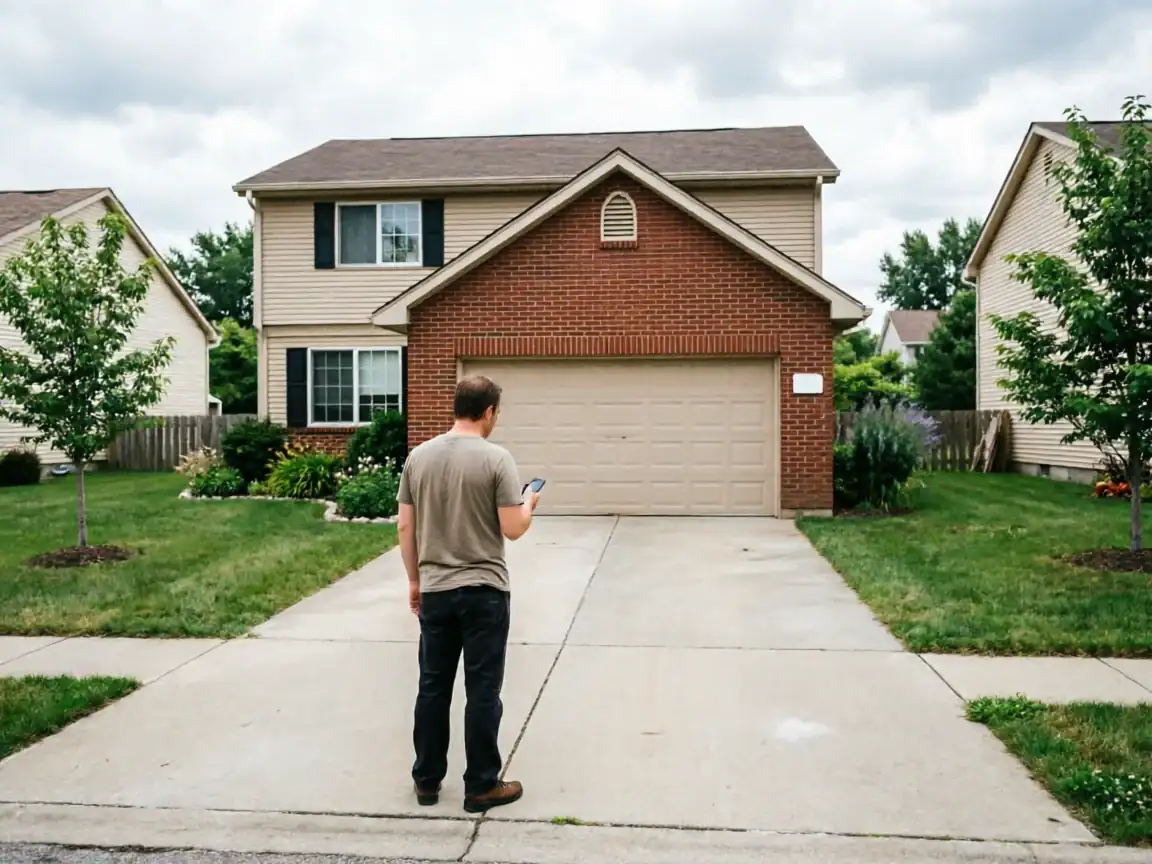
Start with the opener's age, not the door. Quincy's housing stock skews old - most of the service area was built between 1938 and 1969, with a median build year of 1964, and the four main pockets of homes here are still mostly their original 1960s-70s construction. That matters because a lot of these garages still run the opener that came with a remodel decades ago, not the house's original hardware, but either way it's old enough that the logic board and the battery backup (if there's one at all) are past their working life.
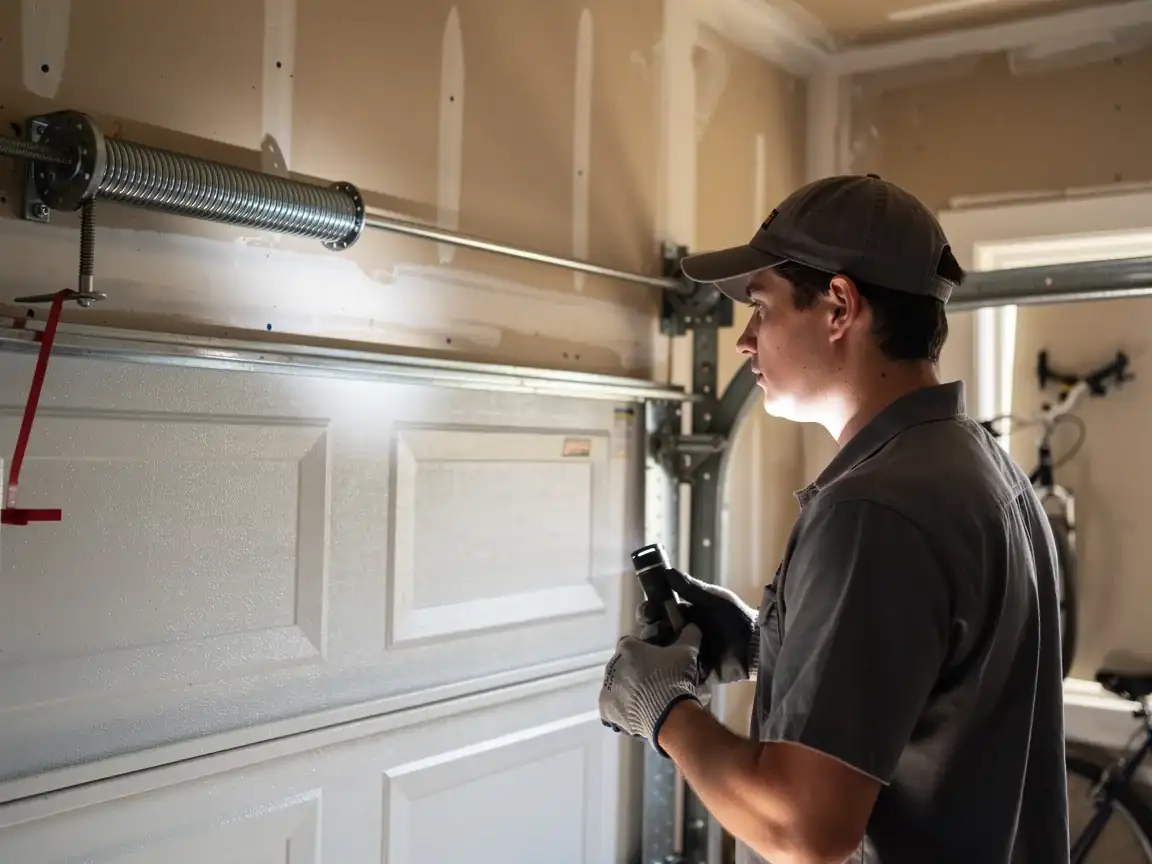
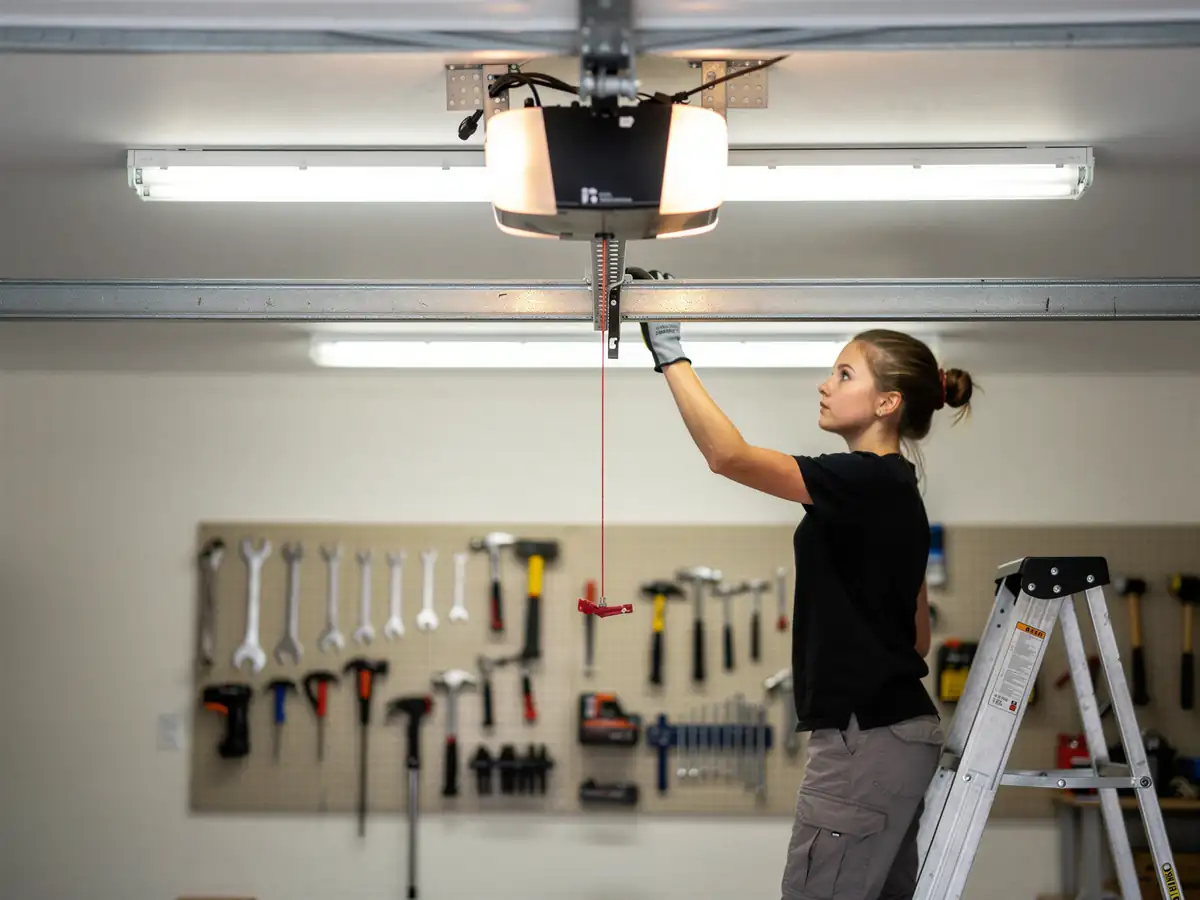
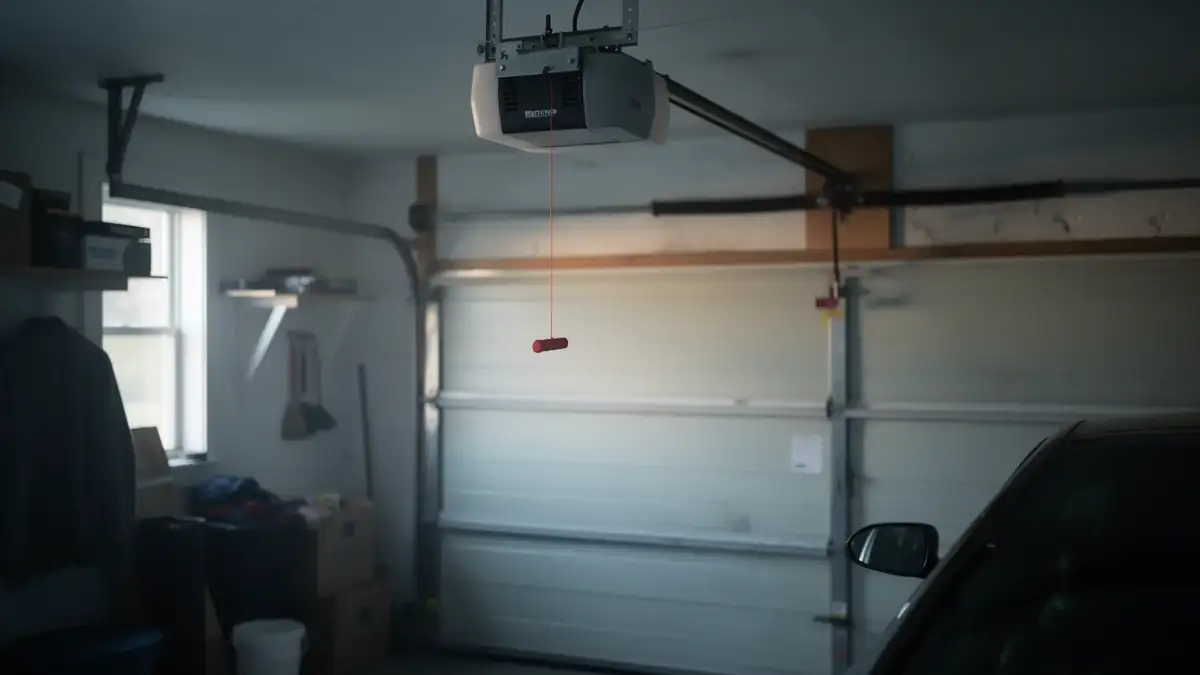
Check whether there's a battery backup unit on the opener housing at all. A good share of Quincy garages have none, which means a power cut doesn't just stop the opener - it locks the door shut or open with no warning, unless someone knows where the manual release cord is. Pull the cord once now, while the power's on, so you know it still disengages the trolley smoothly. If it binds or the door drops hard when you pull it, that's a spring problem hiding behind what looks like an opener problem, and it needs a different kind of attention before you touch the opener itself.
The Cost of This Job
We don't post a flat number here because the job splits two ways and they cost differently. Swapping a dead opener for a new one with a battery backup is a parts-and-labor job with a predictable range. Rewiring or rerouting power to a garage that was never built to code for it - common in houses from the 1938-1969 era, where the garage was often added or converted after the main house wiring went in - is a different, bigger job, sometimes one that needs an electrician alongside us.
With median household income in the service area at $61,139 across roughly 1,076 households, most of the calls we get are homeowners trying to decide whether a battery backup add-on now is worth it versus waiting for a full opener replacement later. Honestly, if your opener is already struggling - slow to close, chain slipping, remote range shrinking - don't spend money on a backup battery for a unit that's on its way out. Replace the whole thing once and skip the second trip.
How Local Conditions Play In
Quincy sits in a cold-moderate climate band
And cold is harder on garage door electronics than most people expect. Battery backups lose a real chunk of their rated runtime once the garage drops into winter temperatures, so a backup that's supposed to carry you through a few hours of outage might give you less than that on a January night. Opener motors also respond slower in cold garages - the gear and chain drag more, which can look like a failing opener when it's really just cold grease and a motor working harder than it should.
Condensation is the other piece
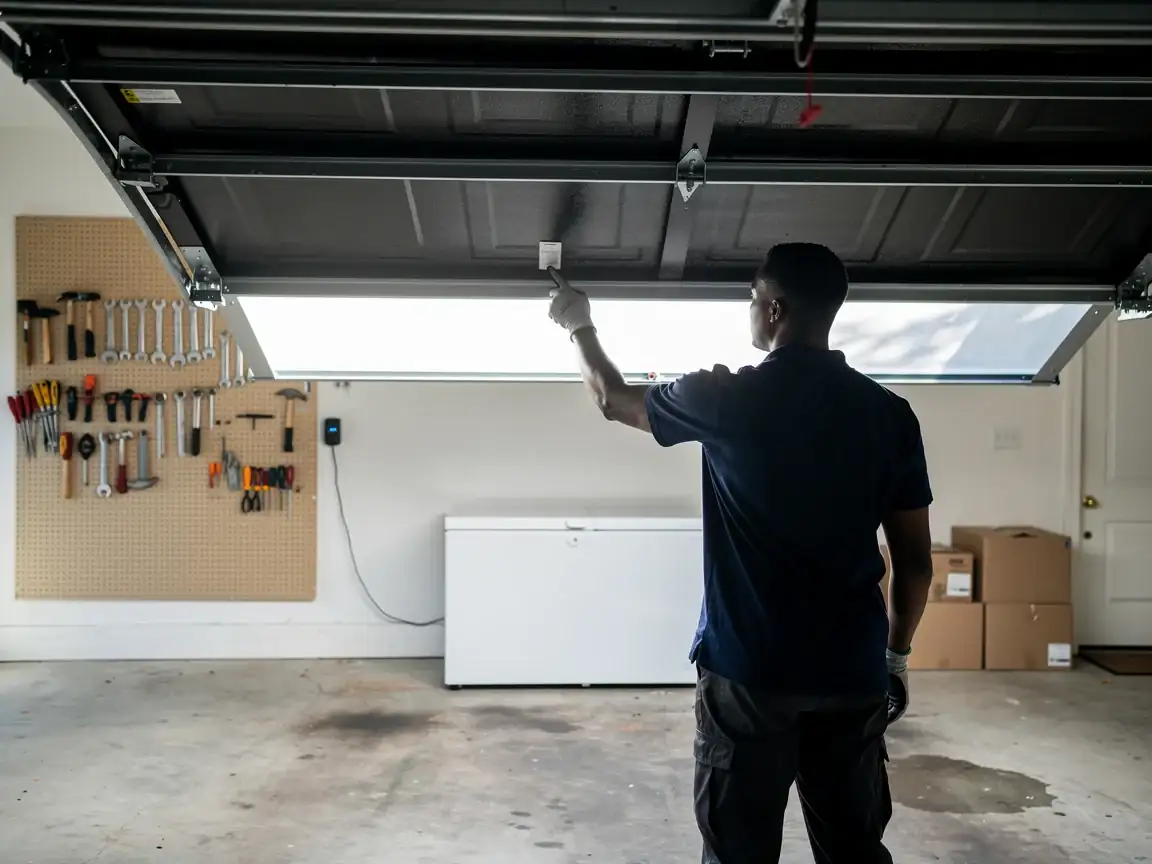
In an unheated garage, photo-eye sensors near the floor can fog over on cold mornings, which trips a safety reversal and makes the door refuse to close even though nothing's actually broken. That's a five-minute wipe-down fix, not a repair call, but it gets mistaken for one constantly this time of year.
The Problem
Put the two things together - old housing stock and a climate that's unkind to electronics - and you get a specific, recurring call pattern here: a power cut hits, the opener has no backup or a weak one, and the homeowner doesn't know the manual release is right there on the trolley rail. By the time we get the call, it's often not a repair at all, just someone who's been stuck for a day assuming the door is broken.
The actual fix is almost always the same two things: know where the release cord is before you need it, and decide ahead of time whether your opener's age justifies a battery backup or a full swap. We can't tell you which without seeing the unit - an opener from a 1990s remodel and one original to a 1964-built house aren't the same job, even if they look identical from the driveway.