Why This Fails Locally
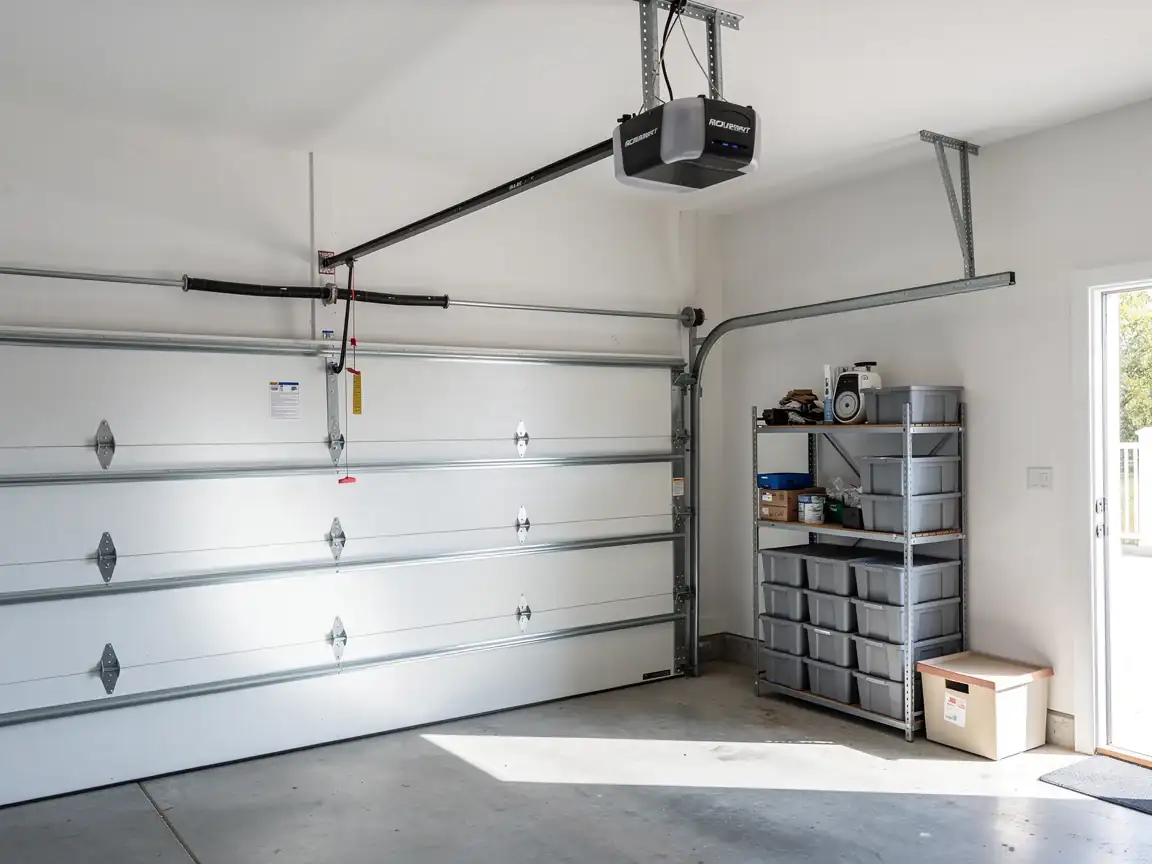
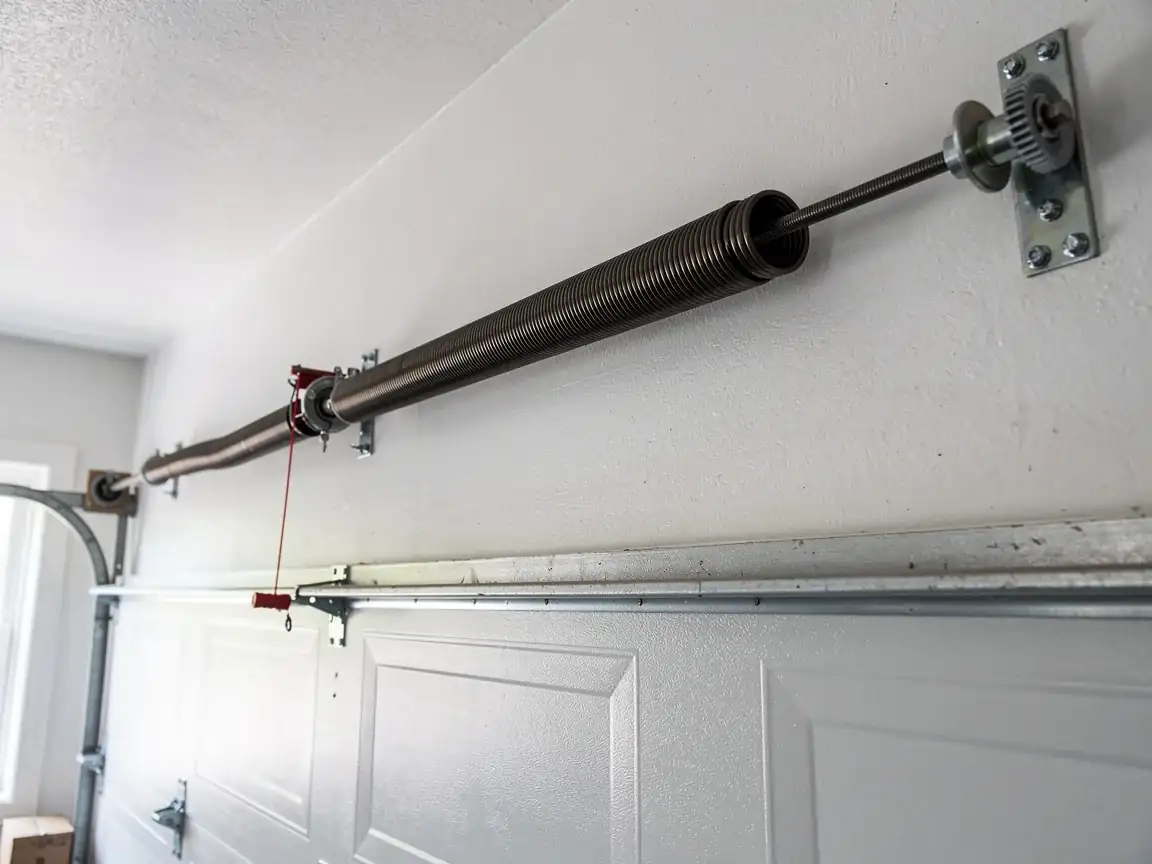
Most of the housing in Quincy's service area went up between 1938 and 1969, with the median build year landing around 1964. That means a lot of garages still running tracks, rollers, and hinges that are either original or were replaced decades ago with whatever matched the opening at the time. Steel track bent slightly out of true doesn't announce itself right away - it shows up as a door that binds, then skips a roller, then finally jumps the rail. Four named areas across the service territory share this same 1960s-70s housing stock, so this isn't a one-house problem, it's a neighborhood-wide one tied to when the garages were framed. Add in a cold moderate climate band, and you get metal contraction in winter that tightens tolerances on track brackets that were never perfectly plumb to begin with. A door that rides fine in August can bind in January because the gap between roller and track has shrunk just enough to catch. None of this means the door is junk - it means the track geometry and the hardware age are working against each other, and that combination is what pushes a door off its rails more often here than it would in a newer subdivision.
How It Shows Up
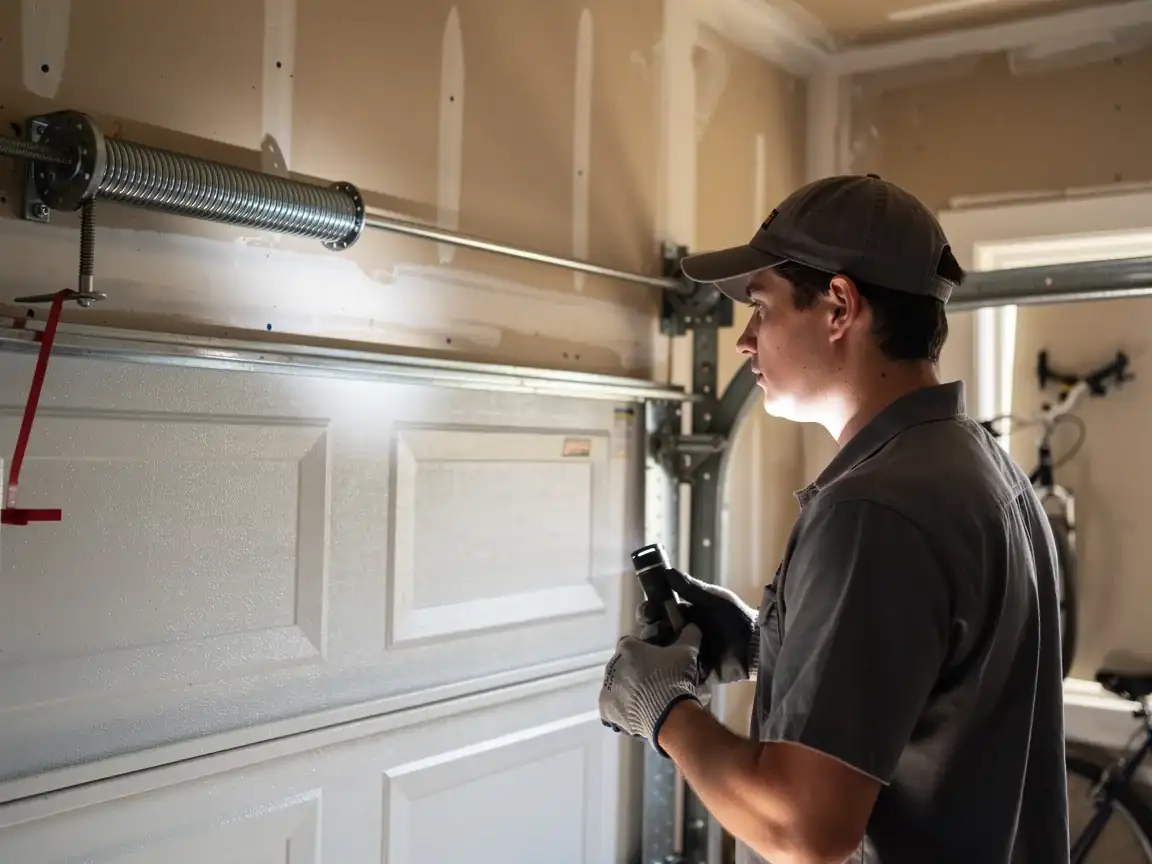
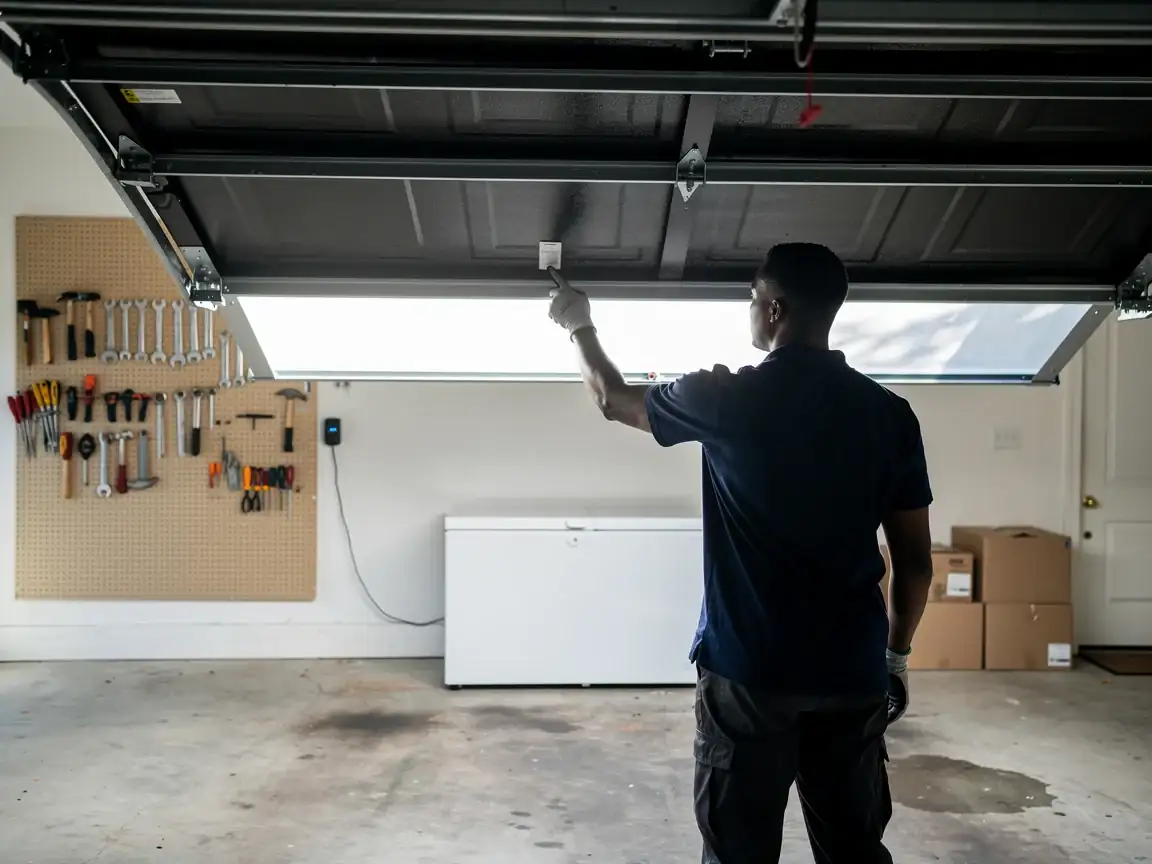
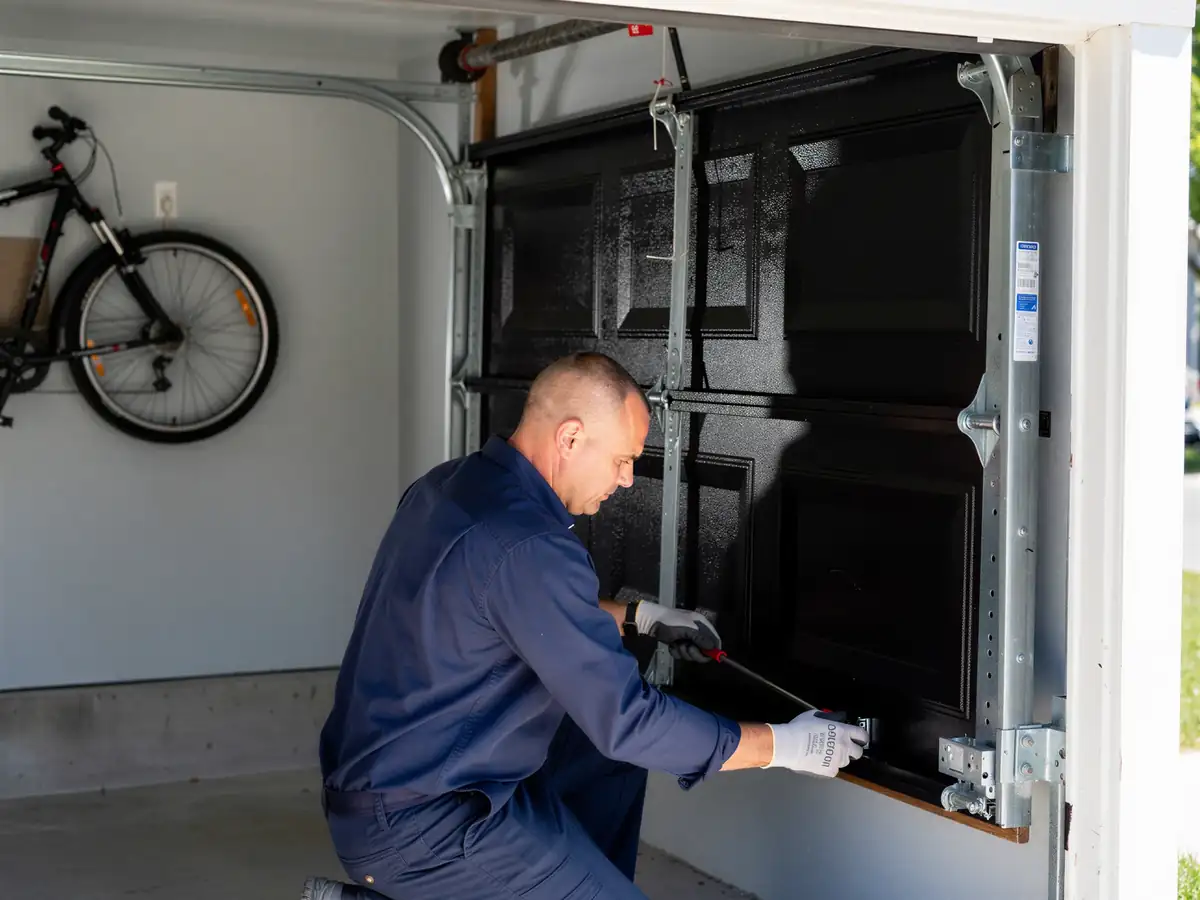
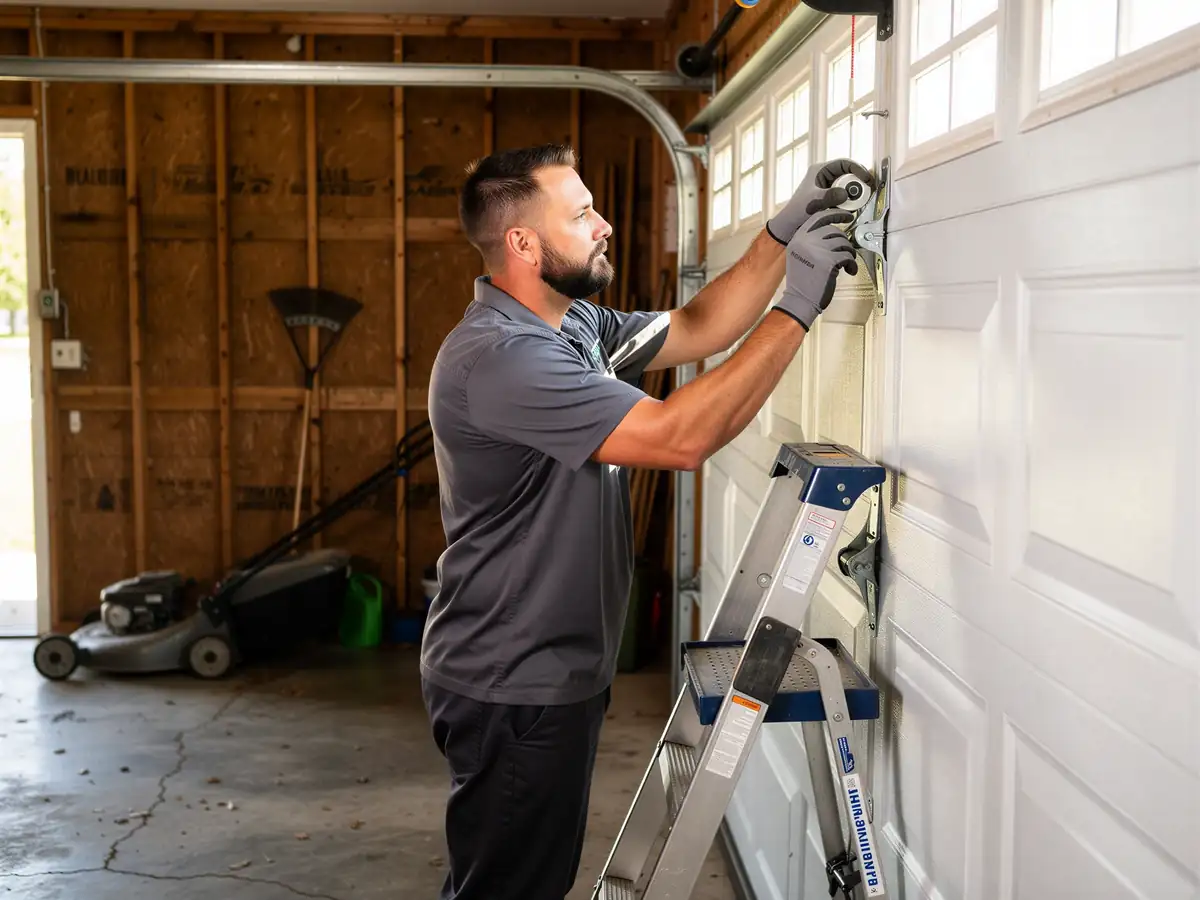
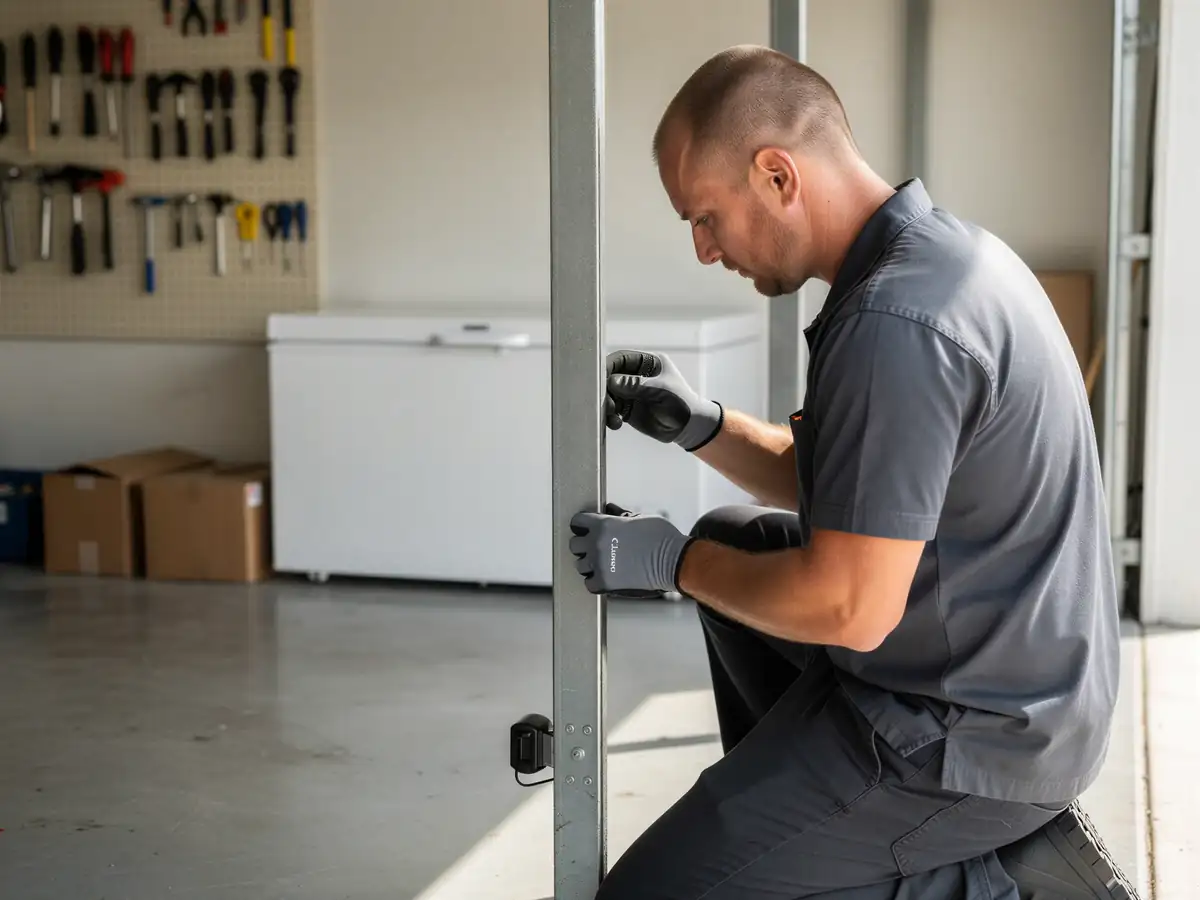
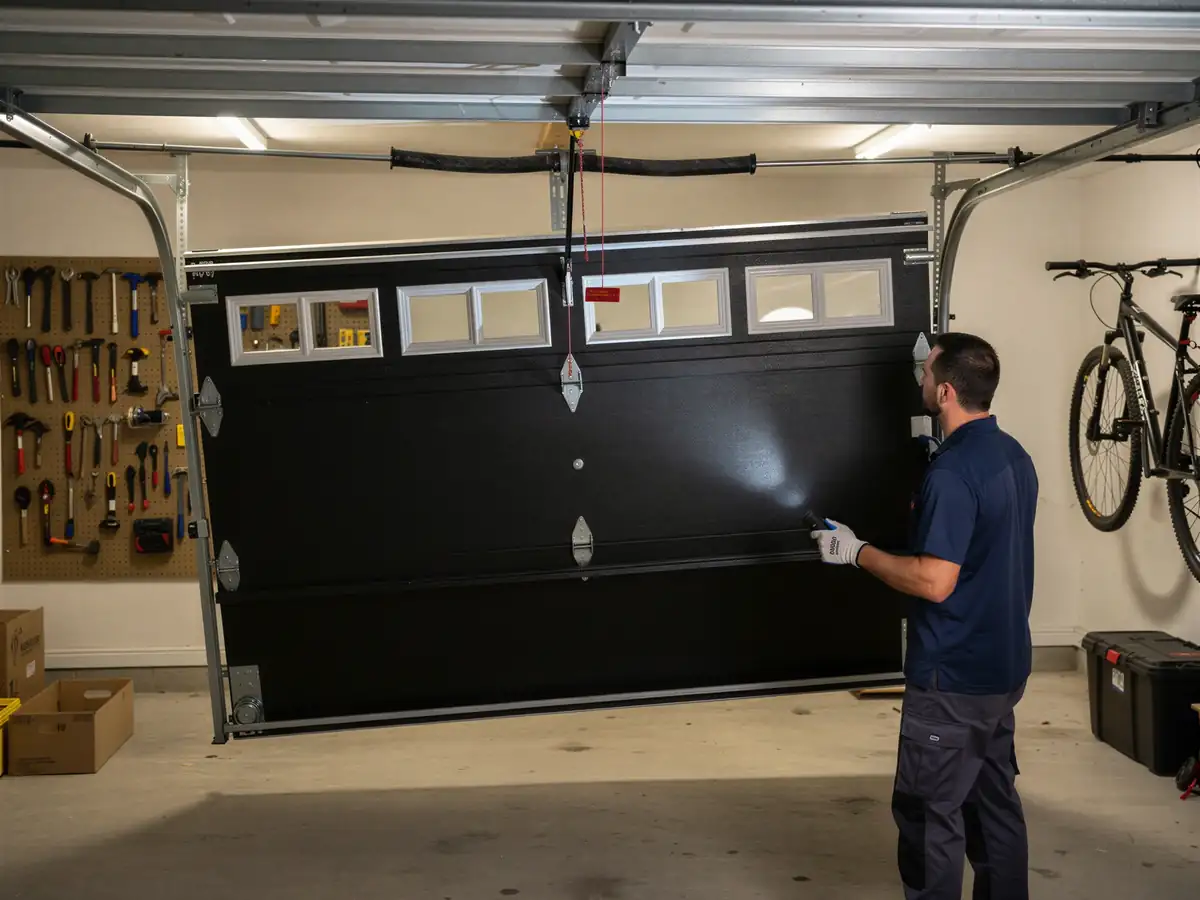
The most common version: the door looks mostly normal but one bottom corner sags, or there's a visible gap where a roller has popped out of the vertical track. Sometimes it's louder - a scrape or a bang partway through the cycle as a roller catches the edge of a bent section instead of rolling through it. On older one-piece or sectional doors with side-mounted hardware (common in the 1960s-era stock across this area), a knocked track bracket from a car bumper or a dropped item in the garage can throw the whole alignment off in one hit. Other times it's gradual - loose carriage bolts on the track brackets let the rail drift outward a little more each month until a roller finally slips free on a cold morning when the steel is tightest. A door that's off track will often still look closed from the outside, which is why people keep hitting the opener button and wonder why it won't budge, or why it grinds and stops. That grinding is the opener straining against a door that physically can't travel the path it's wired to expect.
The Cost of This Job
We don't have a flat number to post here because the honest range depends on what's actually wrong - a bracket re-level is a different job than a bent track section, and a door that's also lost a roller or two costs more than one that just needs re-seating. What we can tell you is that in a service area where median household income sits around $61,139 and most houses were built in the 1938-1969 window, we see a lot of repair jobs rather than full replacements, because the doors themselves are often still sound even when the track or rollers have failed. That keeps a lot of these calls on the repair side of the ledger rather than the replace side. If you're in Mendon, Liberty, Camp Point, or Kinderhook, the same housing-era logic applies even though each town has its own local page - the track and roller wear pattern doesn't change just because the drive is twelve, fifteen, eighteen, or twenty miles out.