What to Look At First
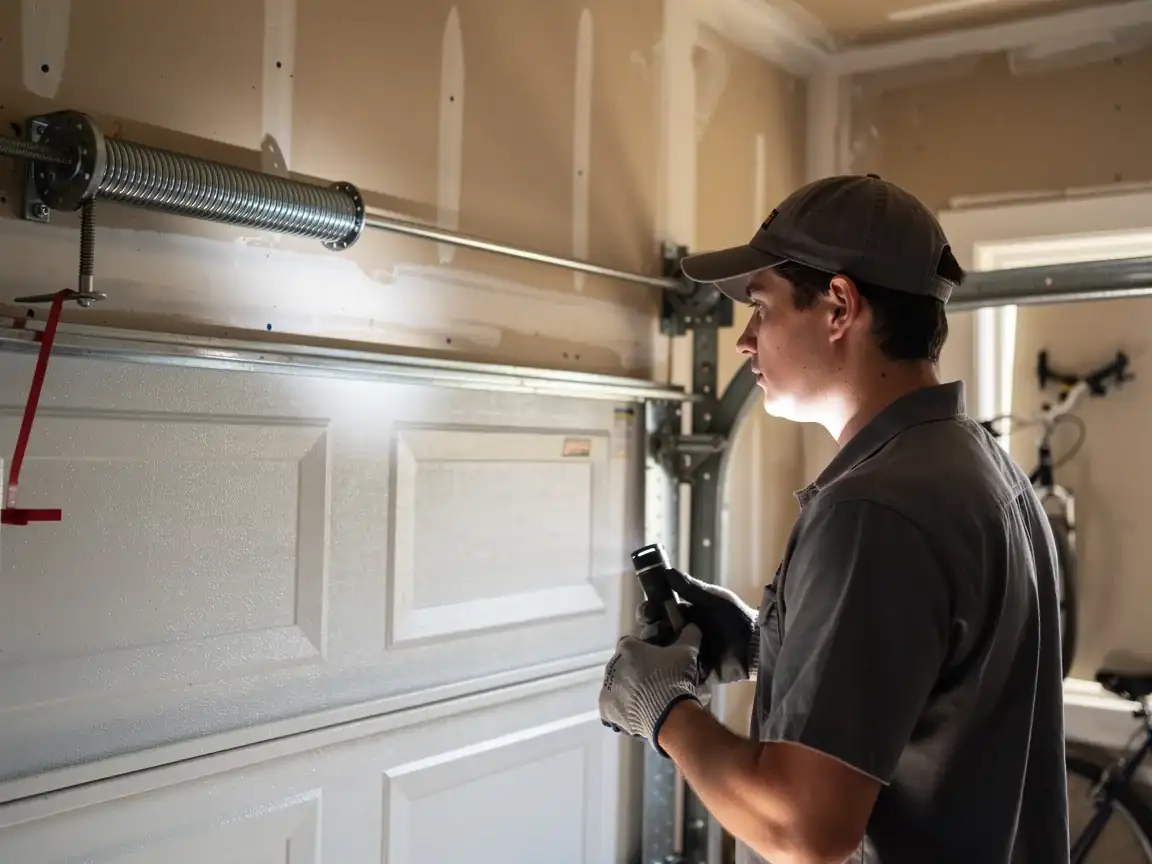
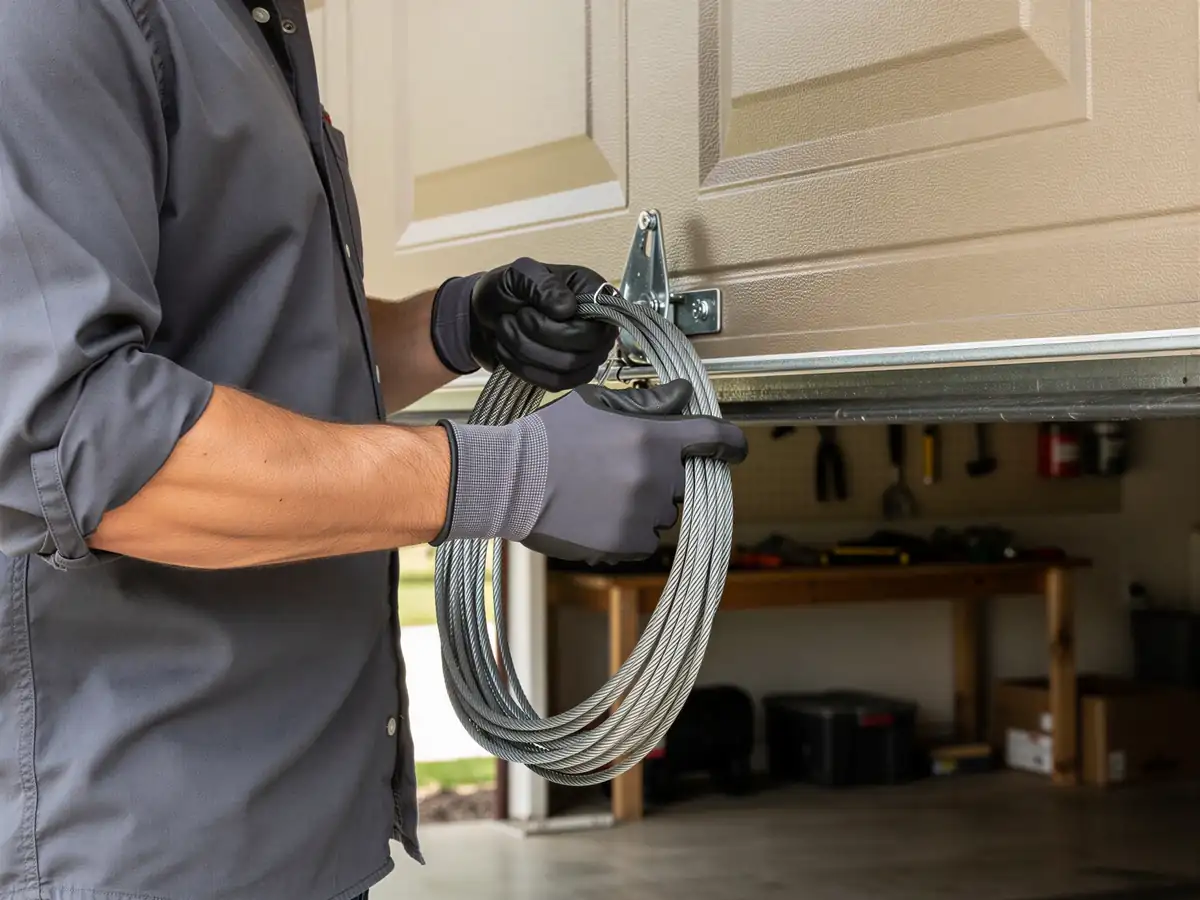
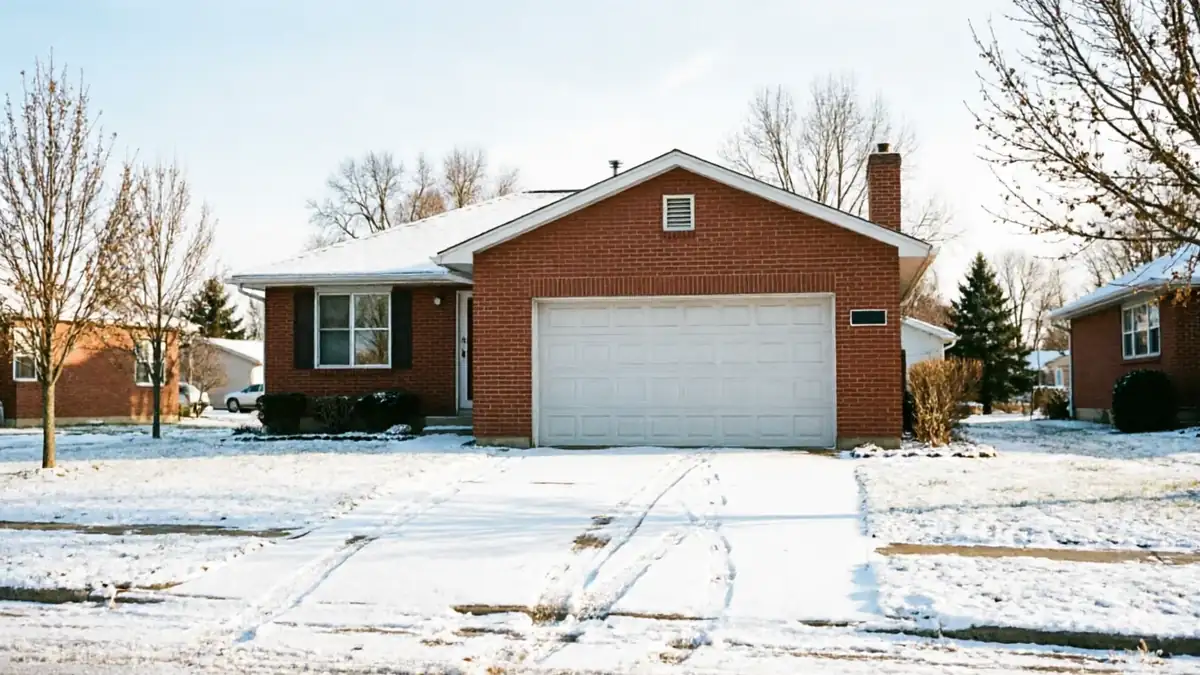
Start with the spring, not the opener. Most of the housing stock in this service area went up between 1938 and 1969, with a lot of it concentrated in the 1960s and 70s across the four main neighborhoods we cover. That means a big share of the doors still running out there are on original or first-replacement torsion or extension spring setups, and those springs are rated for a cycle count that's long since used up on a house this old.
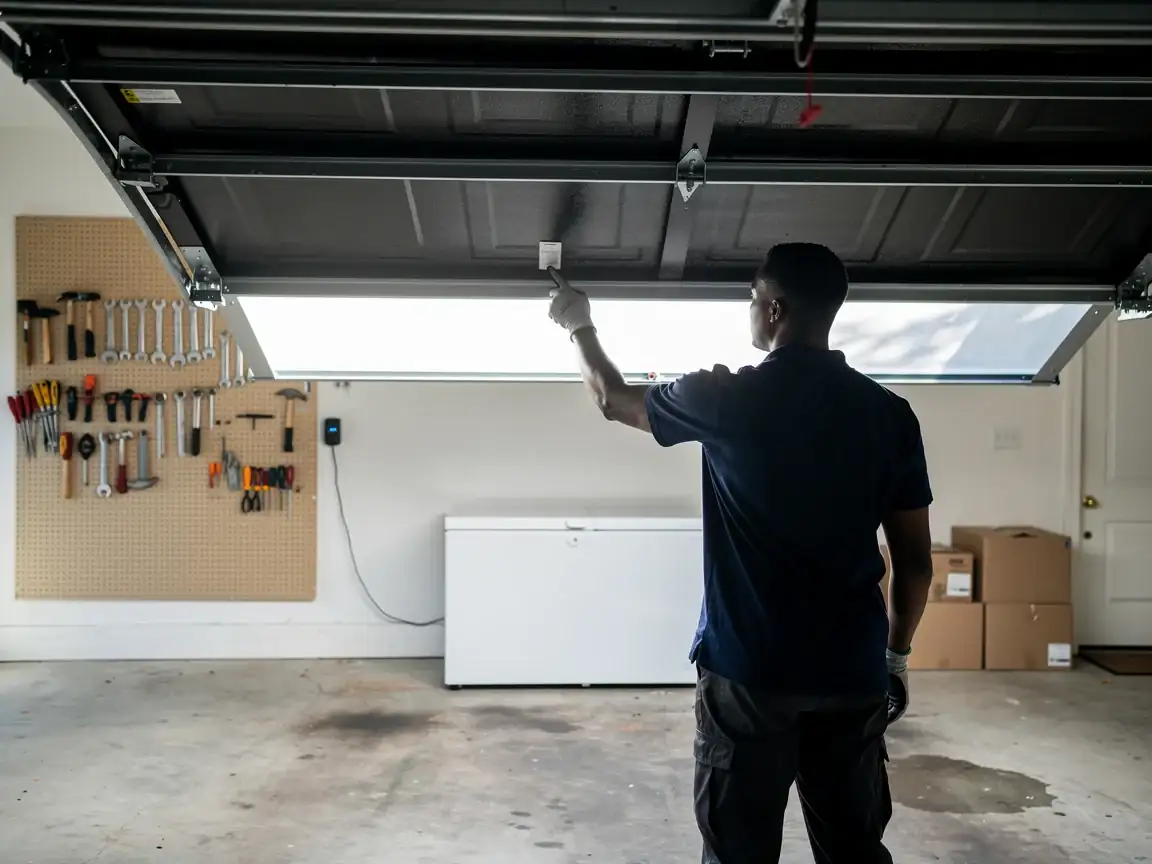
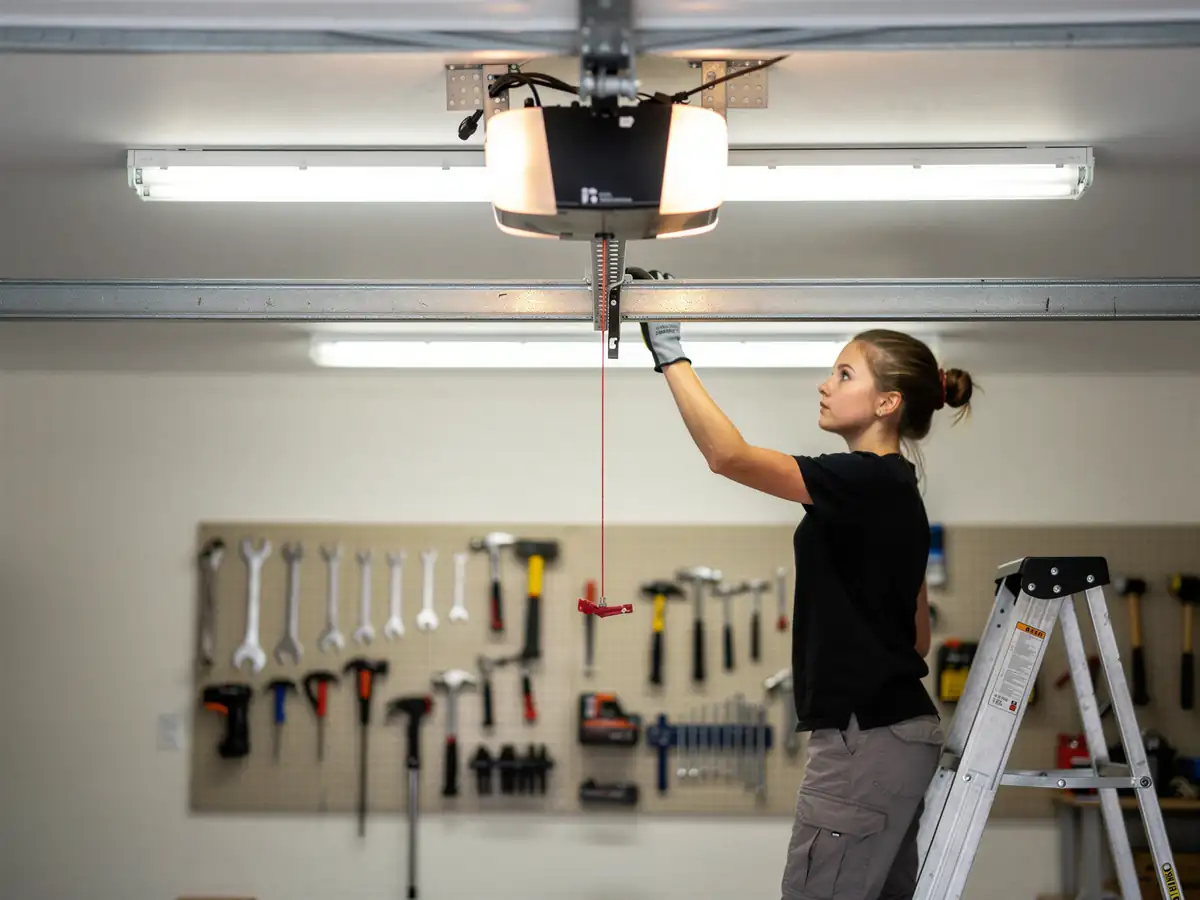
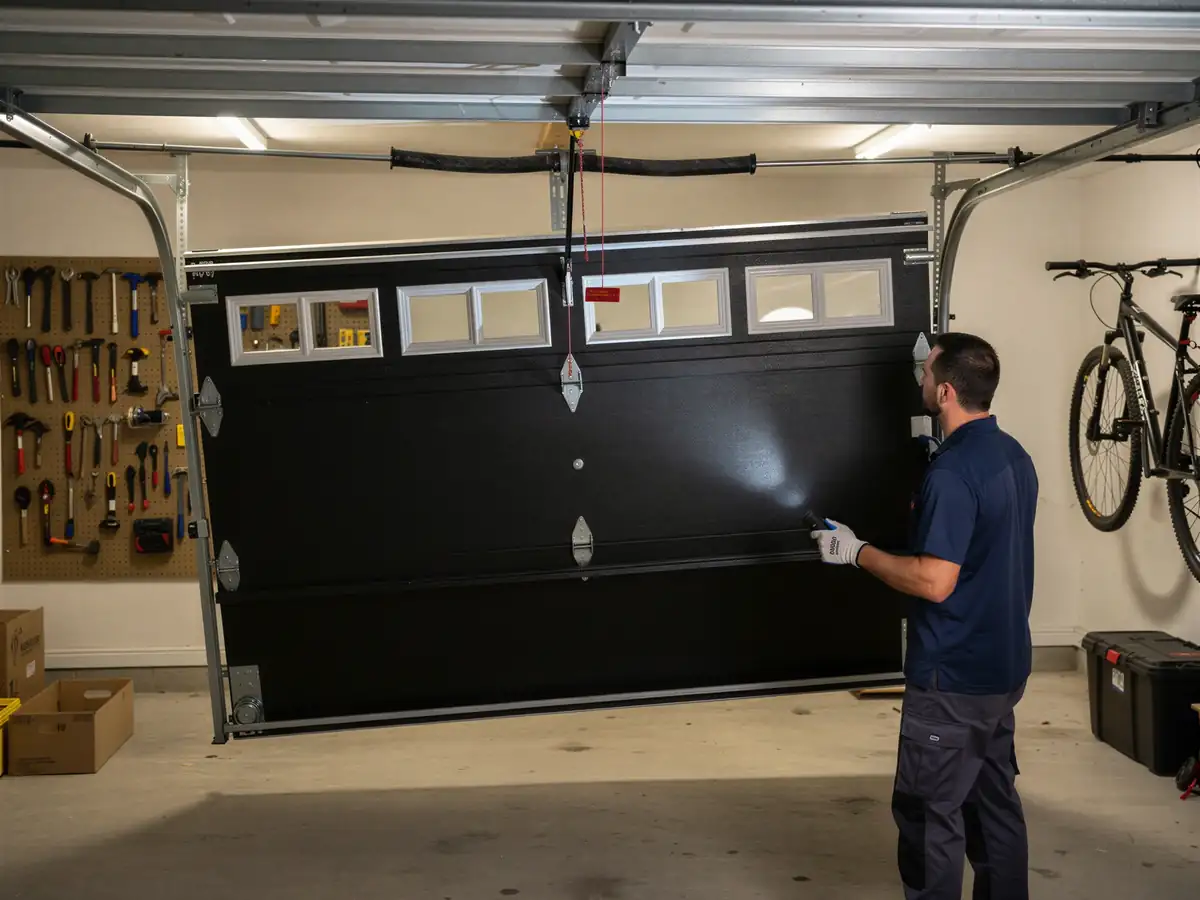
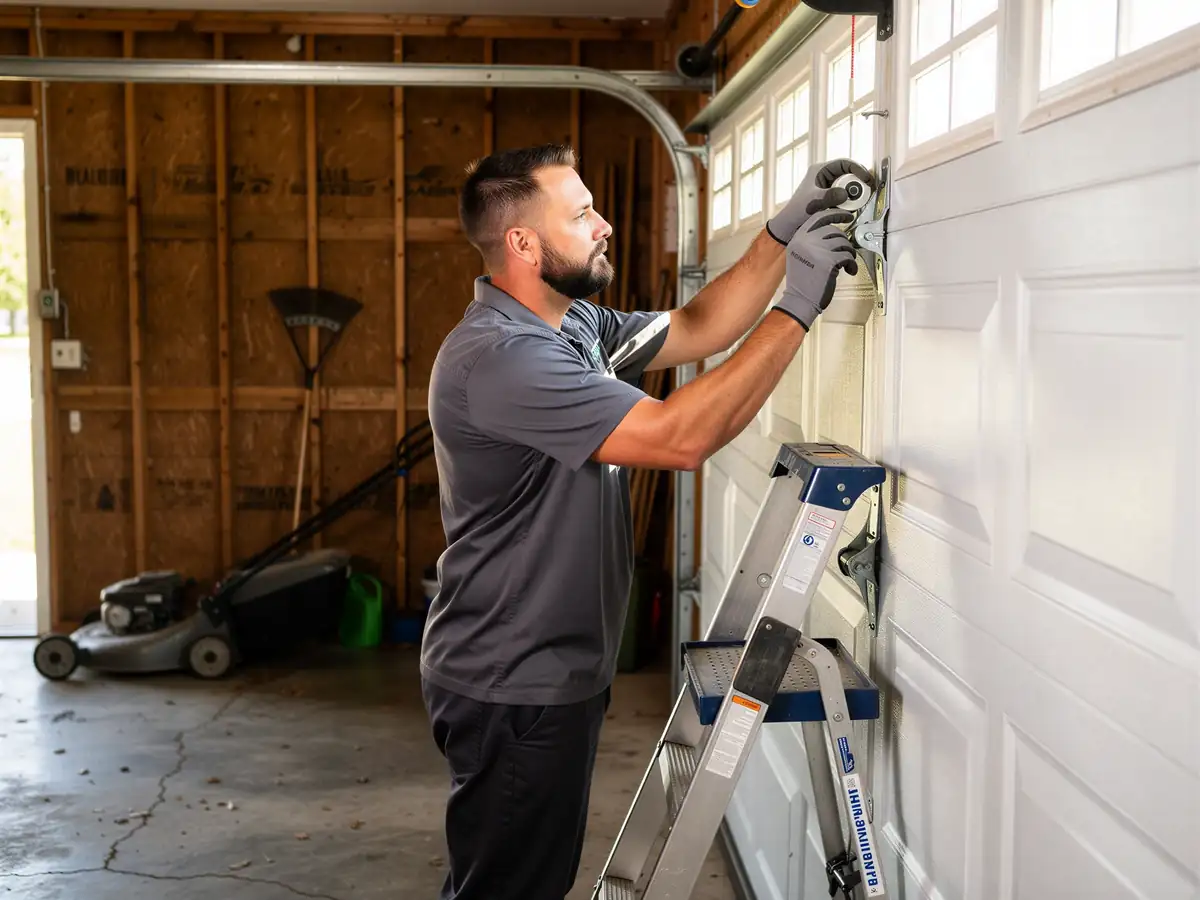
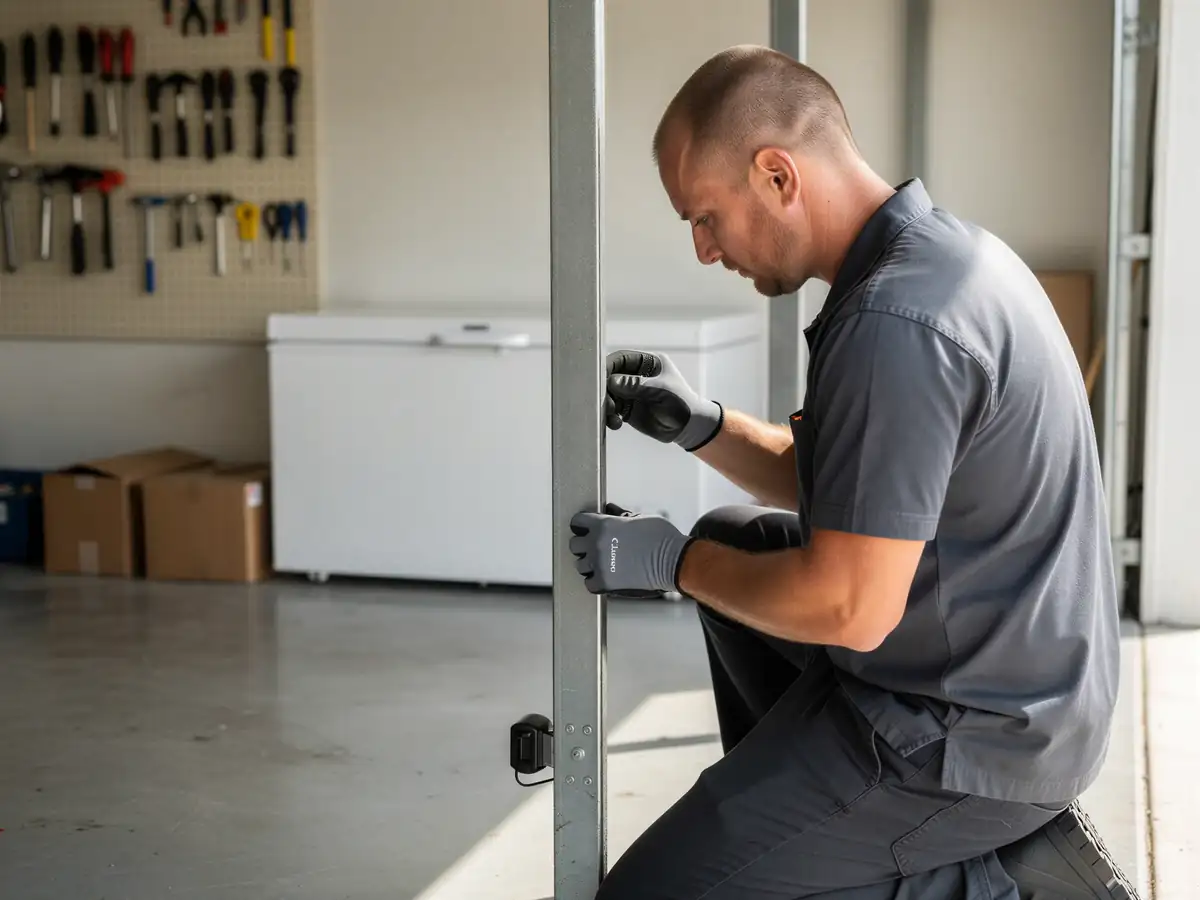
Check the spring itself for a visible gap in the coil - that's a break, not a stretch. Next look at the track mounting brackets; on houses from this era the jambs have often shifted slightly over sixty-plus years, which throws the track out of plumb even when the door looks fine sitting still. Last, pull the release handle and move the door by hand. If it's hard to lift, the spring is doing less work than it should, and the opener has been covering for it - which is also why openers in these houses tend to die early.
We don't always recommend fixing what's there. On a door this old, replacing a single worn part sometimes just moves the failure down the line to the next part.
The Cost of This Job
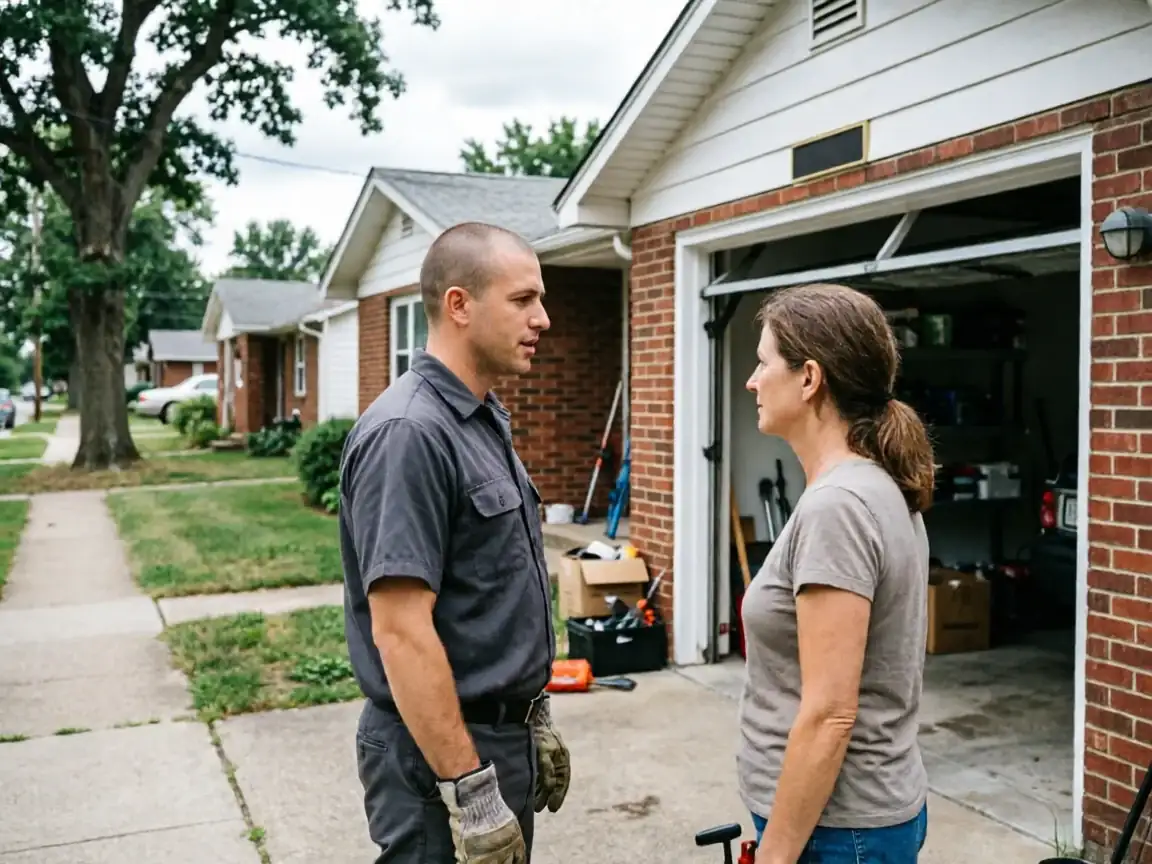
We're not going to put a number here we can't back up, but here's how the job actually prices out on houses like the ones in this service area. Median household income here runs just over $61,000, and a lot of homeowners are weighing a spring repair against a full door replacement on a door that's original to a house built in the 1960s - that's not an easy call to make on instinct.
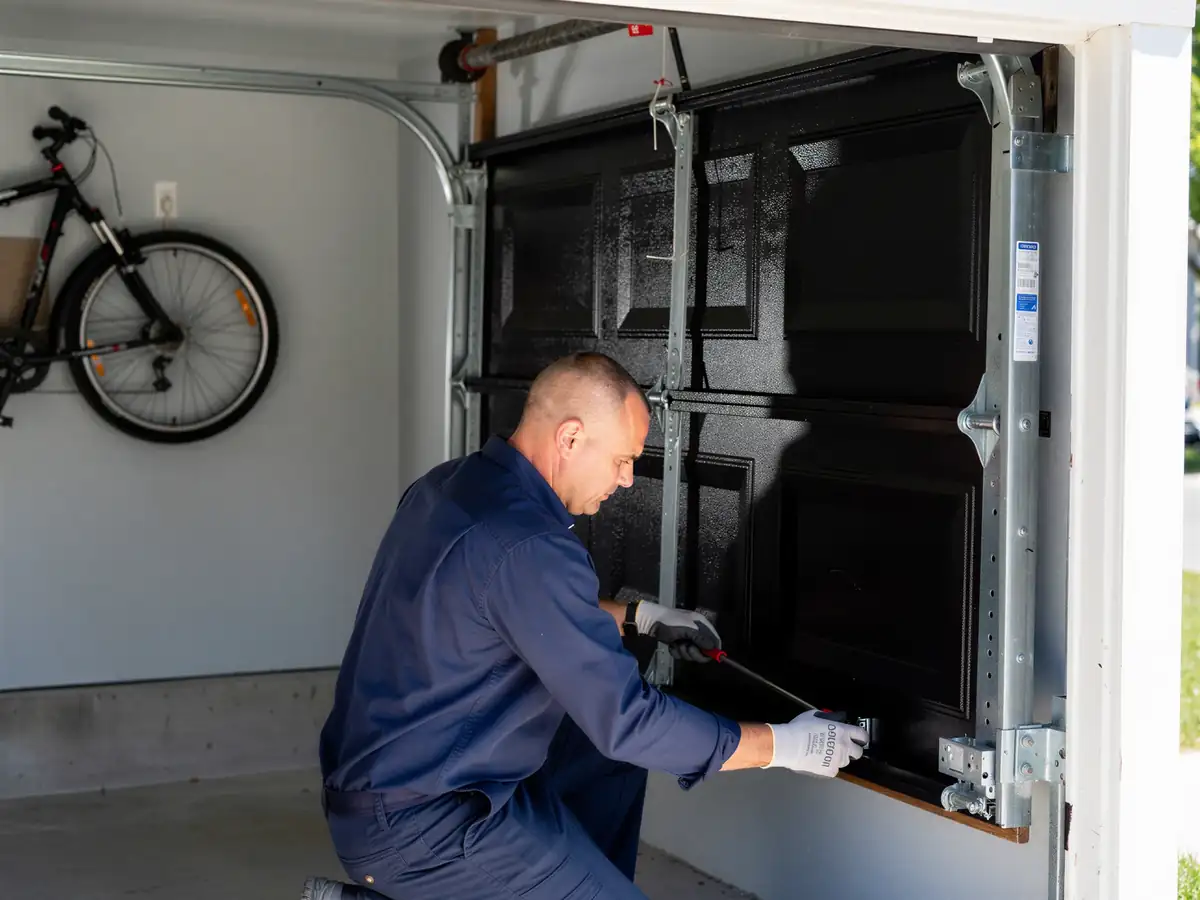
The real cost driver on older stock isn't the spring itself, it's what's attached to it. A 1960s door often has a lighter-gauge track and older roller hardware that wasn't built to the same tolerances as what's sold now, so a spring swap sometimes uncovers a track or drum that needs attention too. That's the honest reason a quote on an older door can run higher than one on a newer build down the street - it's rarely just the one part.
We'll tell you straight if a repair isn't worth it compared to replacing the door. On a door old enough to be original to a 1940s or 1950s build, that's a real conversation, not a sales pitch.
How Local Conditions Play In
This area sits in a cold, moderate climate band, and that matters more for garage doors than people expect
Steel contracts in cold air, and a torsion spring that's already near the end of its rated cycles is more likely to let go on a cold morning than a mild one - the metal's under more stress exactly when it's cold and stiff.
It also means the grease and lubricant on older rollers and hinges thickens up in winter
Which is part of why a door that's been dragging a little in fall suddenly won't open at all once temperatures drop. If your door has been slow to close for a few weeks, that's worth addressing before the cold sets in hard, not after.
We don't do anything exotic for the cold
No special parts line for it - but we do pay attention to it when we're quoting hardware for a house in this area, because a spring rated fine for a mild climate can be marginal here.
The Problem
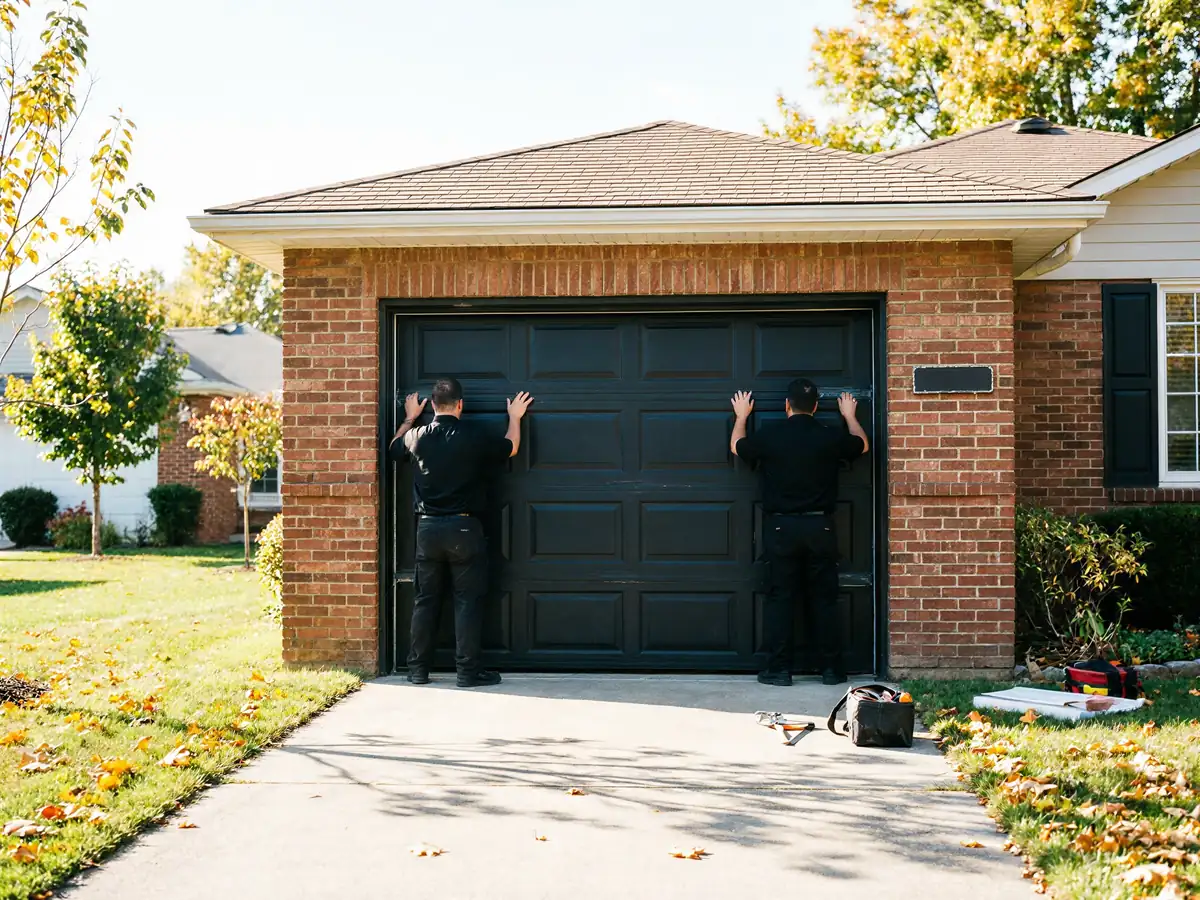
The core issue in this service area is age meeting weather. Houses built between 1938 and 1969 are carrying garage door hardware that was never meant to last this long, in a climate that's harder on steel than a lot of the country sees. That combination shows up as a steady stream of spring failures, worn rollers, and openers straining against doors they were never sized for.
Across roughly 1,076 households and 720 owner-occupied houses in this area, that's not a small number of doors quietly aging past their design life. It's also not a problem that fixes itself with a new opener bolted onto old springs and a bent track - that's a patch, not a fix.
We work this area and the towns around it - Mendon, Liberty, Camp Point, and Kinderhook - and the pattern holds across all of them: older stock, cold winters, and hardware that's been asked to do more than it was built for.