Why This Fails Locally
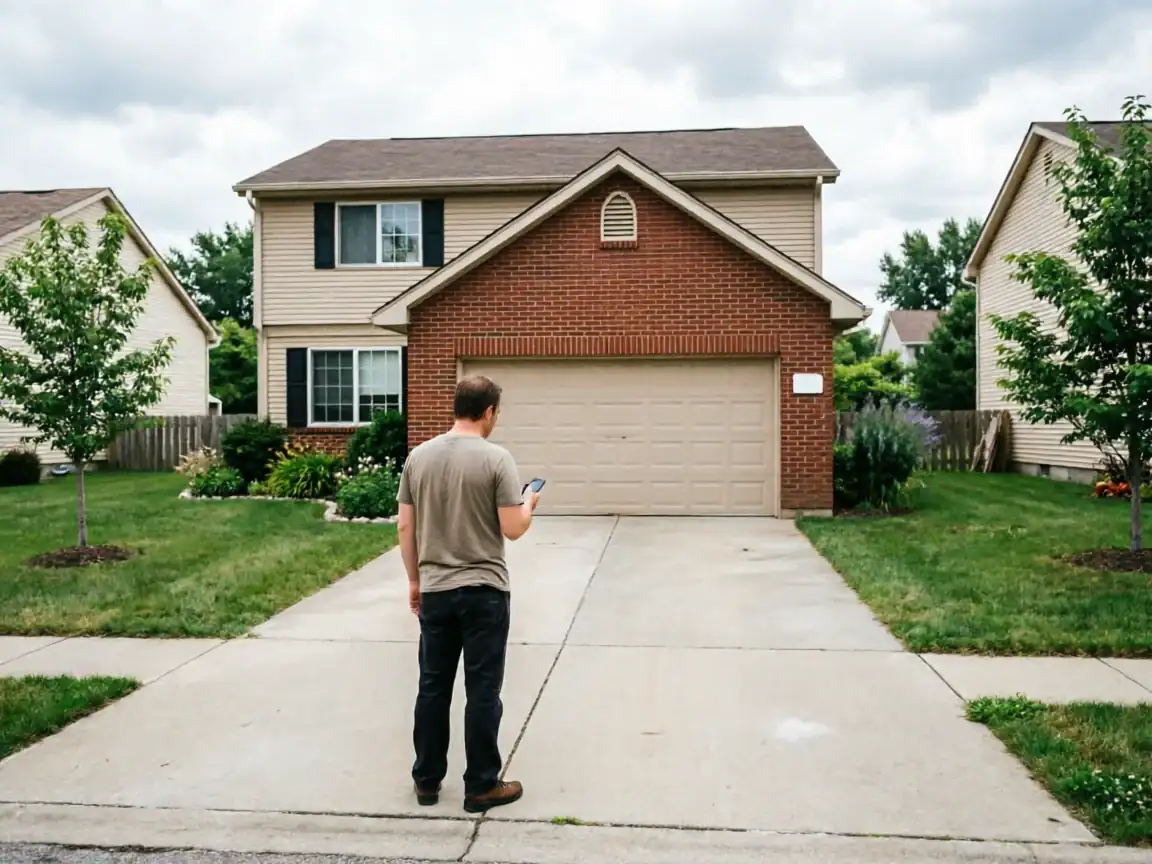
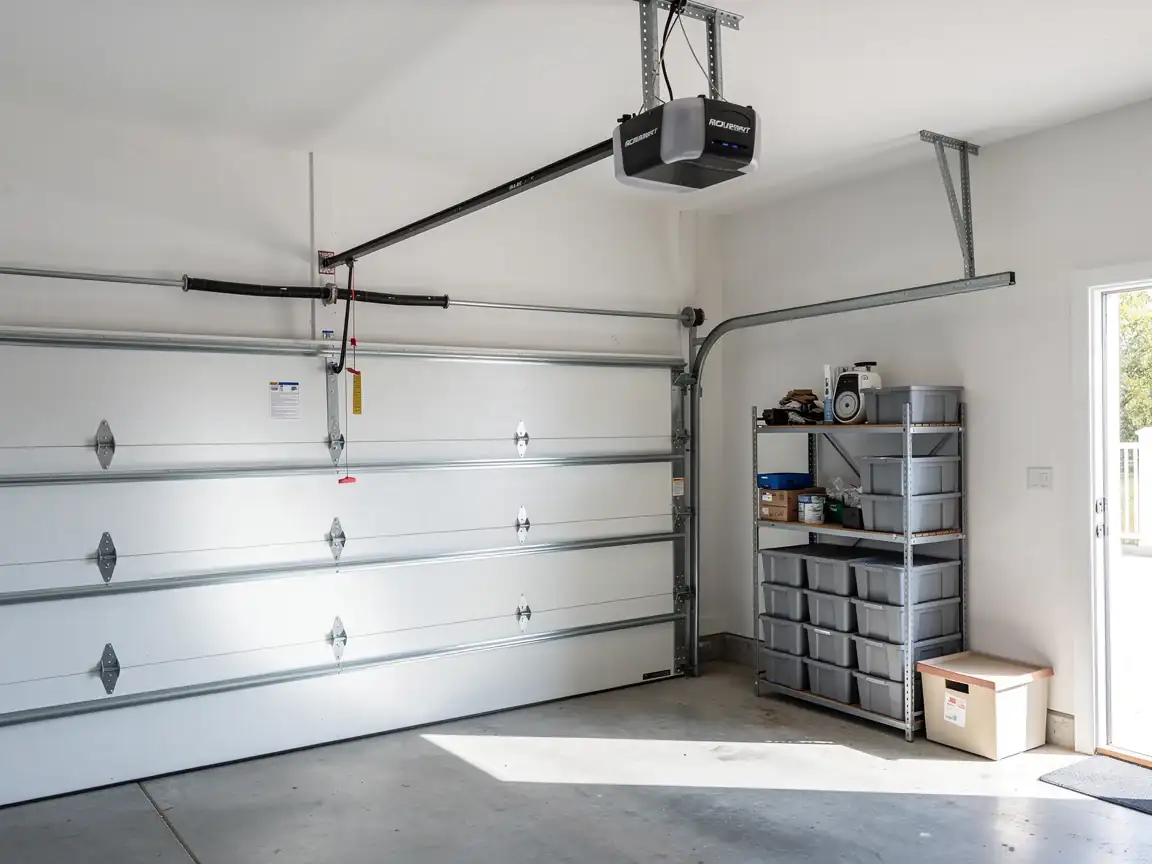
Most of the houses we work on in this area went up between 1938 and 1969, with the median build year landing around 1964. That's not a trivia point - it's the reason maintenance calls here look different than they would in a newer subdivision. Doors, tracks, and springs installed in that window were built to specs and materials common to that era, and a lot of that original hardware is still in service decades past its intended life, just because nobody's had a reason to touch it.
Across the four main pockets of housing we serve, the stock skews 1960s-70s, which means steel that's thinner than what's sold today, rollers without sealed bearings, and torsion springs sized for doors that have since been reinsulated or had openers added - extra weight the spring was never rated for. Pair that with a cold moderate climate, where temperature swings between summer heat and winter cold put real stress on lubrication and metal fatigue twice a year, and you get a door that seems fine until the day it isn't.
None of this is a knock on how the houses were built. It's just that a door from 1964 doesn't fail the way a door from 2015 fails, and maintenance that ignores that difference is maintenance that misses the actual risk.
How It Shows Up
On older Quincy-area doors, the first sign is almost always noise - a grind or a bang on the up-cycle that wasn't there a year ago. That's usually dried-out rollers or a track that's drifted slightly out of plumb, which happens more in homes with original jambs than in newer framing.
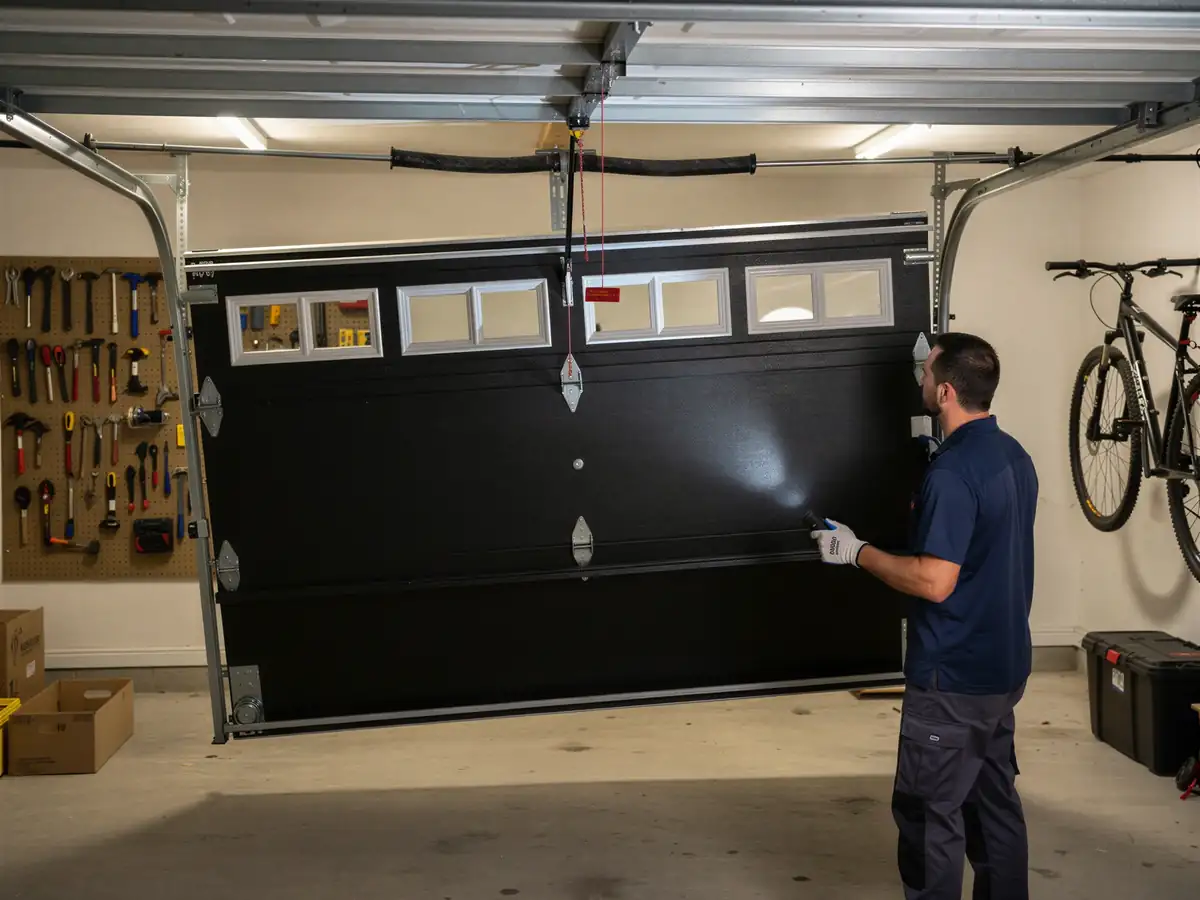
The second pattern is uneven travel: one side of the door lags the other by an inch or two. On a double door with a single torsion spring from that 1960s-70s build era, that's often the spring losing tension unevenly, especially after a winter of cold-to-warm cycling. The cold moderate climate here means the steel contracts hard in January and expands again by April, and that repeated stress is what eventually snaps a spring that's gone 15 or 20 years without being checked.
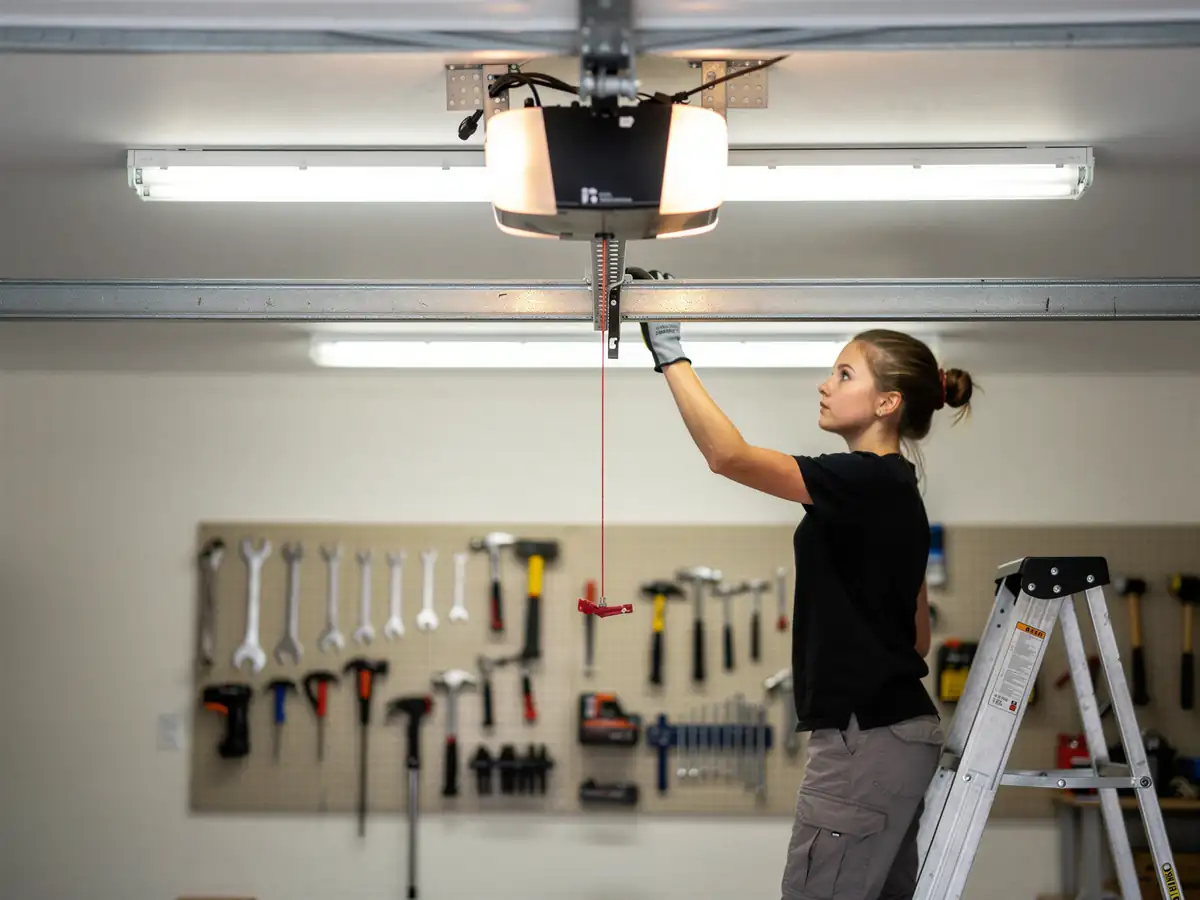
The third is an opener that strains - you hear the motor working harder, or it stalls partway. On a door this old, that's rarely the opener's fault. It's the door itself getting heavier to lift as hardware ages, and the opener is just the first thing to complain about it. We get calls on all three patterns regularly across the towns we serve, and they almost always trace back to original or near-original hardware that's simply reached the end of its working life.
What the Fix Involves
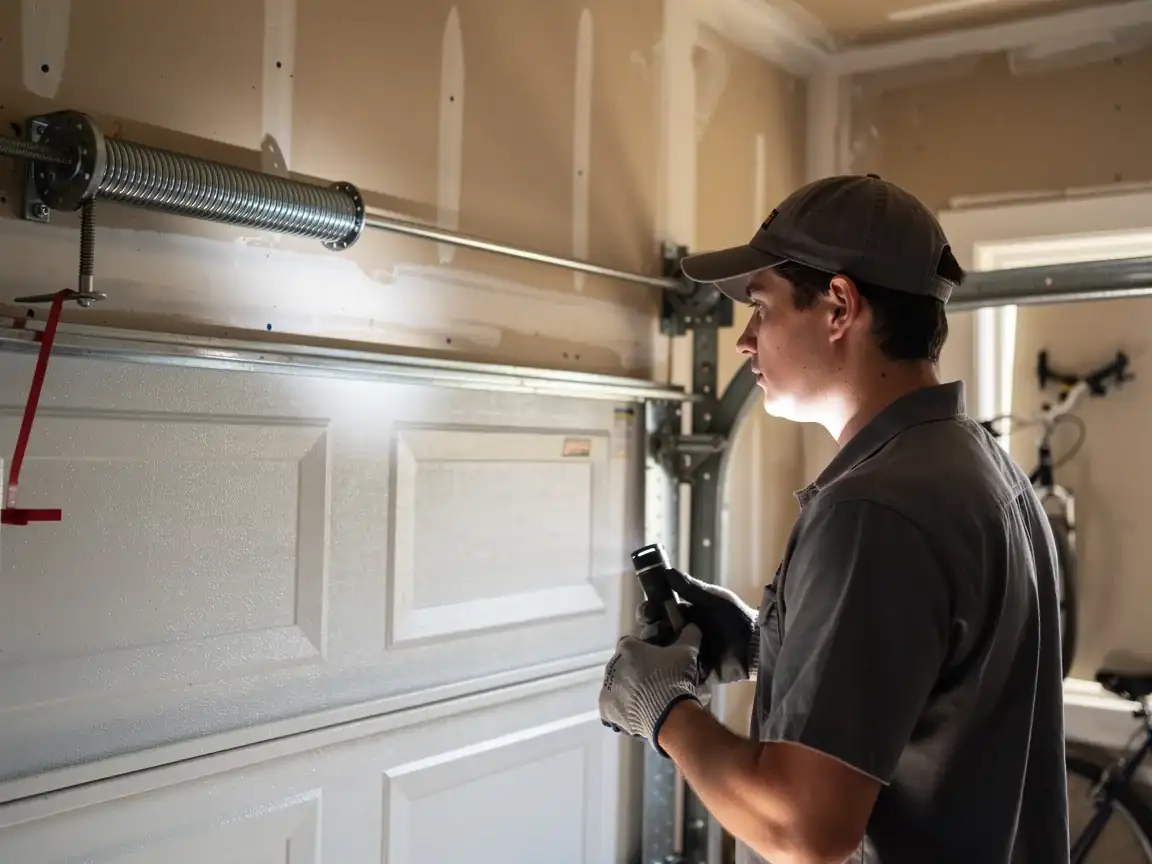
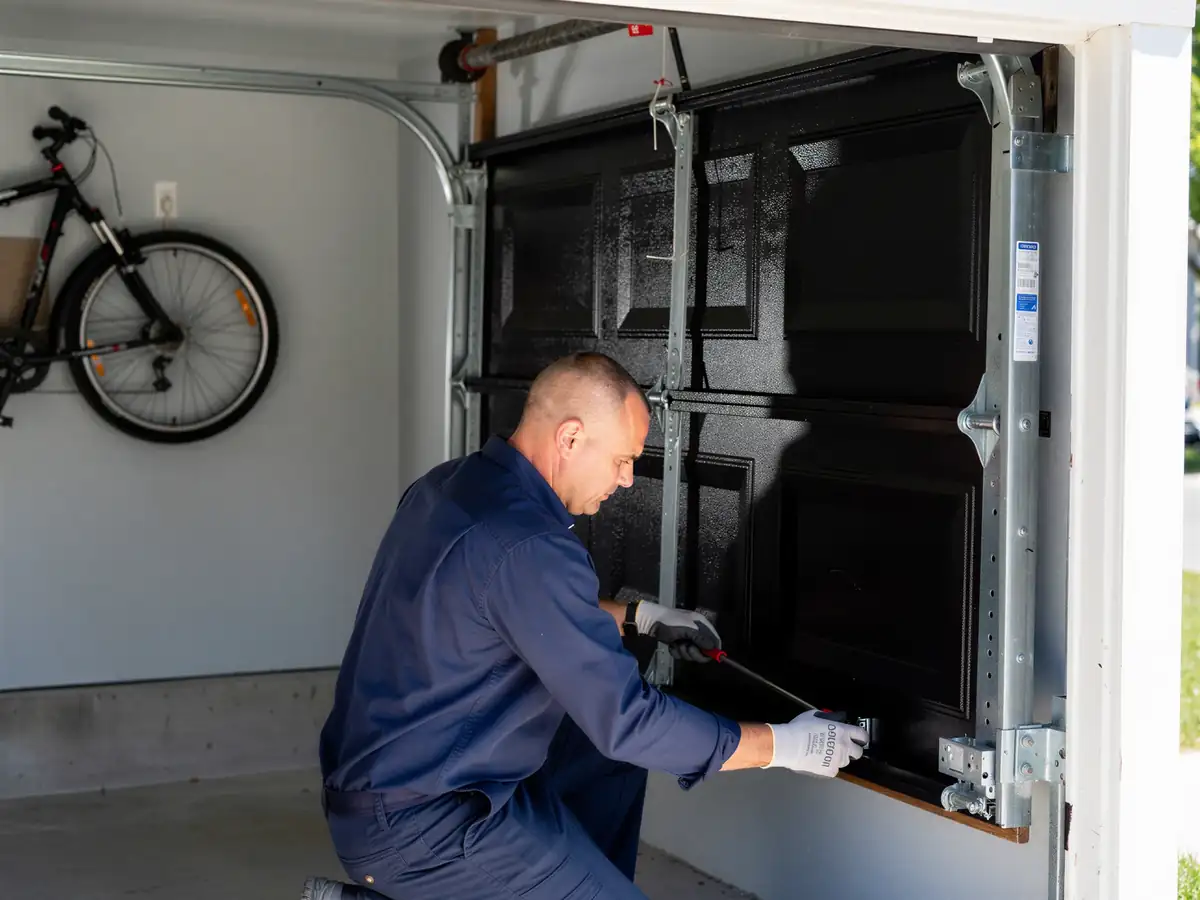
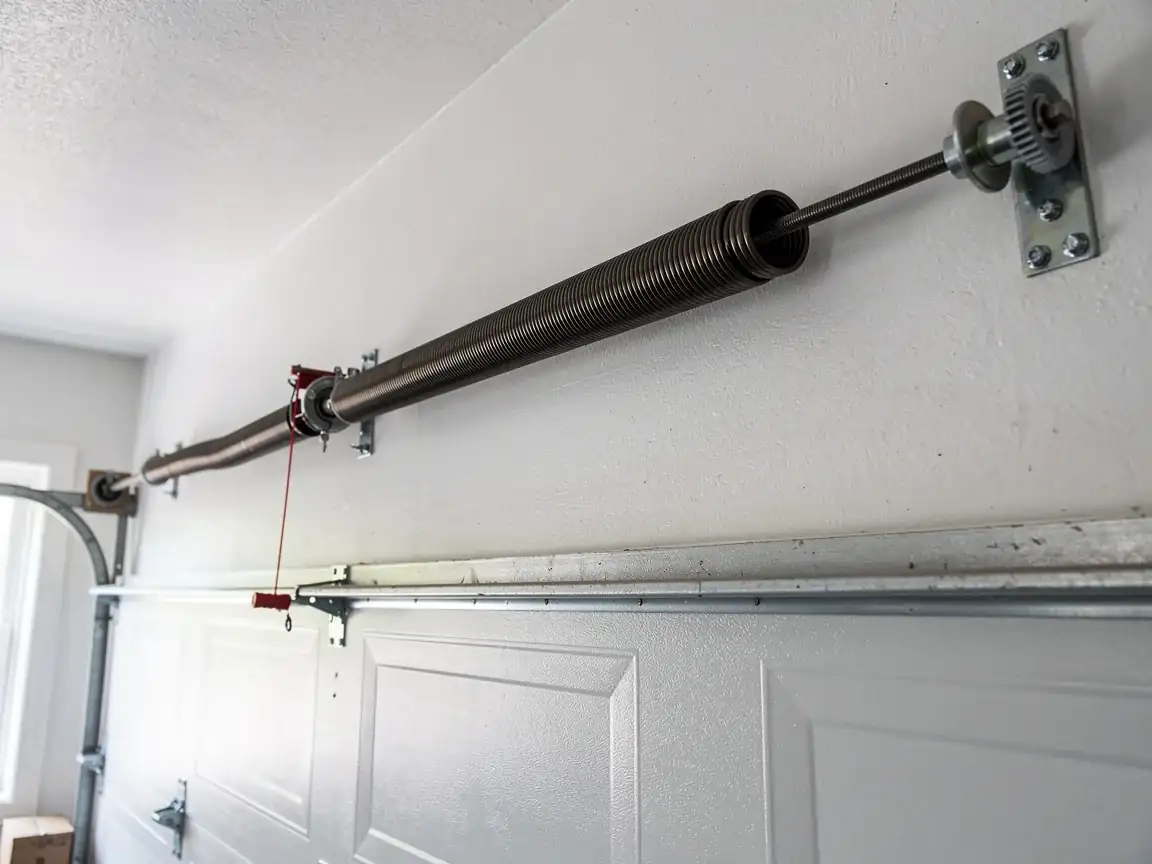
A real maintenance visit on a house from this era starts with the spring
Checking tension against the door's actual current weight, not the weight it was rated for when installed. If insulation or a heavier opener's been added since, the spring often needs re-sizing, not just lubrication.
Next is the track and rollers
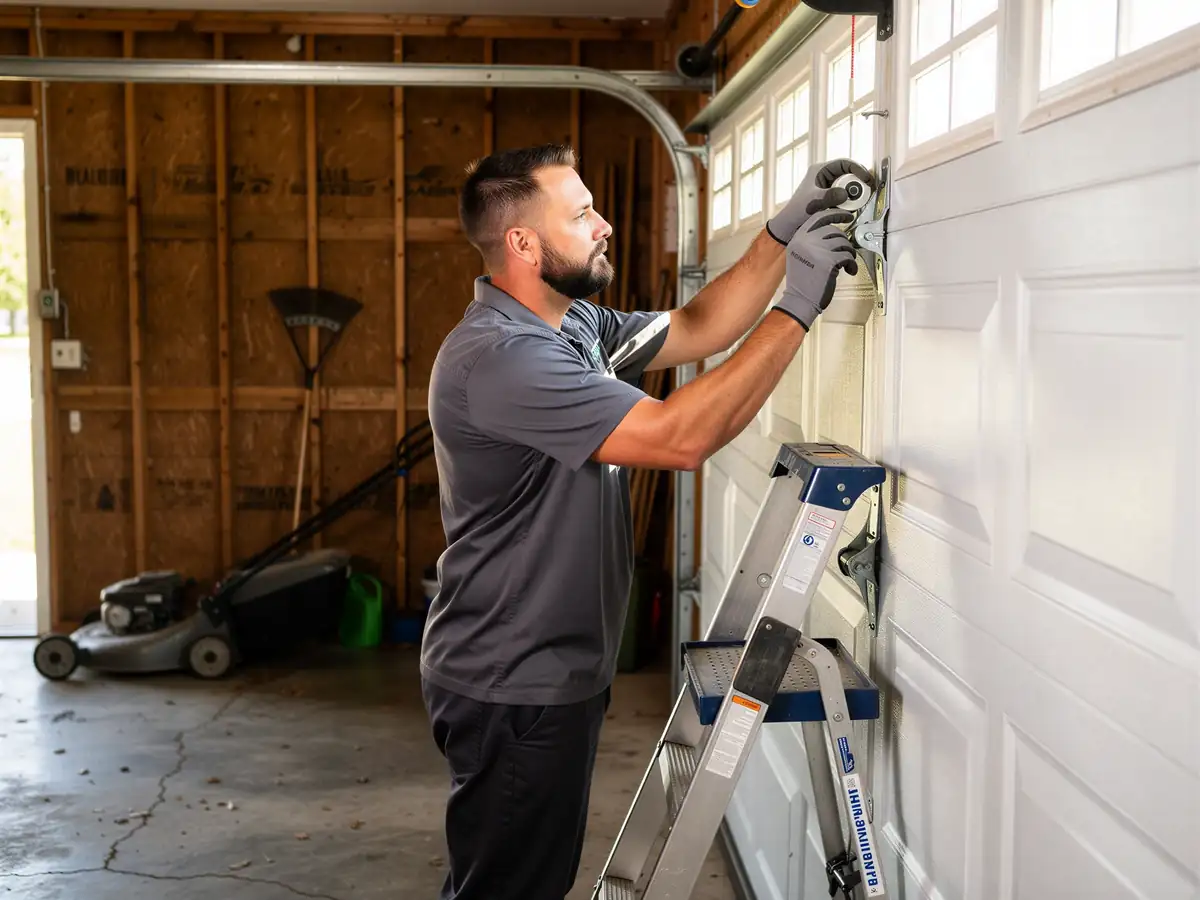
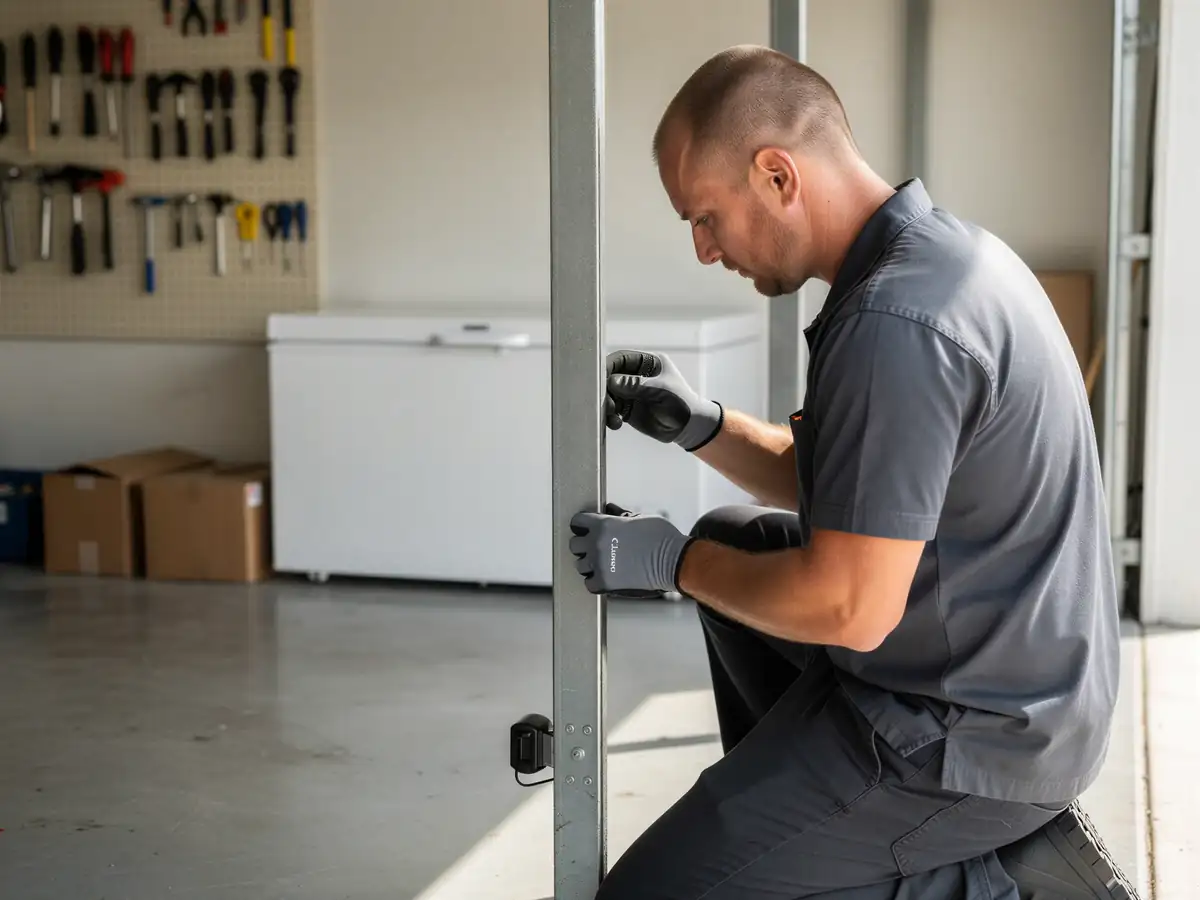
On original installs, track is frequently bolted to jambs that have shifted slightly over 50-plus years, so we check plumb and shim where needed rather than just tightening what's loose. Rollers get swapped if they're the old nylon-without-bearing style - a direct upgrade that cuts noise and wear.
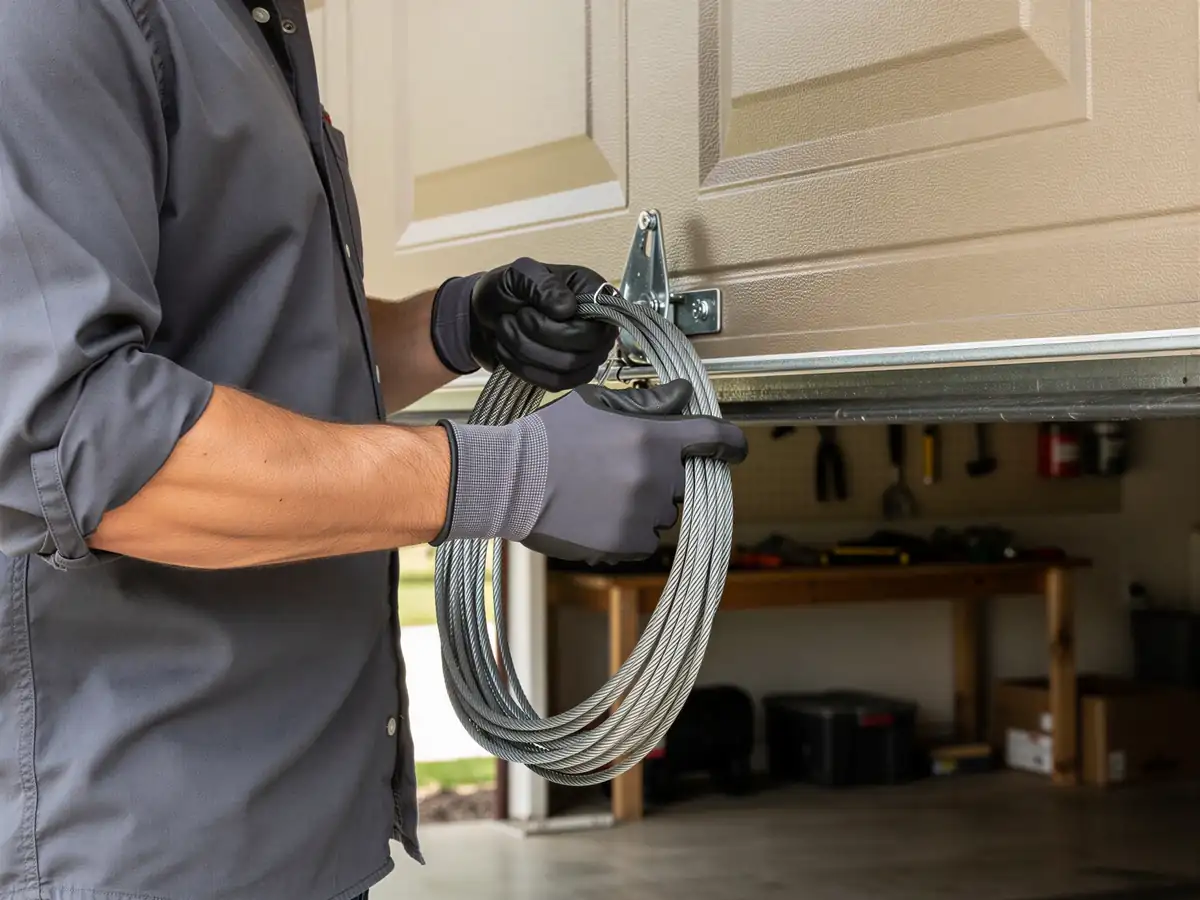
Cables and the bottom bracket get a visual check for fraying
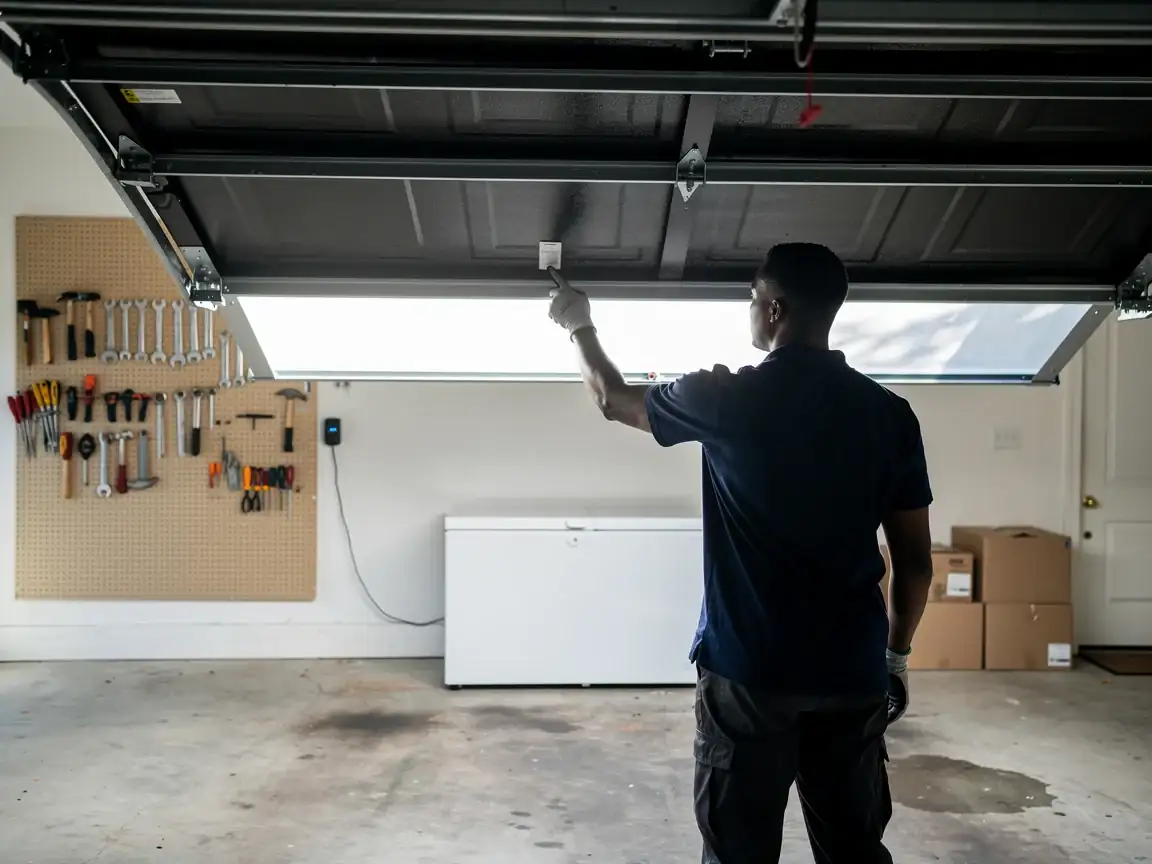
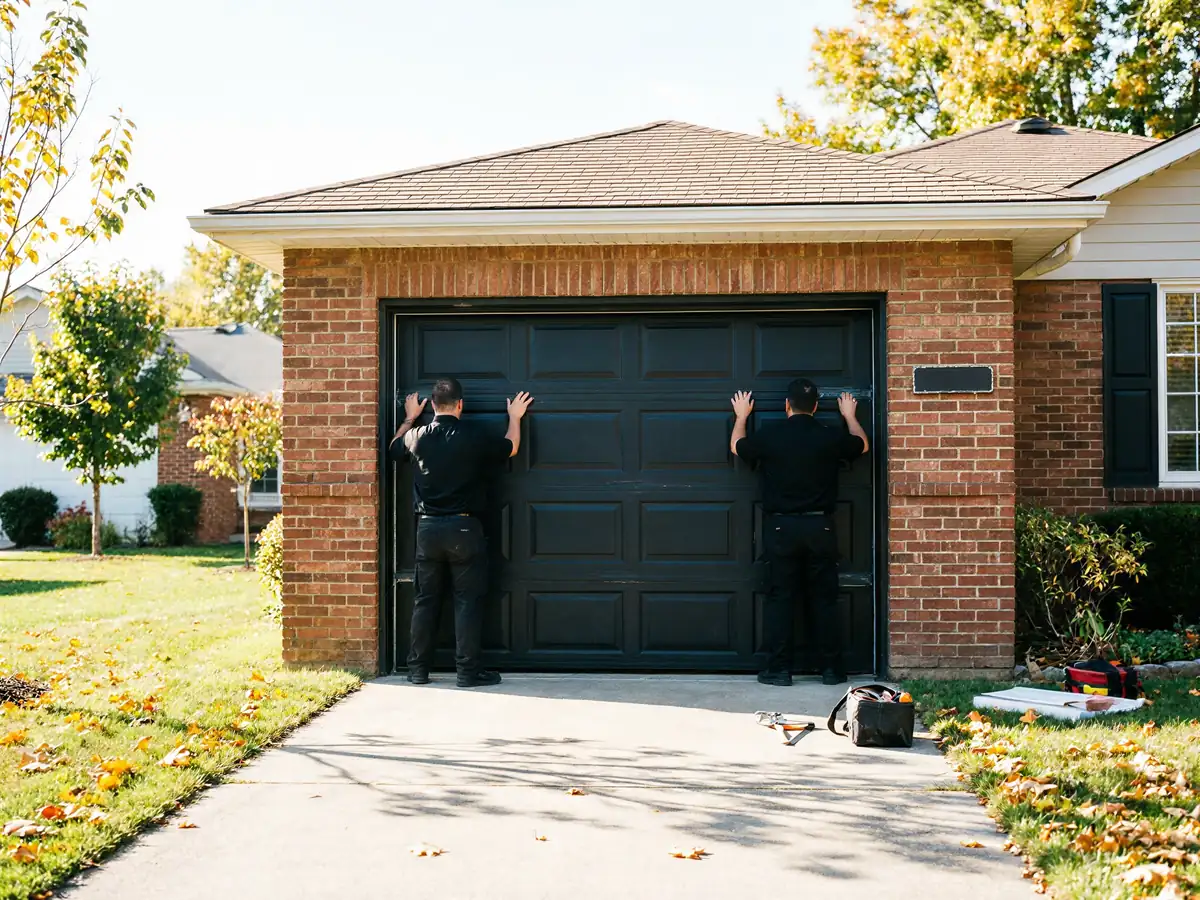
Since a cable snapping on a door this size and weight is the kind of failure that does real damage. Last, we test balance by hand - disconnect the opener and see if the door holds position at mid-travel. If it doesn't, something upstream still needs adjusting, no matter how good the rest of the job looks.
One honest limit here
If the door panels themselves have rusted through or delaminated, maintenance won't fix that. At that point you're looking at replacement, and we'll tell you so instead of billing you for a tune-up that won't hold.
The Cost of This Job
We don't have a flat number to quote here, since the right fix depends on what the spring sizing and hardware condition actually look like once we're under the door - and that varies more on older houses than on newer ones. What we can say is that across the area, with 720 owner-occupied houses and household incomes centered around $61,139, most owners we talk to want the job scoped honestly before any work starts, not padded with extras the door doesn't need.
The towns we cover from Quincy - Mendon, Liberty, Camp Point, and Kinderhook - each have their own mix of housing age and local detail, which is why each has its own page rather than being lumped in here. This page is about the maintenance itself: what fails, why it fails on houses built in this window, and what a proper fix actually touches.