Why This Fails Locally
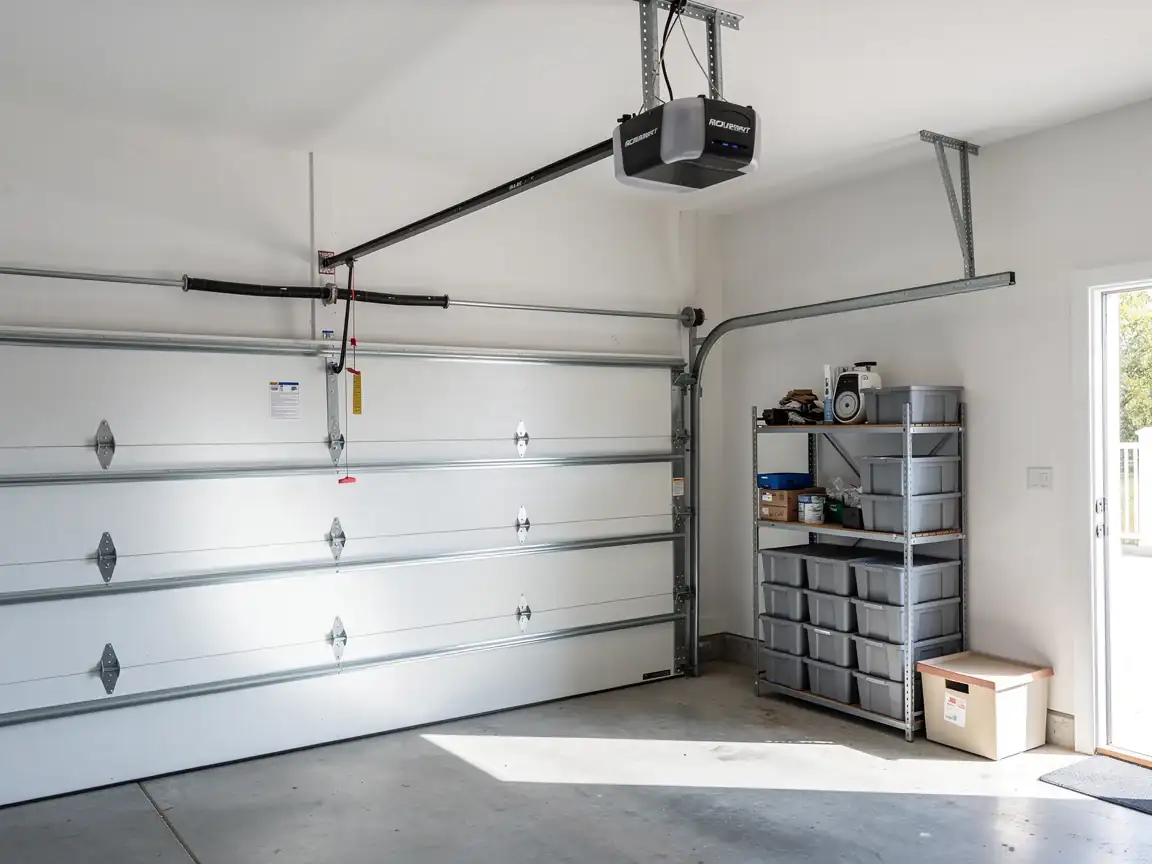
Most of the garage doors we get called on in Quincy sit on houses built between 1938 and 1969, with the median home dating to 1964. That's a specific problem, not a generic one. Doors and openers installed or replaced during that stretch were sized and hung for lighter, often single-layer panels, on torsion springs calculated for weights that don't match what's hanging there now after decades of repainting, re-weatherstripping, and the occasional panel swap. The hardware ages at a different rate than the door itself.
Layer the cold-moderate climate band on top of that and you get a second failure path: steel springs and cables that cycle through freeze-thaw swings season after season lose temper faster than the same parts would in a warmer region. A spring rated for a certain number of cycles in a mild climate doesn't make it that far in Quincy. Combine 60-plus-year-old mounting brackets, worn end bearings, and cold-stressed steel, and you get the exact failure pattern we see on repeat: not catastrophic, just steady wear converging on failure at once.
This isn't a Quincy-specific defect in the doors themselves. It's what happens when 1960s-era hardware meets a climate that's hard on metal, decade after decade, in a housing stock that's mostly that old.
How It Shows Up
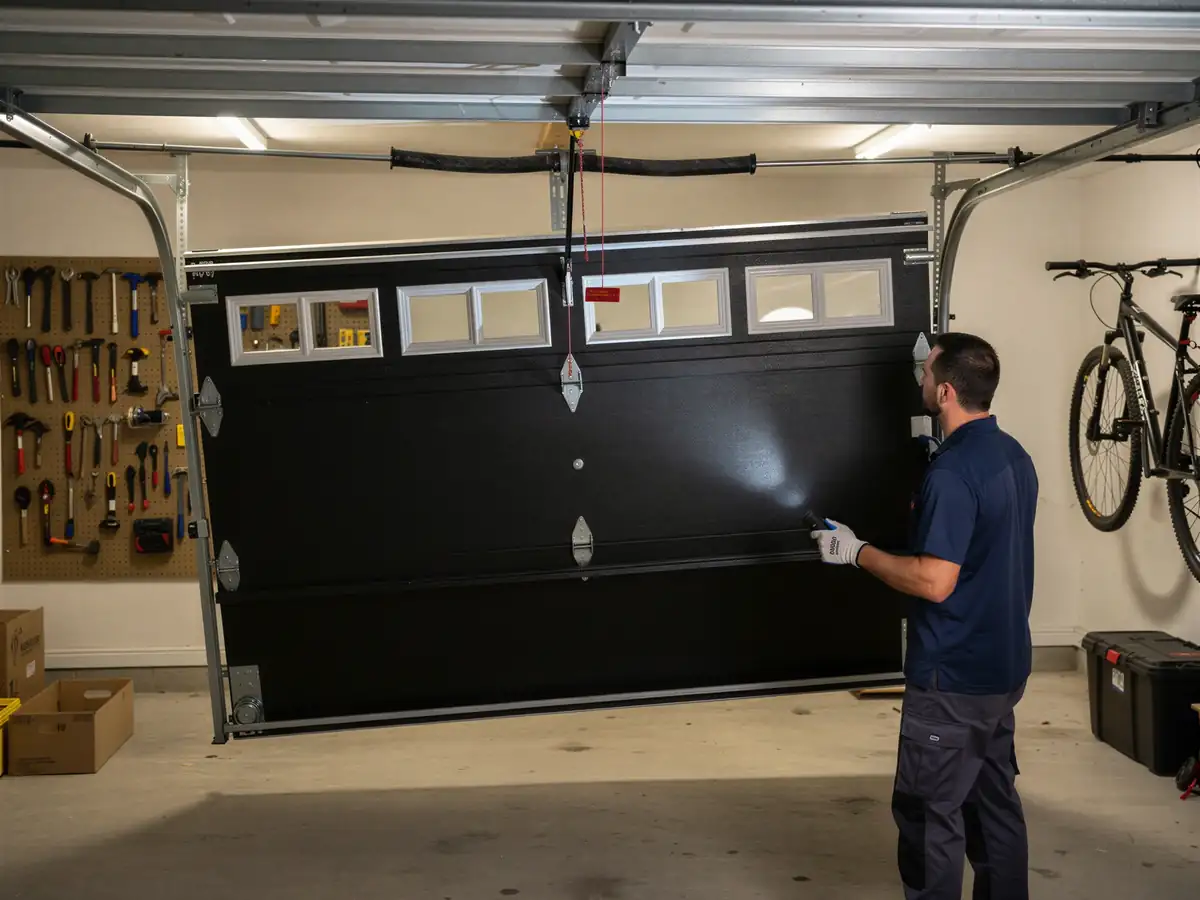
The call usually starts the same way: the door hesitates, then slams the last foot of travel, or the opener strains and reverses partway up. On houses from the 1938-1969 build window, that's almost always a spring that's lost tension unevenly, or a cable starting to fray where it wraps the drum. Because the stock across Quincy's neighborhoods runs largely 1960s-70s, we see the same drum size, the same spring gauge, and the same failure point over and over.
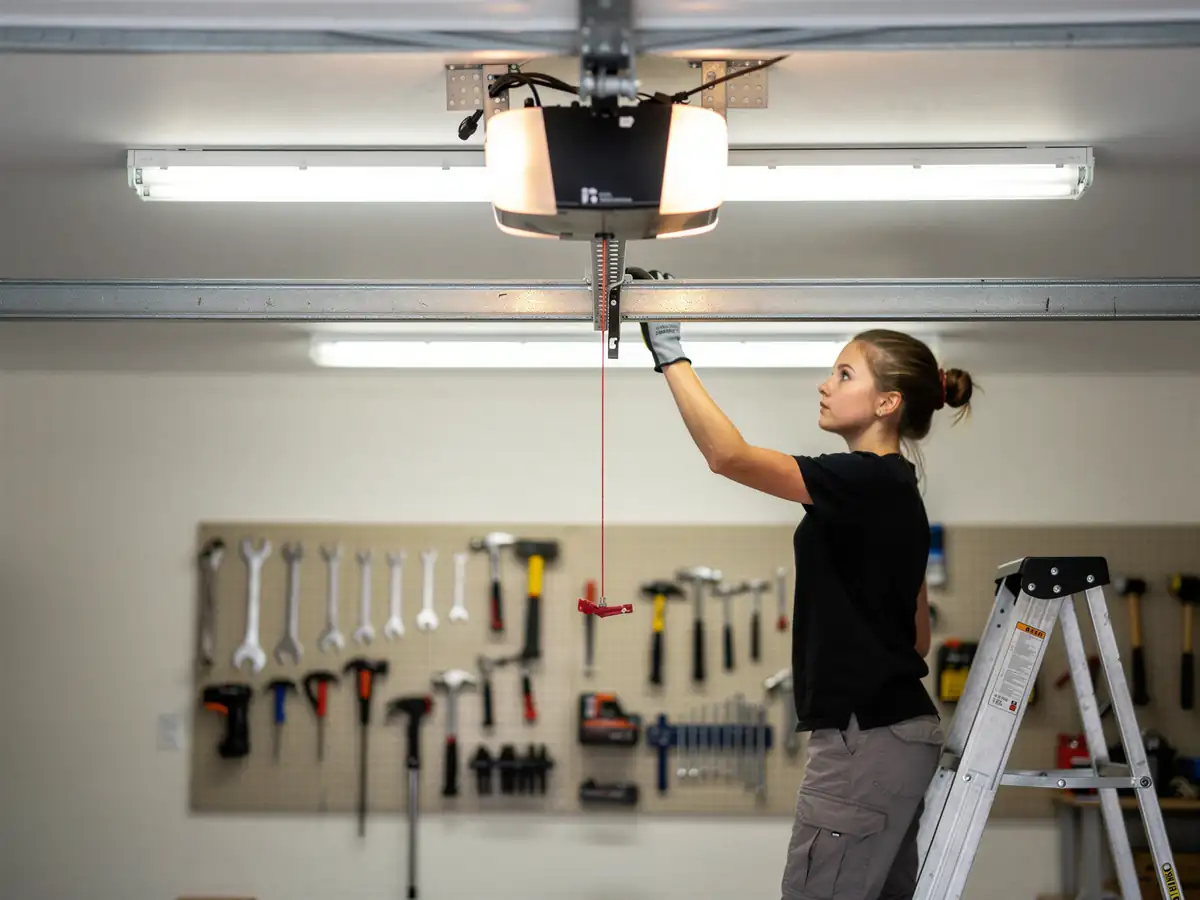
Sometimes it's quieter than that. A door that used to balance and hold position halfway open now drops on its own, which tells us the spring has lost enough wind that the counterweight math no longer works. In the cold months, we get more of these calls close together, since contracting metal and stiffening lubricant push already-worn springs and rollers past the point they were limping along at.
Rollers are the other common one. Original steel rollers on older track don't get smoother with age, they get louder, and on a cold morning the grinding is the first thing a homeowner notices before the door even sticks.
What the Fix Involves
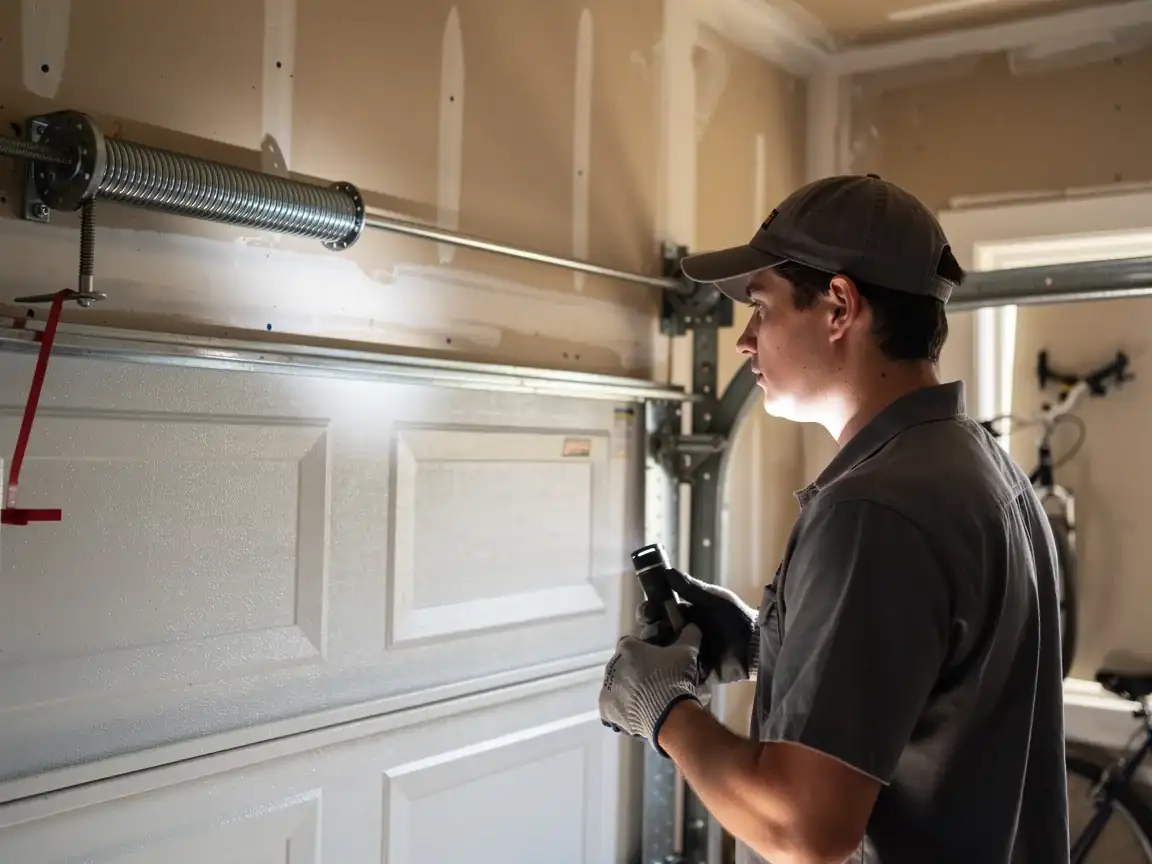
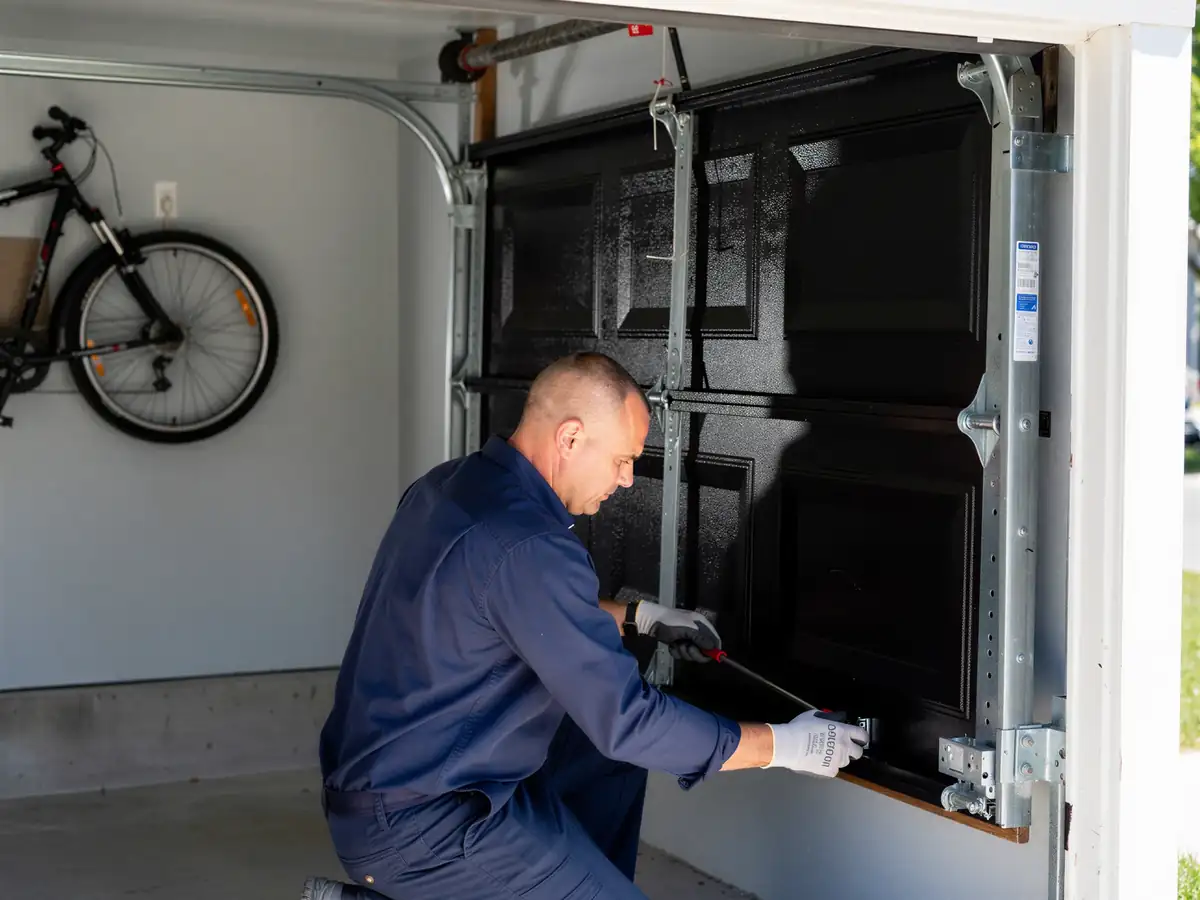
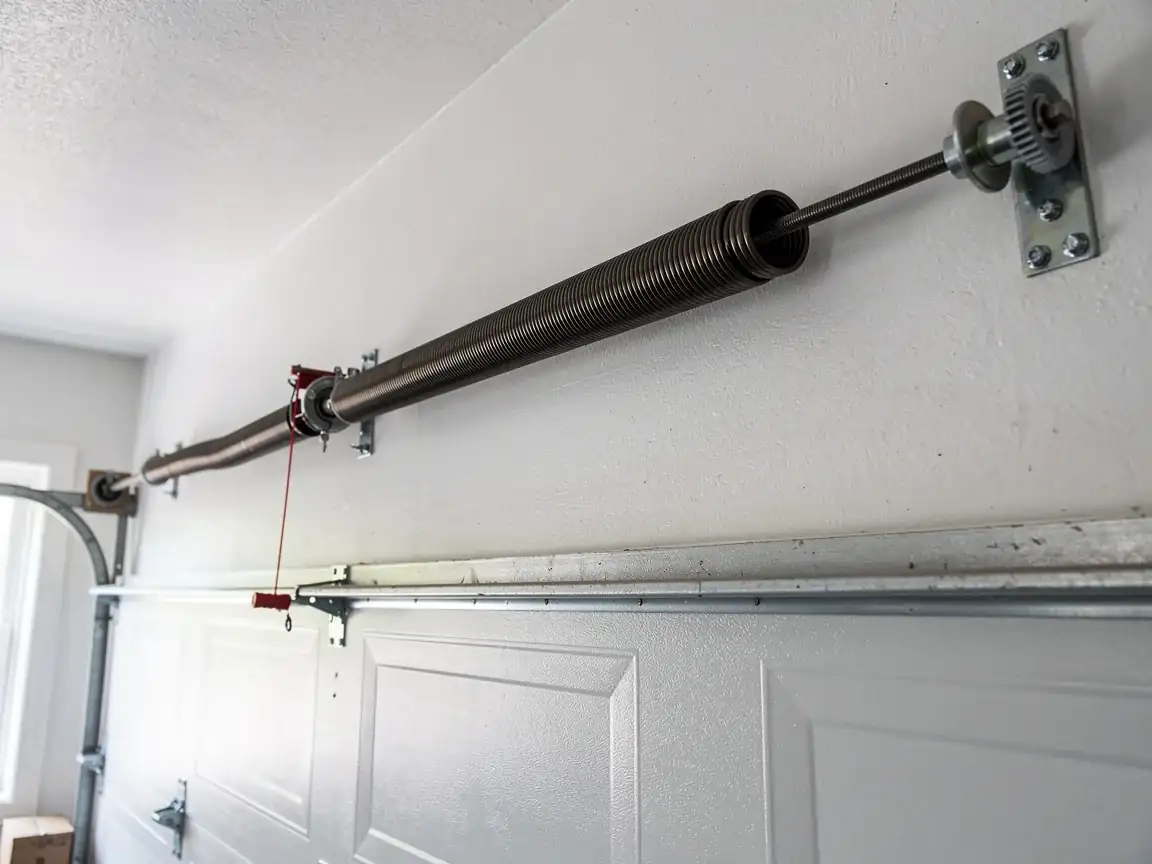
For most of these jobs, it's a torsion spring replacement matched to the actual door weight
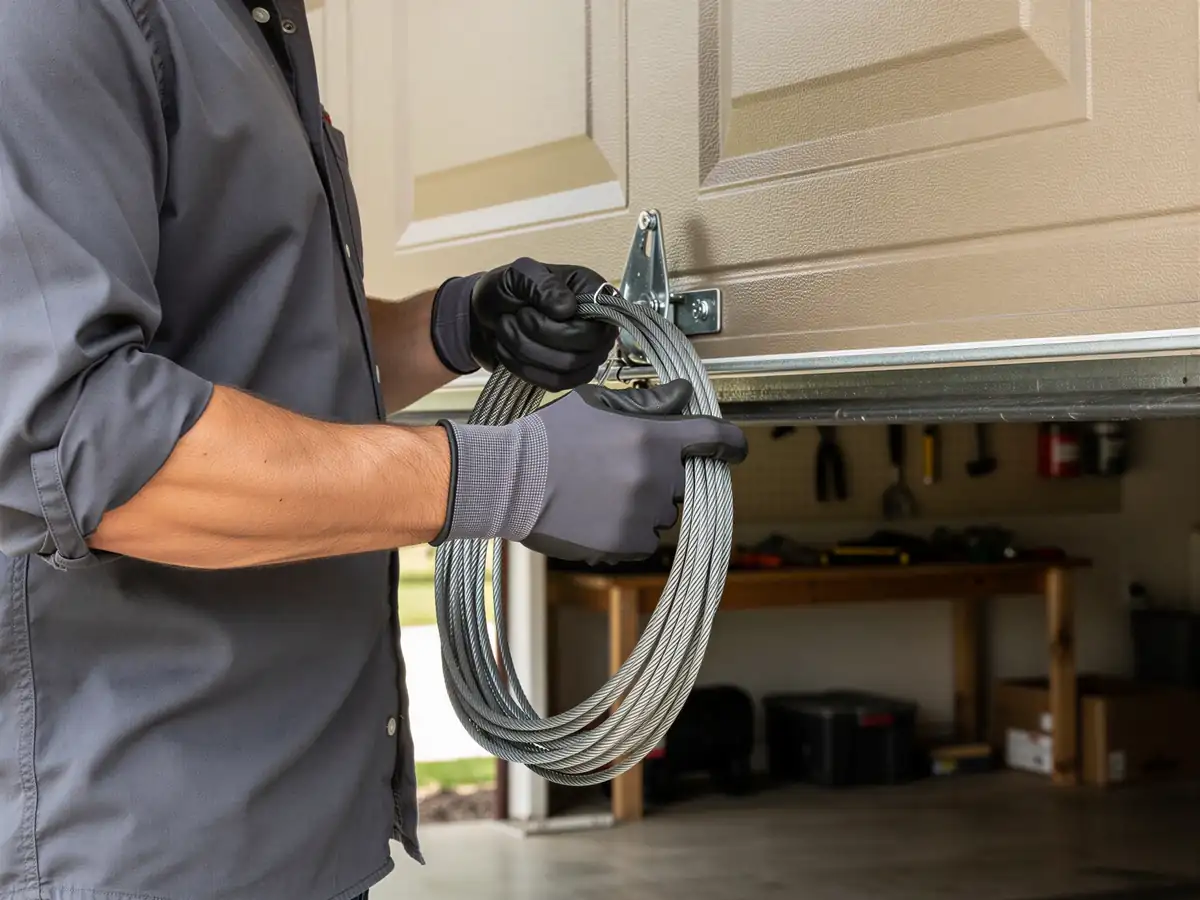
Not just a stock size swapped in because it's close. We measure the door, check the drum and shaft for wear, and replace cable and end bearings if they're close to the end of their life, since opening the system up once and not replacing adjacent worn parts just means a second call next winter.
On houses with original mounting hardware from the 1960s build era
Brackets are sometimes bent or the lag screws have worked loose in old framing. That gets reinforced or replaced as part of the job, not left for later.
Here's the honest limitation
If the track or jamb has shifted enough that the door is out of square, spring and cable work alone won't fix it, and we'll tell you that on site rather than patch around it. We also don't carry every obsolete panel size in the truck. If a specific original panel is damaged and the manufacturer no longer makes a match, full replacement is usually the straighter path, and we'll say so instead of chasing a part that doesn't exist anymore.
The Cost of This Job
We don't post a flat number here because the job isn't flat. A single spring on a door matched correctly to its weight costs less than a pair of springs on a heavier double door, and a job that also needs new cable, bearings, or a bent bracket straightened costs more than a spring swap alone. What we can say is that in a service area with a median household income of $61,139 and roughly 720 owner-occupied houses among 1,076 households, we see people watching this cost closely, and we price the work to match what a repair job should cost, not what a full system replacement costs.
We'll give you the number for your door, in writing, before anything gets taken apart. If the fix turns out to be more involved once we're looking at the actual hardware, you'll hear that before we proceed, not after.