Why This Fails Locally
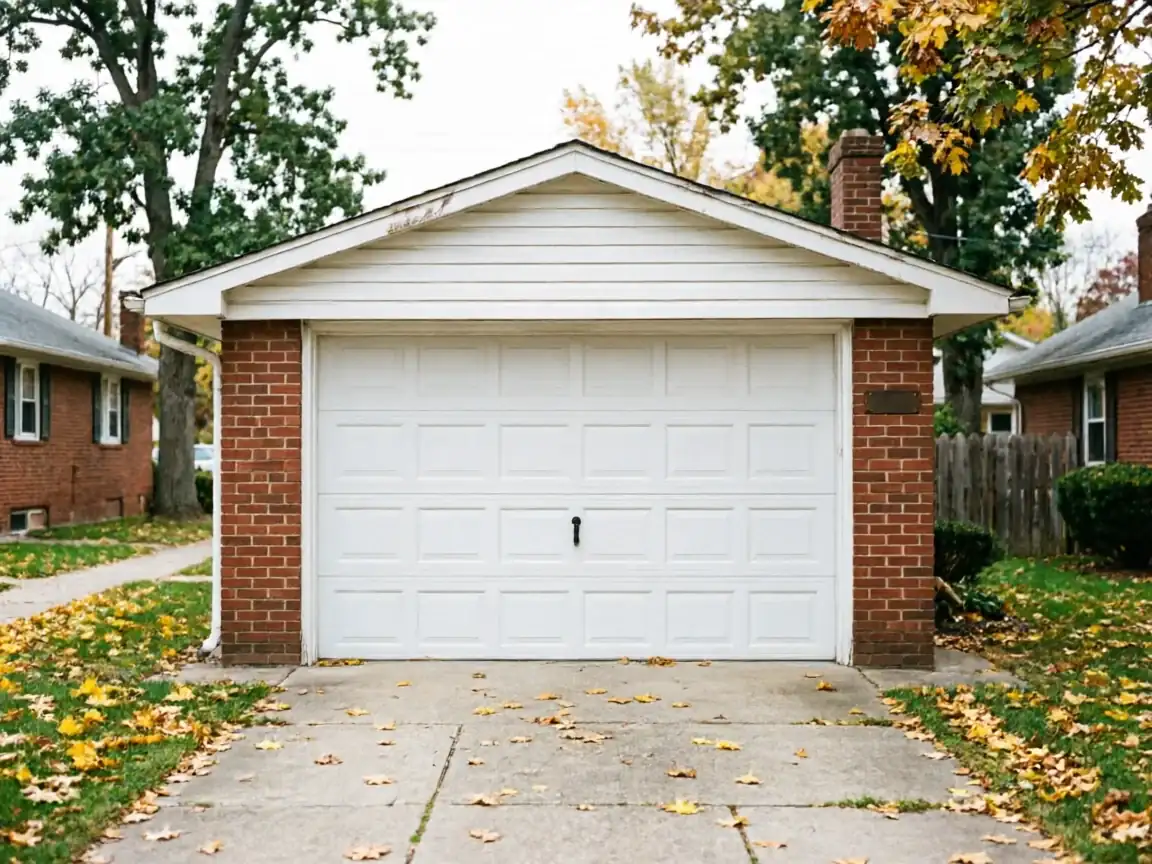
Most of the housing in this service area went up between 1938 and 1969, with the median build year landing around 1964. Four named pockets of the area are still mostly 1960s-70s stock. Doors from that era were hung on steel track with steel rollers, no nylon, no sealed bearings. Sixty-plus years of opening and closing wears the roller stem and the track rail together, and once one goes out of round the whole track starts to take the abuse unevenly.
The climate band here is cold-moderate, which matters more than people think. Steel rollers contract in winter cold, and the grease packed into the stem bearing thickens and stops doing its job right when the door gets used the most - first thing in the morning before the garage has warmed up at all. That's when a dry, pitted roller finally seizes or snaps.
We're not saying every door in the area has this problem. Houses that already had a full door and track replacement at some point are running on different hardware and a different failure clock. But original steel track on an original door, in this age bracket, is the single most common setup we find rollers failing on.
How It Shows Up
The first sign is usually noise - a grinding or clunking as the door passes a certain point in the track, often right where the curve starts into the horizontal rail. That's a roller that's lost its round shape or worn its bearing loose inside the stem.
Next comes binding. The door hesitates or jerks at that same spot every single time, because the opener is now fighting a roller that's dragging instead of rolling. Left alone, that drag transfers load to the next roller down the track, and then that one starts going too.
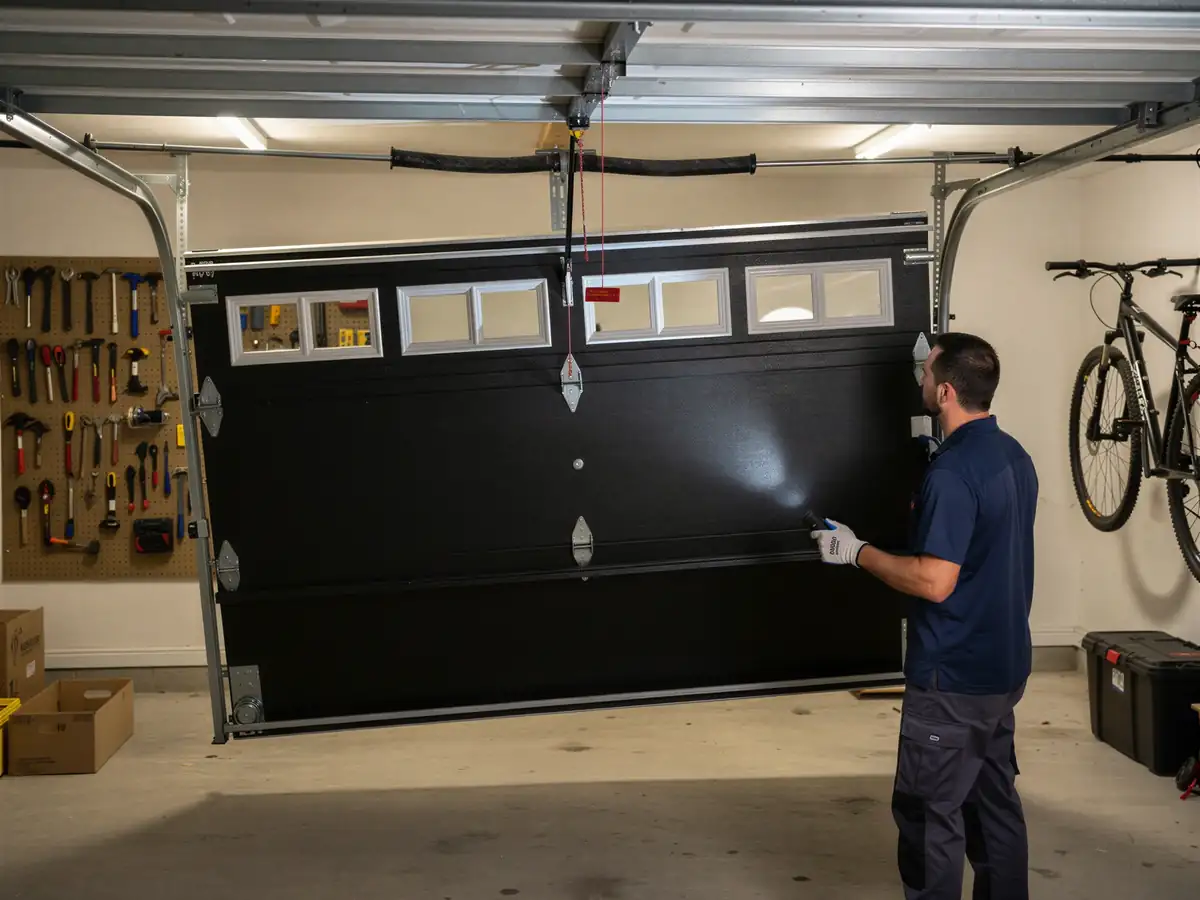
In the worst cases a roller stem snaps clean and the panel drops out of track on one side. That's not a lubricate-it-and-see job anymore - that's a door off its rail, and depending on which roller let go, it can take the track bracket with it.
On older steel track specifically, you'll also sometimes see rust flaking off the rail right where a roller has been grinding a groove into it over the years. That groove doesn't fix itself with a new roller - the track usually needs attention at the same spot.
What the Fix Involves
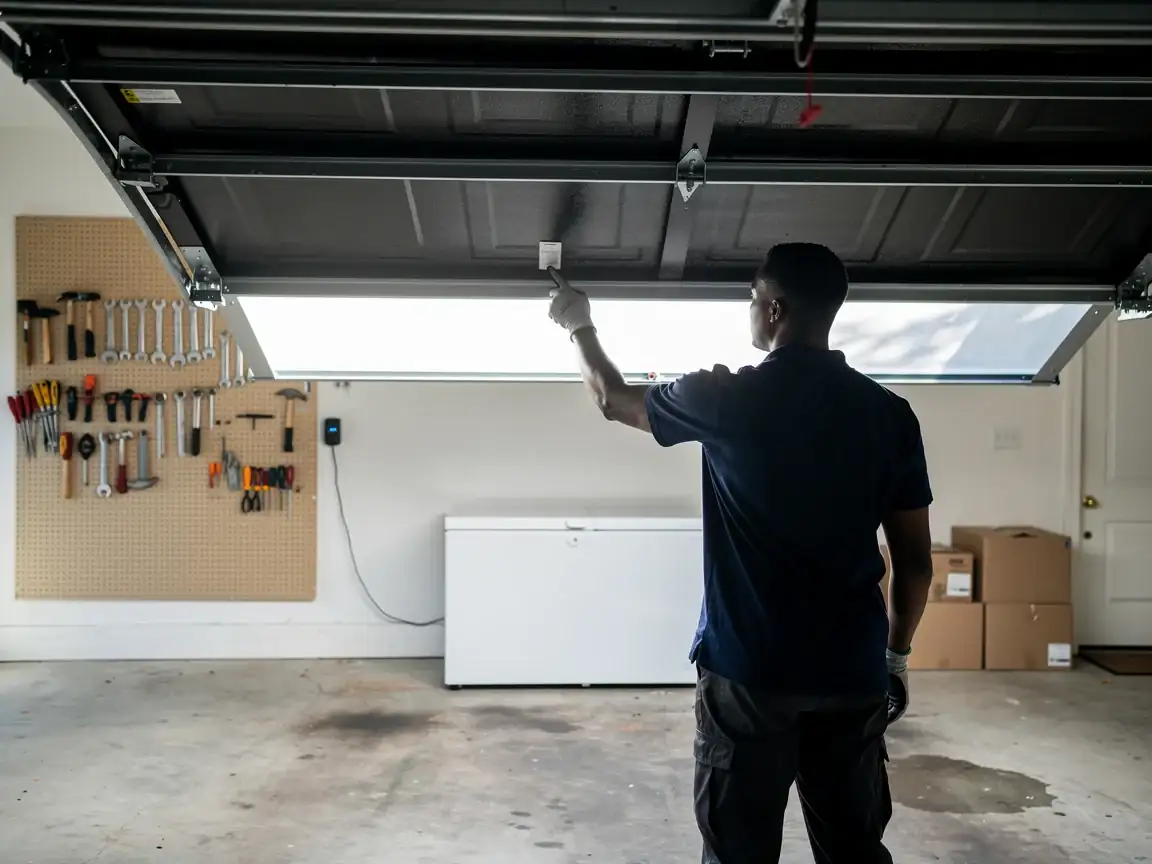
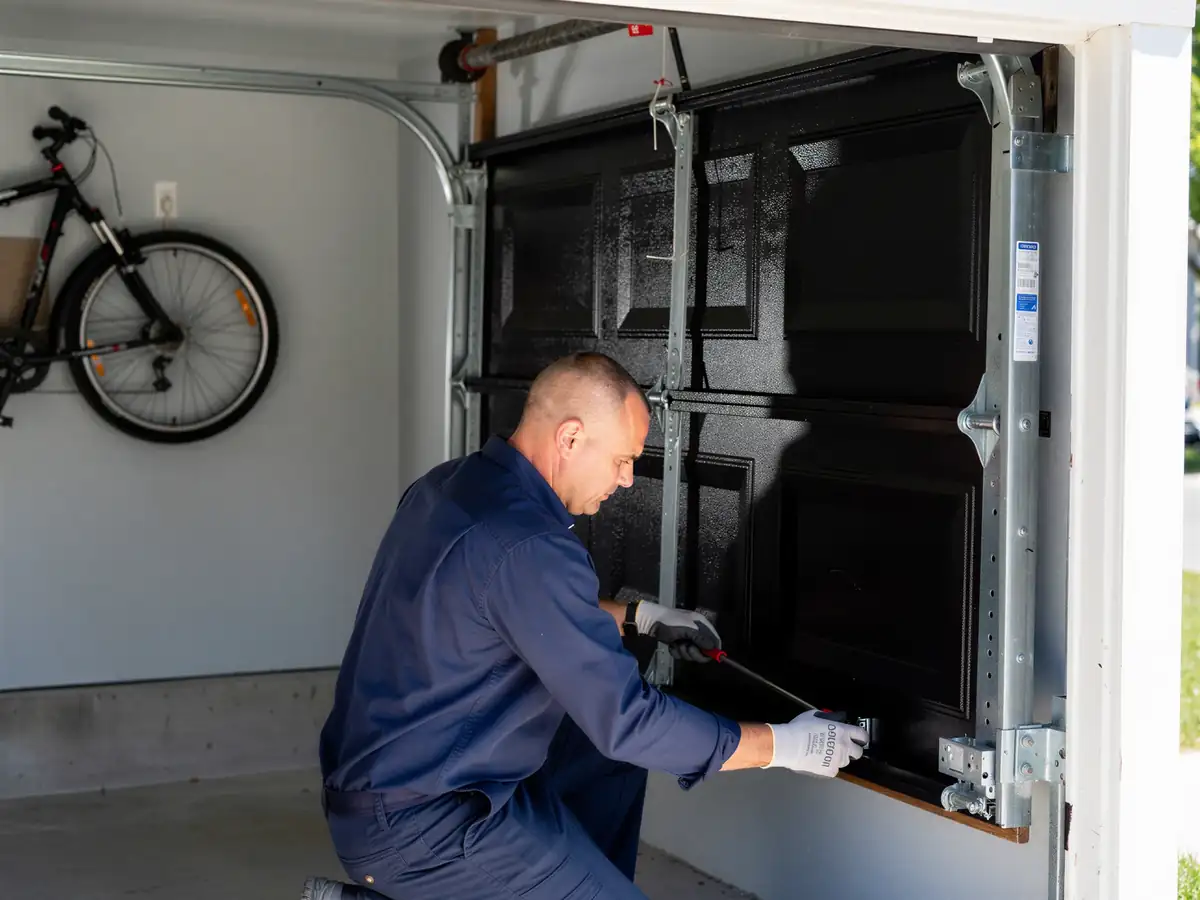
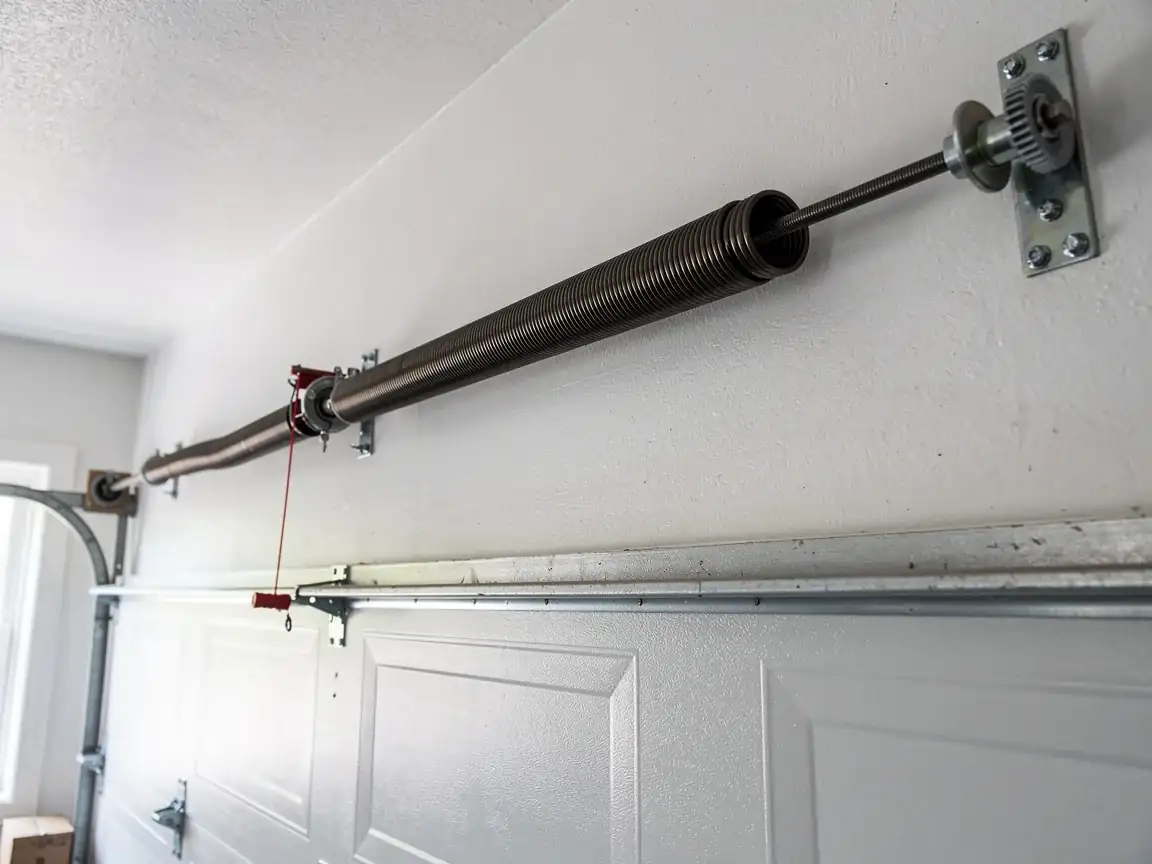
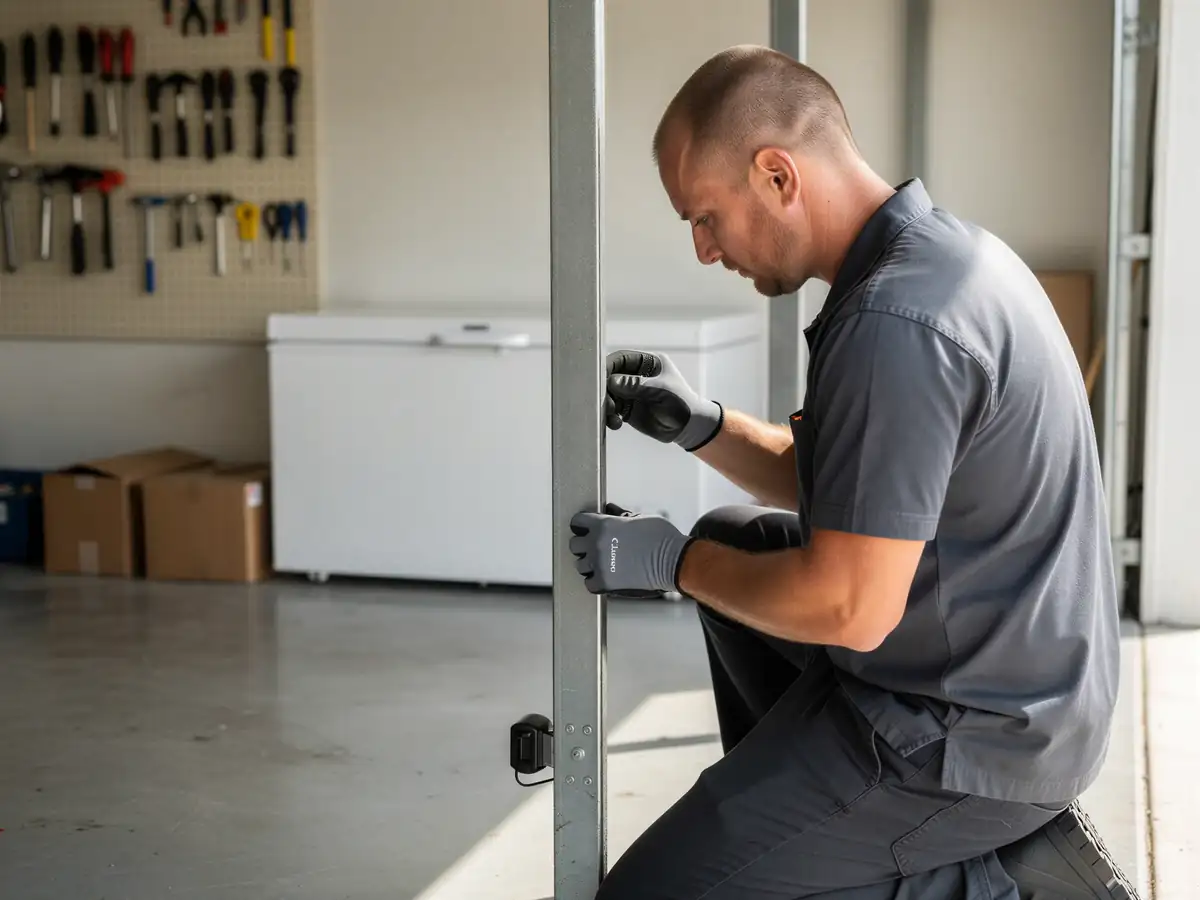
We pull the door down to working height, release spring tension safely
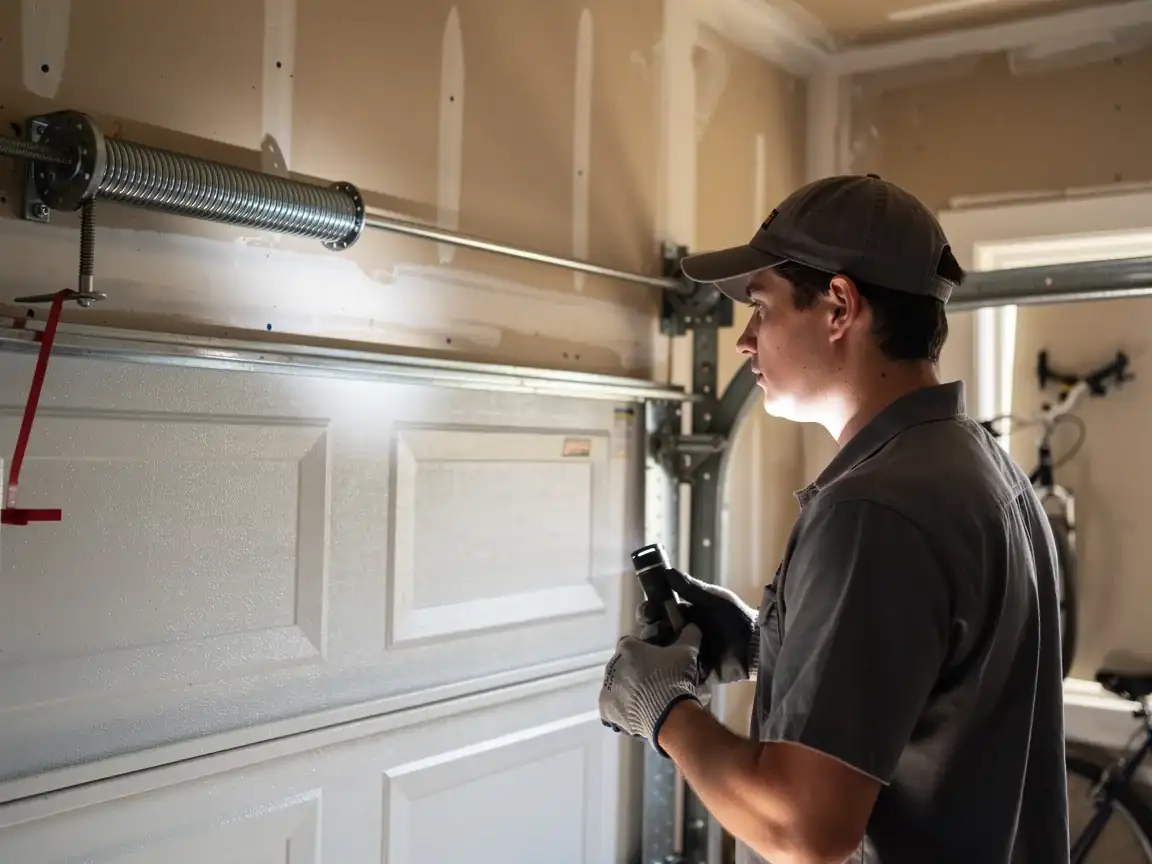
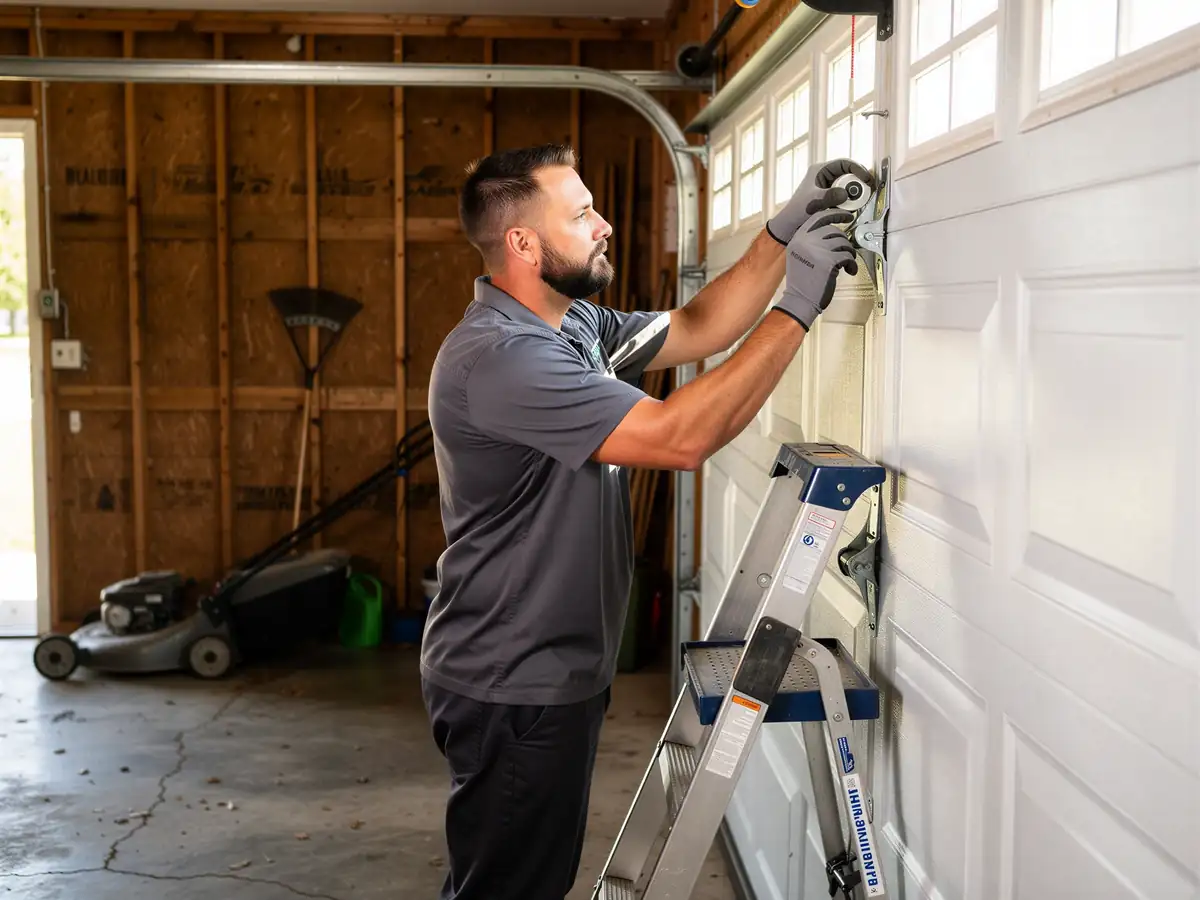
And walk the track roller by roller, checking stem play and bearing drag by hand - not just by eye. Any roller with side-to-side play in the stem or a bearing that doesn't spin free gets replaced, not greased and reused.
On original 1960s-70s track we check the rail itself for grooving or widening at the wear point before we put a new roller back into it
A new roller riding a worn-out groove in old track wears out again fast - that's a case where we'll tell you the track segment needs replacing too, not just the roller.
We set and check rail alignment and plumb before closing the job out
Because a new roller in a track that's slightly out of alignment just transfers the wear problem to the next roller in line within a year or two.
What we don't do: patch a roller that's already thrown metal into the track
Or reuse a stem bracket that's bent. Both of those come back worse, and it costs you twice.
The Cost of This Job
We don't publish a flat number here because roller jobs on original steel track vary more than they do on newer doors - sometimes it's four rollers on one side, sometimes it's the full set plus a short run of track, and that difference matters on an income base where the median household is around $61,139 a year. We'll tell you up front what we see on your door before any work starts, not after.
What we can say: a roller-only job, caught early before a stem snaps or a rail grooves out, is a smaller job than one where the door's already dropped out of track. The failure mode in this write-up - worn steel rollers on original track from the 1938-1969 housing era - is exactly the kind of thing that's cheaper fixed at the grinding-noise stage than at the dropped-panel stage.