Why This Fails Locally
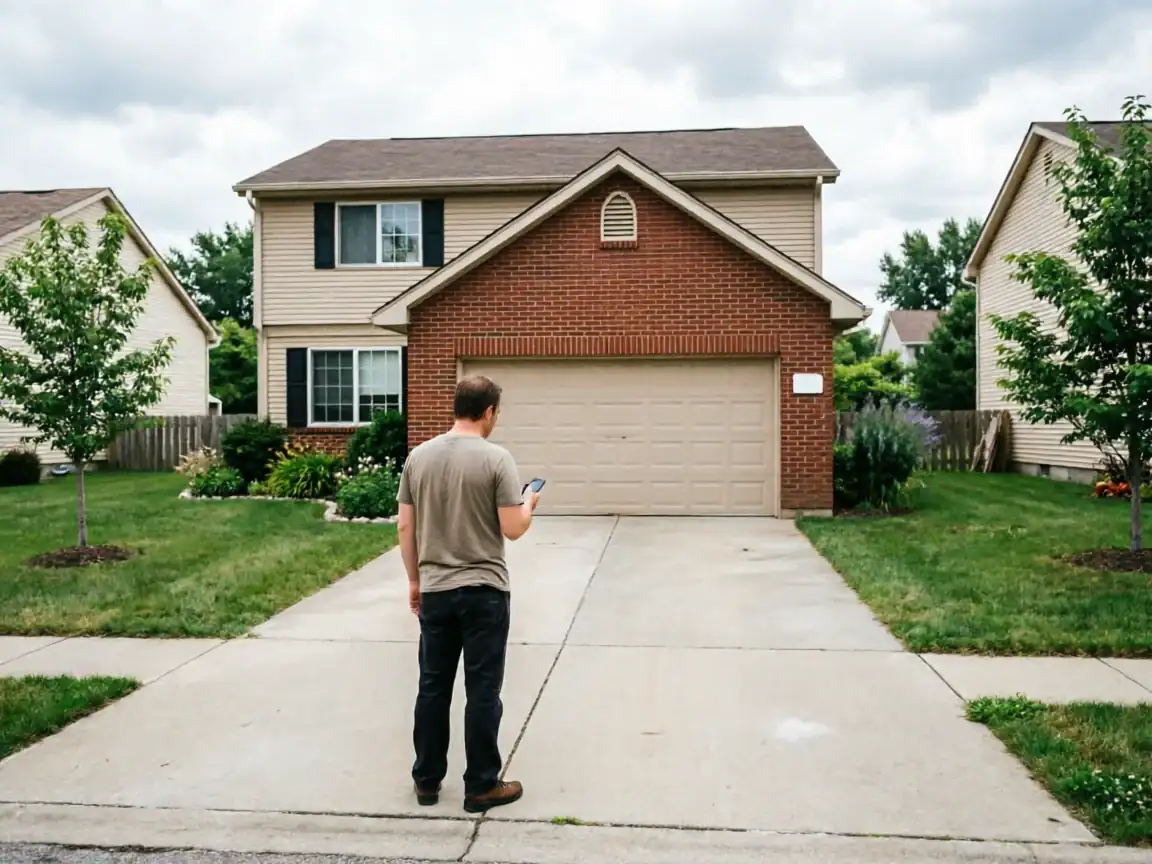
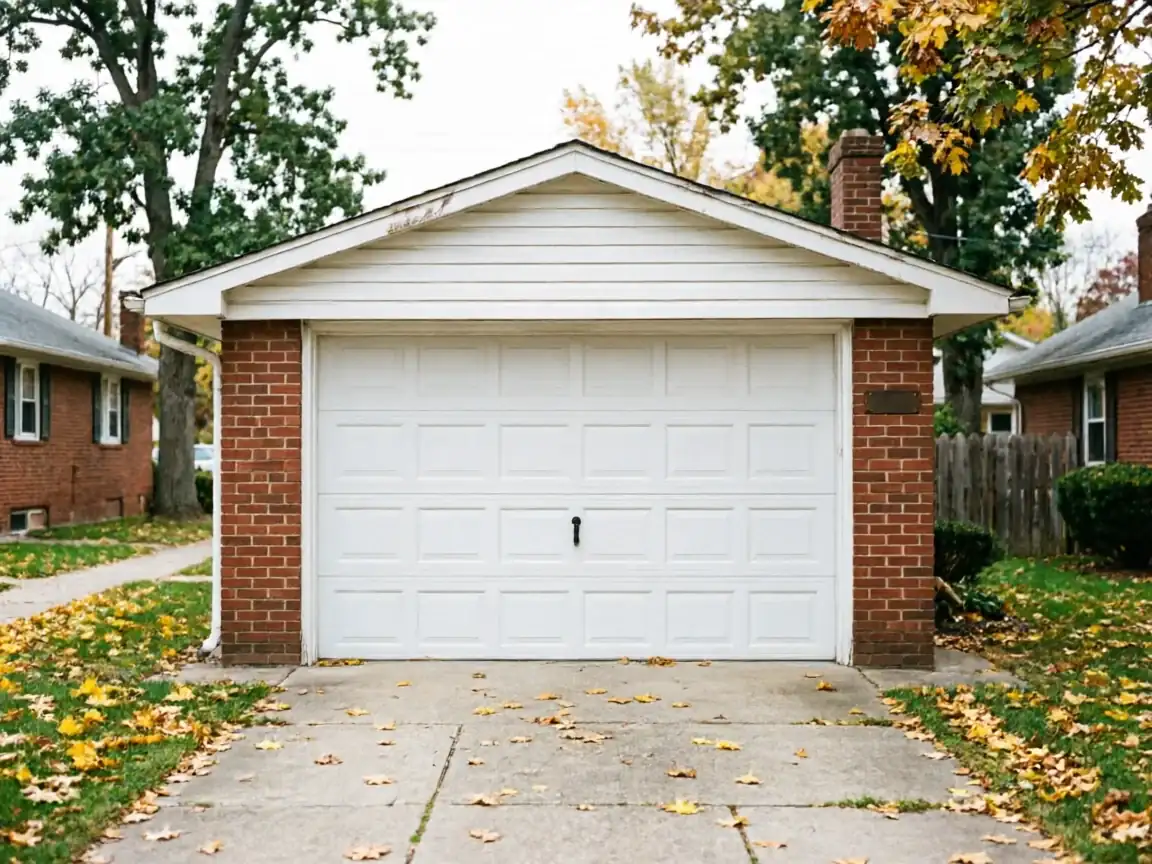
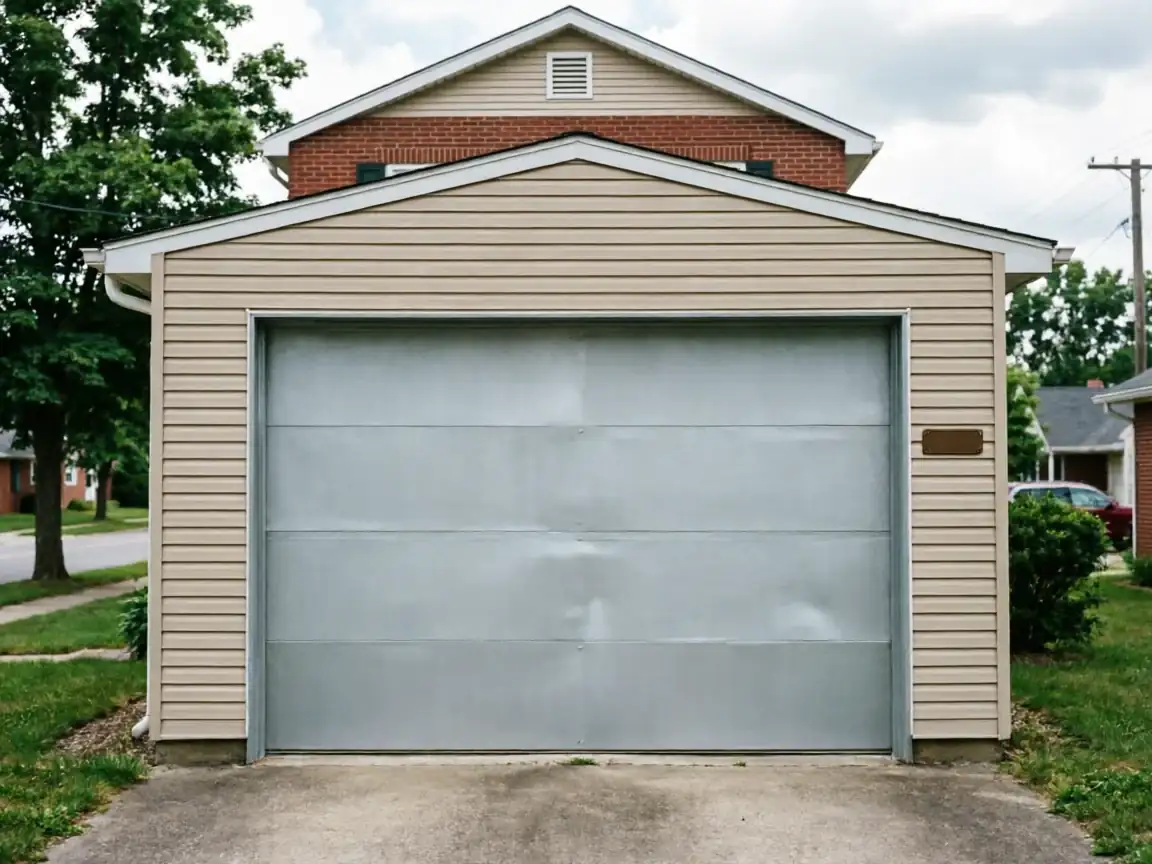
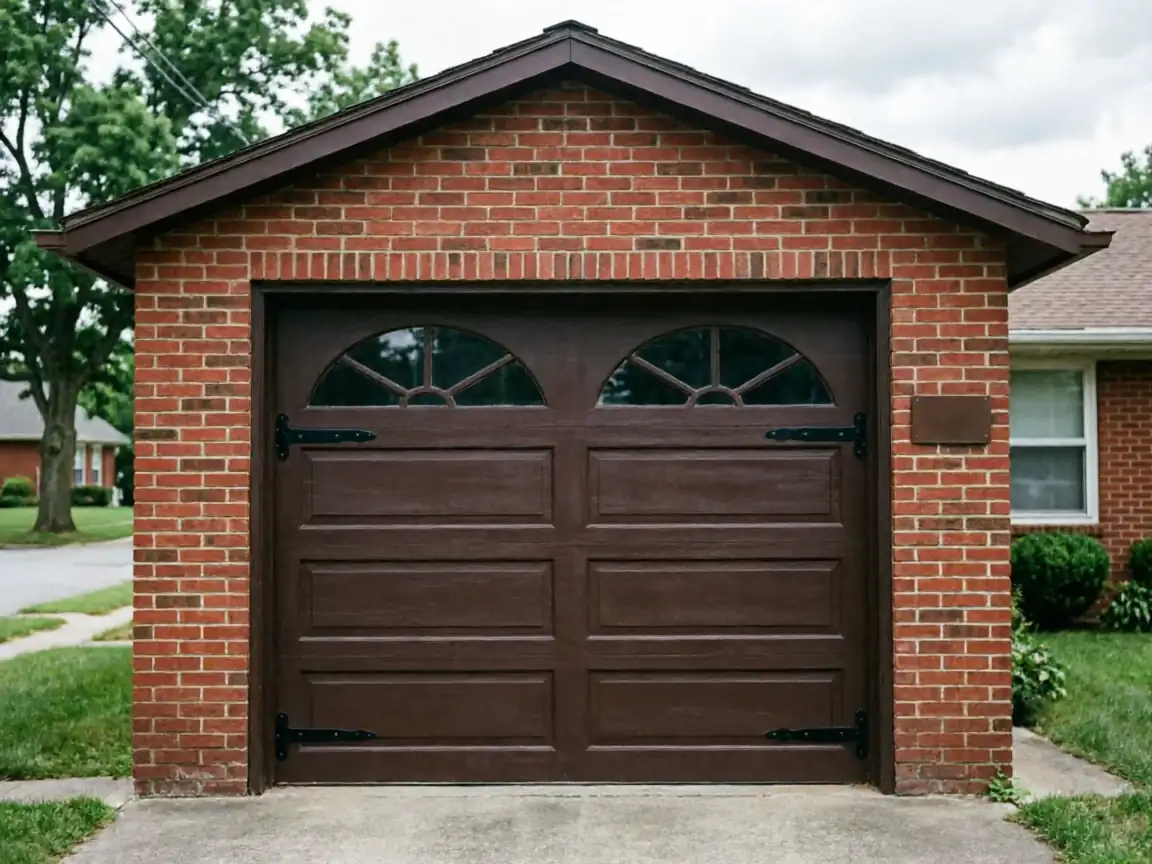
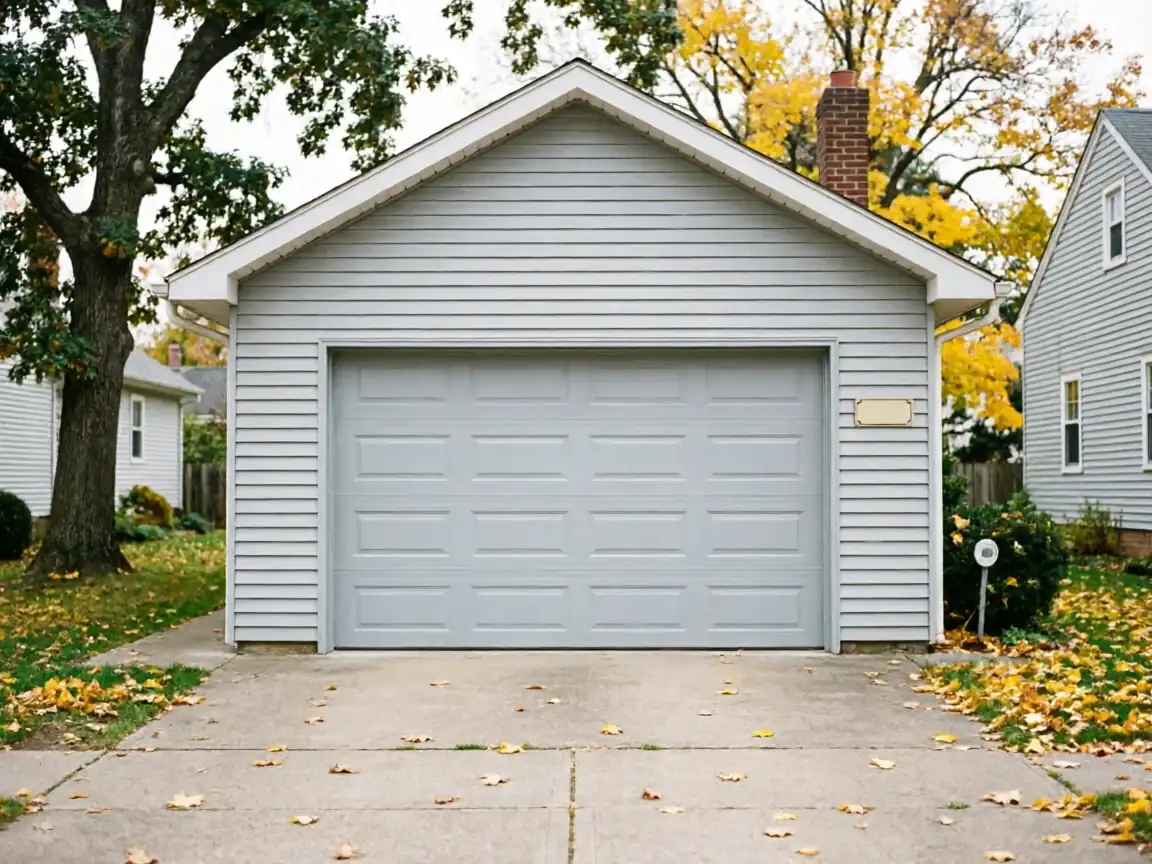
Quincy's housing stock mostly went up between 1938 and 1969, with the median build year landing at 1964. That means a lot of garages still have the door, track, and opener that came with the house, or a direct replacement from decades back. Across the four older areas that make up most of this service area, the common stock is 1960s and 70s build, which is a specific generation of garage hardware: single-layer steel panels, galvanized track that's thinner than what's made now, and springs sized for doors lighter than today's insulated models.
Add the climate. This area sits in a cold, moderate band, and that means real freeze-thaw cycling every winter. Steel track contracts in the cold and expands as the garage warms through the day, and over fifty-plus winters that cycle works the mounting bolts loose and glazes the rollers. A door built in 1964 wasn't engineered to flex through sixty winters of that cycle, and it shows. This isn't a story about bad luck or one bad storm. It's what original-era hardware does on a long enough timeline, in a climate that doesn't let it rest.
How It Shows Up
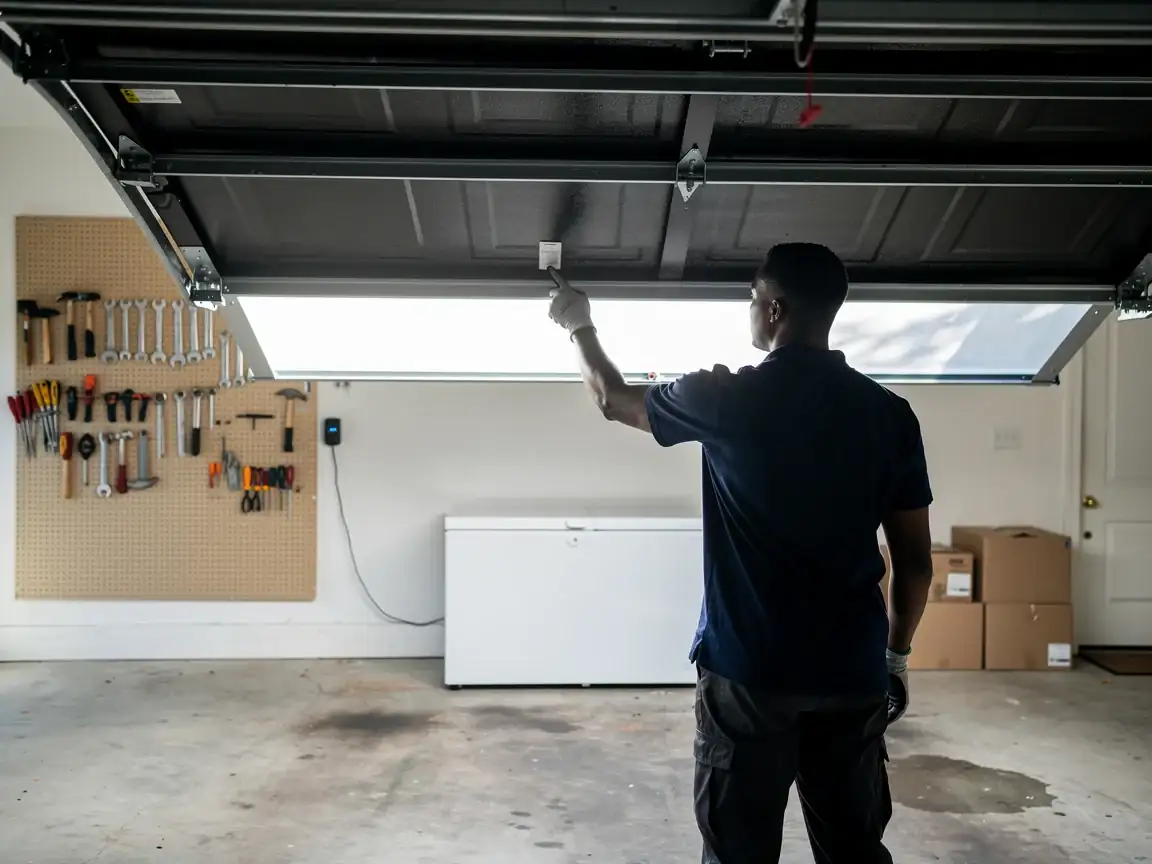
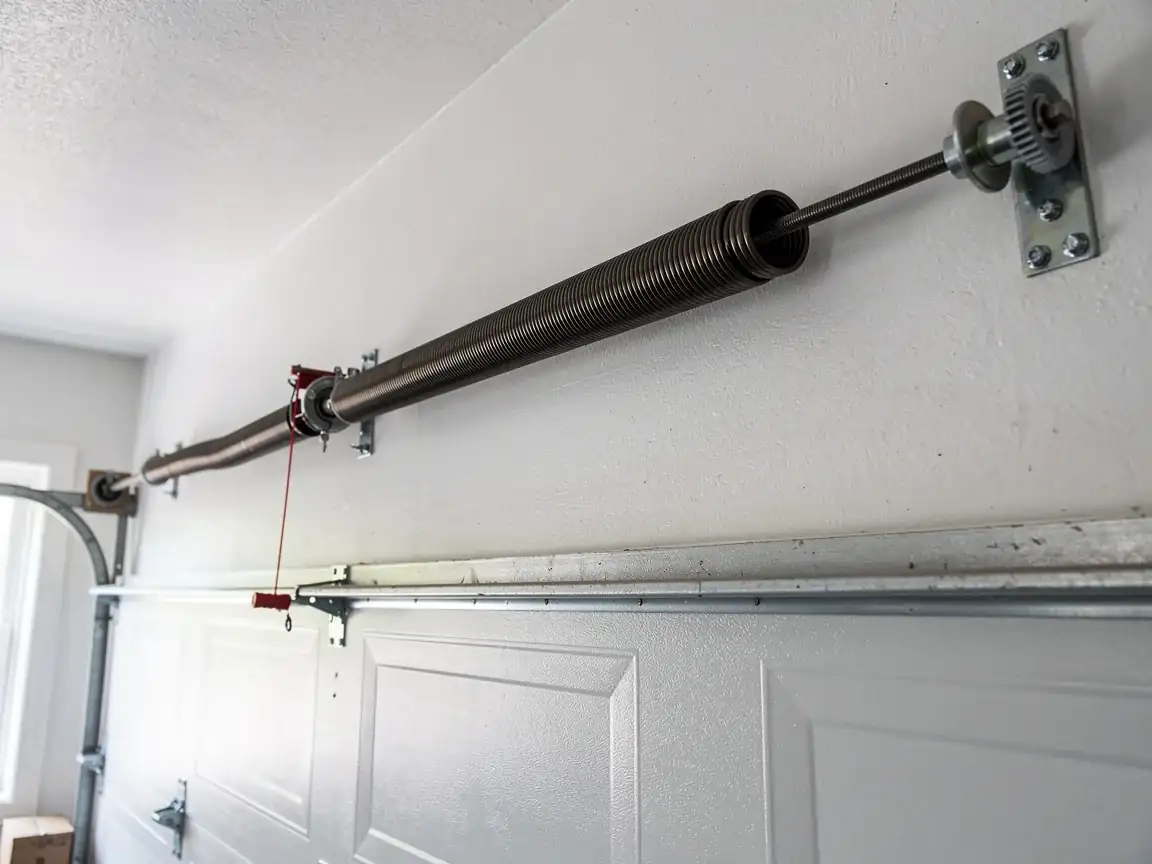
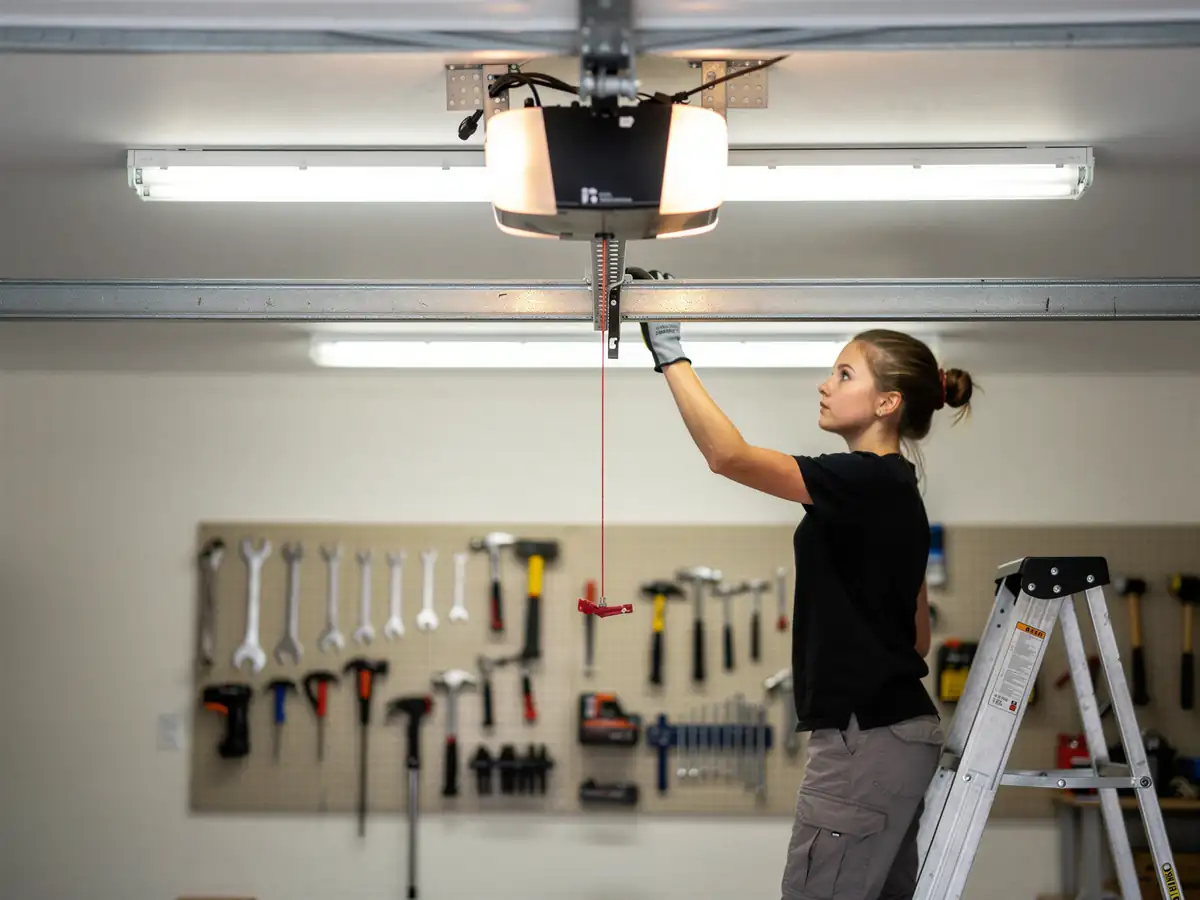
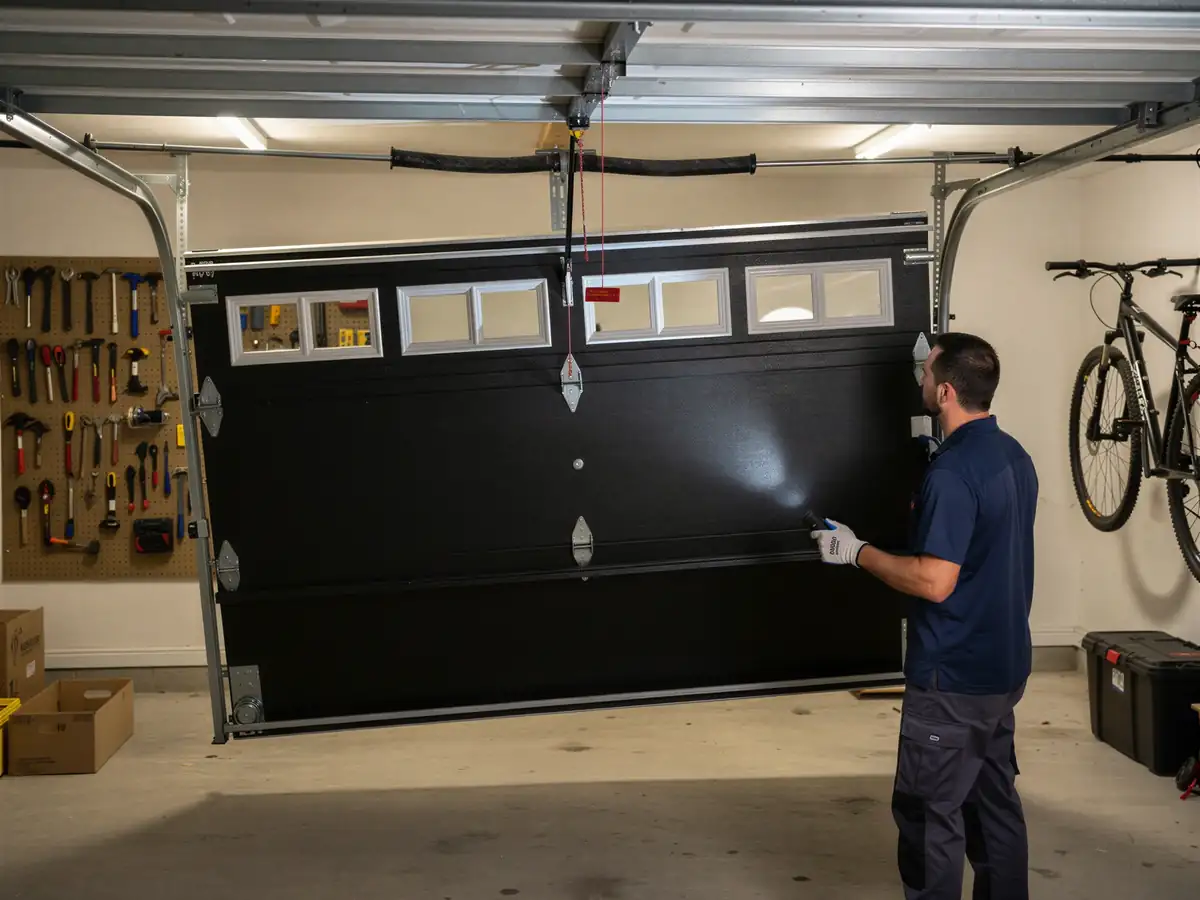
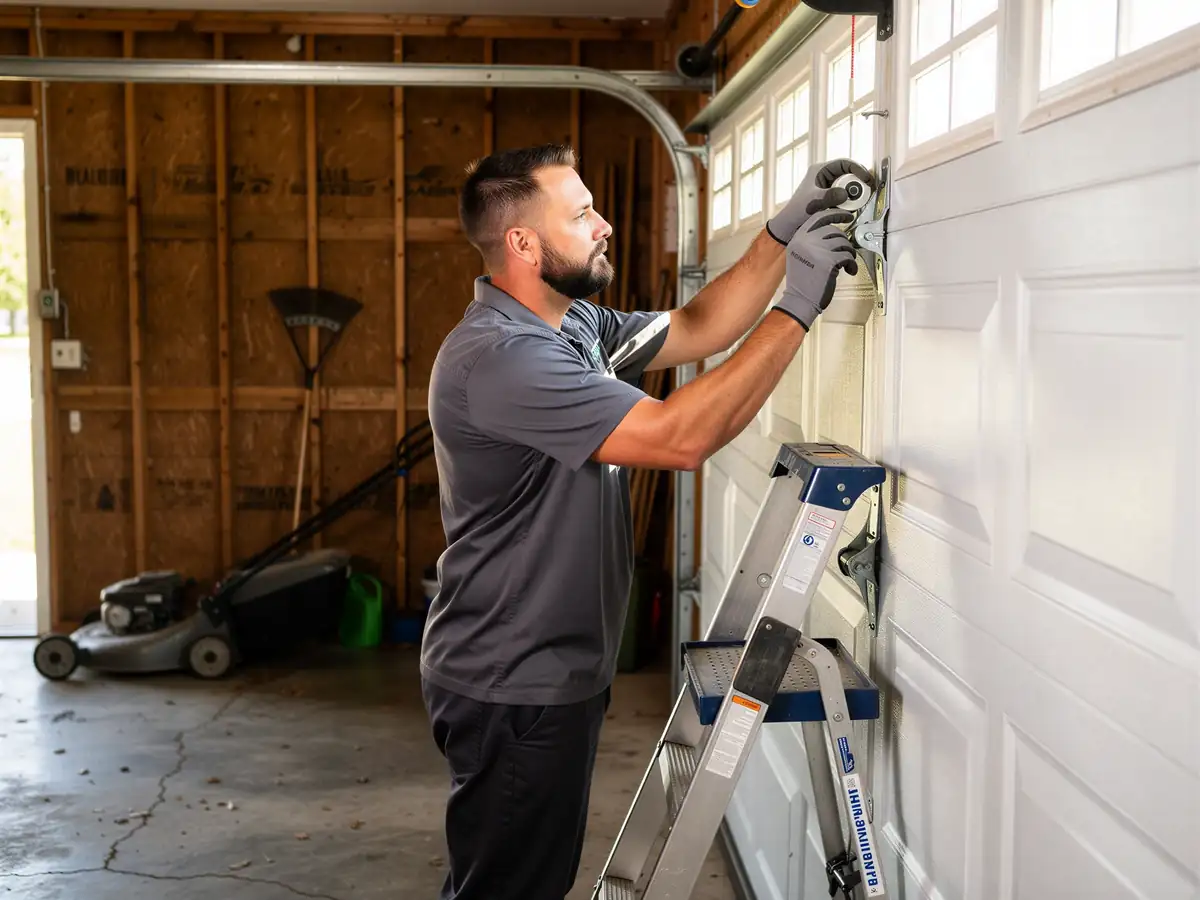
The door starts hanging crooked in the frame, binding on one side as it closes, usually the first sign the track has drifted out of plumb from decades of expansion and contraction. The opener strains and makes a new noise, or reverses partway up because the spring is no longer carrying its share of the door's weight. Weatherstripping that's original to a 1960s install has usually hardened and cracked, letting cold air and leaves under the bottom panel.
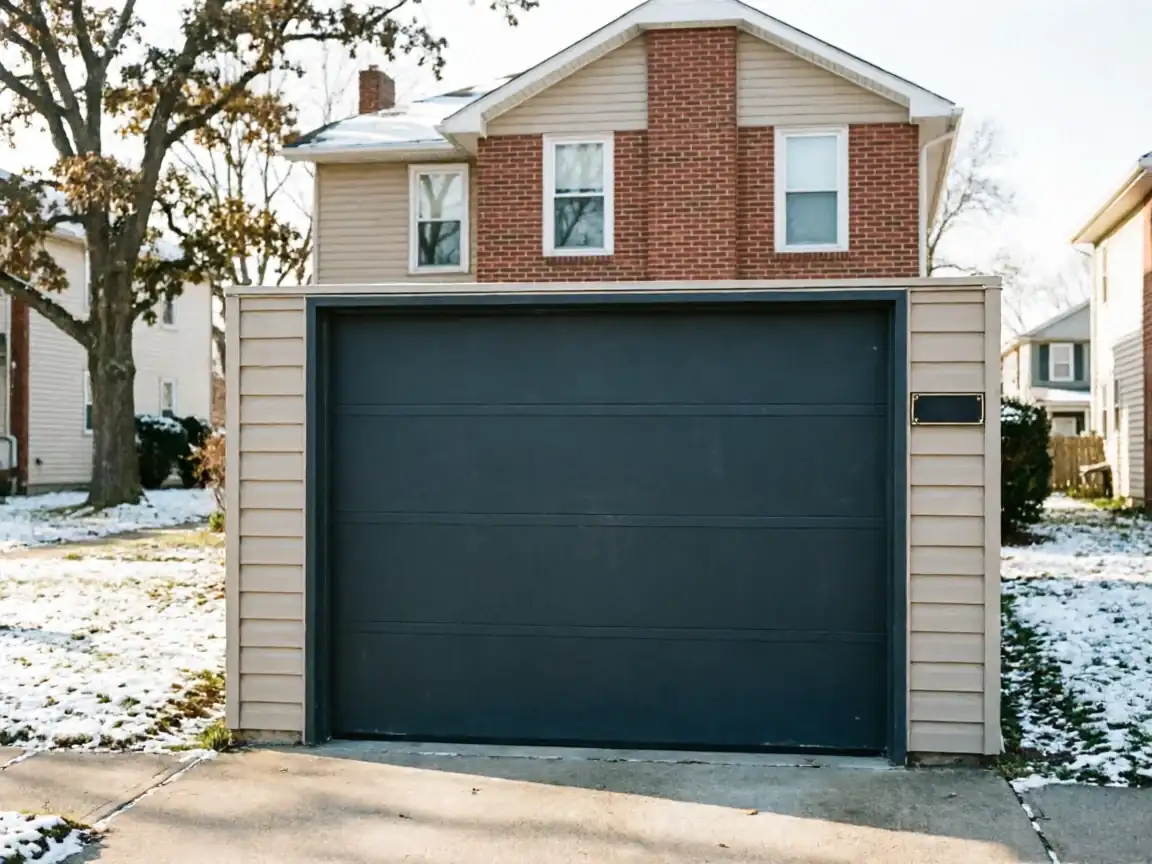
Across the roughly 1,076 households this area covers, with about 720 of those owner-occupied houses, a good share still have an opening and header framed to a 1960s-era door size. That matters when it's time to replace, not repair: a straight swap for a new door in the old opening is usually fine, but if the house has settled or the opening was never quite square, you find that out during install, not before. We tell people that upfront rather than promise a clean one-hour job sight unseen.
What the Fix Involves
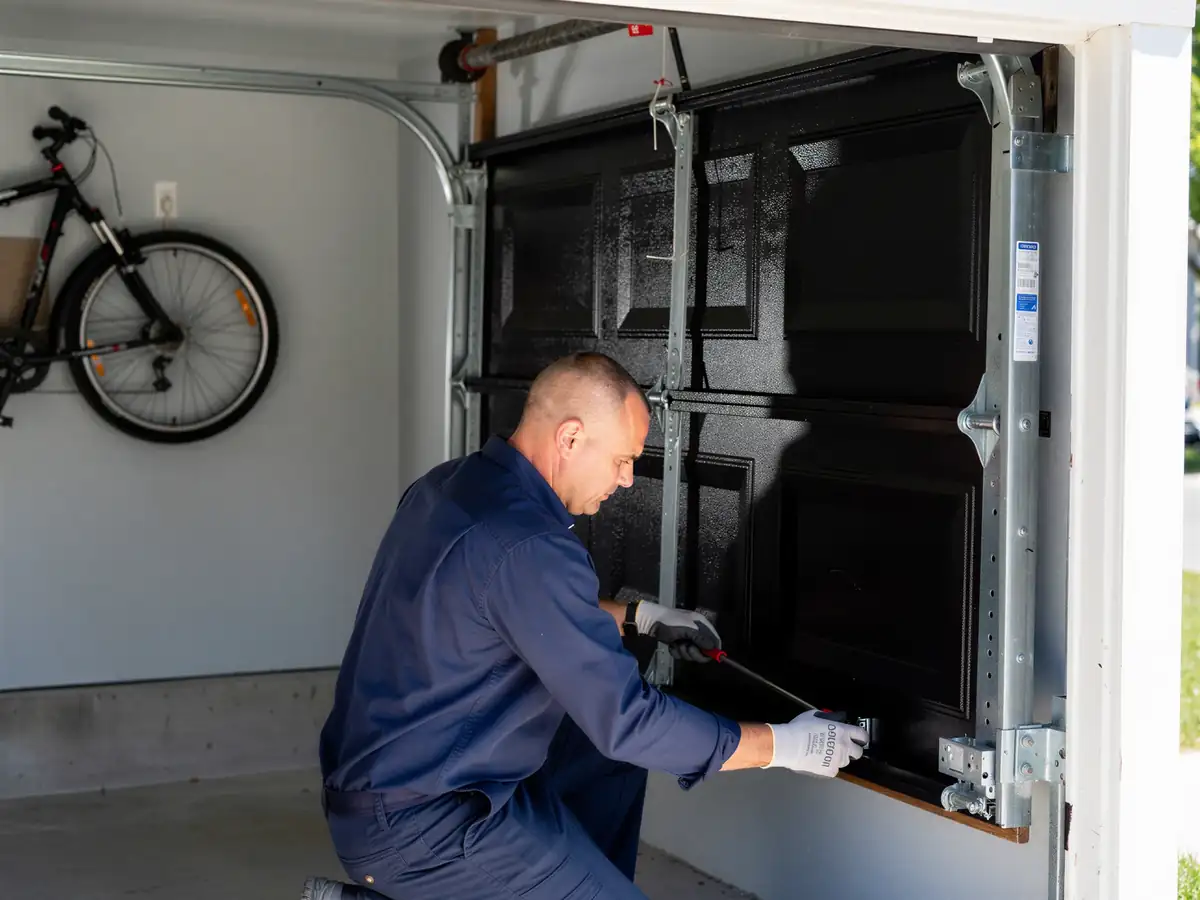
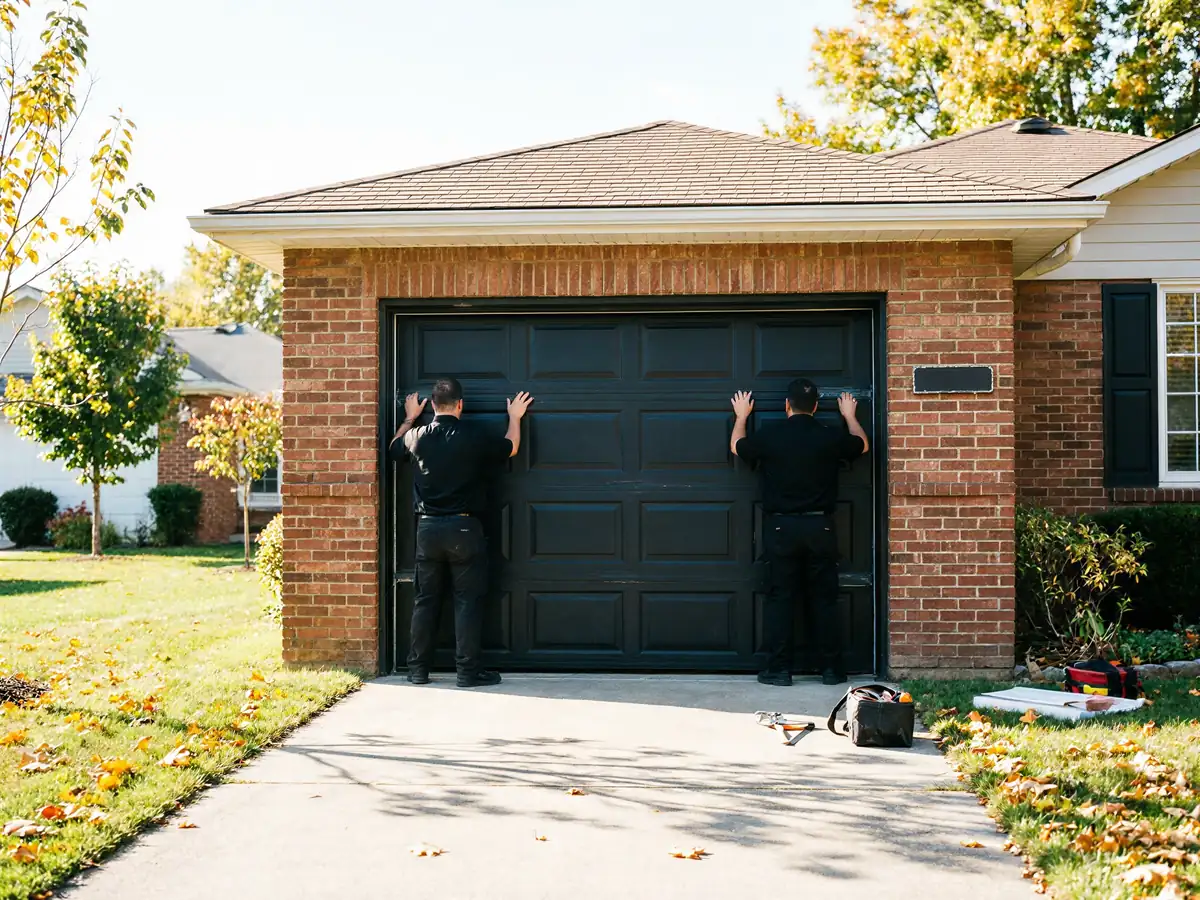
A proper install starts with pulling the old door and checking the opening itself
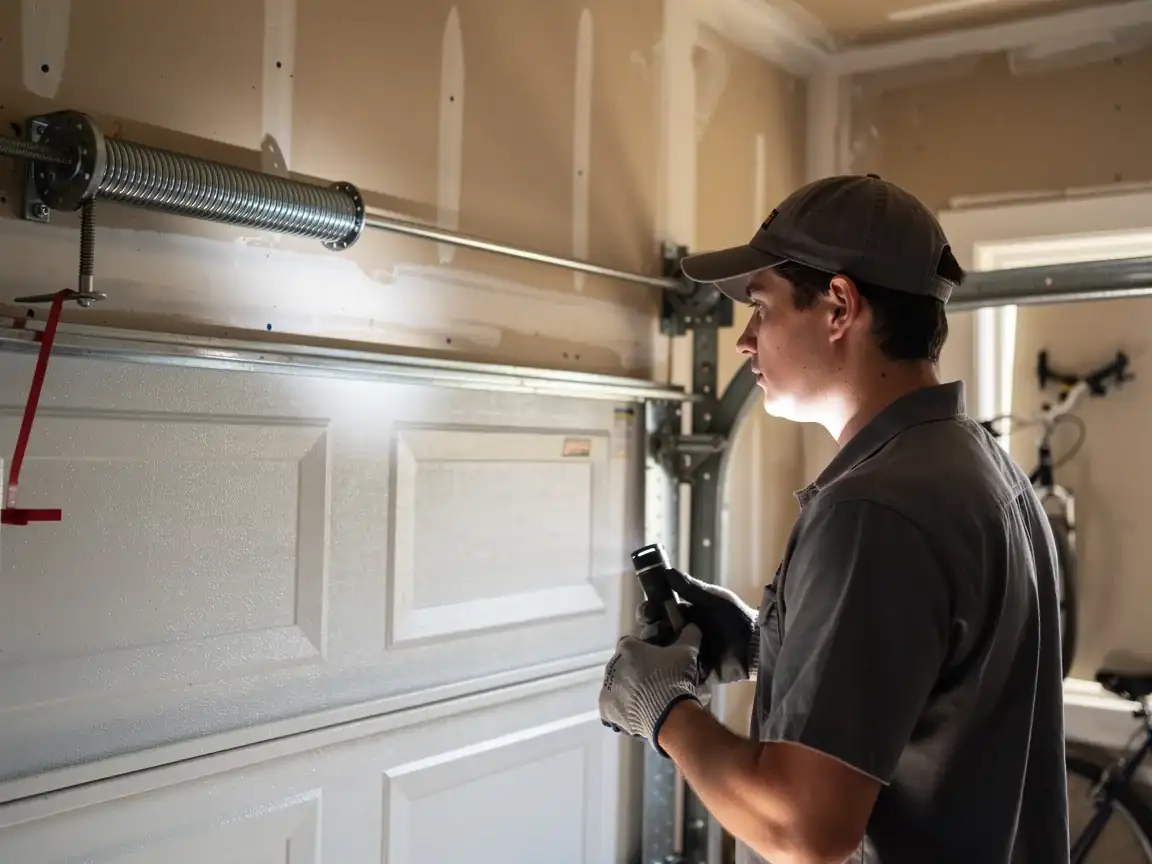
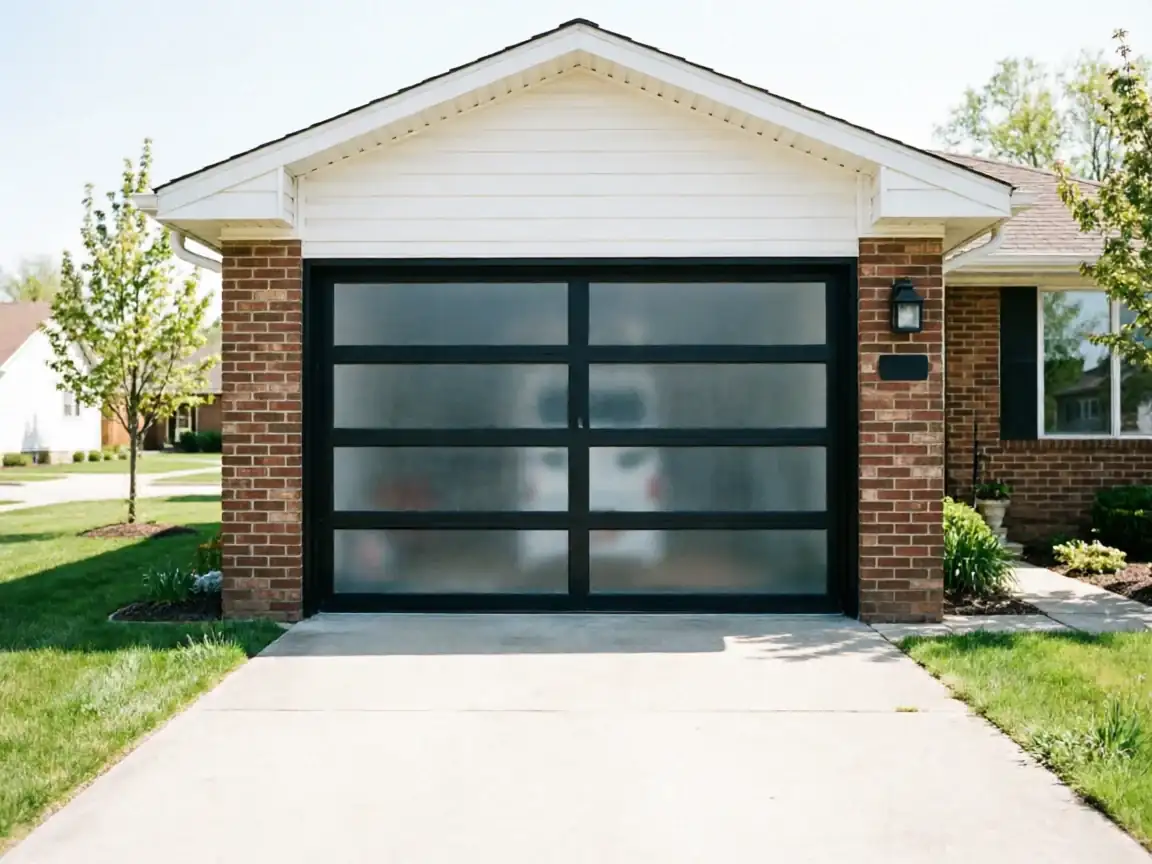
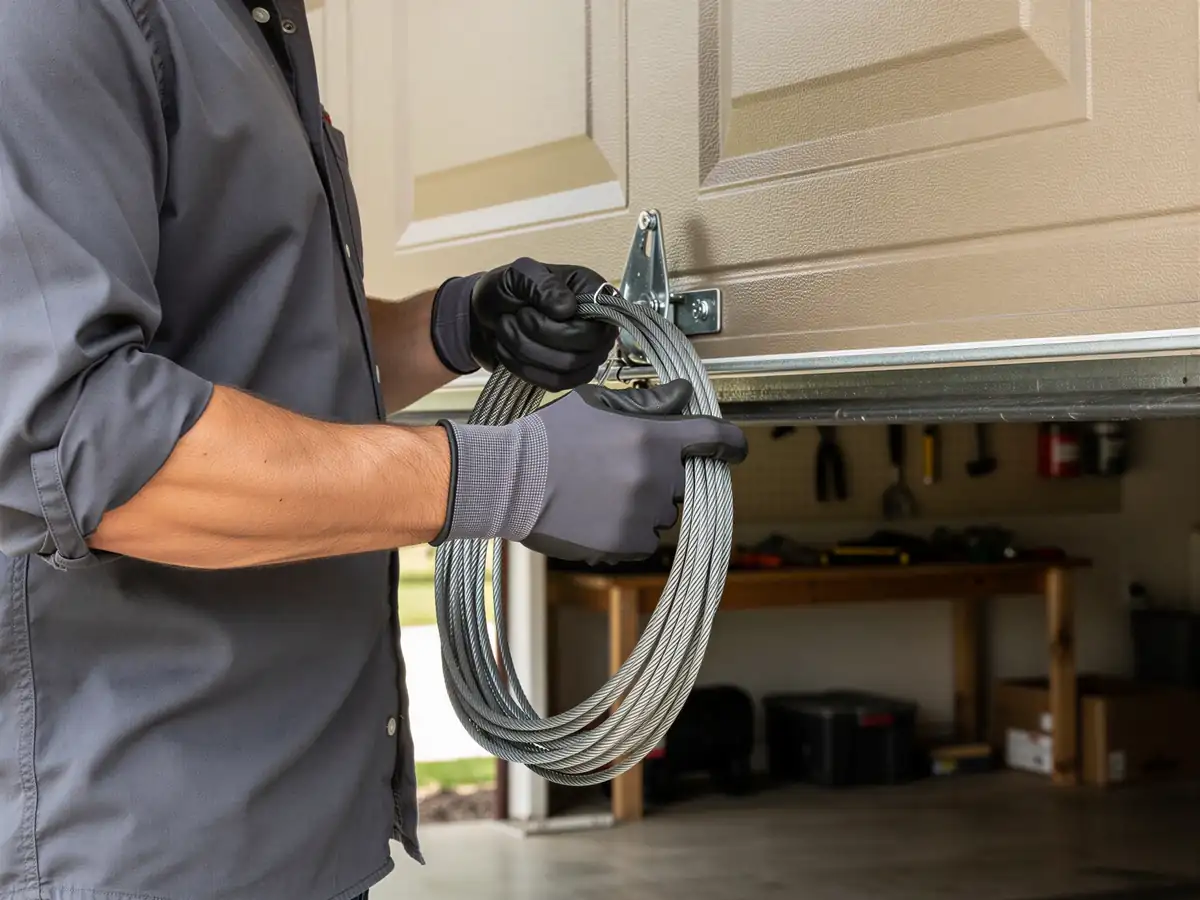
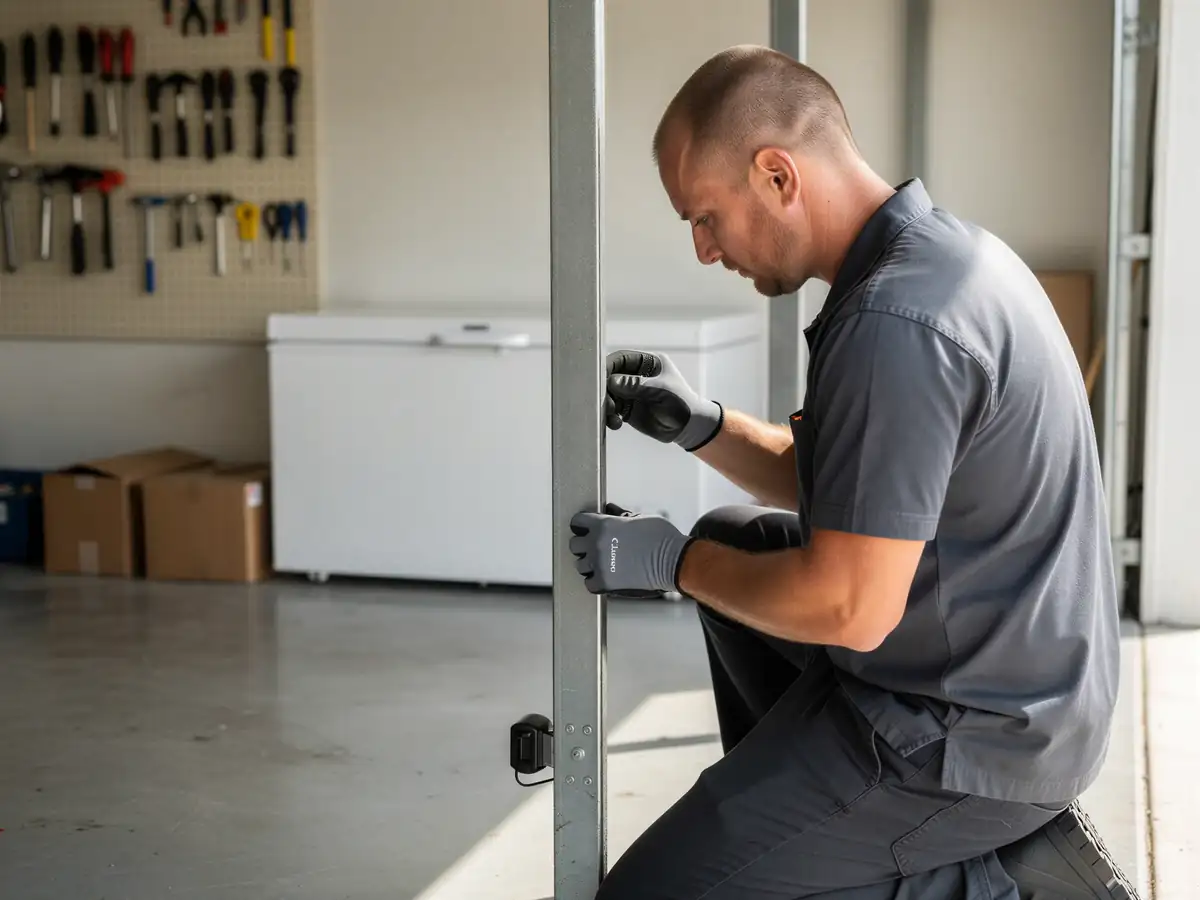
Not just hanging new panels on old track. If the jambs have shifted even a little, which happens on houses this age, the new track gets shimmed and reset square before anything else happens. Springs get sized to the actual door weight, not guessed at or reused from the old setup, since an insulated panel door weighs more than the steel-only door it's replacing.
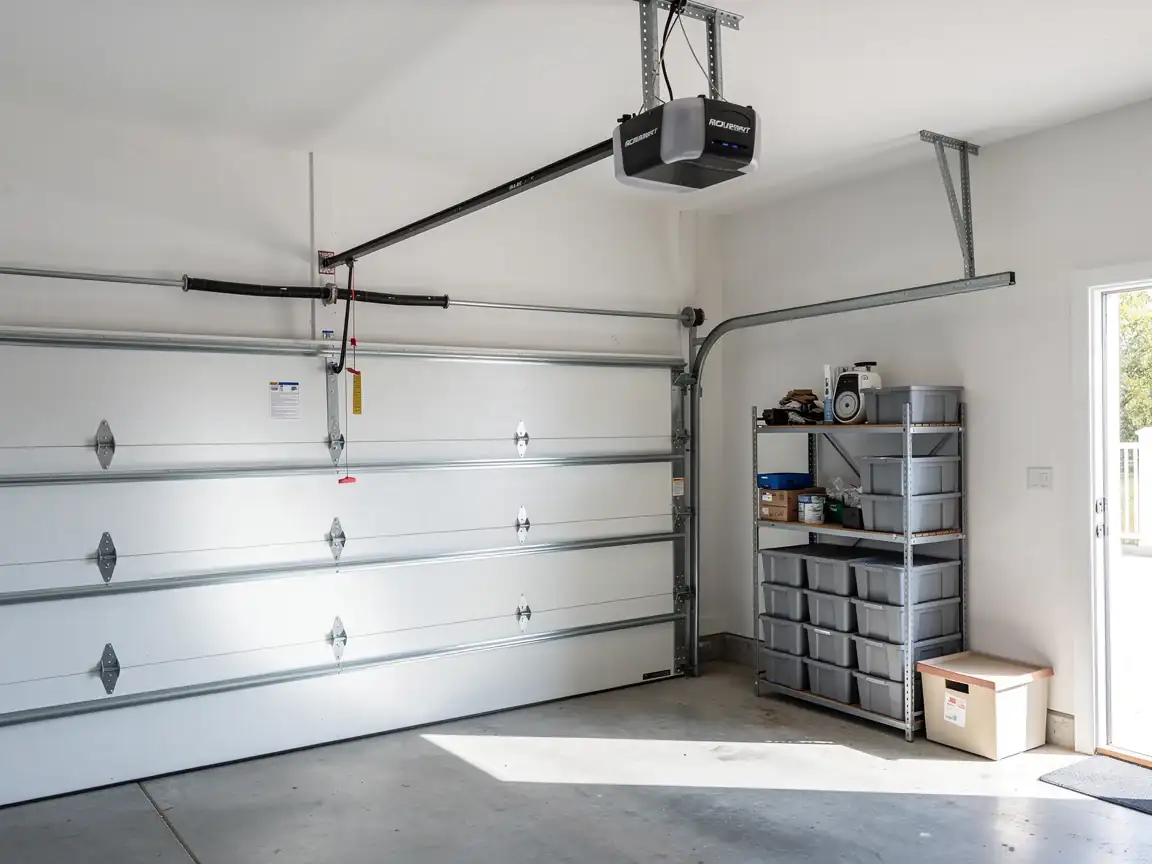
We also check the header and the opener mount
Since original 1960s framing wasn't built with today's heavier doors or openers in mind. Reinforcement brackets go in where needed rather than bolting a modern opener to lumber that's sixty years old and starting to split.
One limitation worth saying plainly
Wider doors and certain insulated panel styles aren't something we keep in stock on the truck. If your opening calls for a size outside the common run, expect a lead time on the door itself before install day, separate from any repair work on the opening.
The Cost of This Job
We don't post a flat number here because the opening and the condition of the framing change the job, and we'd rather give you an accurate number after a look than a figure that doesn't hold up once we're onsite. What we can say is how we think about it for this area: median household income here runs around $61,139, and most of the installs we size up are built around that reality rather than toward premium hardware nobody asked for.
The real cost swing isn't the door itself, it's what the opening needs before the door goes in. A straight swap into a square, sound opening costs less than a job where the header needs reinforcing or the track needs full reset because the jamb has shifted over sixty years of settling. We'll tell you which situation you're in before we quote anything, and if a repair makes more sense than a full replacement, we'll say that too rather than push a bigger job.