How It Shows Up
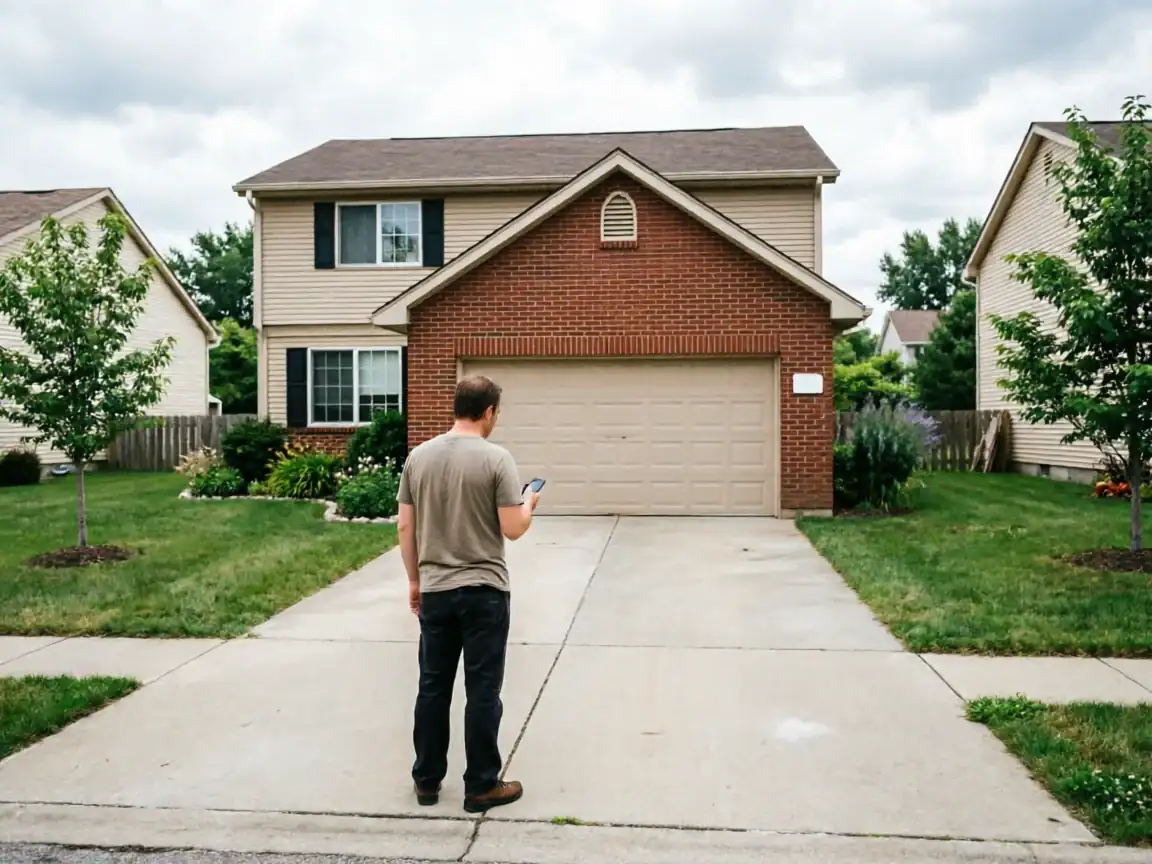
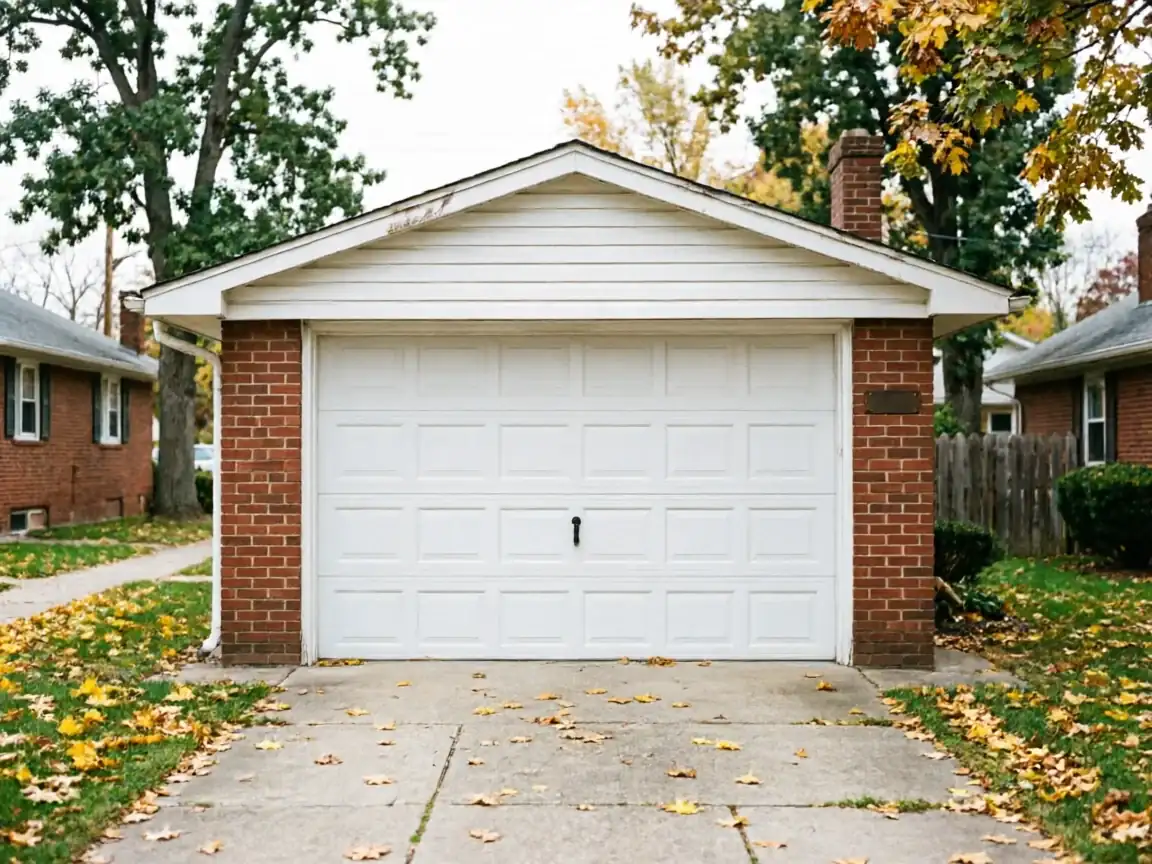
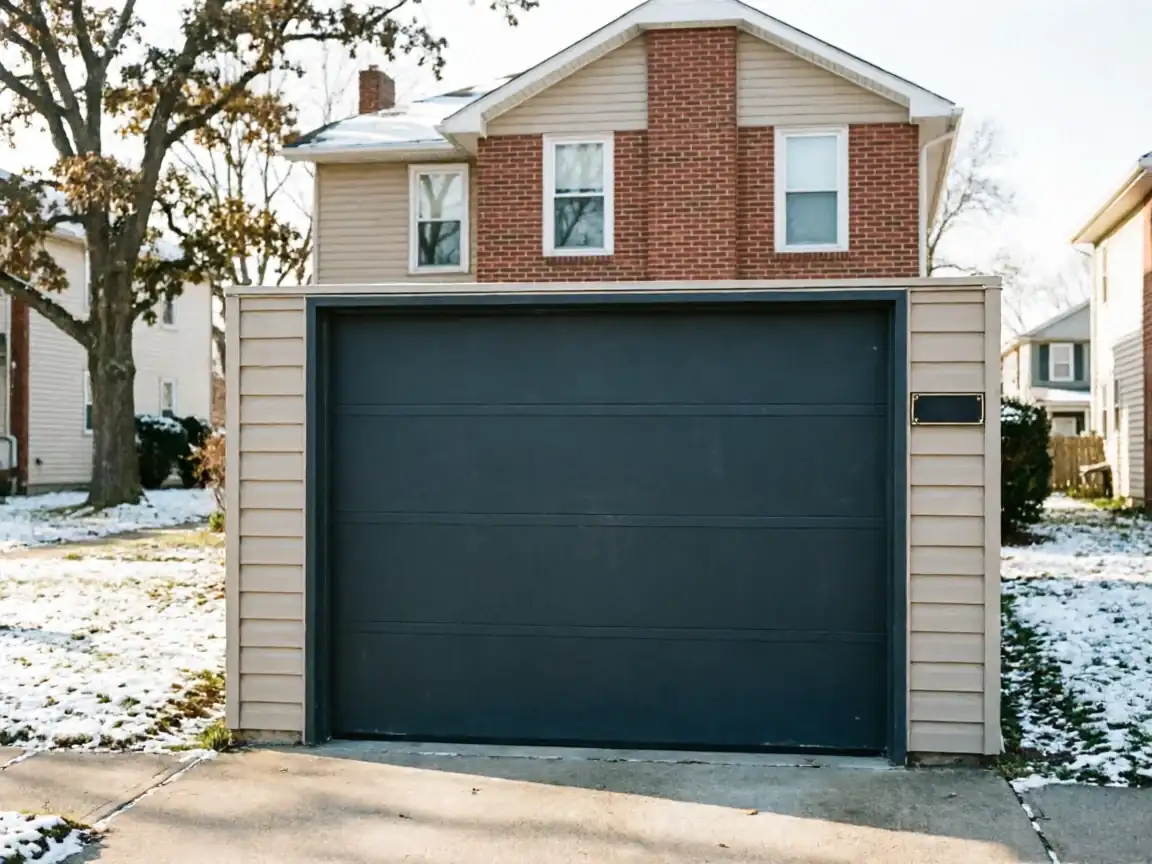
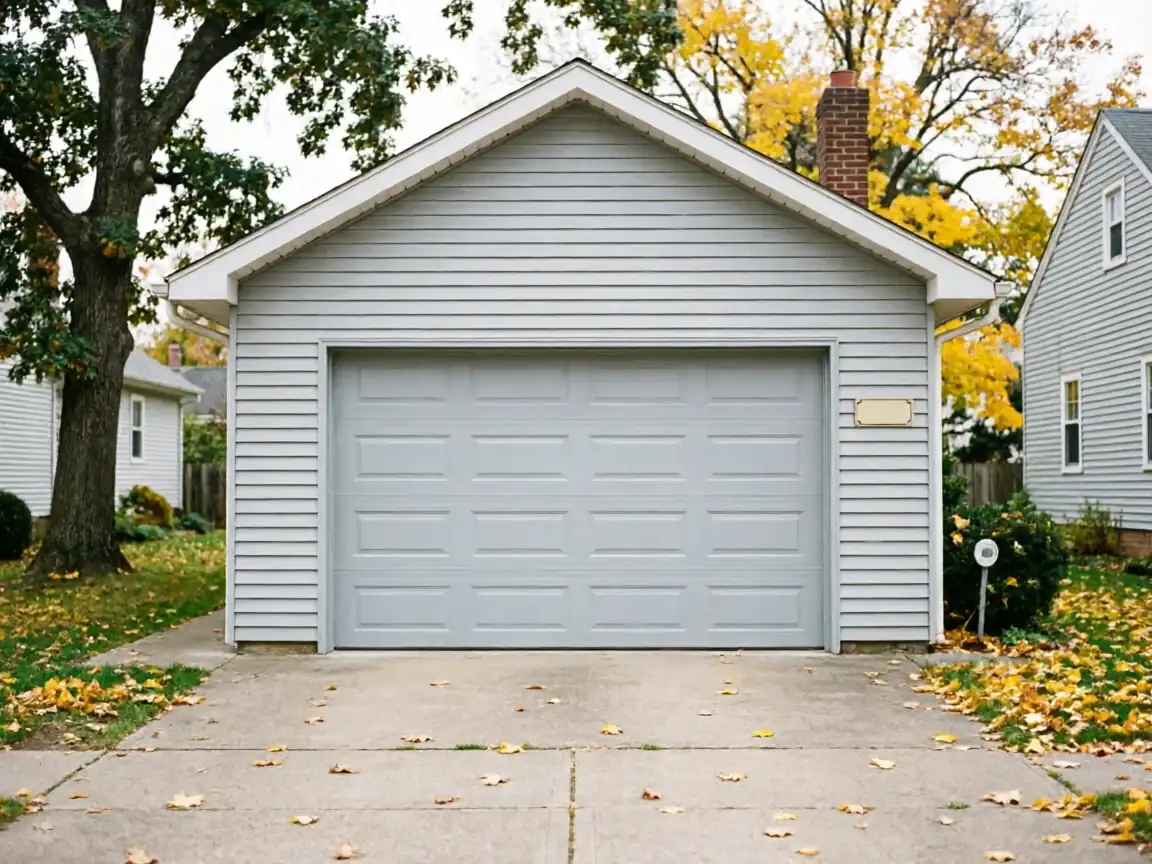
Camp Point's housing centers on 1960, a few years ahead of the 1964 median across the wider service area this company covers out of Quincy. That sounds like a small gap, but it's the difference between a house framed right at the start of the one-piece-door era and one framed closer to the end of it. Across the four communities this company reaches, the stock runs mostly 1960s-70s, and Camp Point sits on the early edge of that window.
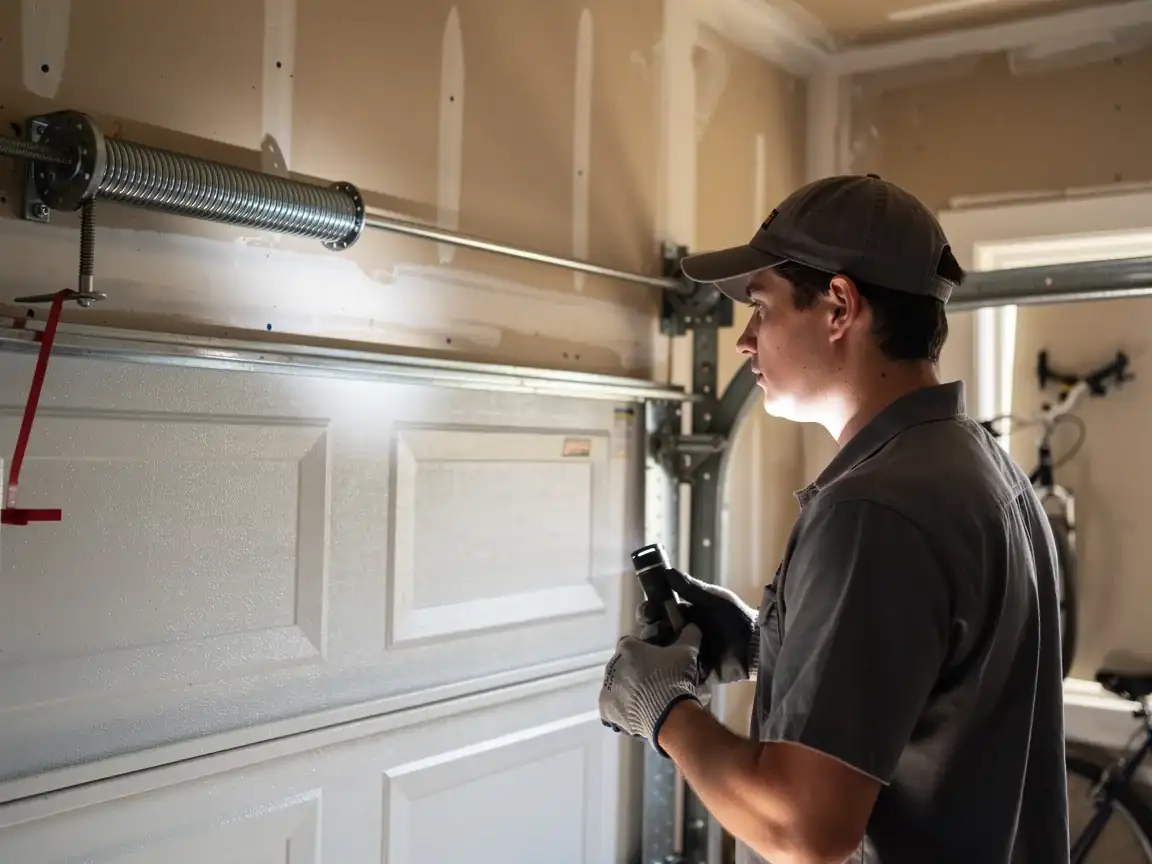
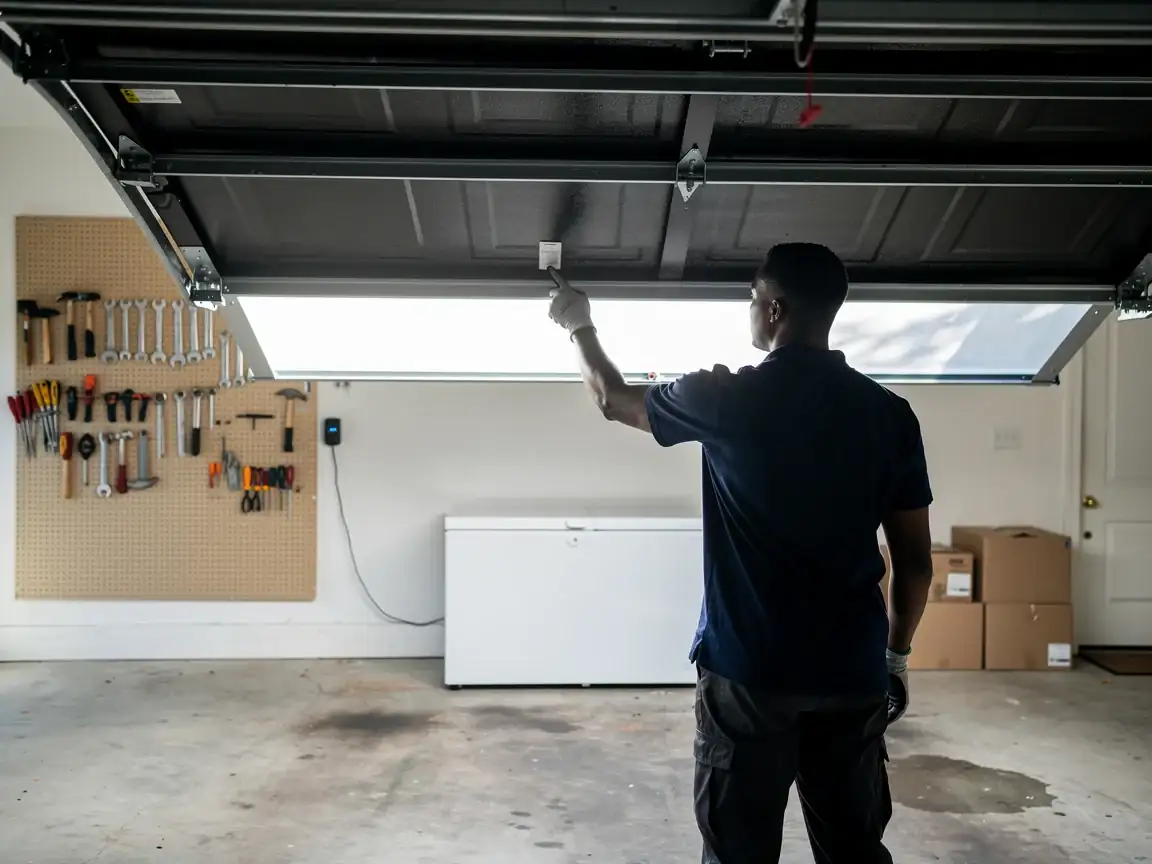
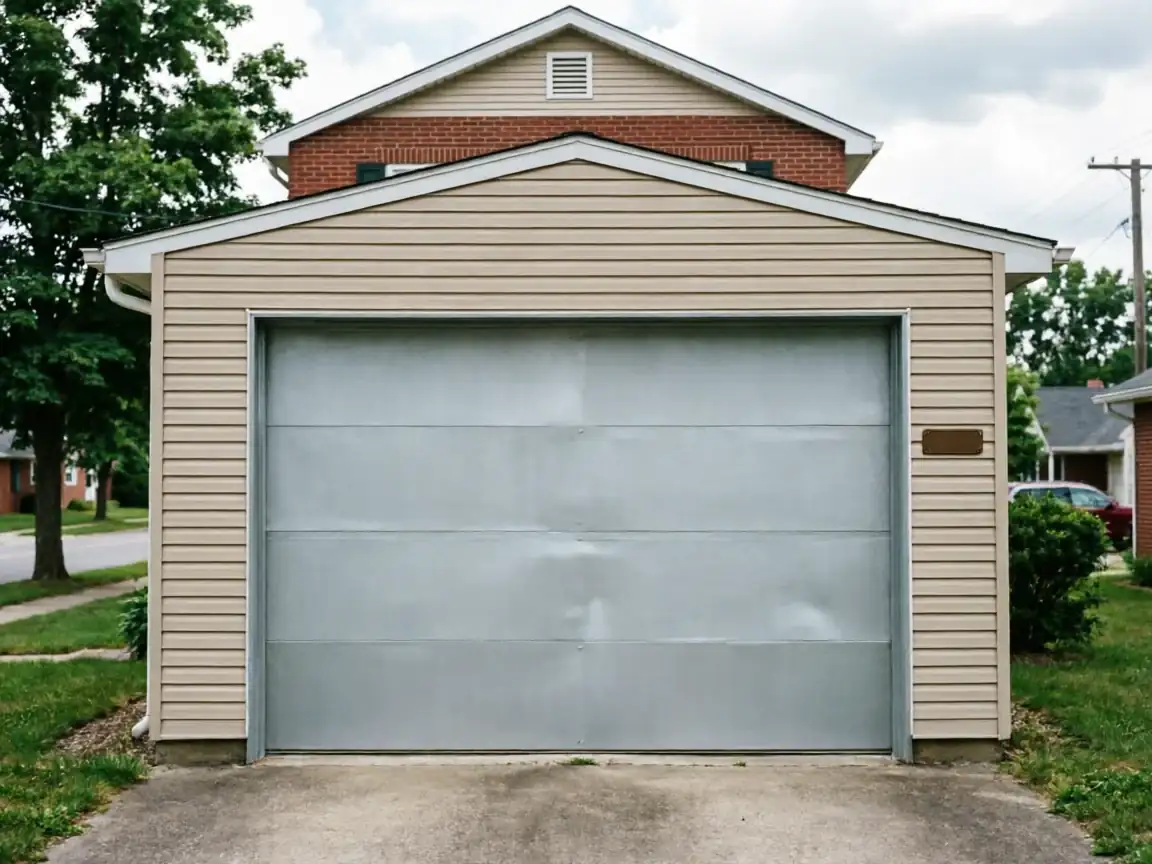
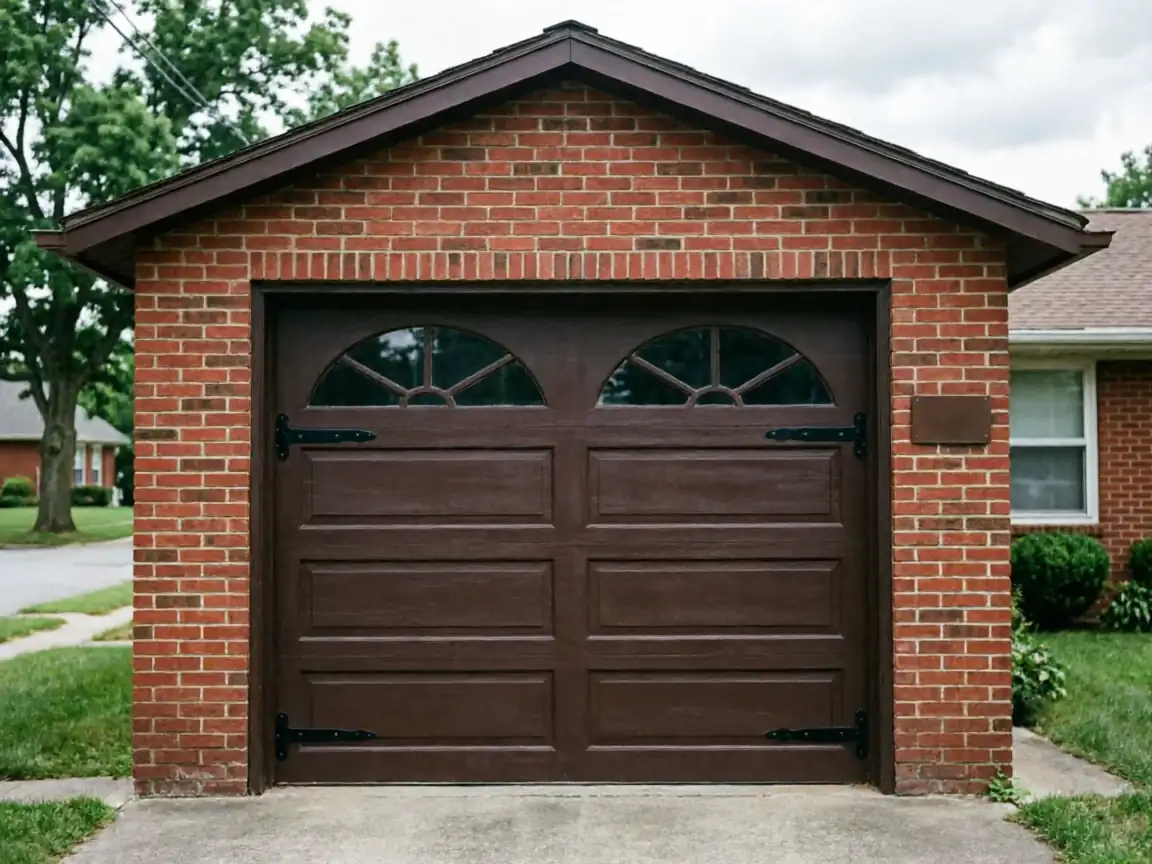
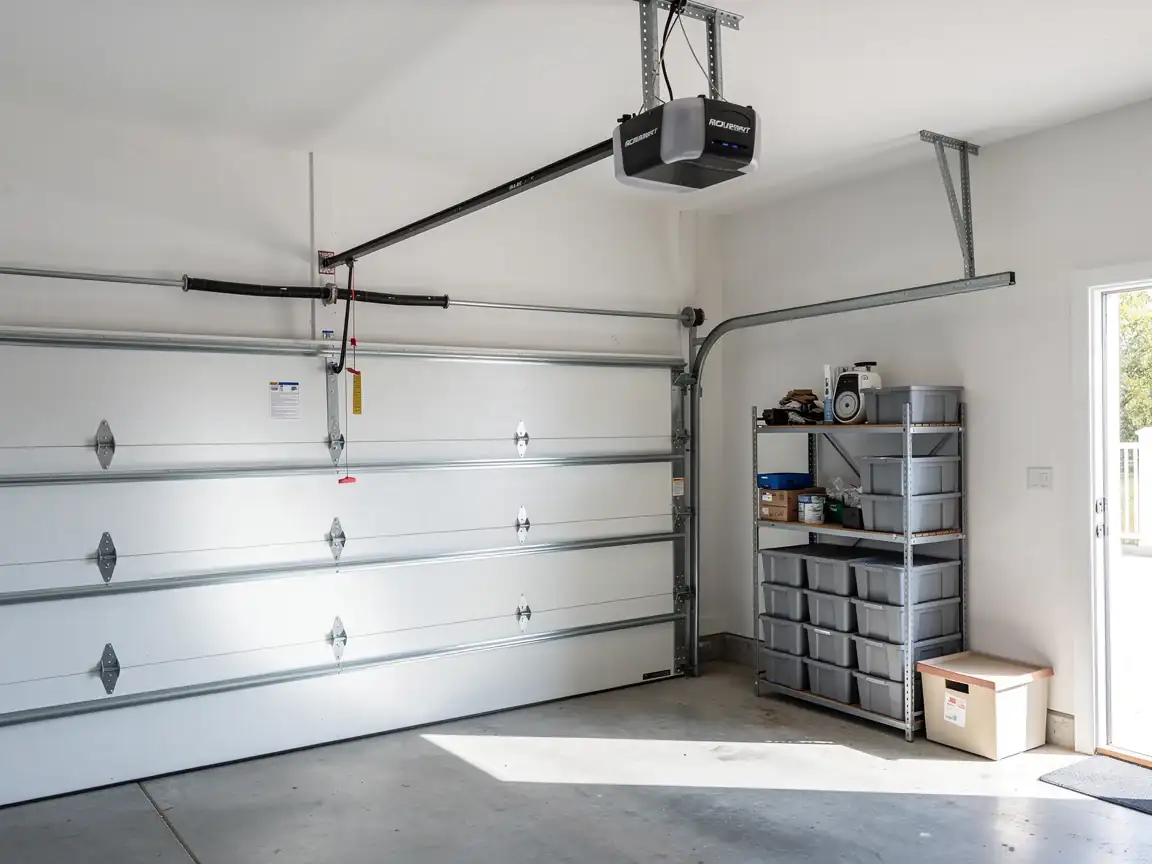
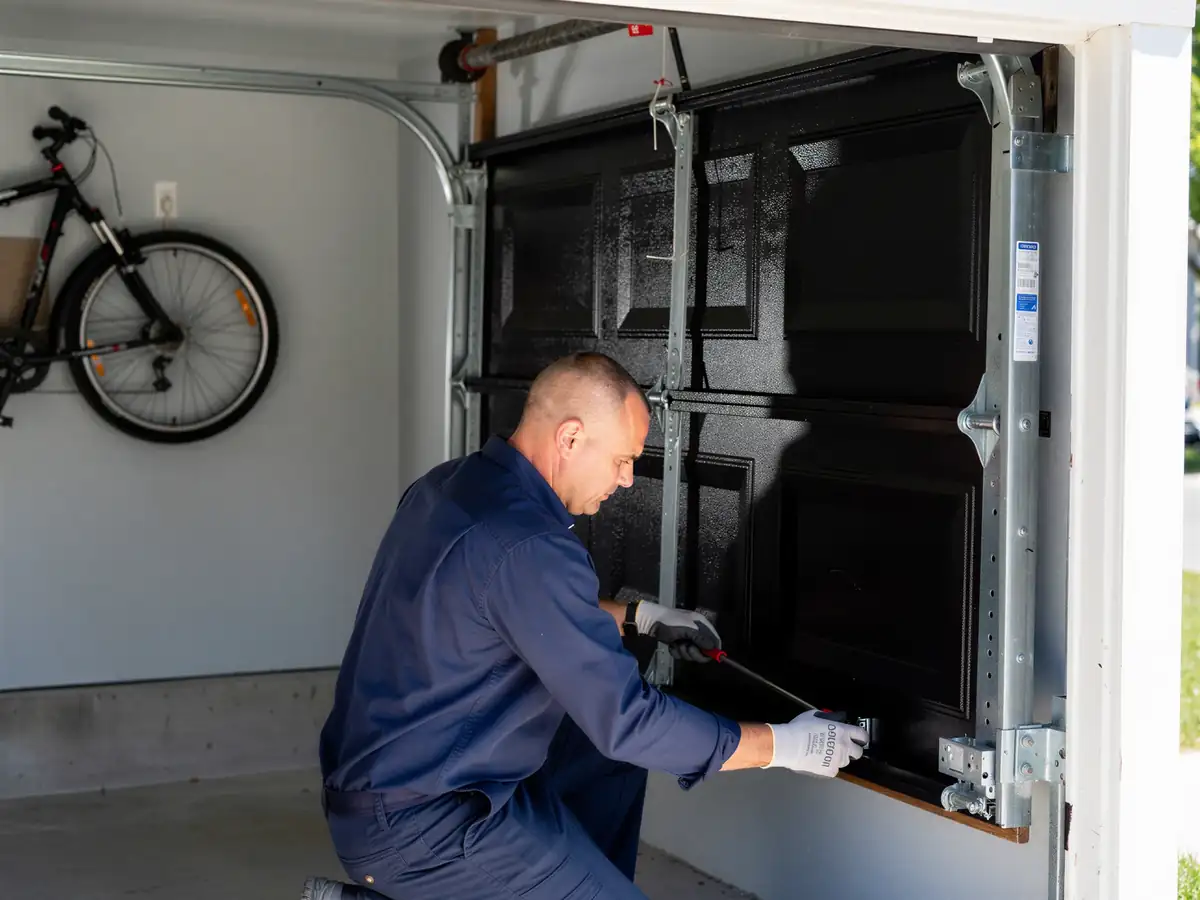
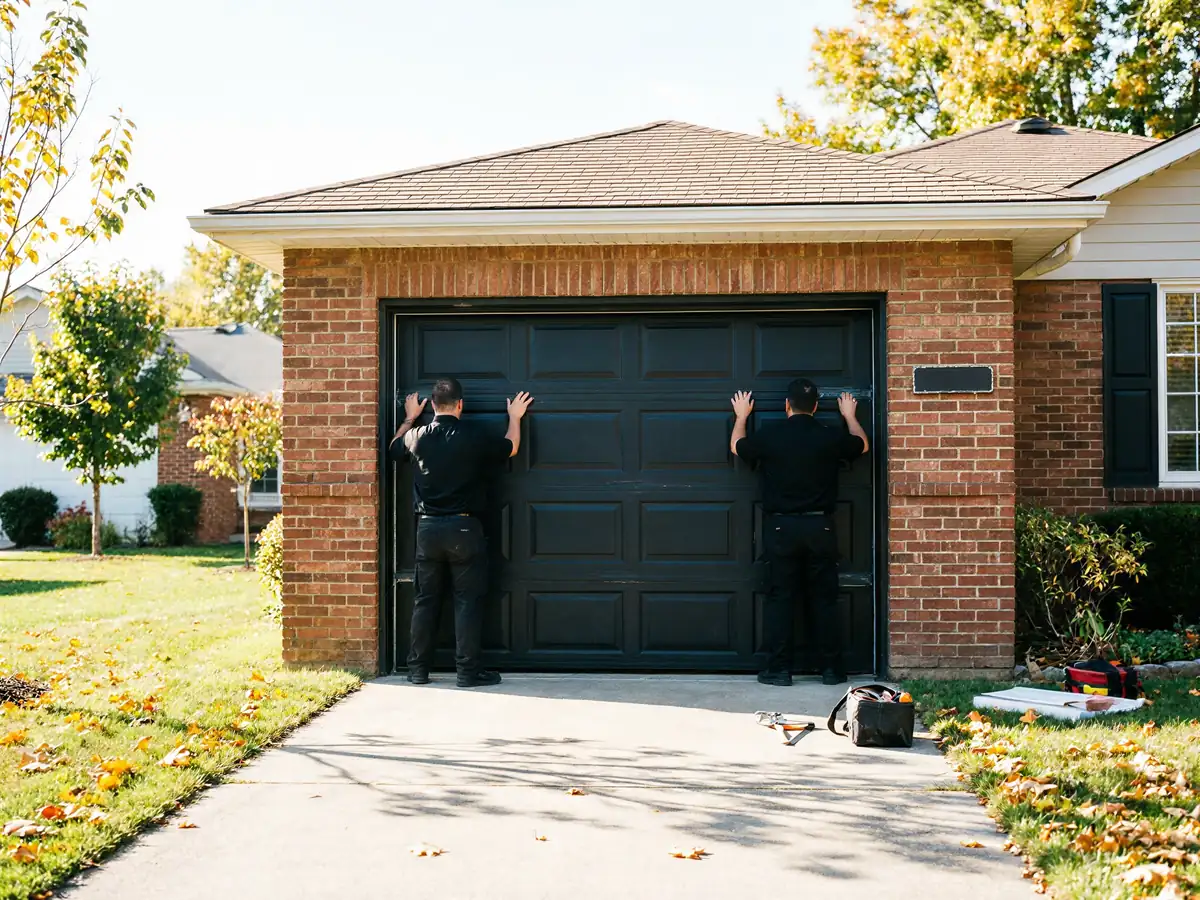
What that means on a job: openings sized for doors that haven't been made in decades, tracks mounted to framing that was never meant to carry a heavier insulated door, and torsion hardware bolted to headers that need checking before anything new goes up. A new installation here usually starts with the opening itself, not the door in the catalog. We measure the rough opening, check the header, and tell you honestly if the frame needs reinforcing before a new door goes in - that's not an upsell, it's what keeps the door from racking in the first winter.
Where This Job Goes Sideways
The climate here falls in the cold-moderate band, which matters more for a new install than most homeowners expect. A door bought off a shelf without the right insulation rating will move more than it should when the temperature swings, and on an older frame that movement shows up as a door that won't seal at the bottom or an opener that strains on cold mornings.
The other place this goes sideways is sizing against the existing opening. Houses built around 1960 often have openings a few inches narrower than what newer doors assume as standard. Order the wrong width online and you're looking at a return, a delay, and a second trip. We measure before we quote, not after.
We don't do the install blind off a phone photo. If the opening is out of square - common in houses this age - that gets flagged and priced before the door shows up, not discovered the day of.
How to Book
Camp Point sits 18 miles from Quincy
Which puts it closer in than Kinderhook but farther out than Mendon or Liberty. There's no branch or depot in Camp Point - every job here is a truck that comes from Quincy, so scheduling runs through the main shop rather than a local office.
- 18 miles
The simplest path is to call and describe the door
Age of the house if you know it, rough opening size if you have it, and whether you want a straight swap or a wider opening. For more on how this company covers the surrounding towns, see /near/camp-point/. If you're comparing this to a general installation job in Quincy itself, that's covered separately on /garage-door-installation-quincy-il - this page is specifically about what changes when the job is out here instead of in town.
Why This Fails Locally
With 443 households, Camp Point is a small slice of the 1,076 households this company's service area covers altogether. That matters for one practical reason: it's not a market where every door style sits on a shelf waiting. Ordering something unusual - a nonstandard width, a specific panel style - means a lead time, not a same-day swap.
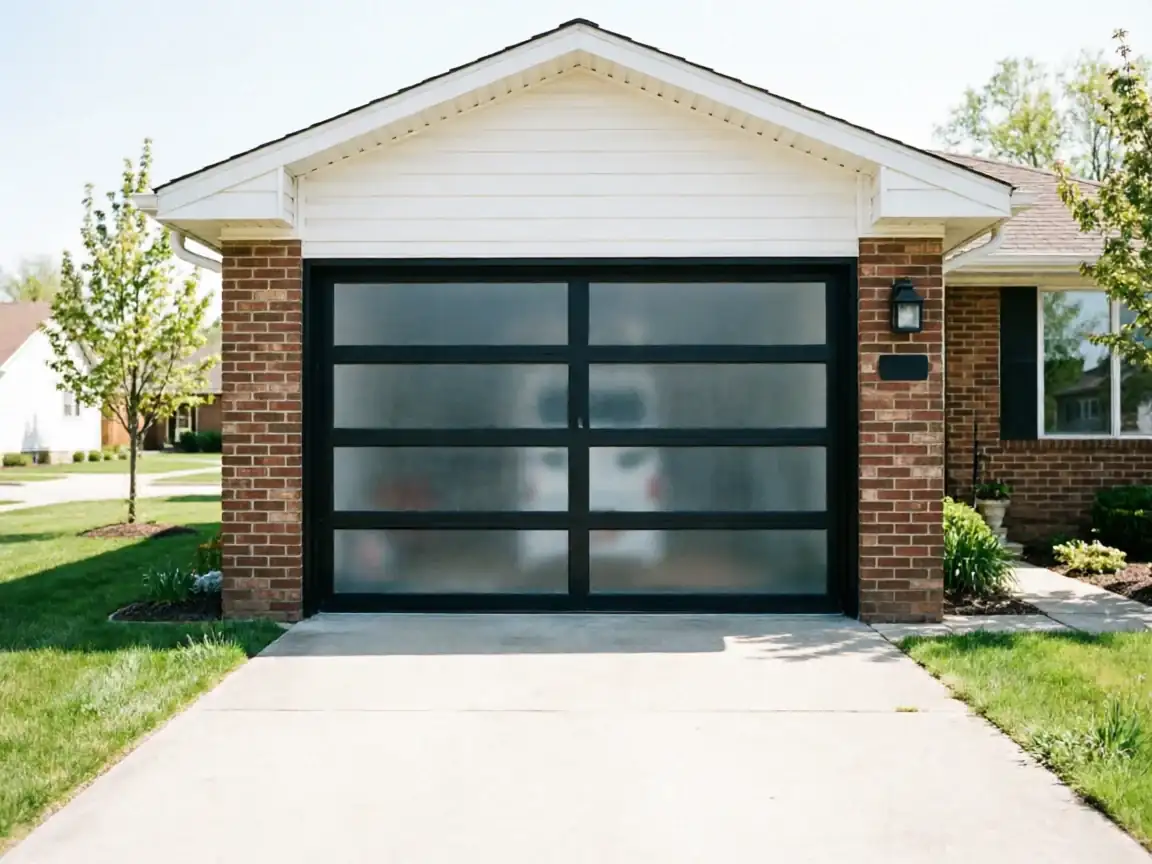
Median household income here runs $58,438, about $2,700 below the $61,139 median across the full service area. That's not a huge gap, but it's real, and it's part of why a straight torsion-spring, standard-width replacement tends to be the job that makes sense here more often than a custom wide door with extra glass. A door priced for a different income bracket doesn't fail because it's a bad door - it fails because it doesn't match what the house or the budget called for.
The houses themselves, mostly 1960s builds, were framed for single doors in the 7-foot range. Pushing a much wider door into that framing without reinforcing it is where a lot of installs go wrong years later, not on day one.
The Cost of This Job
We can't give you a number here without seeing the opening - that's not a dodge, it's the honest answer for a house this age. A straight one-for-one swap on a standard opening costs less than widening a frame or reinforcing a header that was built for a lighter door in 1960. The insulation rating you pick for the cold-moderate climate here also moves the number, and so does whether the existing torsion hardware is reusable or needs replacing outright.
What we won't do is quote a flat price over the phone for a house we haven't measured. Framing on houses from this era varies enough - even within the same subdivision - that a number given blind is usually wrong by the time the truck shows up. We'll walk the opening, check the header and track mounts, and give you a real number before anything gets ordered. If the frame needs work beyond the door itself, that gets priced separately so you're not surprised on install day.