How It Shows Up
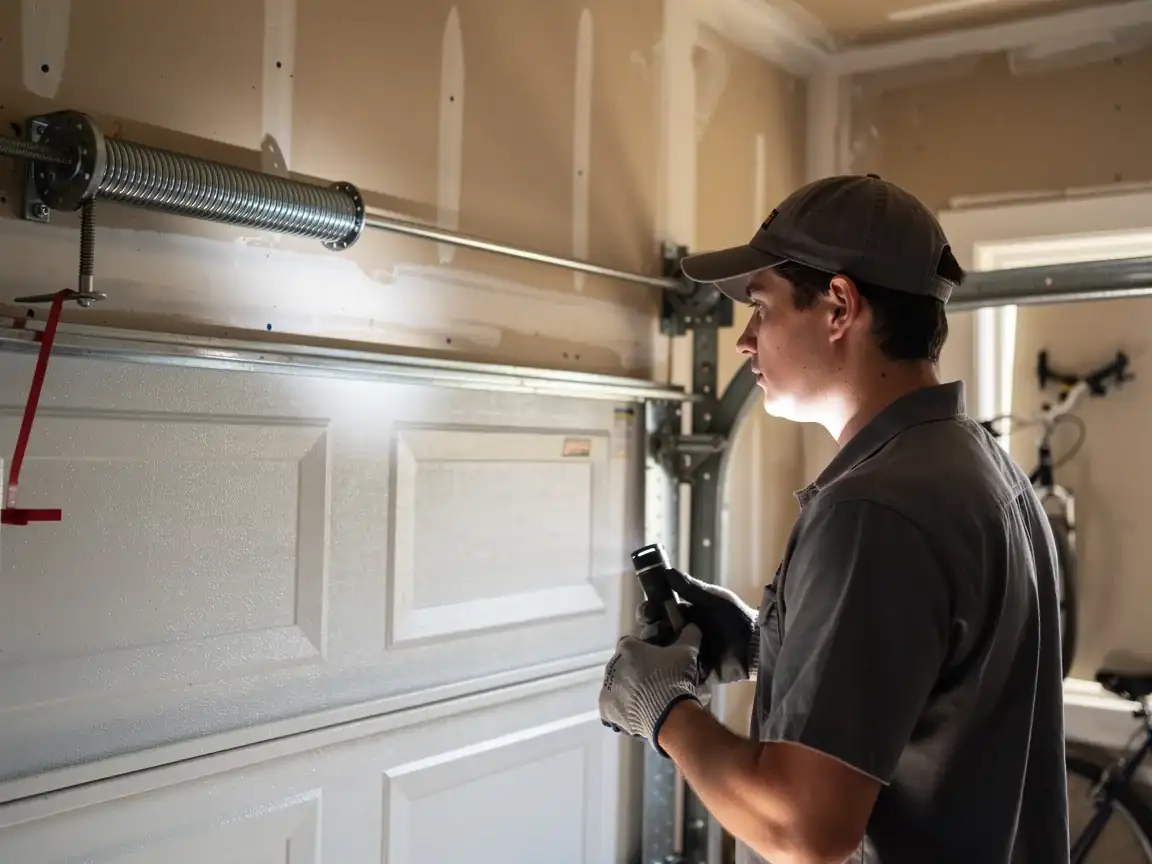
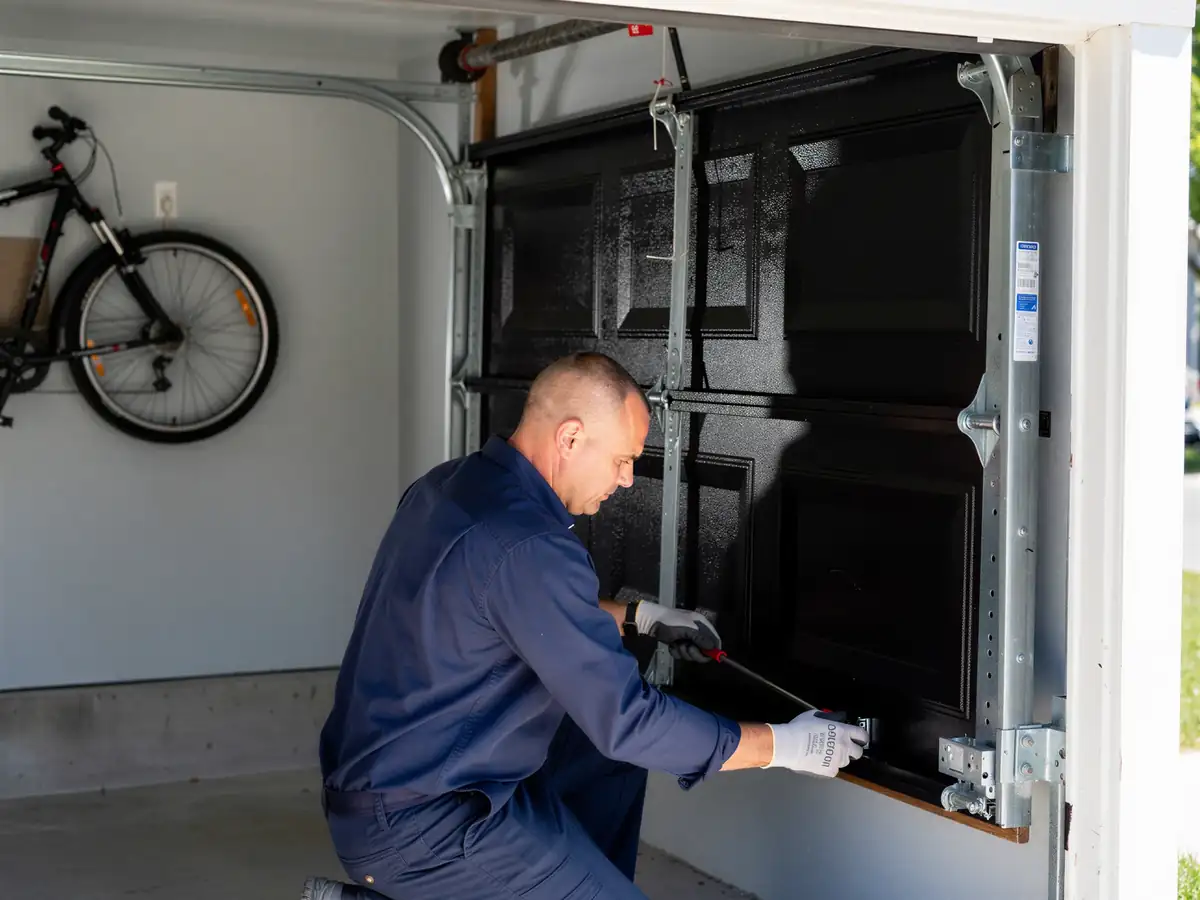
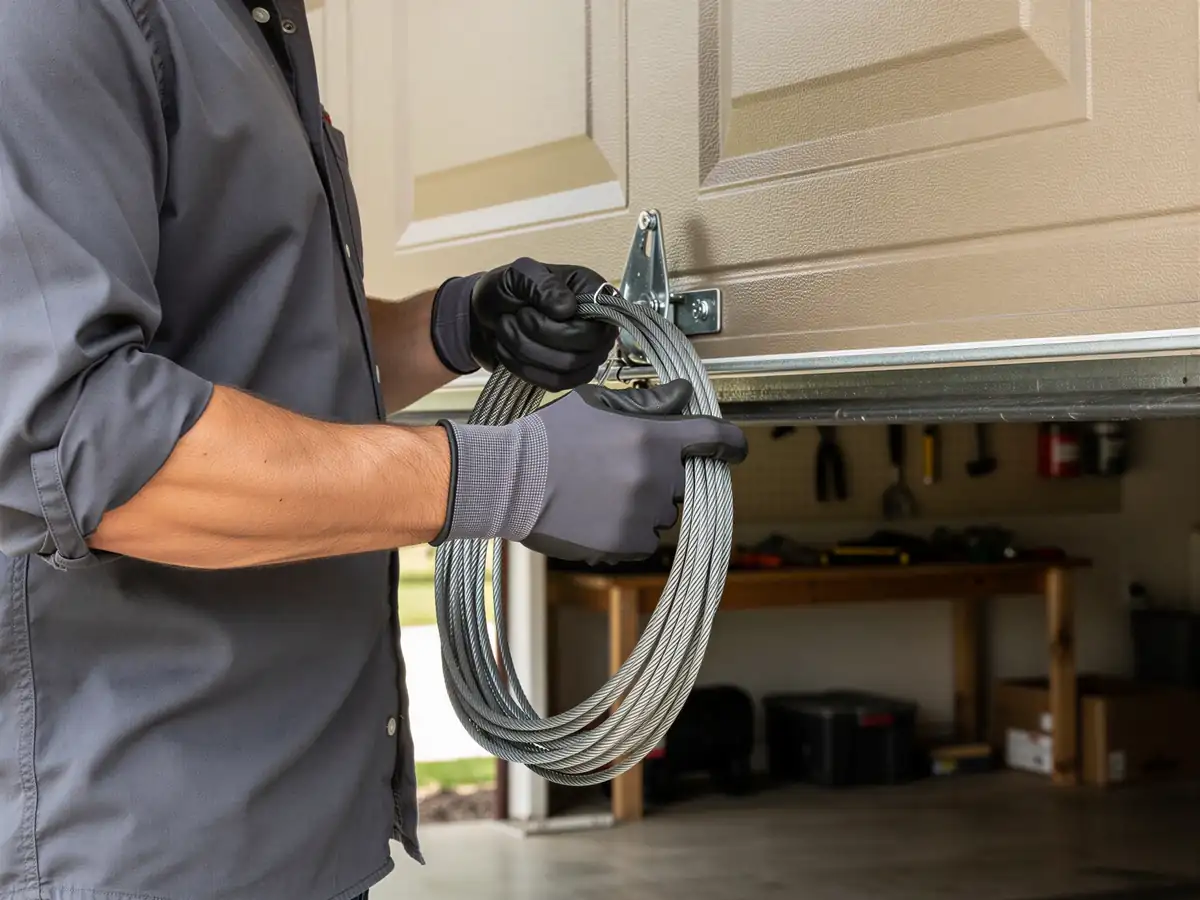
Camp Point's median household income sits at $58,438, a notch below the $61,139 median across the wider service area. That gap matters more than it sounds like it should, because it sets where the repair-or-replace line falls. On a tighter budget, a $280 spring swap beats a $1,400 full replacement nearly every time, and most of the calls we take from this town are repair calls, not teardown-and-rebuild jobs. The houses back that up: Camp Point's homes were mostly built around 1960, right in the middle of the 1938-1969 window that covers this whole service area. That means original torsion springs long past their 10,000-cycle life, steel tracks bent from decades of use, and openers that have been swapped once or twice already but still ride on the original hardware. When a spring lets go on a door like this, the fix is usually straightforward: match the spring to the door weight and move on. The budget math only turns against the homeowner when the track or the opener rail is also shot, because then you're paying for two jobs instead of one.
Where This Job Goes Sideways
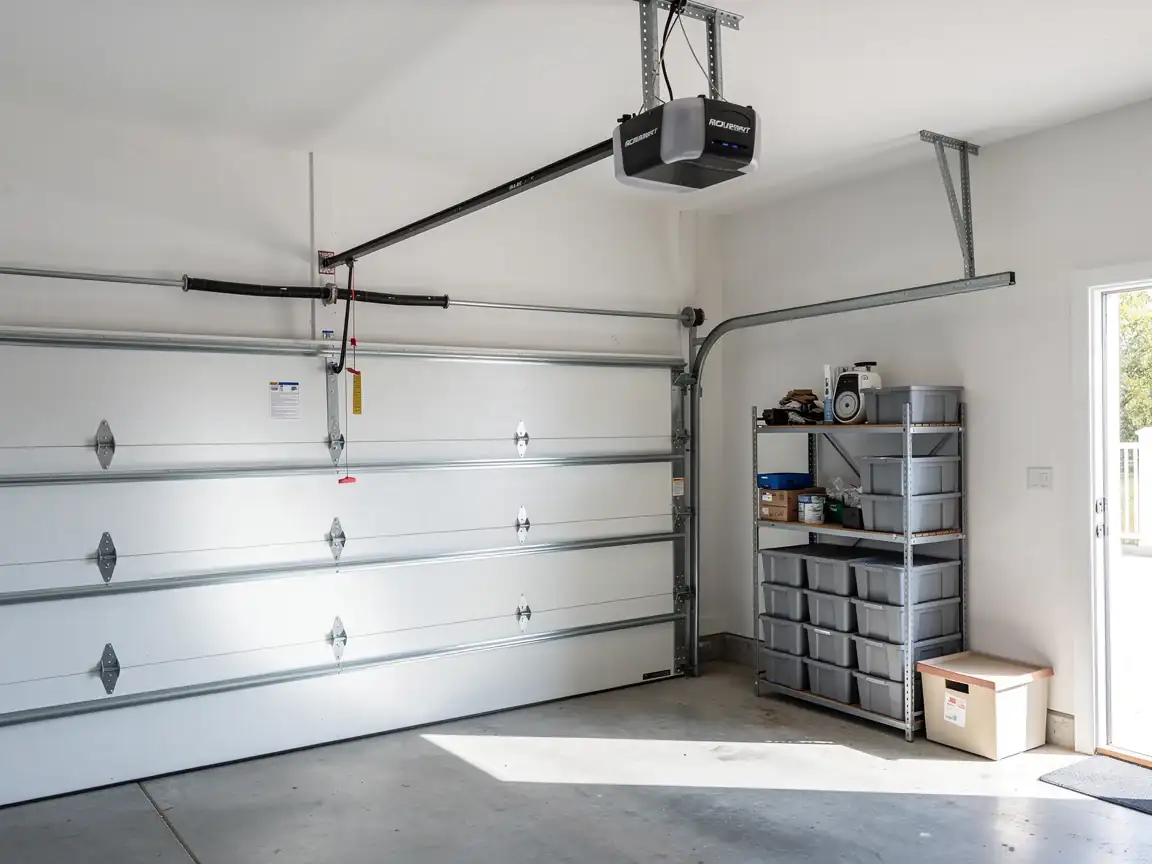
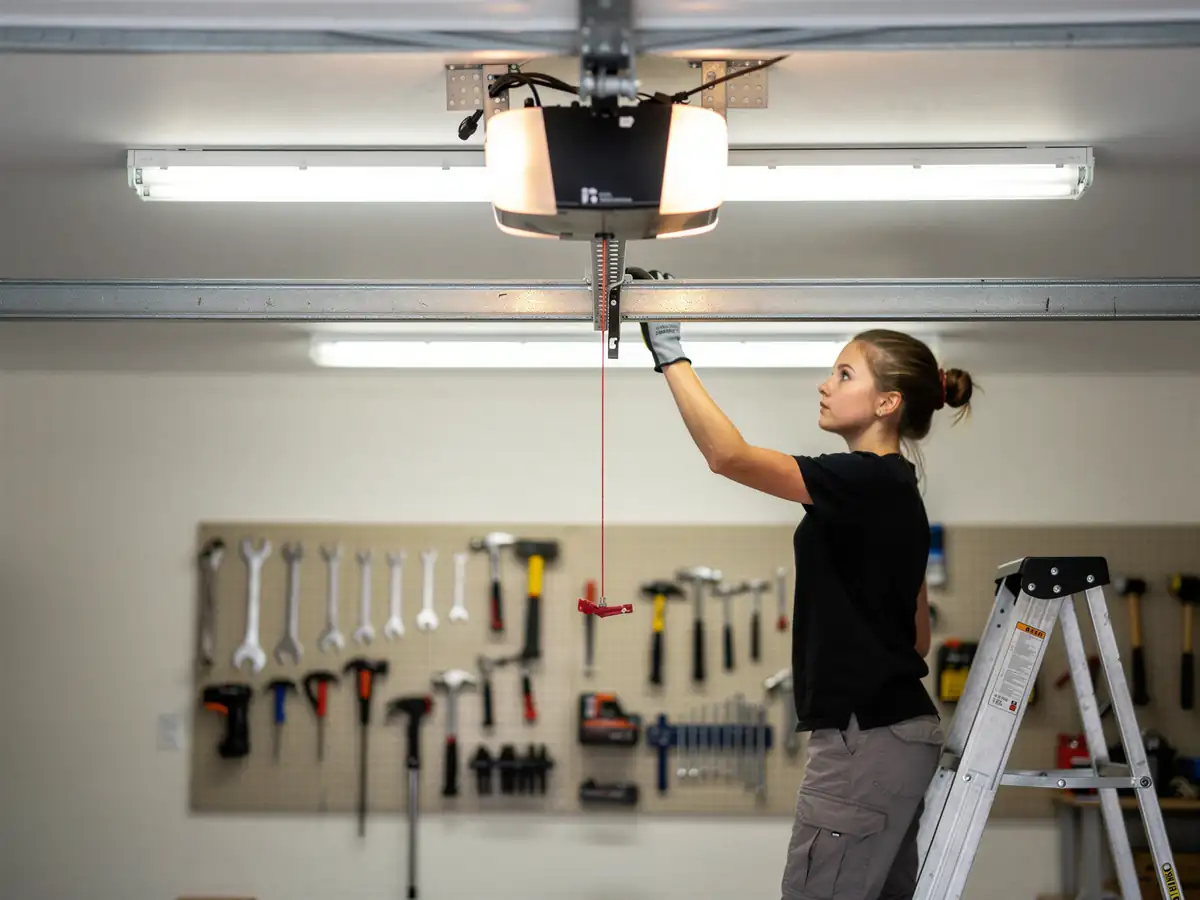
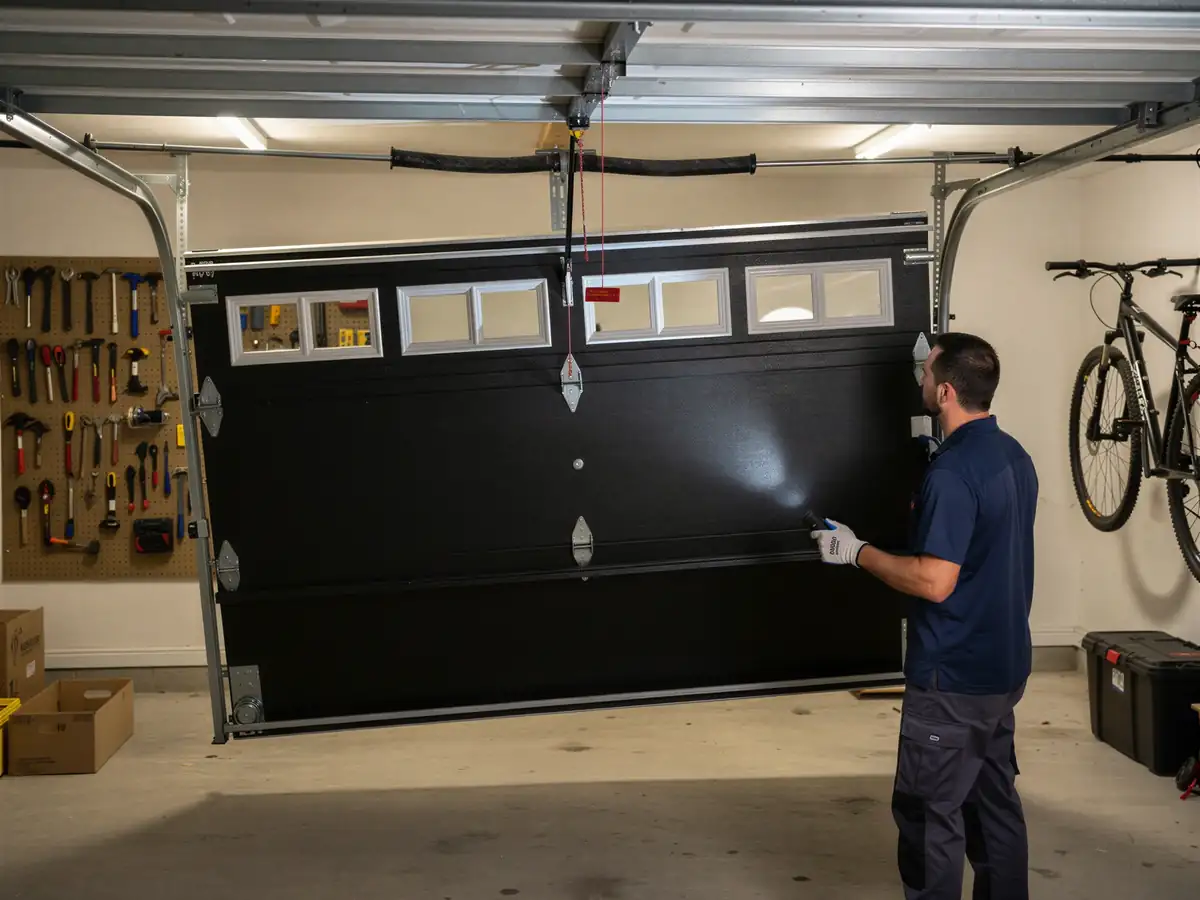
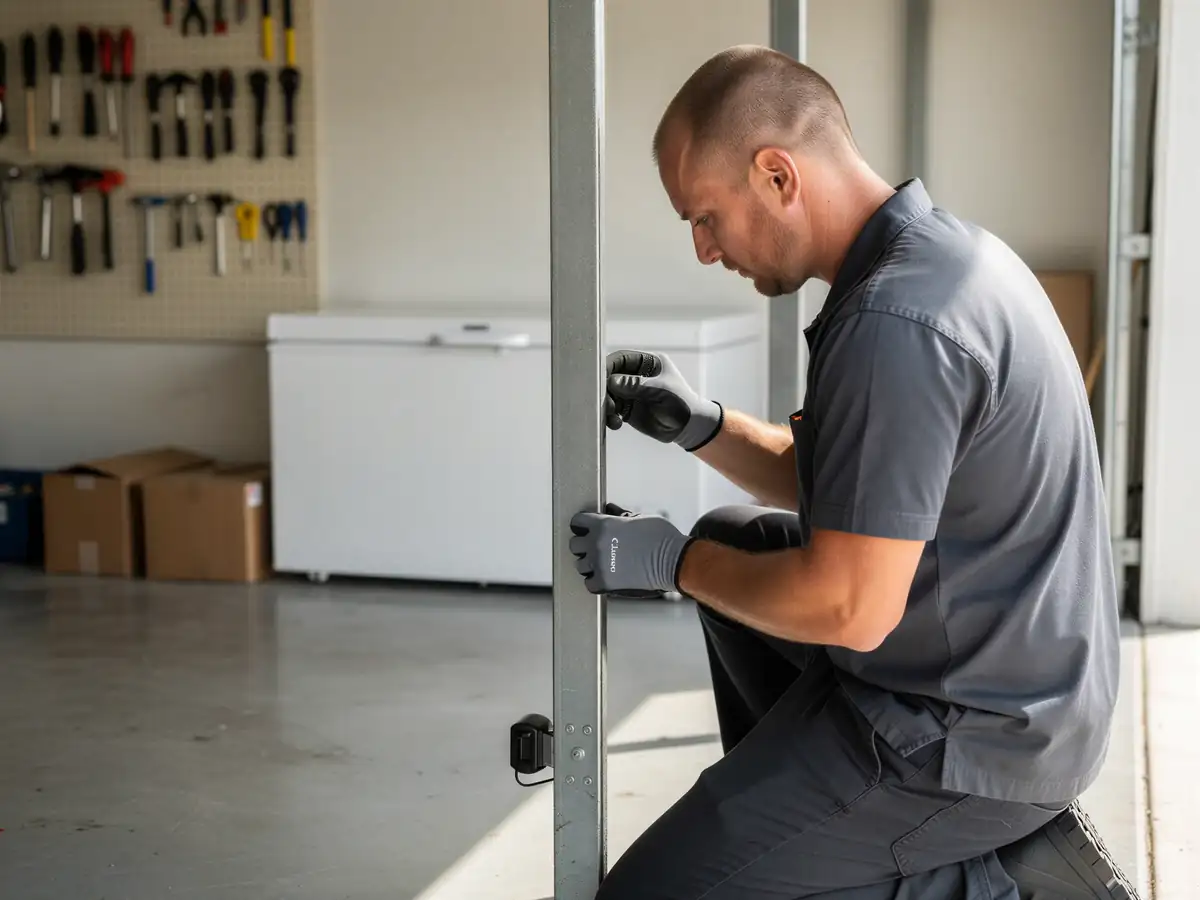
The trouble with 1960-era doors isn't the door itself, it's what's been bolted to it since. A lot of these houses have had an opener added or replaced at some point without anyone checking whether the original track and header bracket could actually handle the load. We see openers mounted to brackets that were fine for a manual door and are now flexing under motor strain every time the door cycles. That shows up as a door that shudders on the way up, or an opener that runs hot and trips its thermal cutoff on a cold morning. Camp Point sits in the same cold-moderate climate band as the rest of the area, so cold-stiffened grease and brittle 60-year-old cable sheathing are real issues here, not theoretical ones. The honest limit: if the track bracket is pulling loose from the header, that's a carpentry fix before it's a door fix, and we'll tell you that rather than bolt a new opener to a bad anchor point.
Why This Fails Locally
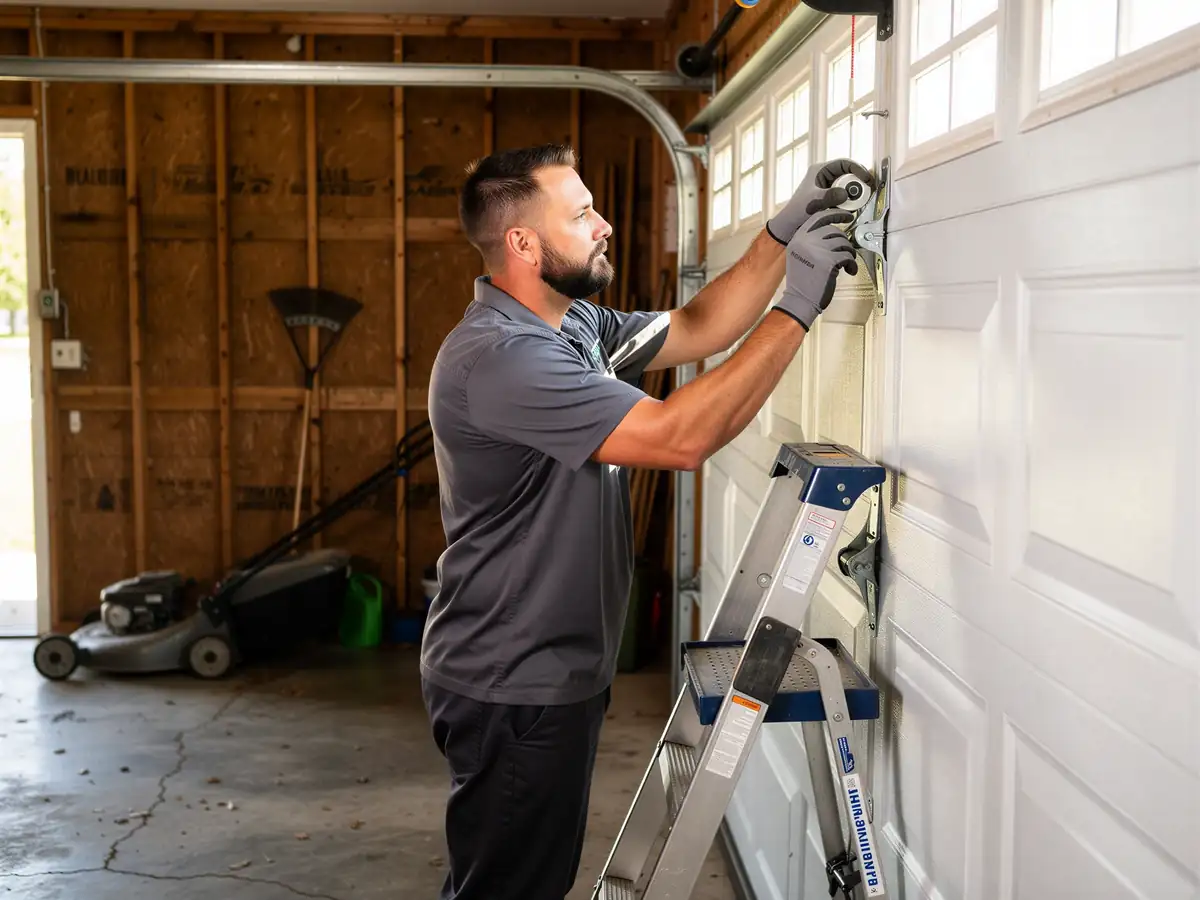
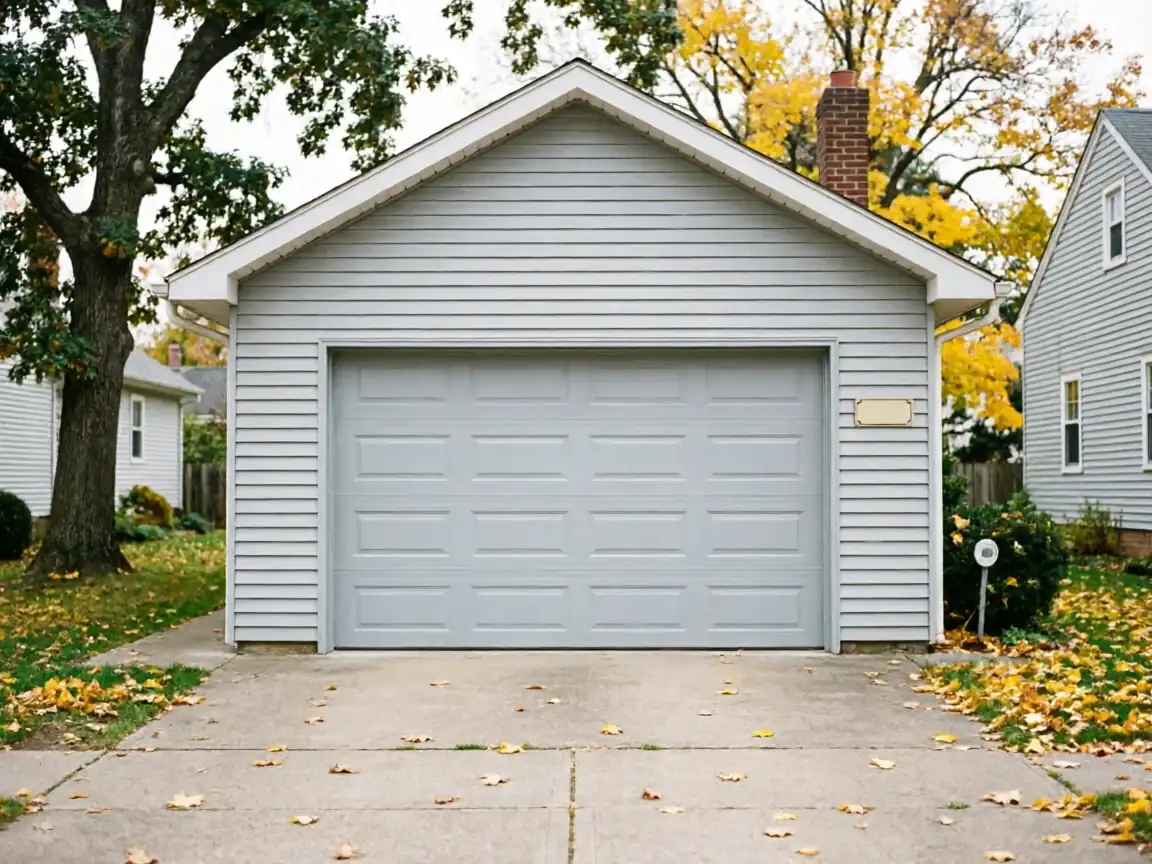
With 443 households in Camp Point, this isn't a town with a dense cluster of identical subdivisions built by one developer in one year. The 1960 median build year tells you the center of the curve, not the whole picture, and that means two houses on the same road can have different spring systems, different door widths, and different opener generations depending on when each owner last touched the garage. That's why we ask for the door's age and symptoms before quoting anything over the phone. A one-piece door on a 1960s build and a sectional steel door added later need entirely different parts, and guessing wrong means a second trip. It also means a flat per-town price sheet wouldn't be honest. The income figure matters here too: at $58,438 median, most owners want the real cost before a truck leaves Quincy, not a surprise after the spring is already off.
The Cost of This Job
Spring and cable repairs on a door from this era typically run less than a full opener-and-track replacement, which is the right outcome for a town where the median income runs below the broader area's $61,139. The repair-or-replace call usually comes down to the track and the header bracket, not the spring. If those are sound, repair wins. If the bracket's pulling away from old framing or the opener's a decades-old chain-drive unit nearing the end of its life, replacement costs more up front but stops the repeat calls. We'll always quote the repair first and only recommend replacement when the numbers or the hardware actually point there, not because it's the bigger job.