How It Shows Up
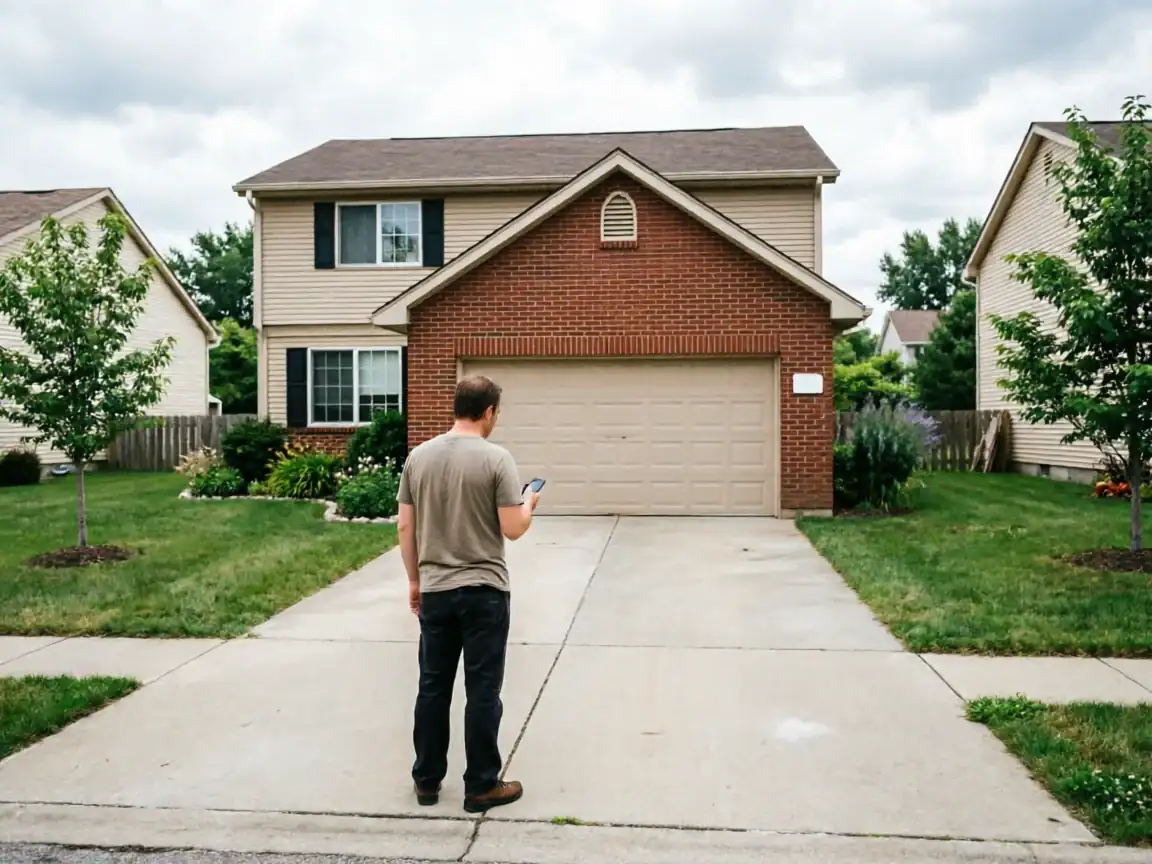
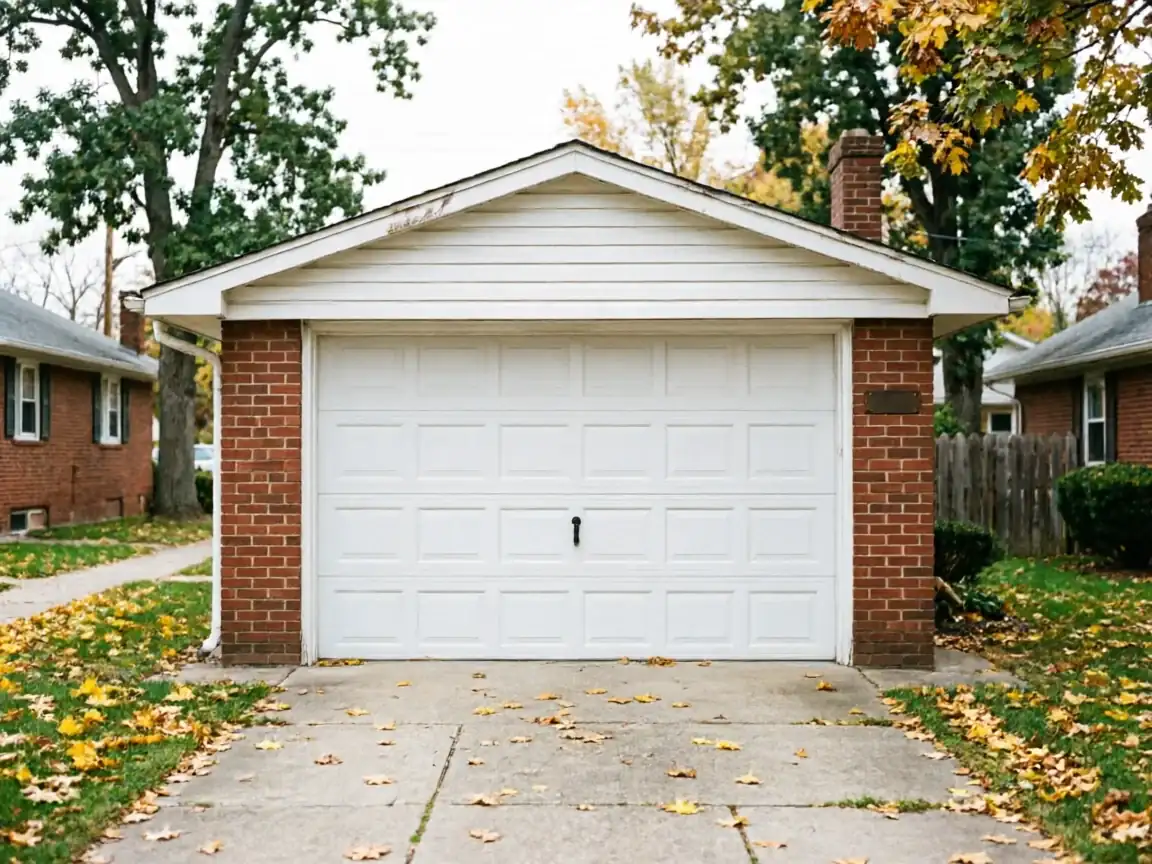
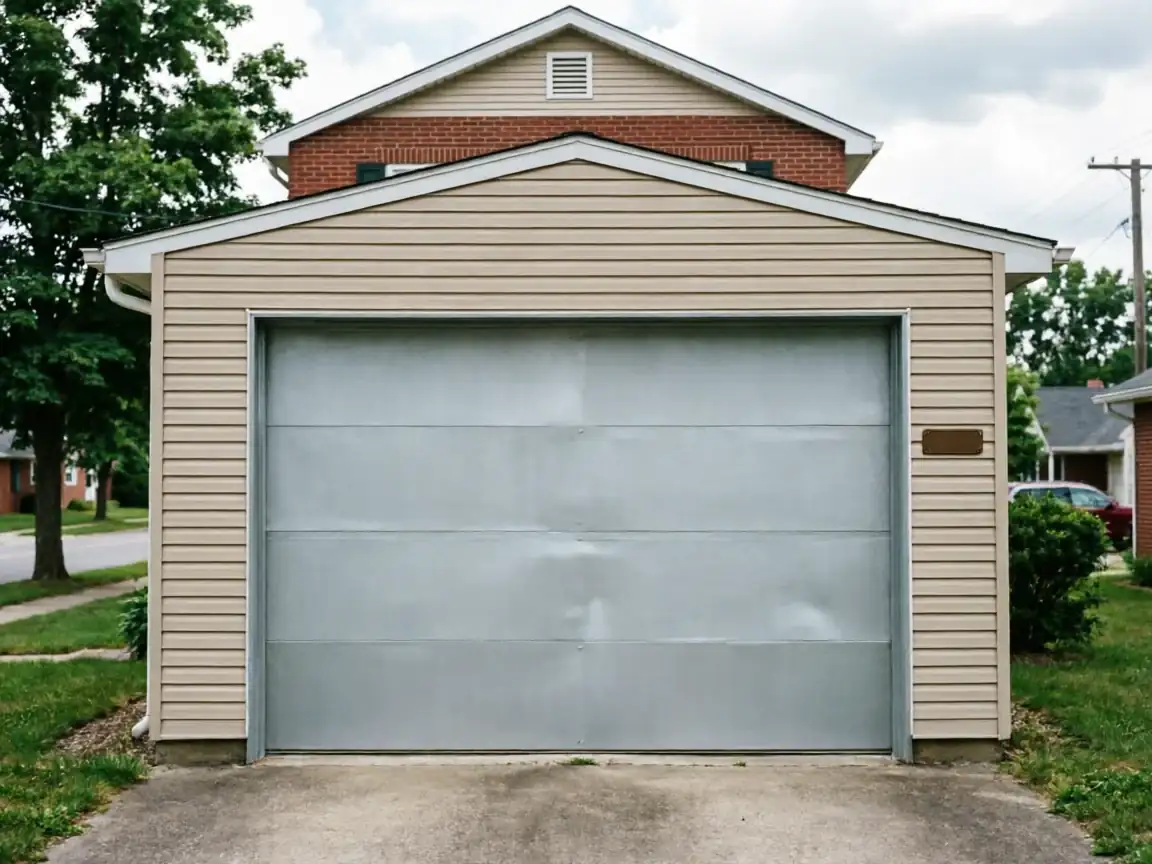
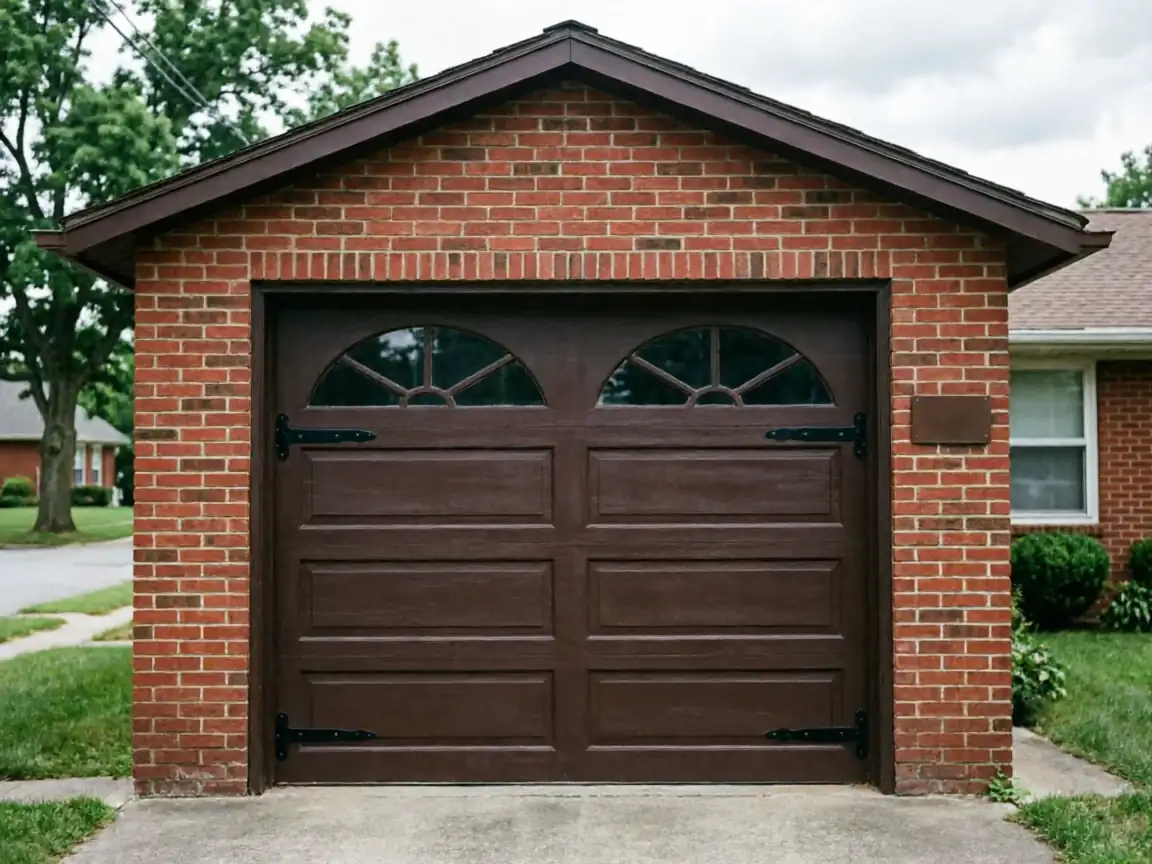
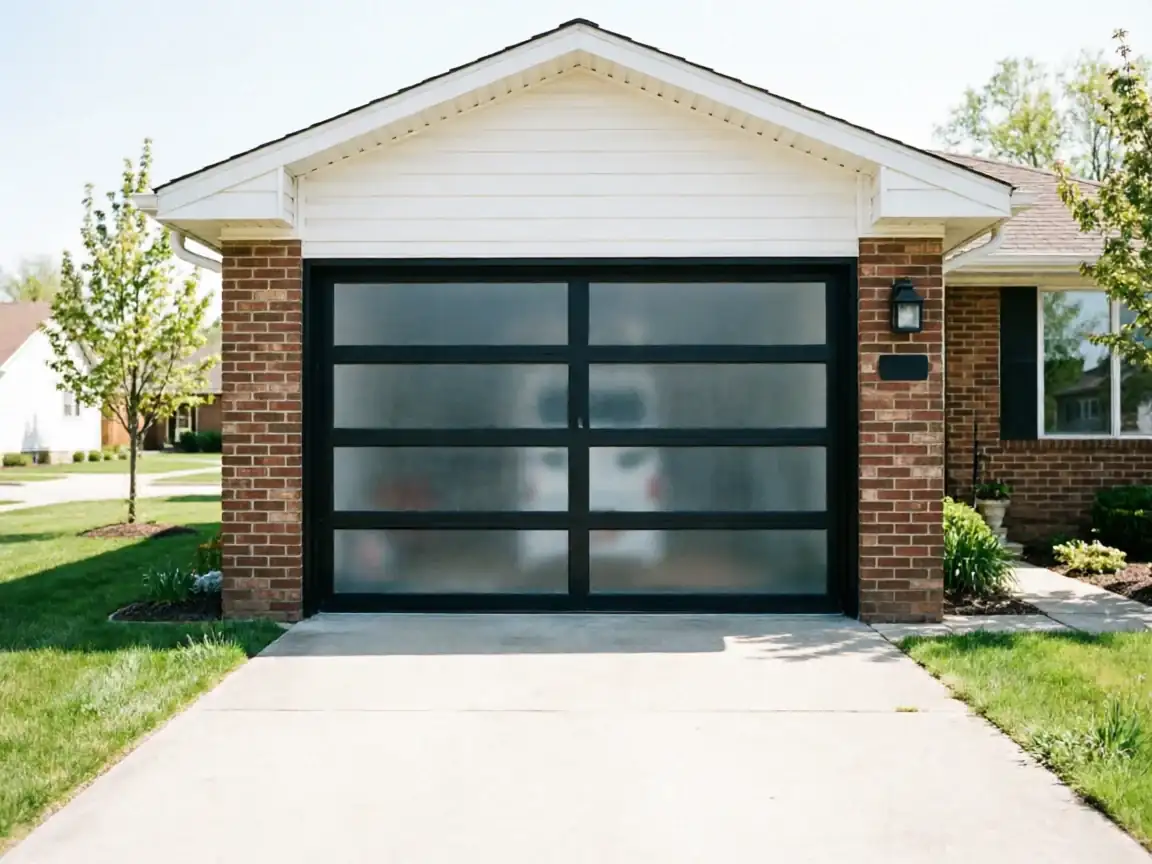
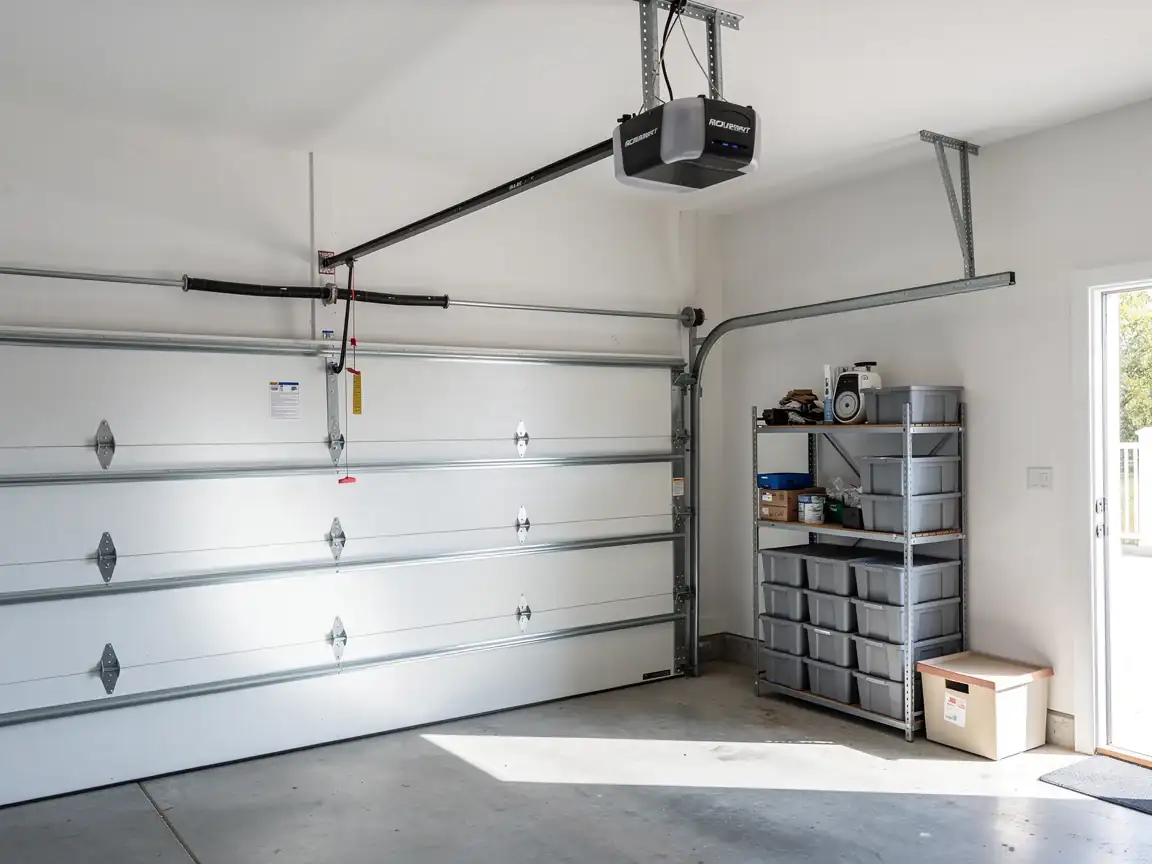
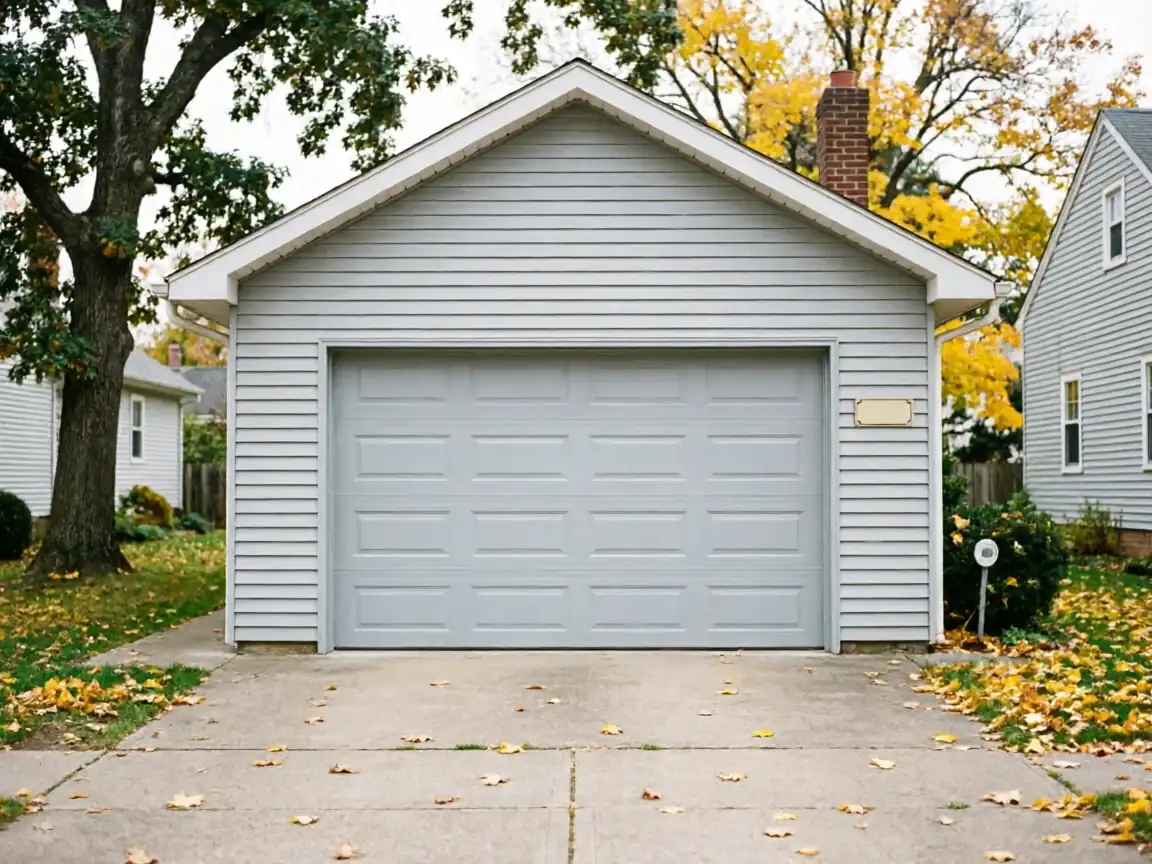
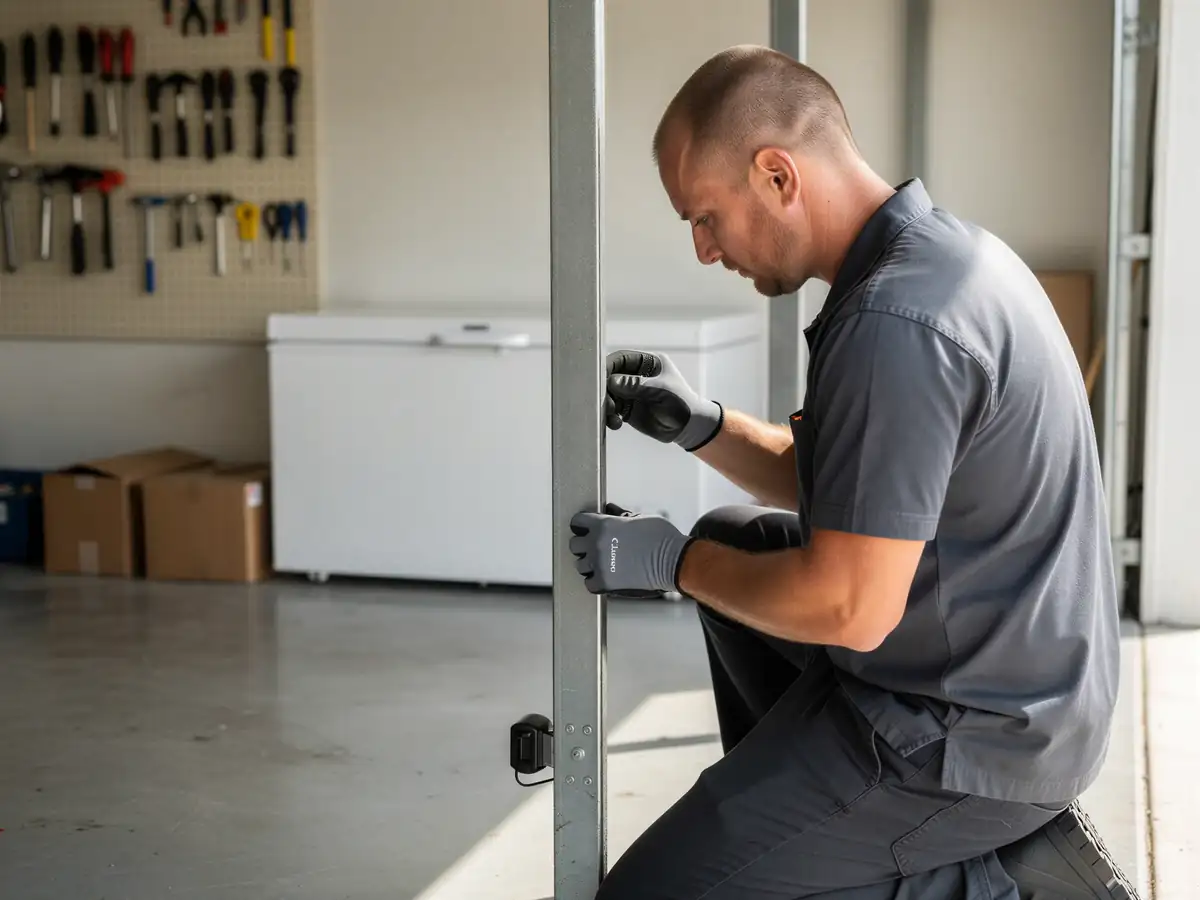
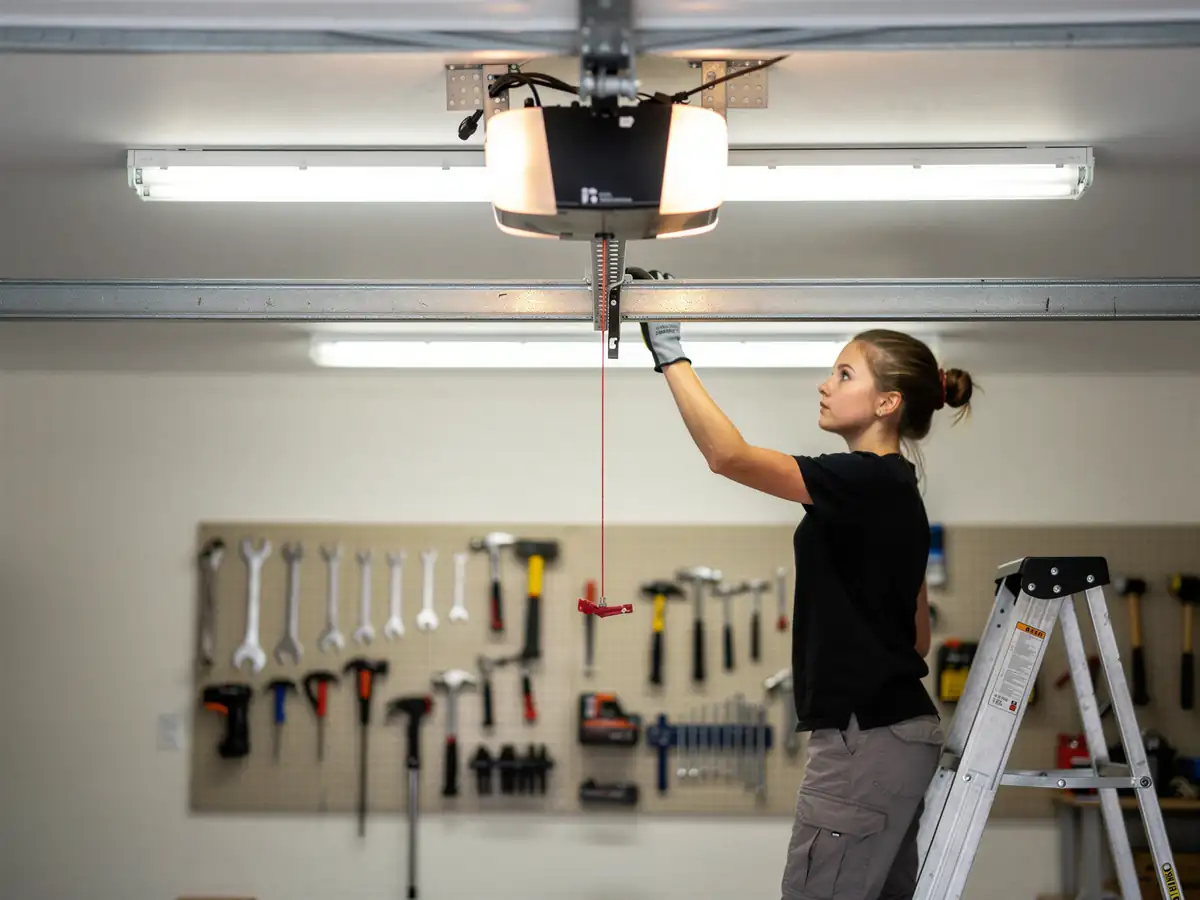
Most houses in Camp Point went up around 1960, back when an attached garage usually meant a manual door with a padlock hasp, not a motor. The openers you see on these garages today are almost all retrofits - units bolted in sometime after the house was built, onto framing and header blocking that was never sized with a motor's dead weight and vibration in mind. That mismatch is the root of a lot of the calls we get from this area: a bracket pulling loose from a rafter that's fine for a static door but was never meant to carry a running chain drive, or a opener mounted dead center on a header that's starting to sag after sixty years.
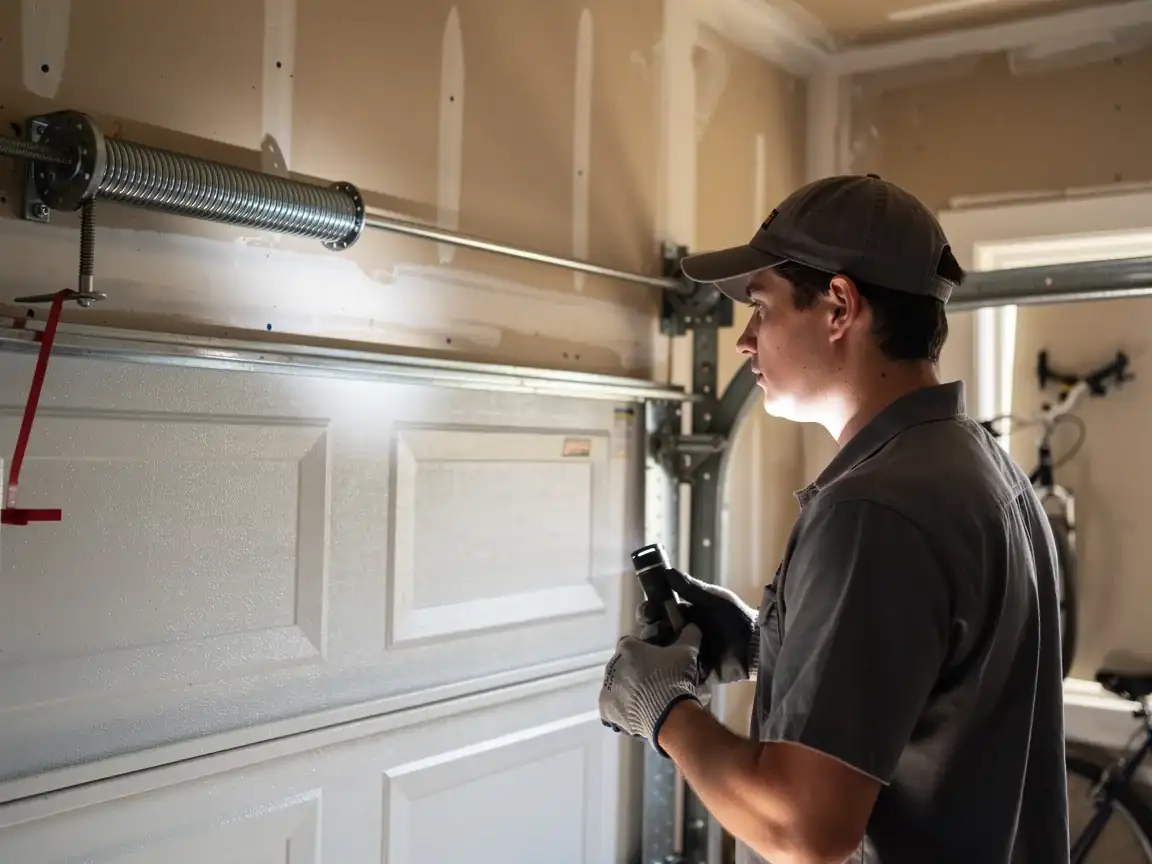
You'll also see a second wave of symptoms tied to the opener itself rather than the house - units from a retrofit round in the 80s or 90s reaching the end of their gear life, worn nylon drive gears stripping under load, and circuit boards that have simply outlived their design life. The door looks fine. The motor hums, clicks, or trips the breaker, and nothing moves. That's a different repair than the header problem, and the two get confused on the phone more than you'd think.
Where This Job Goes Sideways
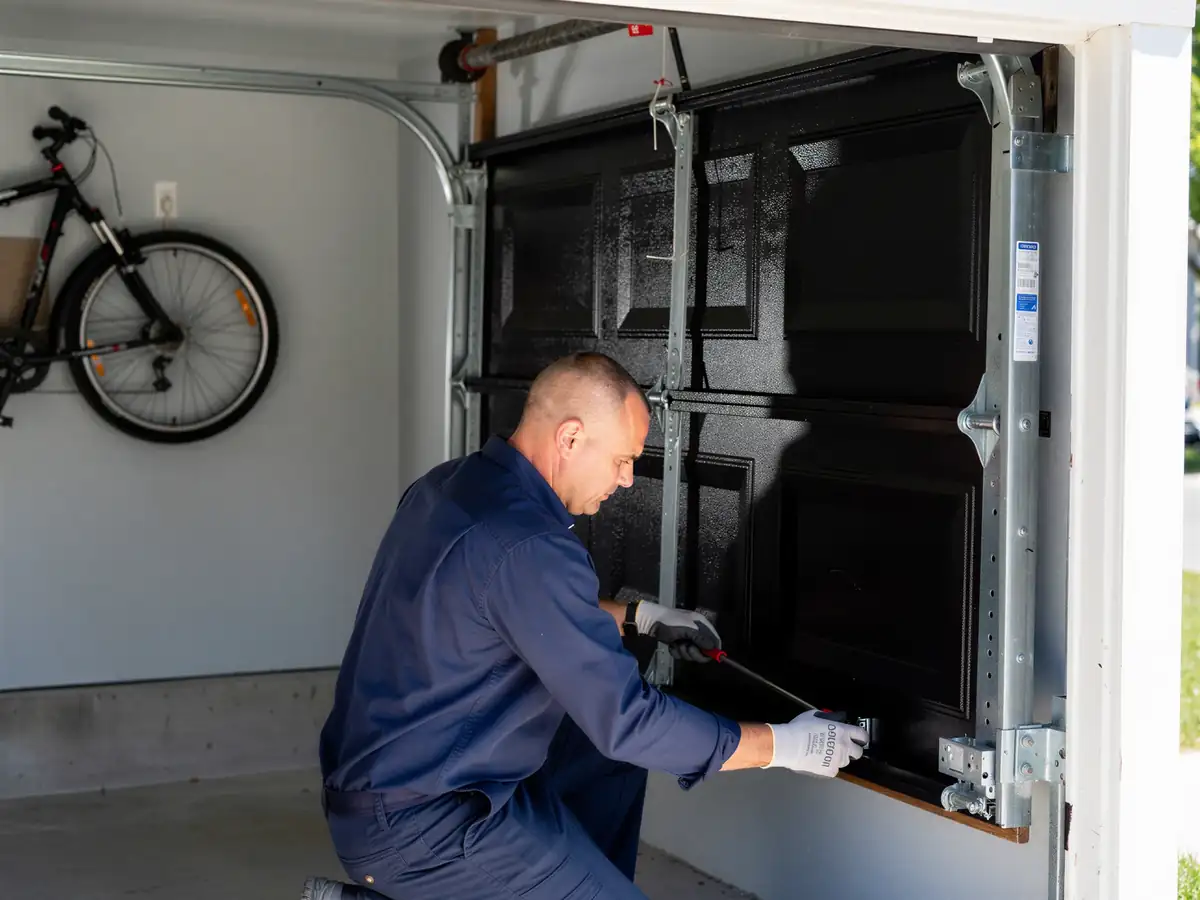
The common mistake on a house this age is treating it like a straightforward opener swap. Pull the old unit, hang a new one, done. On a lot of Camp Point garages that's not what happens - the new opener's rail bracket doesn't line up with the retrofit blocking from decades ago, or the header it has to anchor to has already flexed from carrying a motor it wasn't framed for. You find that out mid-job, not before.
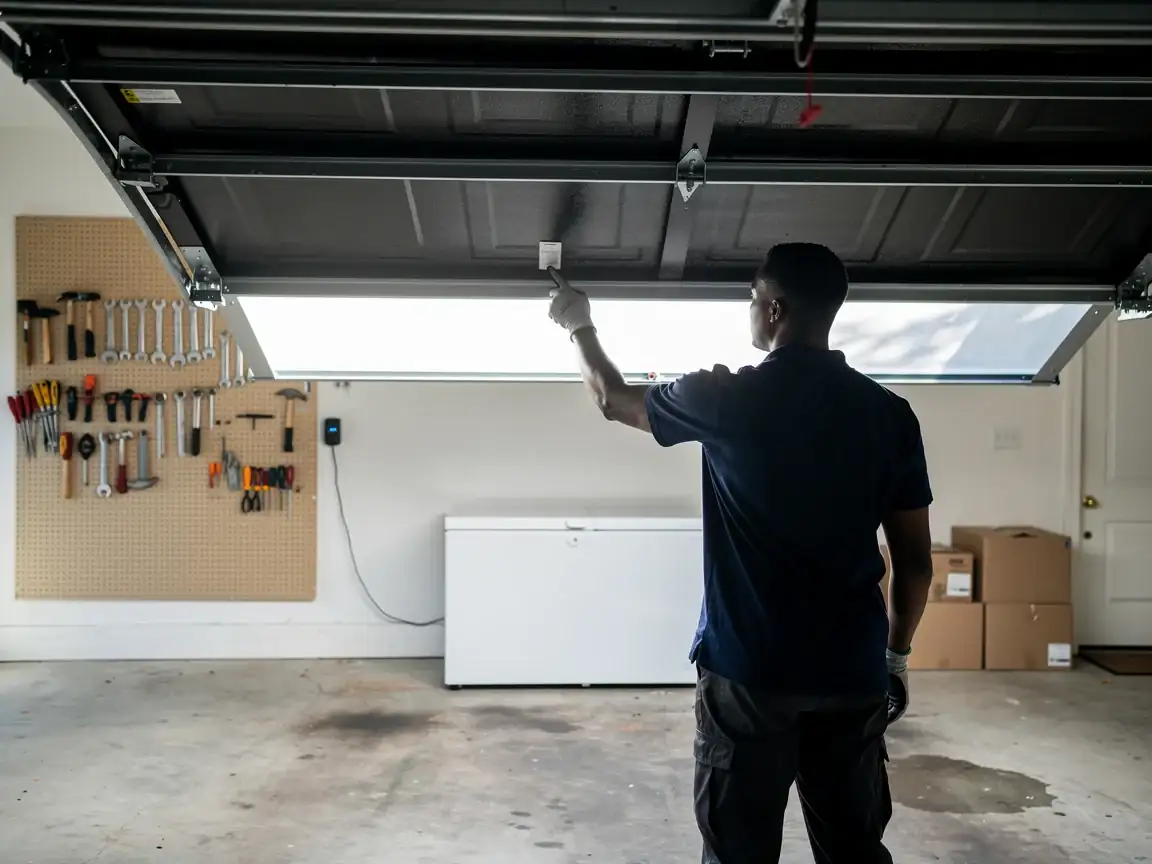
The other place this goes sideways is wiring. A retrofit from the 70s or 80s often ran on a single outlet added at the time, sometimes shared with other garage loads, sometimes on a run that's been patched more than once since. A new opener with a modern control board can trip breakers or behave erratically on power that an old chain-drive unit tolerated fine for twenty years. We check that before we hang anything, not after a callback.
How to Book
We're based in Quincy, about 18 miles from Camp Point
And we don't keep a branch or a depot out here - every job on this route is a truck coming from town, scheduled ahead rather than same-hour. That's worth knowing going in: if your opener dies on a Saturday night, plan on a weekday window rather than an emergency run.
- 18 miles
To get on the schedule for Camp Point, use the Camp Point service page or check the main opener repair page for the Quincy area for what the repair itself typically involves
We'll ask for the opener's age and symptoms up front so the truck that comes out already has the likely part on it, which matters more here than in town since a second trip costs you the better part of a day waiting.
Why This Fails Locally
This area sits in a cold-winter climate band, and cold is harder on an opener than most owners expect. Grease in the drive gear stiffens, travel limits drift as metal contracts, and a capacitor that's been marginal all year will often pick the coldest morning of the season to finally quit. On a house built around 1960, where the opener itself is already a decades-old retrofit, that cold-weather stress lands on hardware with the least margin left in it.
The failure pattern we see out here is seasonal: a run of calls in the first hard cold snap, mostly openers that were already weak and just needed a trigger. It's not that Camp Point garages are built worse - it's that an opener installed as an add-on in an older garage has less tolerance for that stress than one designed into new construction from the start.
The Cost of This Job
We're not going to quote a number here, because what this job costs depends entirely on what we find - a stripped gear kit on a unit worth saving is a different job than a header that needs reinforcing before any opener goes back up. What we will say plainly: on a retrofit opener this old, replacement is often the more honest answer than a repair that just buys you another year on worn-out hardware. We'll tell you straight which one you're looking at before we start charging for parts.
One limitation worth naming: we don't stock every opener model on the truck, and if yours needs a part that's been discontinued, that can mean a second visit while we source it. On a route that's already an 18-mile drive each way, that's a real cost in time, not just money, and we'd rather tell you that up front than have you find out from a callback.