How It Shows Up
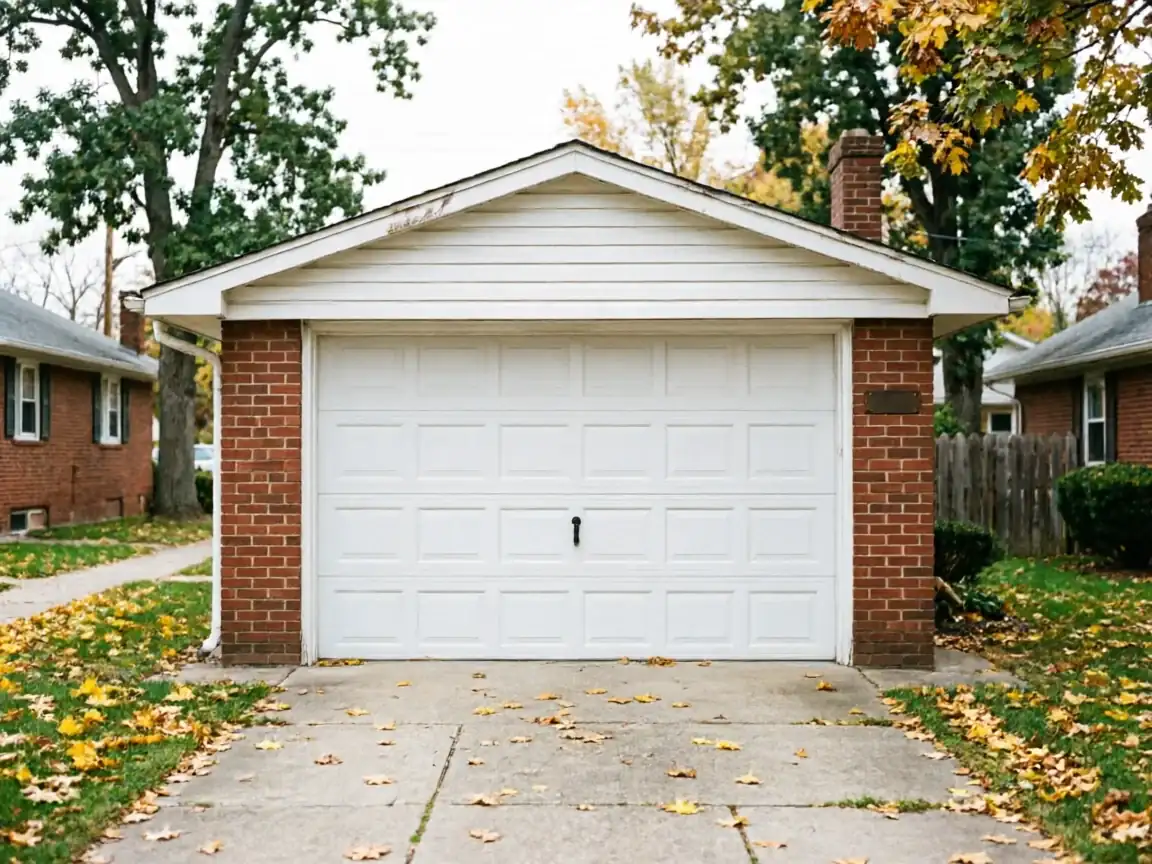
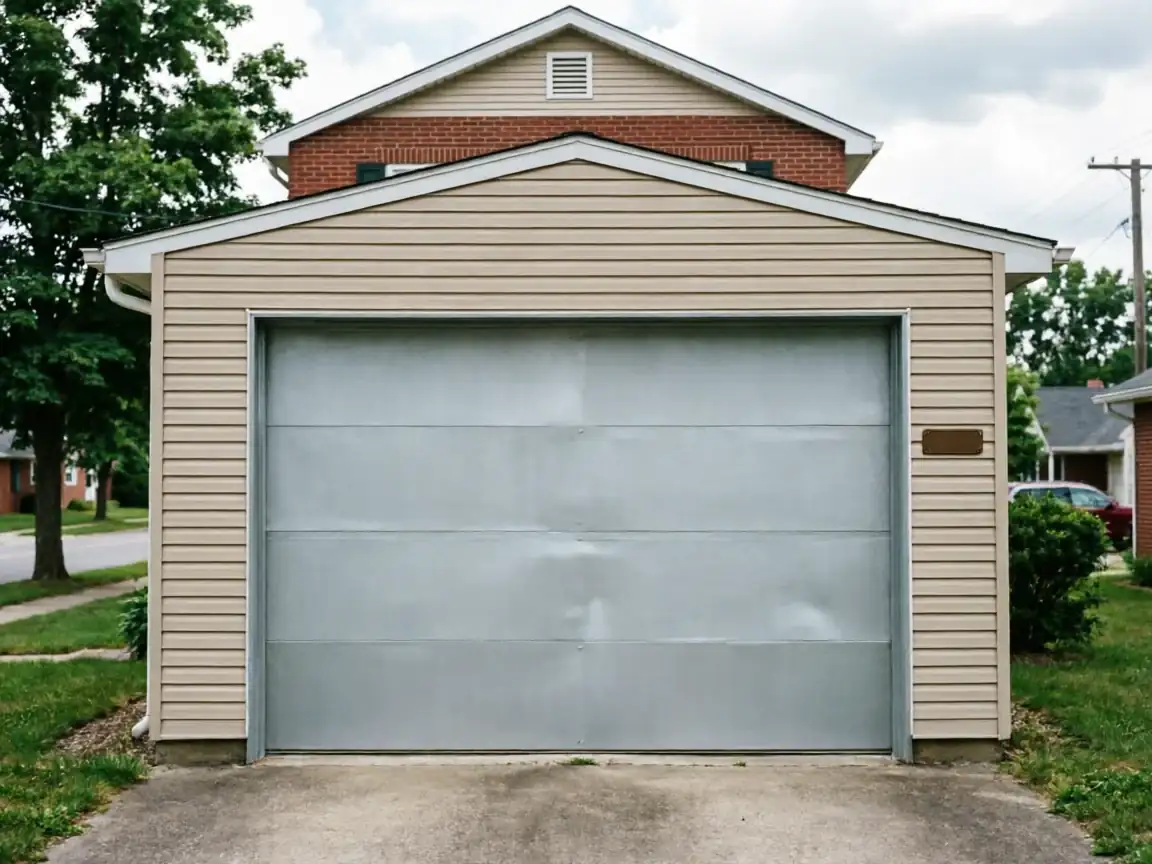
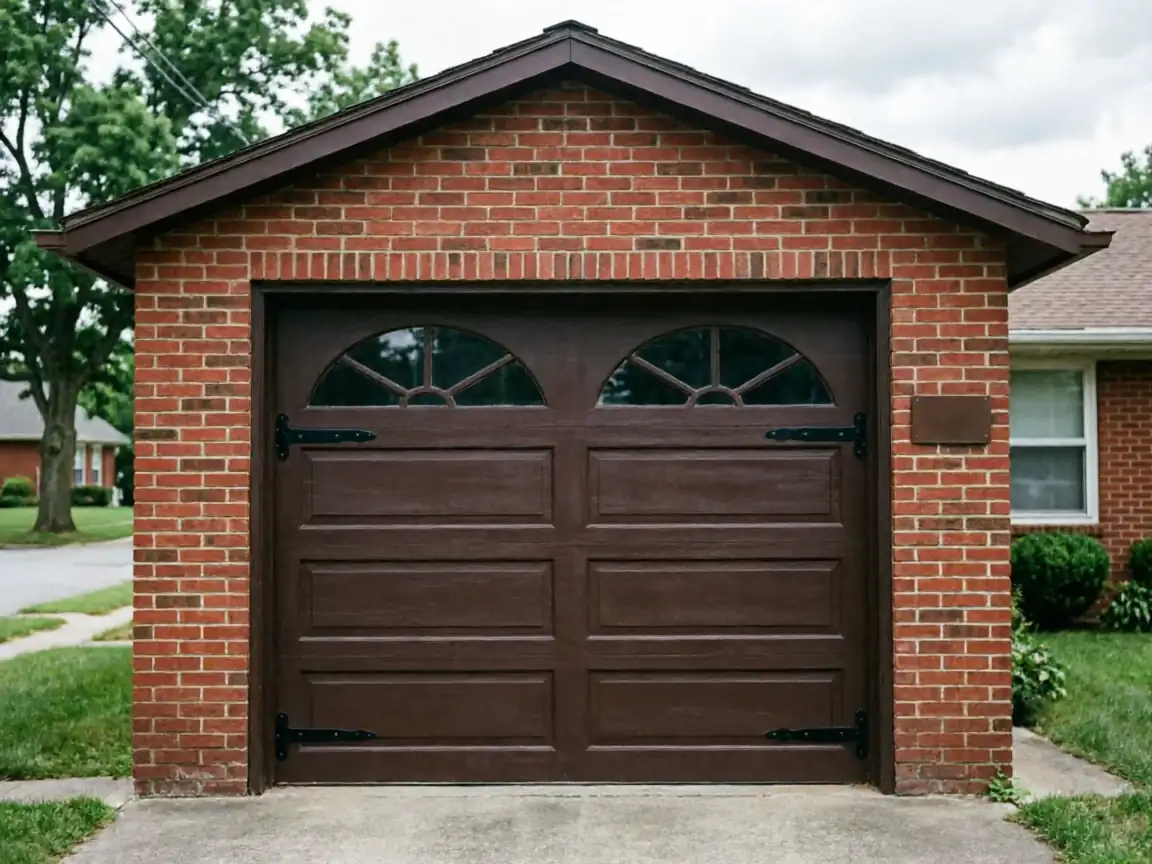
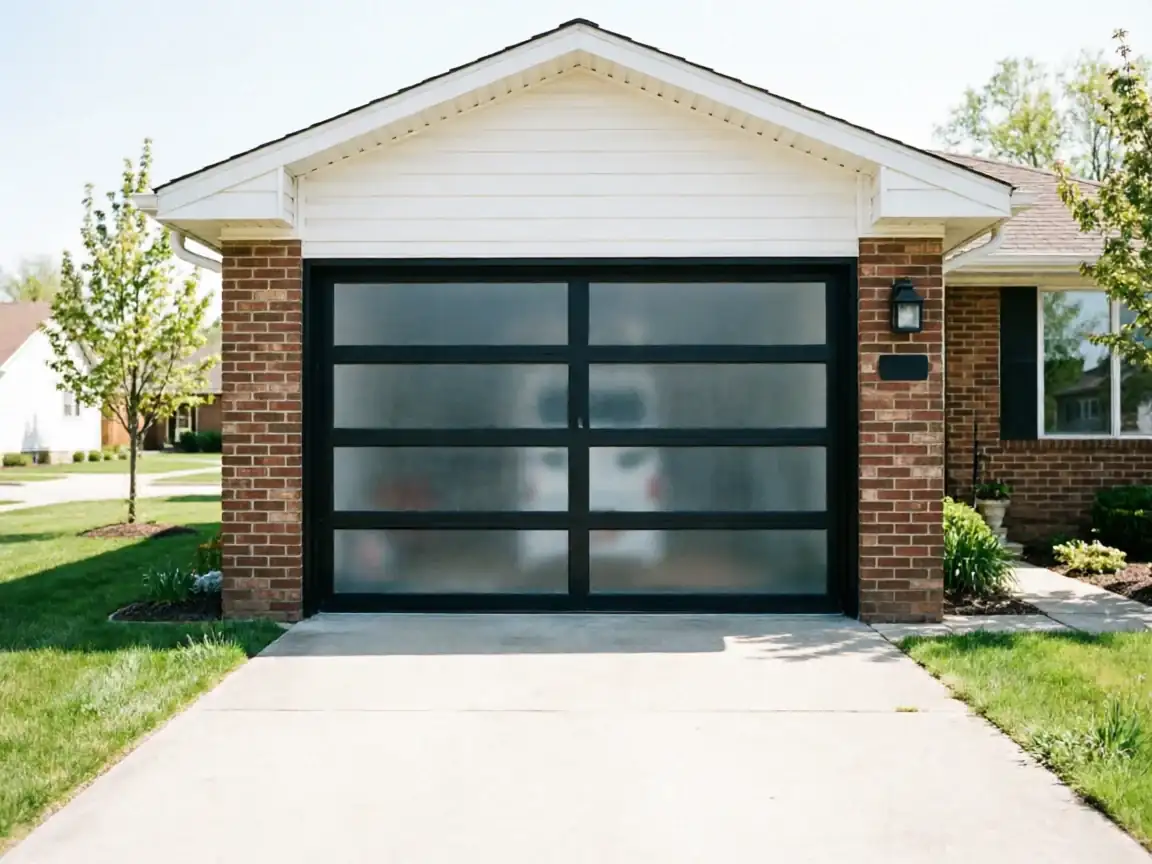
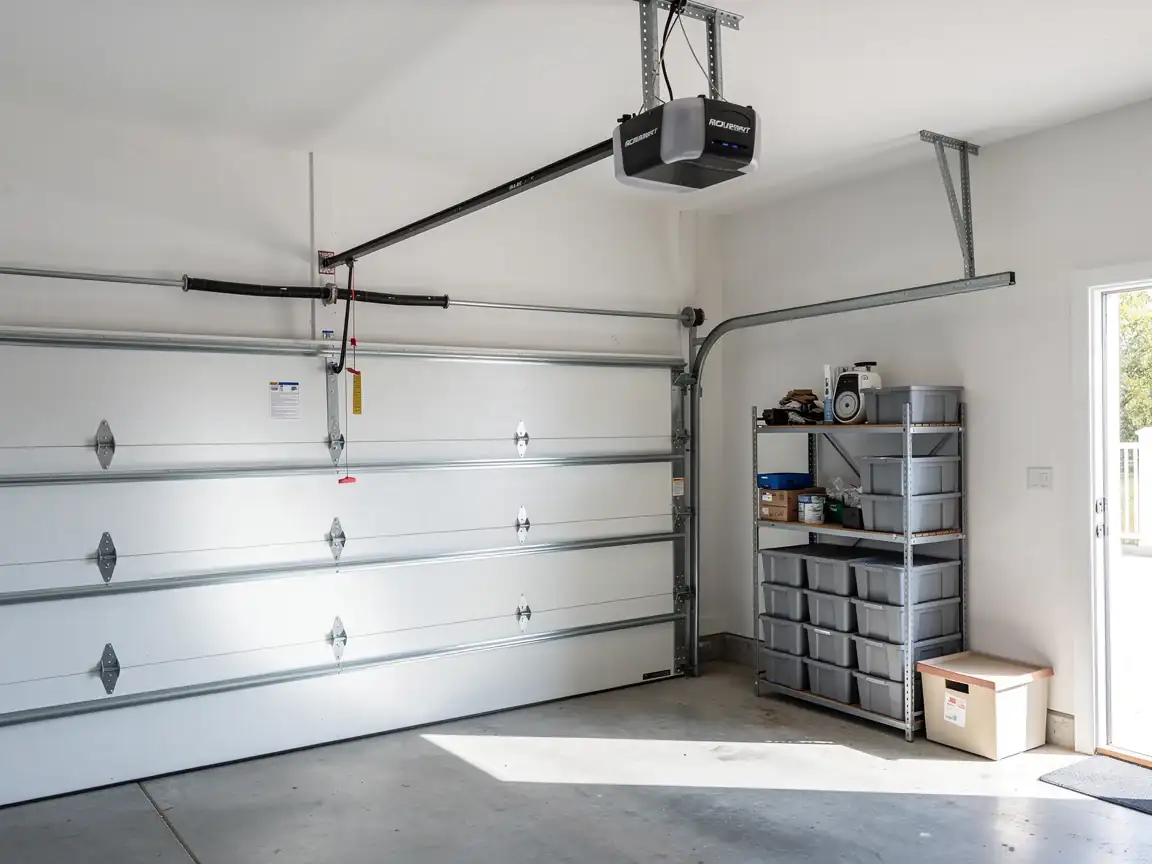
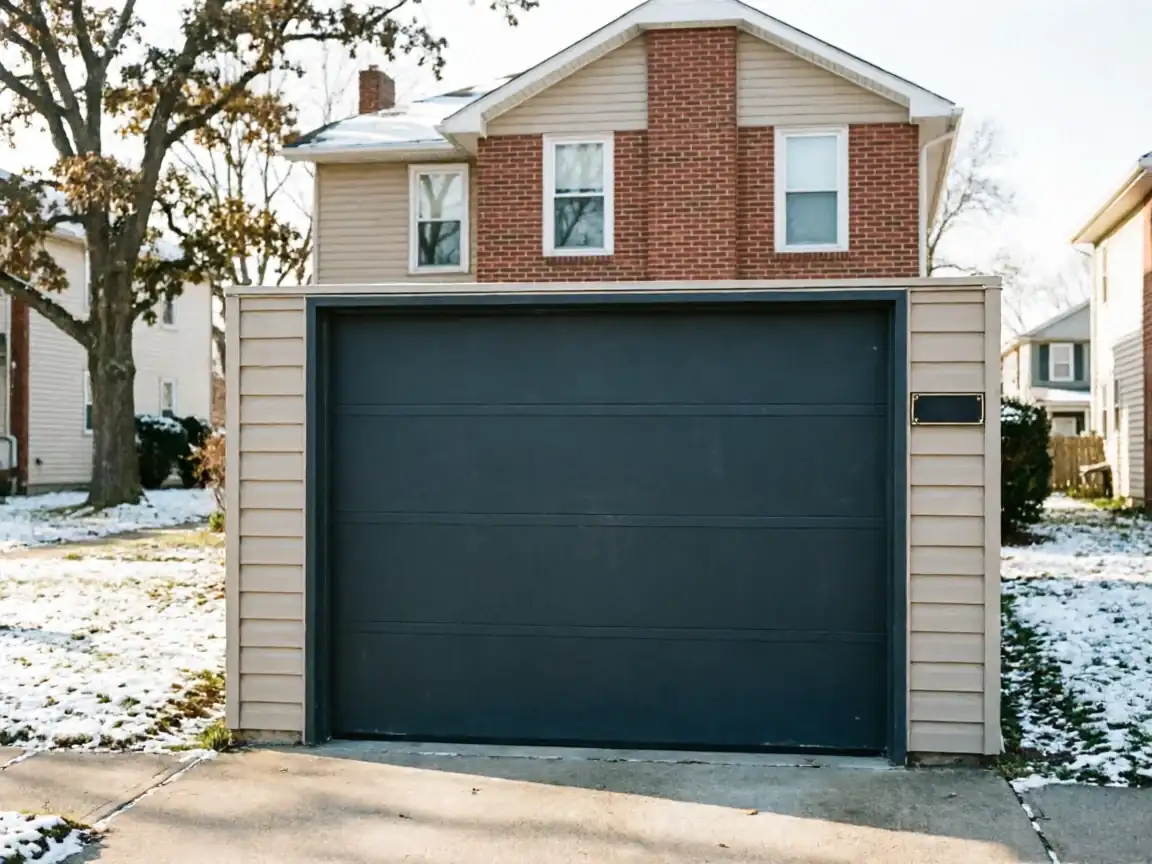
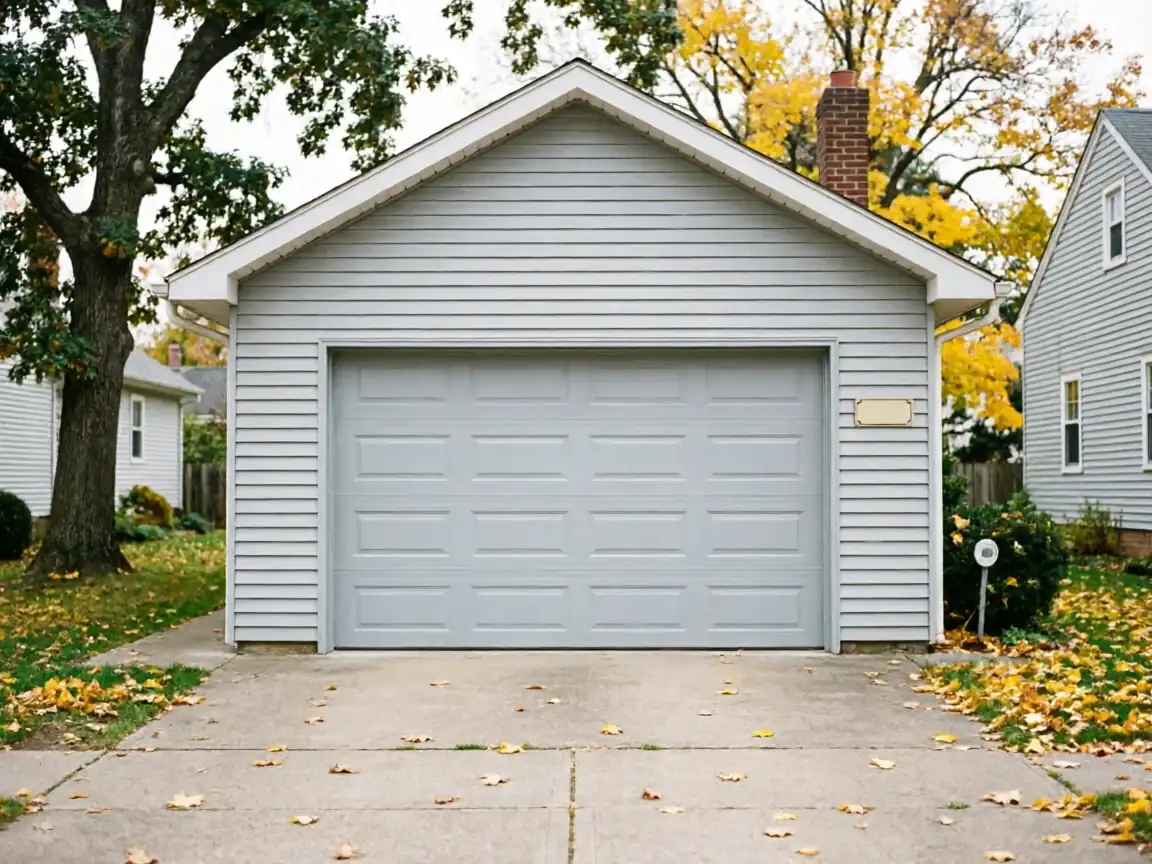
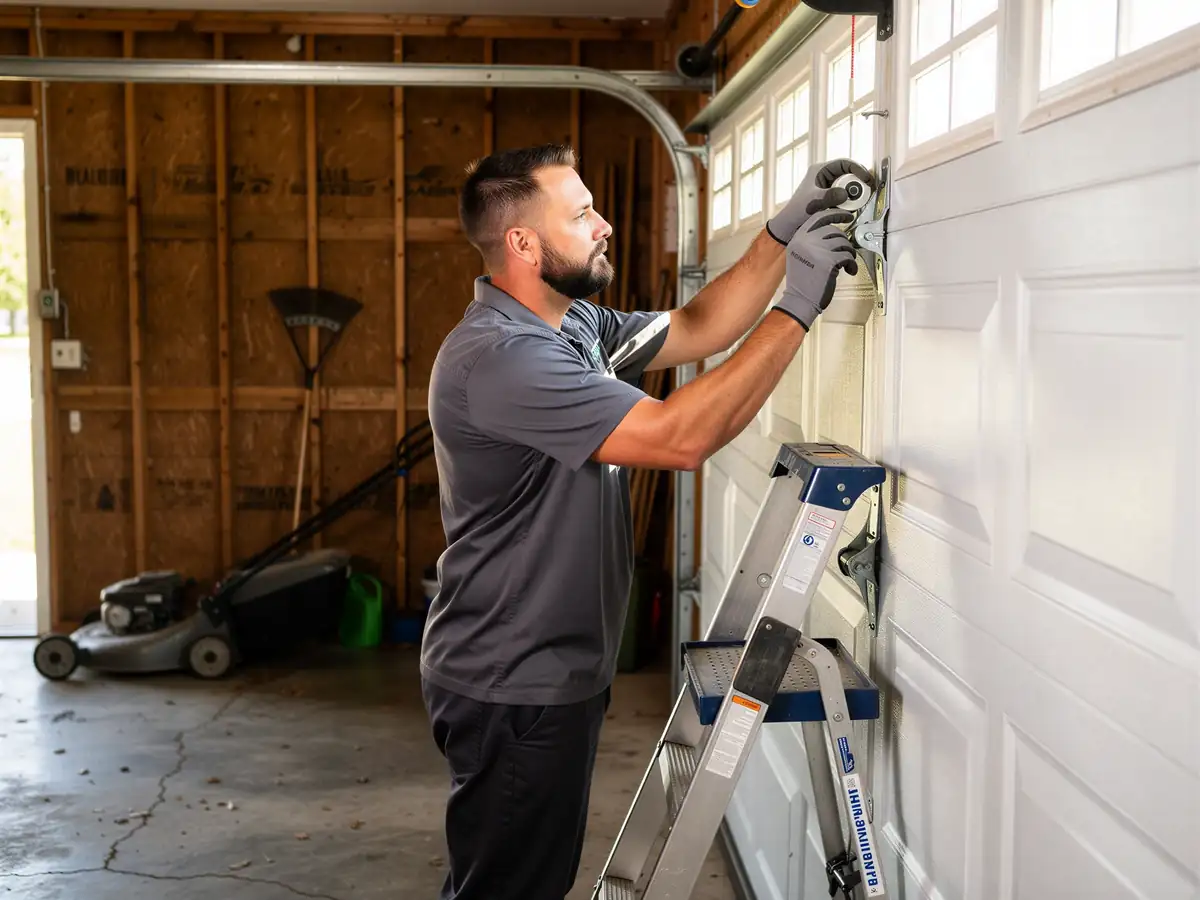
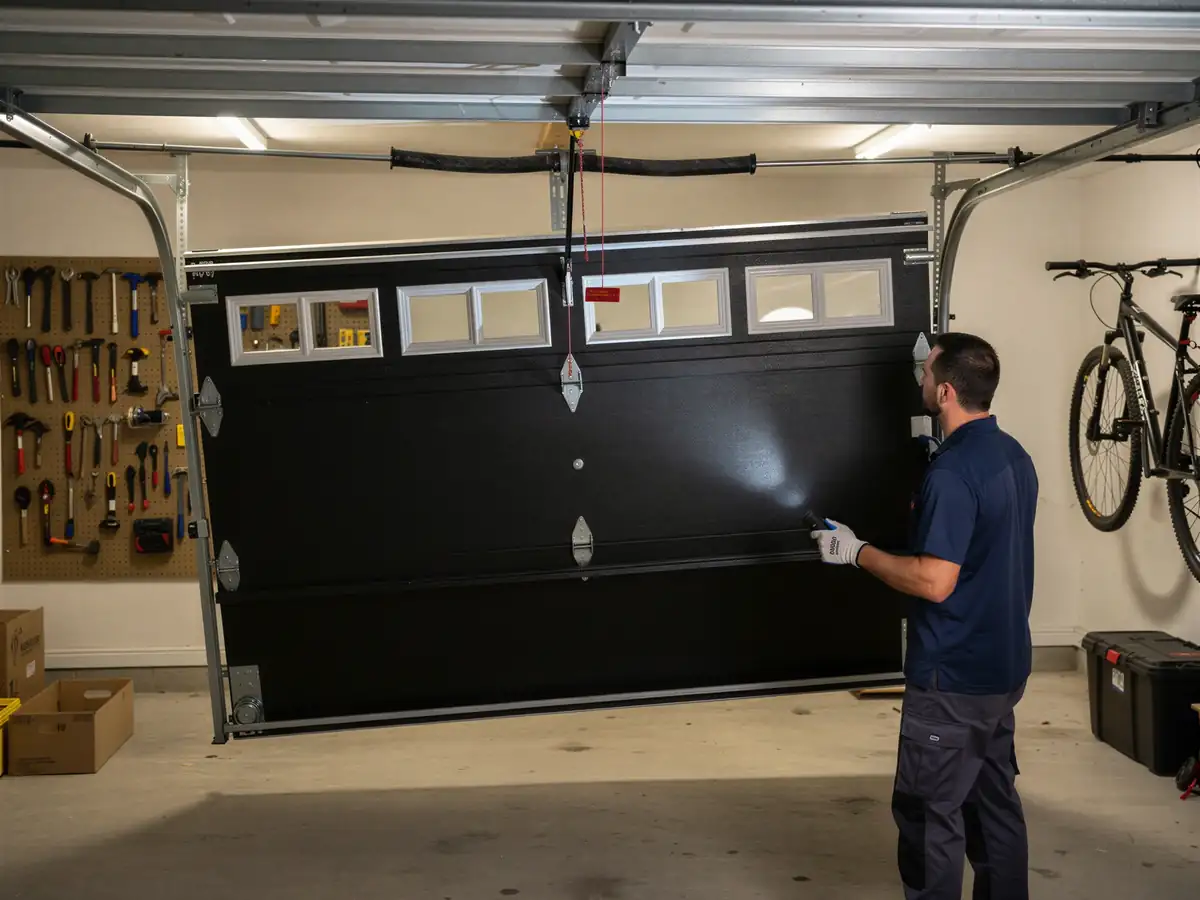
Most of the garage doors in Camp Point are hanging on houses built right around 1960, which puts them square in the middle of the area's 1938-1969 building window. A door from that era is usually a single-layer steel panel, no insulation sandwiched in, on a 16-by-7 or 9-by-7 frame with steel tracks that were sized for a lighter door than what often gets installed as a replacement later on. When one of those tracks starts to bow or the rollers wear thin, the door doesn't come off cleanly - it binds on one side first, usually the side that gets more sun or more moisture over the winter. You'll see the door hang crooked in the opening, hear a grinding or popping sound as it travels, or find it stopped dead a few inches off the floor with one roller sitting outside the rail. On a door this old, that's rarely a one-part fix, because the track, the roller, and the hinge it's bolted to have all been working together - and wearing together - for six decades.
Where This Job Goes Sideways
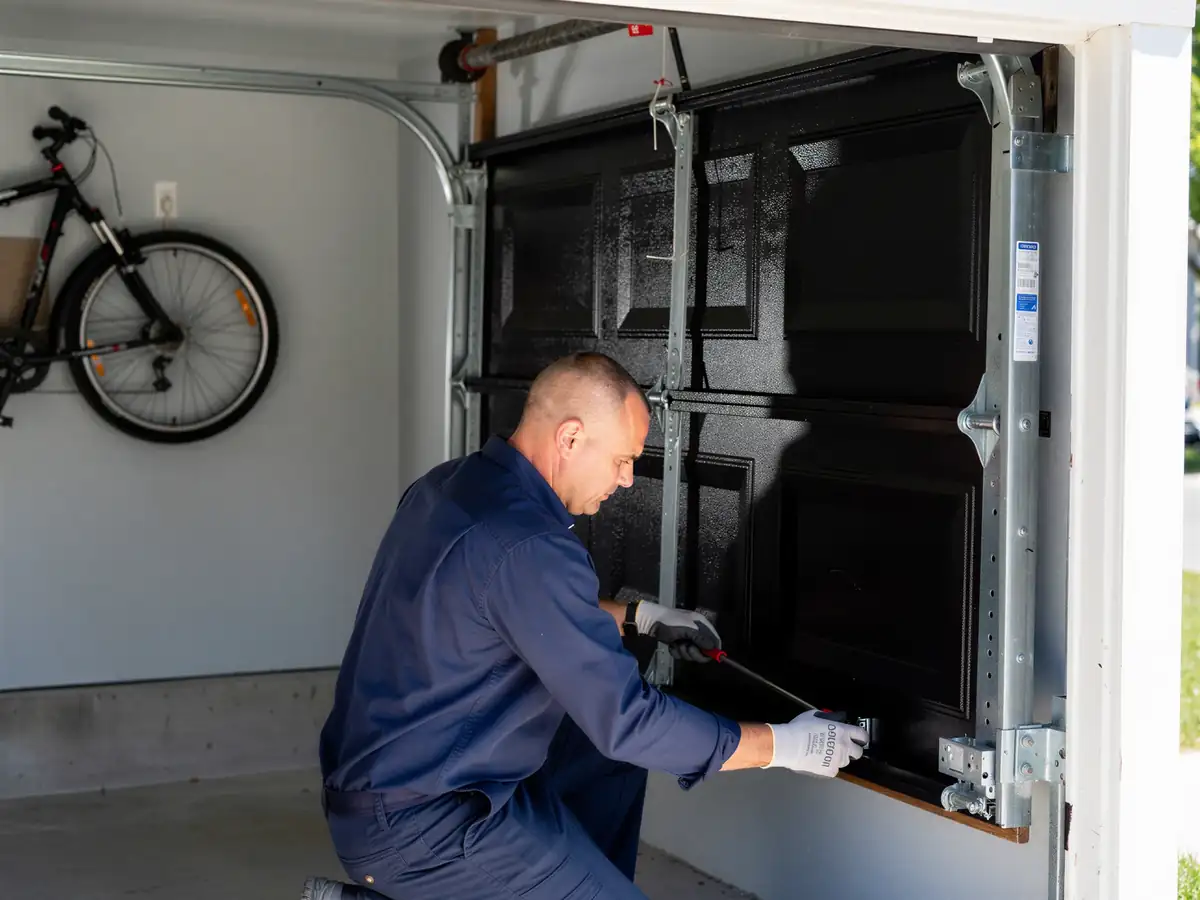
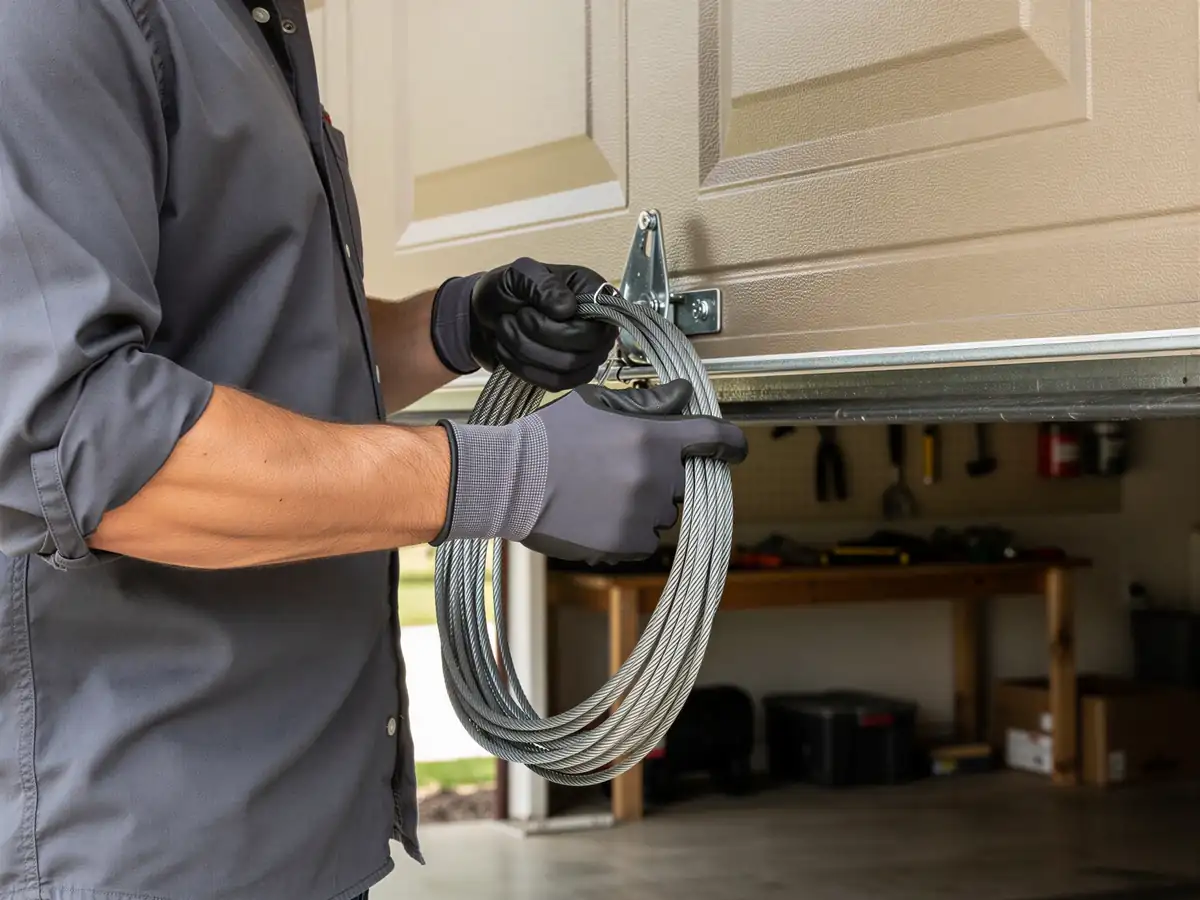
The mistake we see on doors this age is someone muscling the door back onto the track by hand, or prying the track wider with a bar to force the roller back in. On a 1960s steel track that's already thinned from rust or flexed from age, that bends the rail further out of true, and now the door comes off again within a month, usually worse. The other place this goes sideways is the spring. A door that's off-track is often still under spring tension, and if the cable has also jumped its drum, the door can drop without warning while someone's hands are still inside the opening. We won't force a door back onto a bent track and call it fixed - if the rail is bowed, it gets replaced, not bent back, because a straightened track fails again faster than the original did.
Why This Fails Locally
The area's climate sits in the cold-moderate band, which means Camp Point gets real freeze-thaw cycles every winter - not the hard cold of the upper Midwest, but enough swing to work water into any gap in a track mount or a weather-worn hinge, freeze it, and loosen the bolt a little more each year. On a door built in 1960, that's sixty-some winters of that cycle working on hardware that was never sealed or galvanized the way current stock is. Add in that household income in the area runs around $58,438, below the wider service area's $61,139 median, and a lot of these doors have been patched rather than replaced - a new roller here, a bent track hammered straight there - which means the track and the door panel often aren't matched anymore. That mismatch is exactly what throws a door off-track: a slightly heavier replacement panel on an original track built for something lighter.
The Cost of This Job
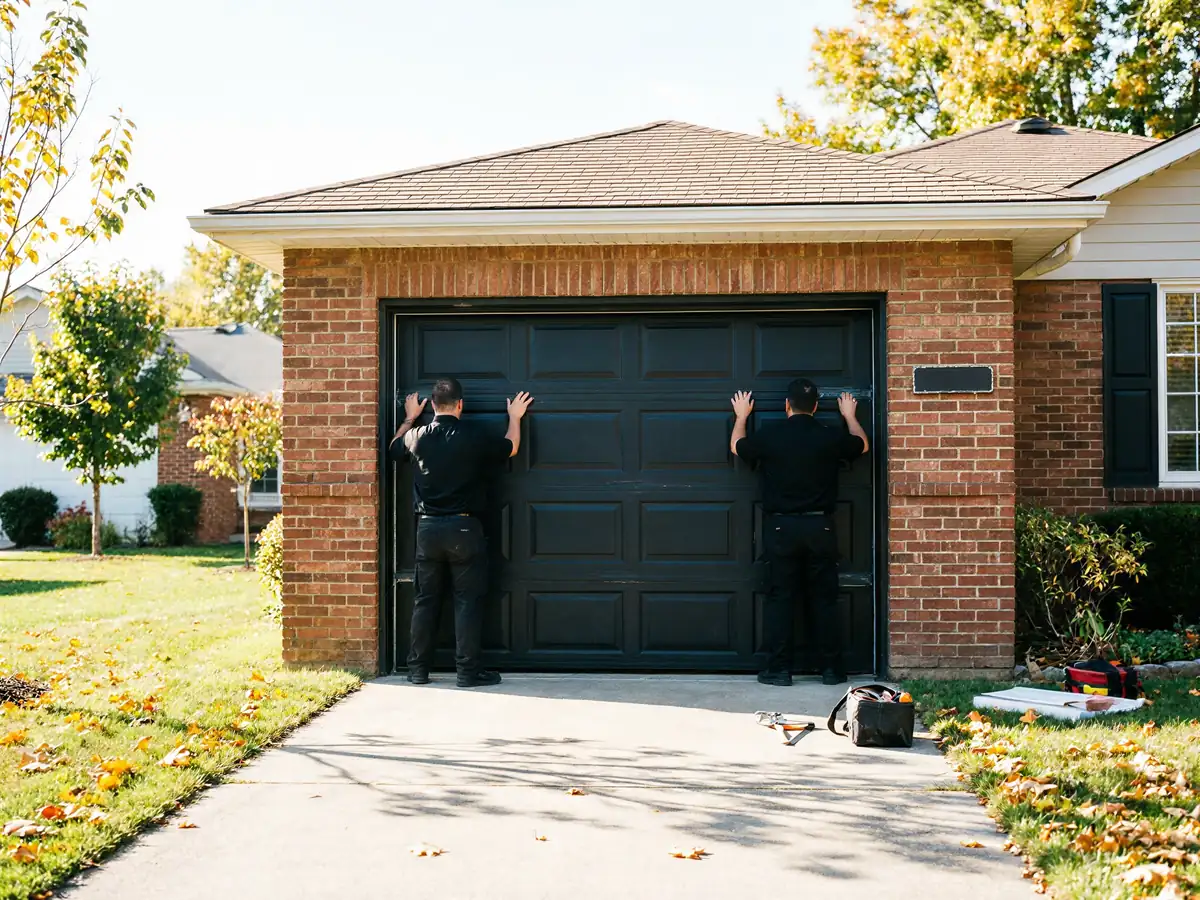
We can't give you a number here without seeing the door - a bent track on one side is a different job than a track plus a roller plus a hinge that's stripped its screw holes, and we won't quote blind over the phone. What we can tell you is that with 443 households in Camp Point and most of the housing from the same 1960 build year, this is not a rare call out here; it's one of the more common reasons we make the drive from Quincy. If the track is original and bowed in more than one spot, replacing that section usually costs less in the long run than a second visit for the same fault.