How It Shows Up
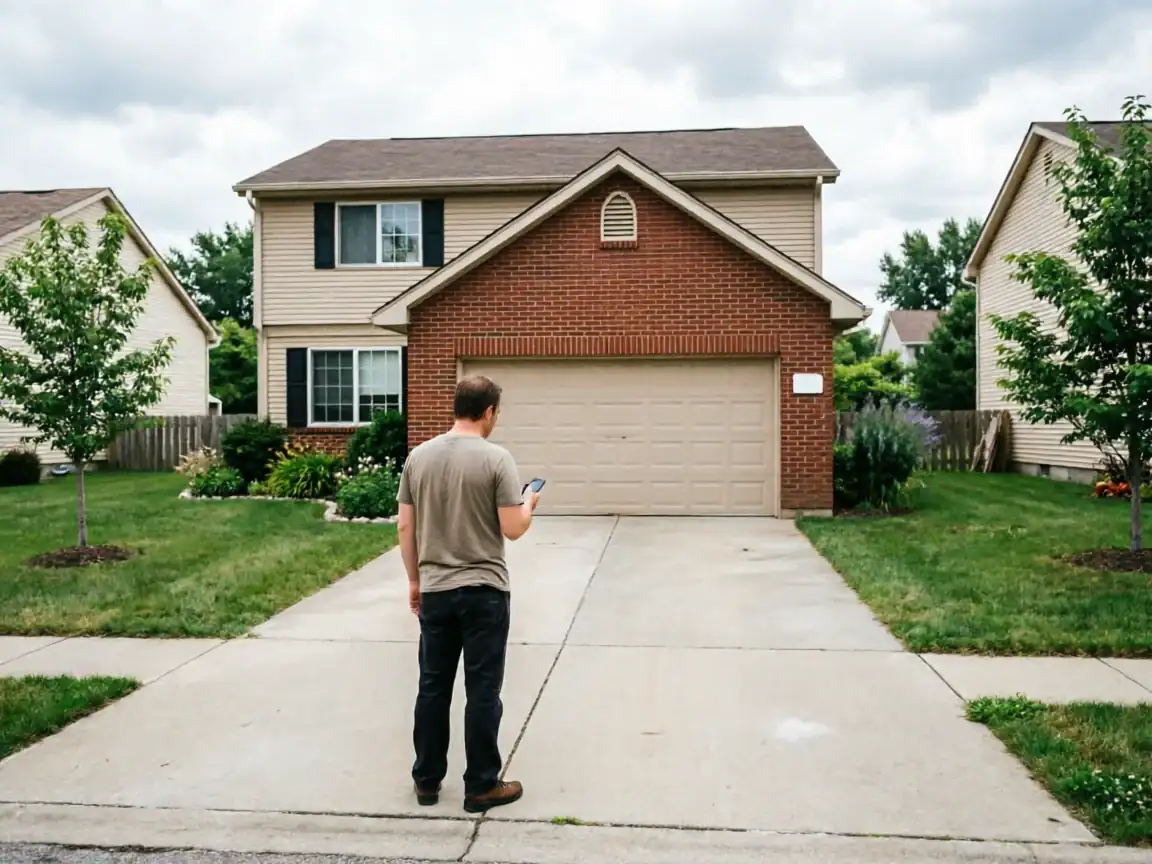
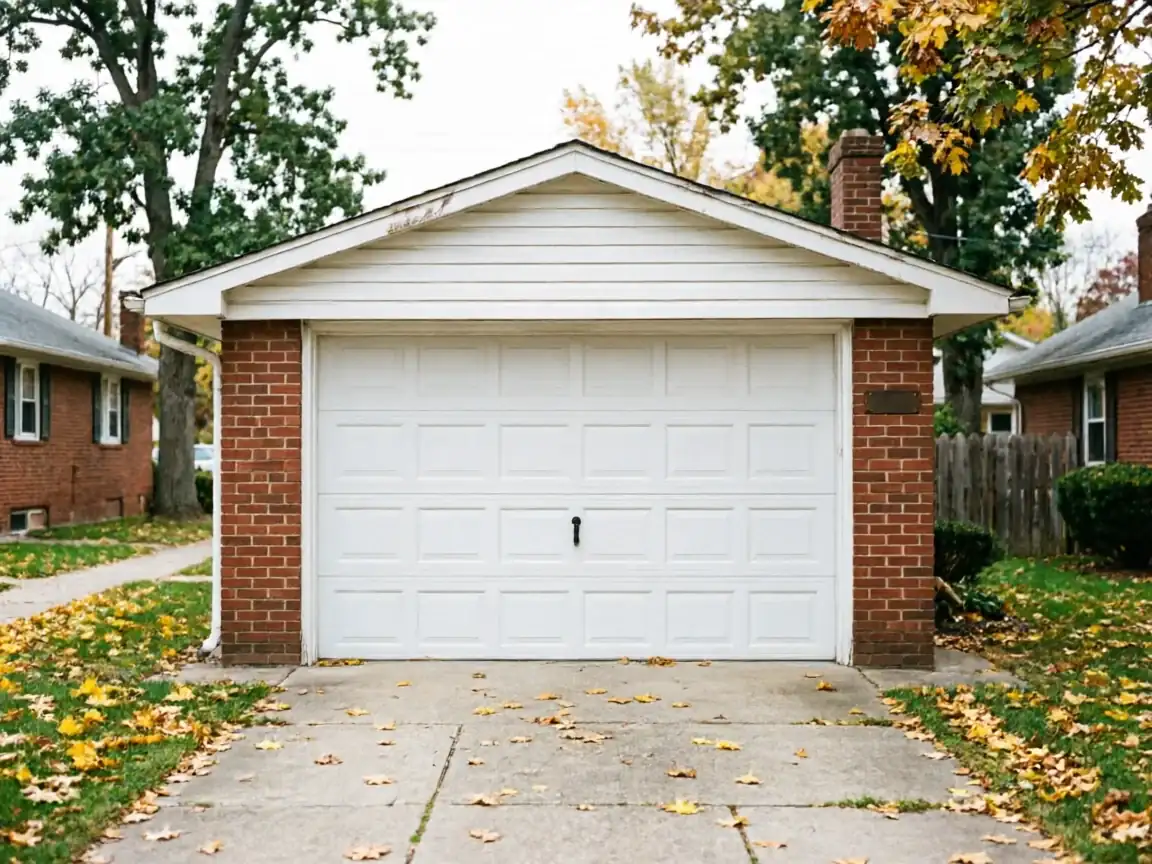
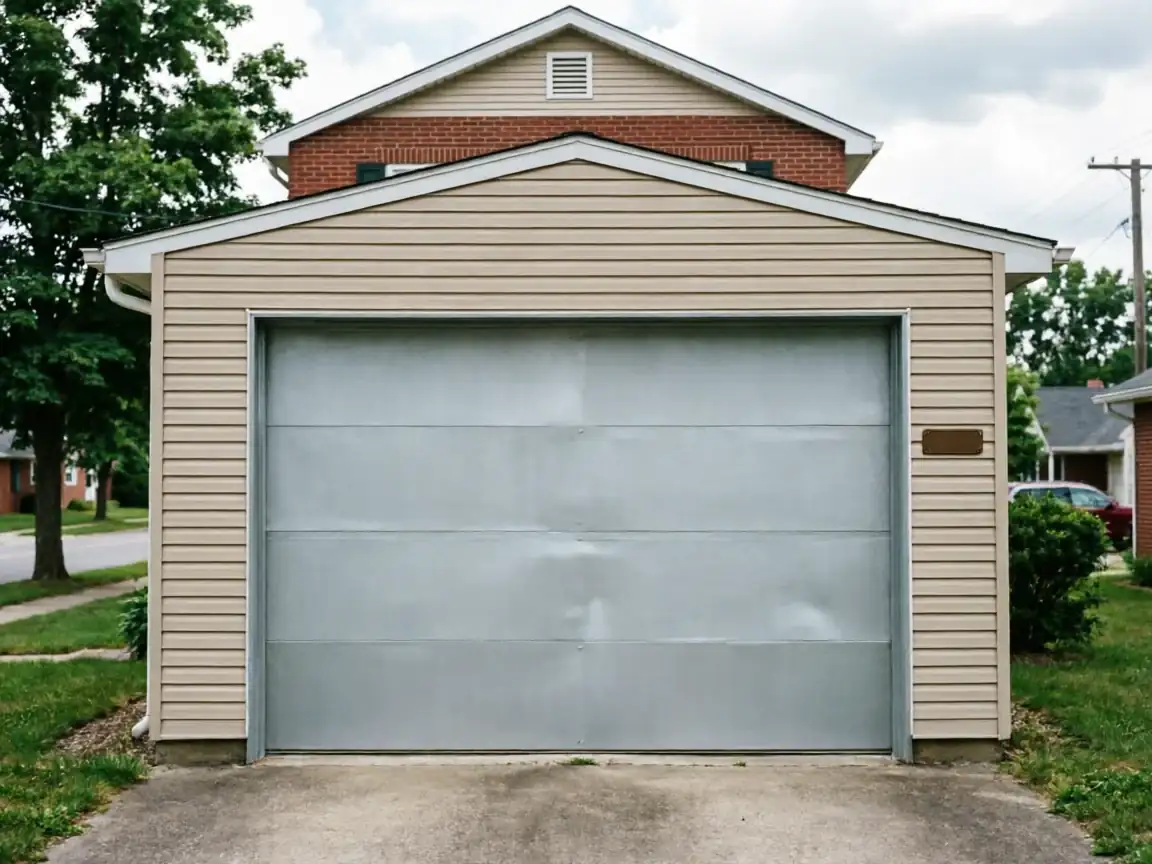
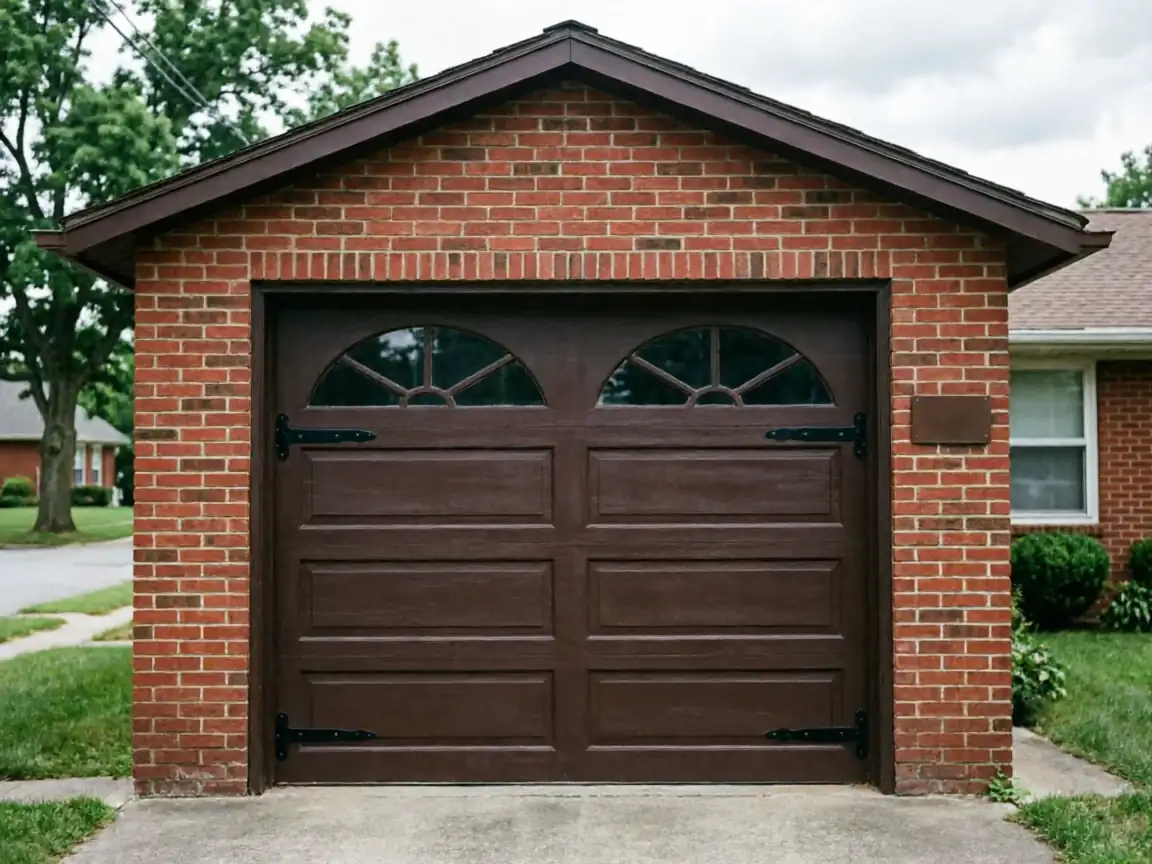
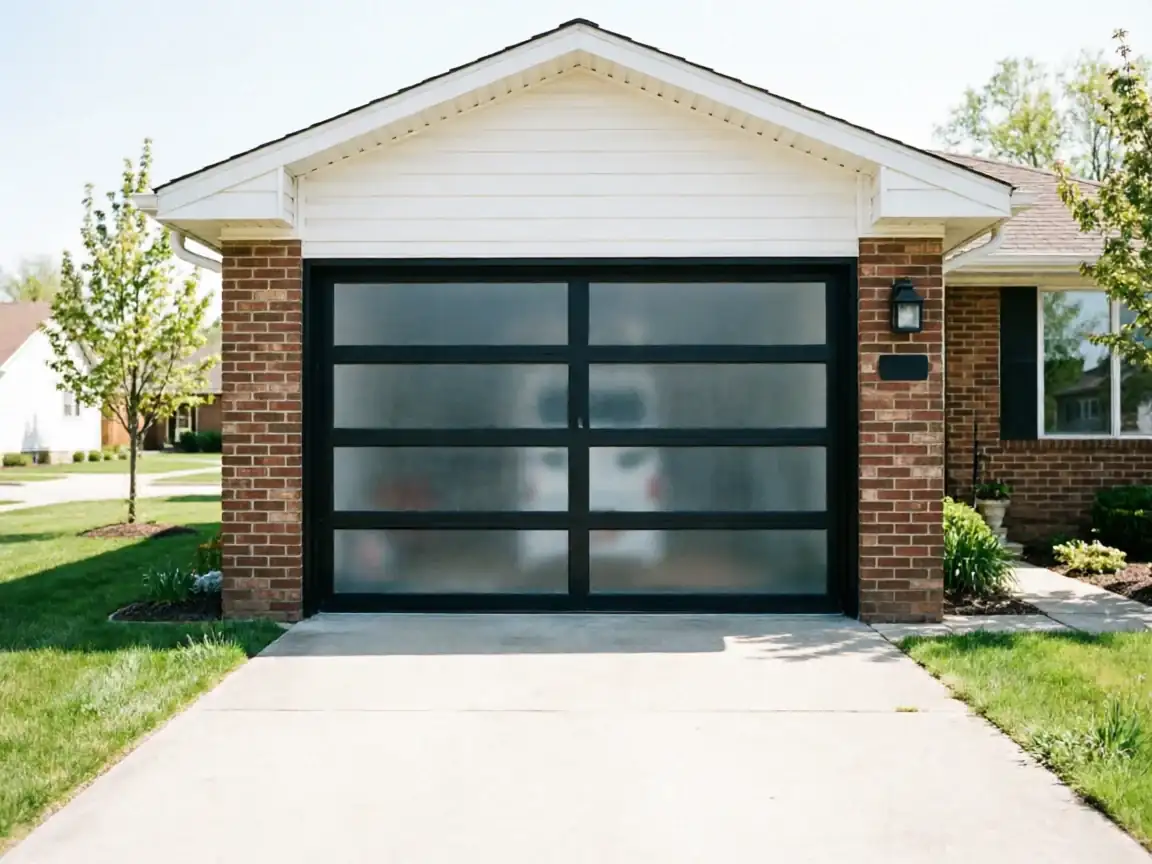
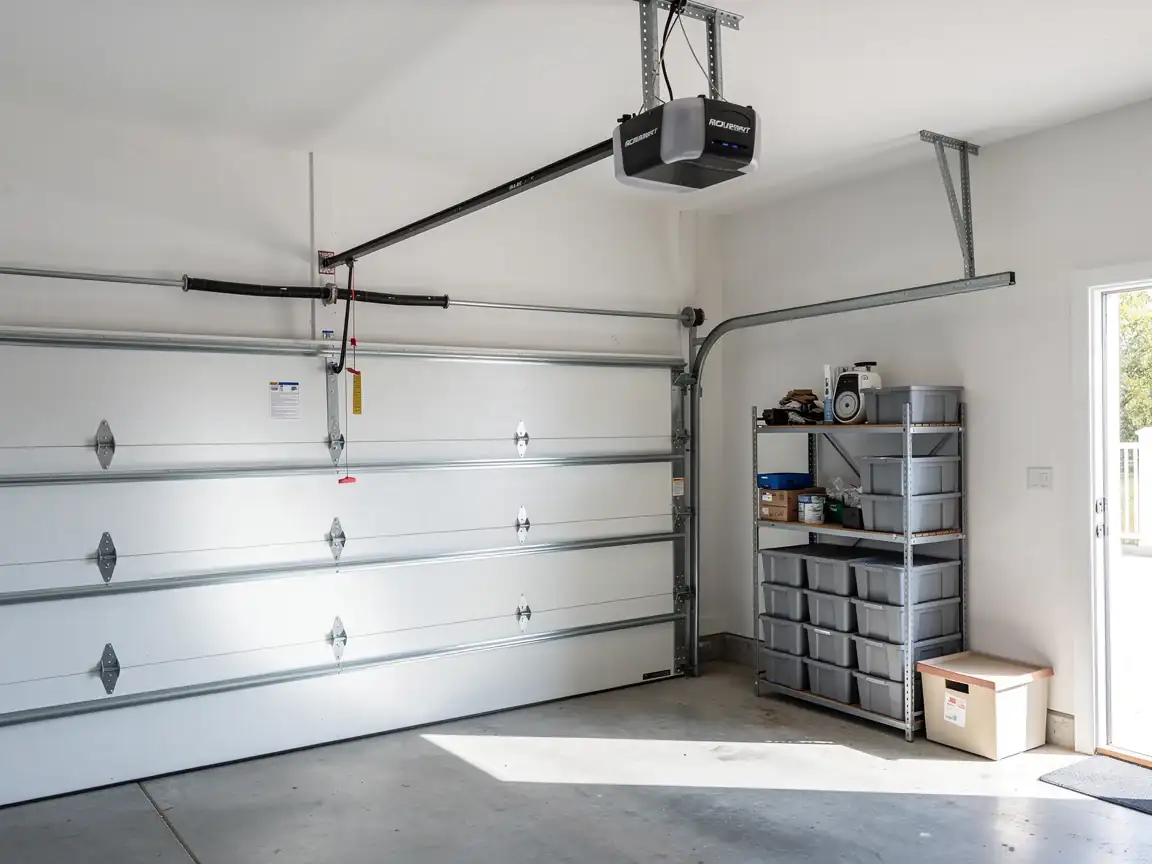
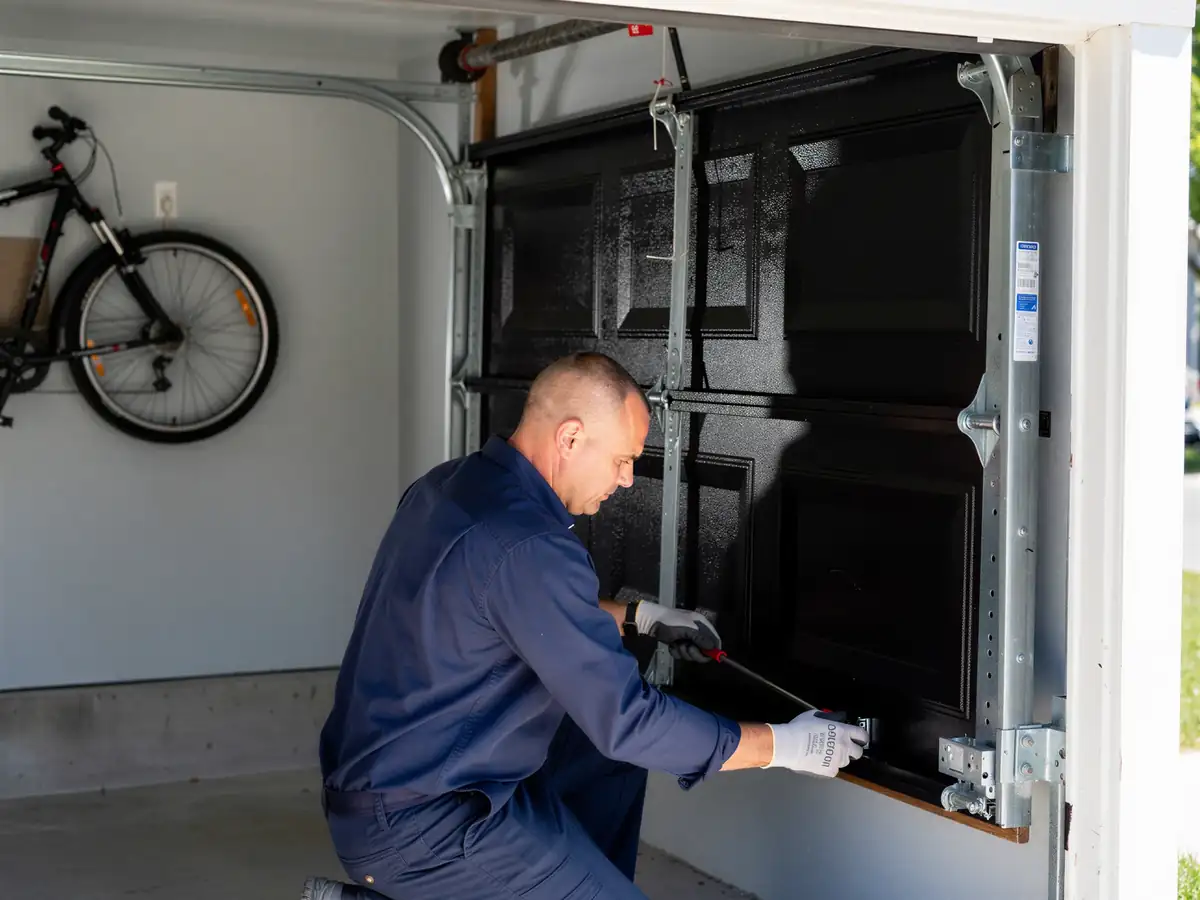
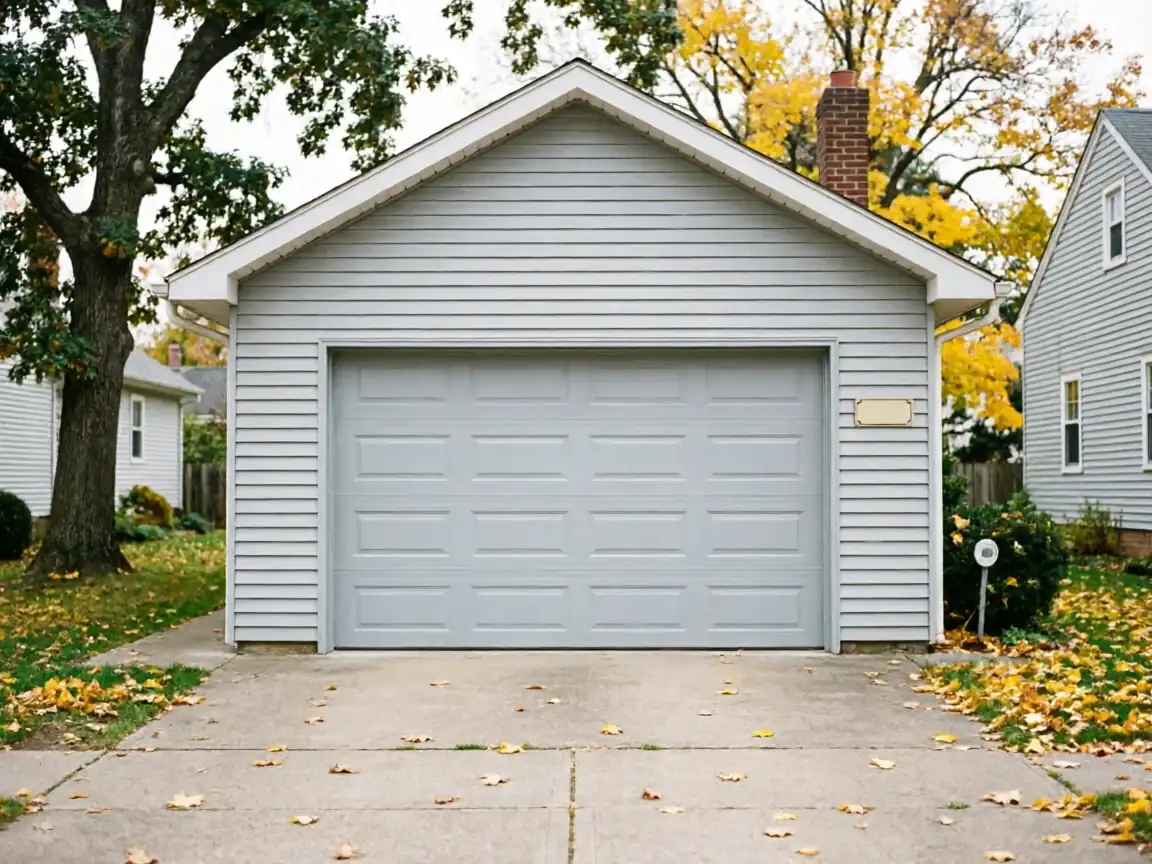
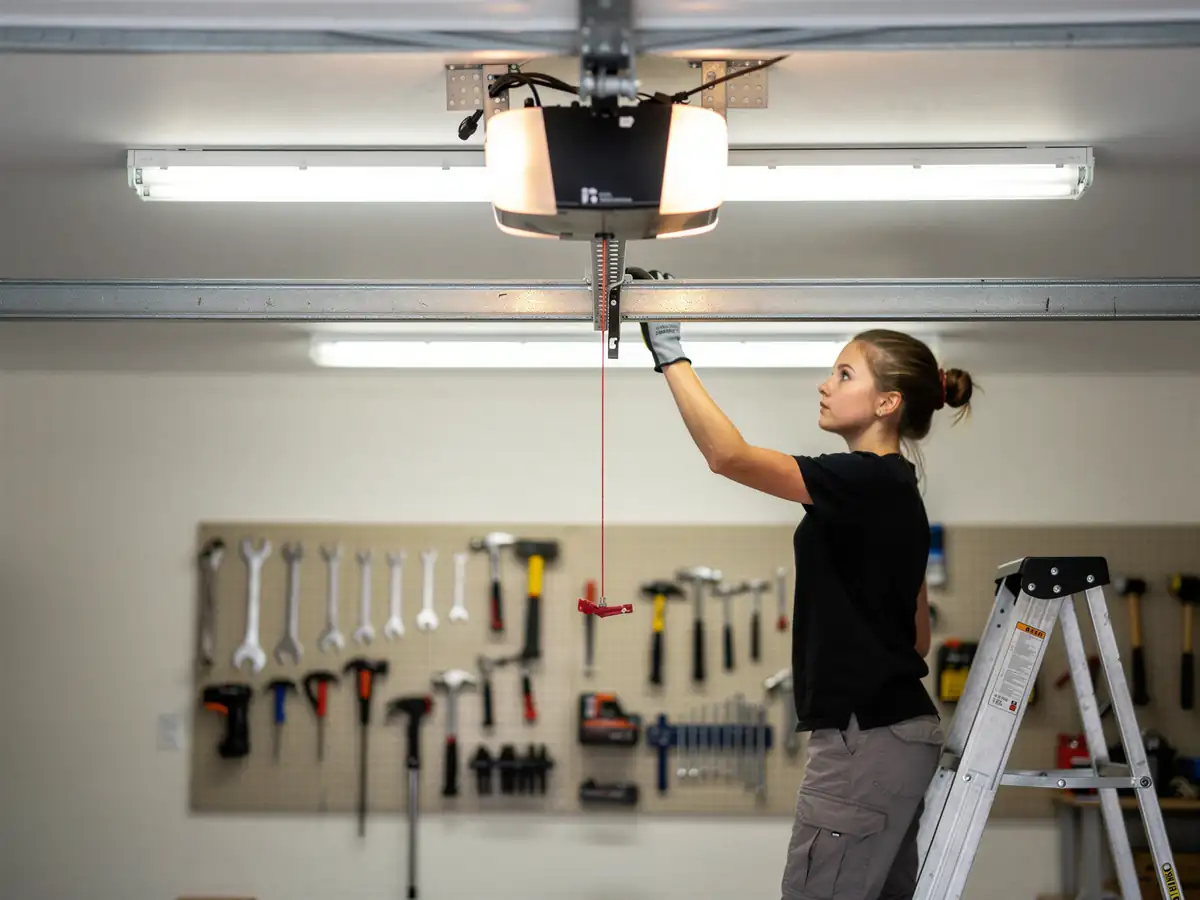
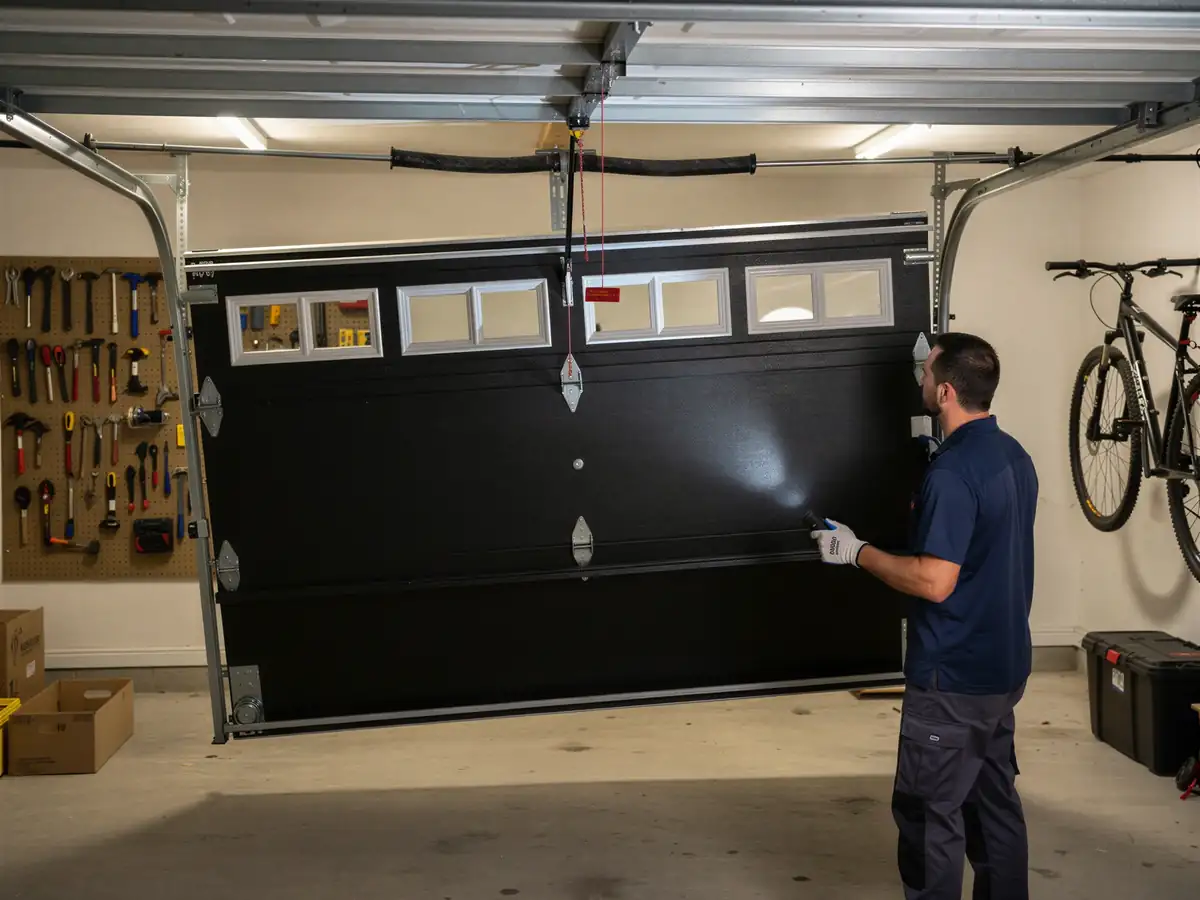
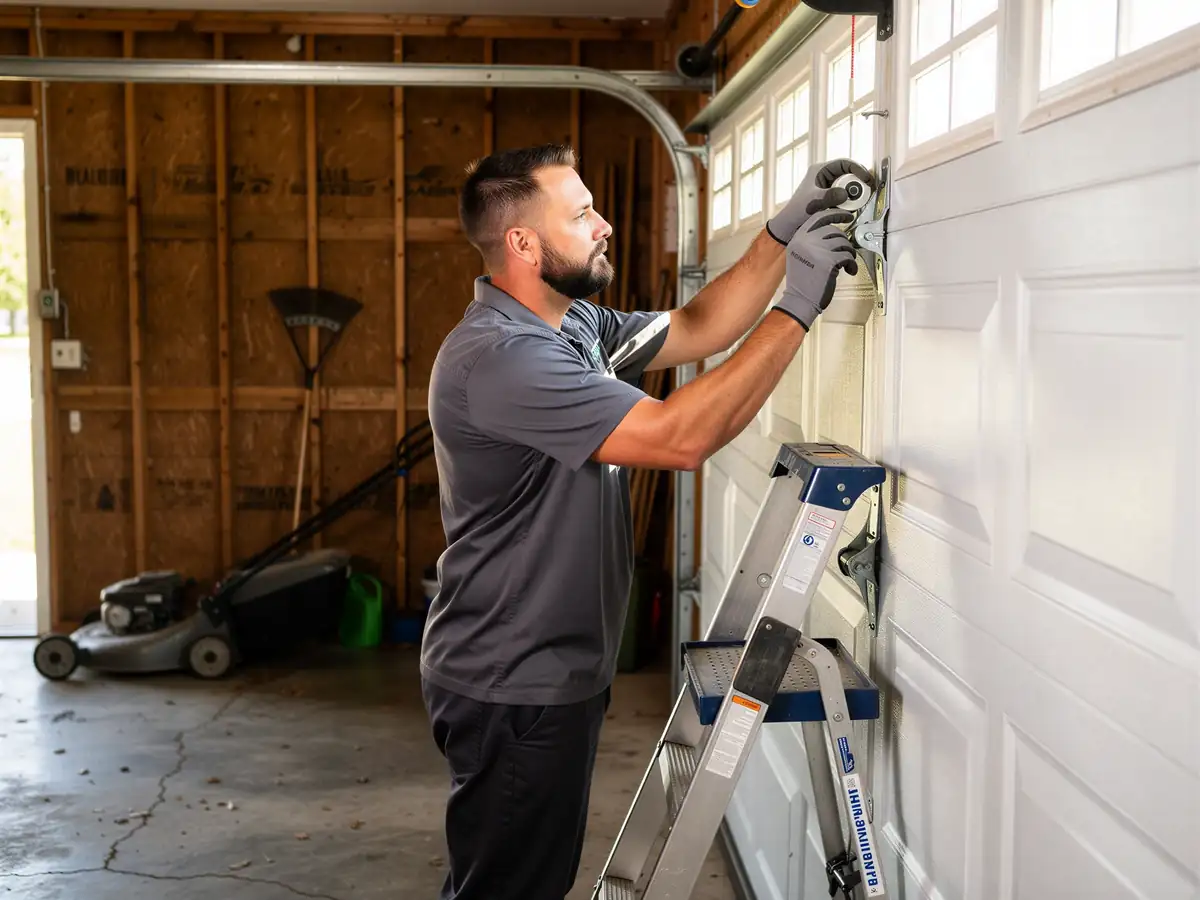
Camp Point's median home was built around 1960, and that number matters more than it looks like it should. A door that went up with the house in 1960 has had roughly sixty years to accumulate wear on parts most owners never think about - the torsion spring, the lift cables, the roller tracks bolted to framing that's been settling since Eisenhower was president. In a lot of these houses, nobody has ever touched that hardware. It still works, mostly, which is exactly the problem: a spring rated for a certain number of cycles doesn't send a warning before it lets go, it just lets go. What you'll notice first is usually small - a door that hesitates on the way up, a louder scrape from the rollers, an opener that strains harder than it used to. Those are the early signs on hardware this old, not something that started last month.
Where This Job Goes Sideways
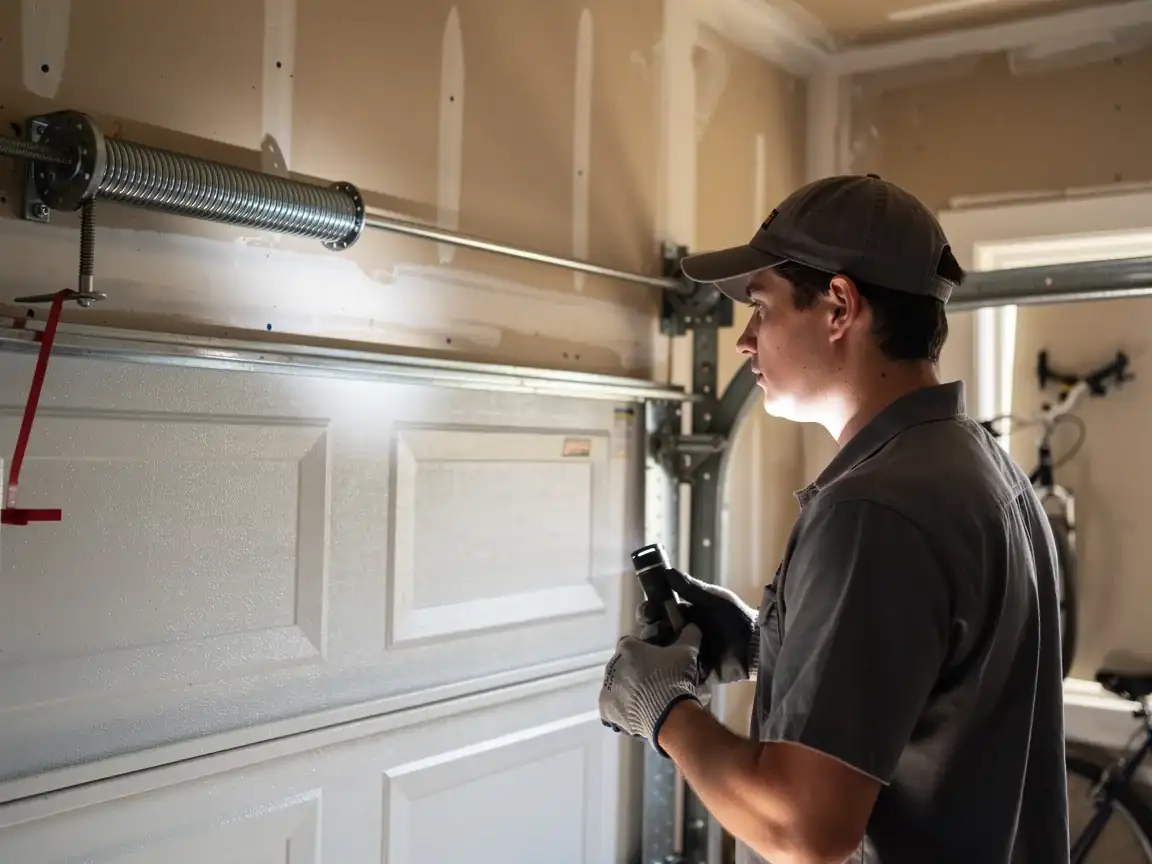
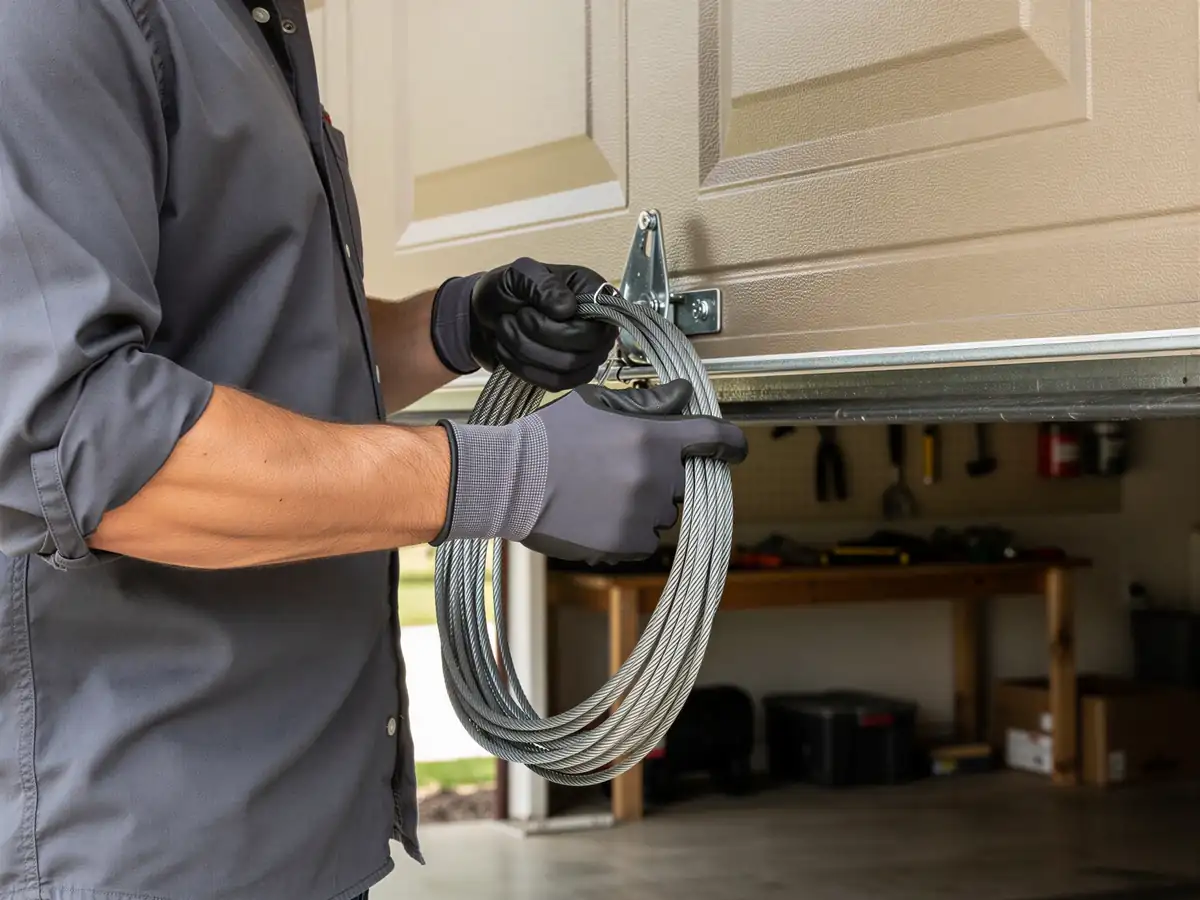
The failure mode here isn't exotic, it's age. On a door original to a 1960 build, the torsion spring has outlived its rated cycle count by a wide margin in most cases, and the cable ends fraying against a worn drum are a close second. Cold swings through this part of Illinois add a second layer - steel contracts, lubricant stiffens, and a spring already near the end of its life is more likely to snap on a cold morning than a mild one. We see this pattern often enough on service-area homes from the same build era that it's not a coincidence tied to one street or one house. It's the hardware's age meeting the climate, twice a winter.
Why This Fails Locally
Camp Point has about 443 households, and the housing stock across the broader service area runs 1960s-70s construction, which lines up with what we see on these calls - original hardware is the rule here, not the exception. A median household income of $58,438 also shapes the calls we get: owners here tend to ask for maintenance that extends what they have rather than defaulting straight to replacement, which is a reasonable instinct right up until the spring is too corroded to safely re-tension. The honest limit is this: once a torsion spring has visible rust pitting or the cable has frayed strands, a tune-up won't fix that door - at that point you're looking at a parts swap, not a lubrication and adjustment visit, and we'll tell you that on-site rather than charge for a service that won't hold.
The Cost of This Job
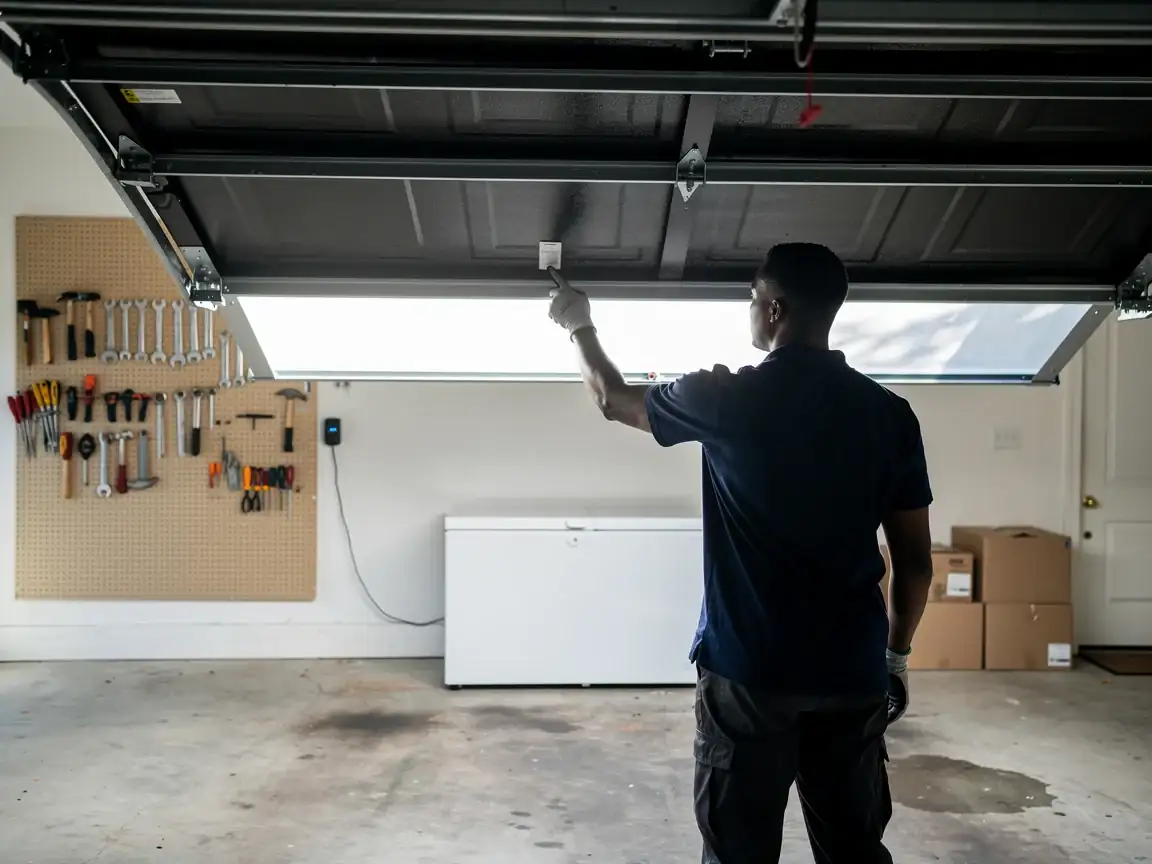
We don't quote a maintenance price here without seeing the door, since a 1960-era torsion setup and a newer opener-only check aren't the same job. What we can say is that catching original hardware before it fails costs less than an after-hours break - a scheduled visit means parts get inspected and adjusted on our timeline, not replaced in a hurry on yours. Given how much of Camp Point's housing dates to the same build era, a lot of these doors are overdue for a first real look at hardware nobody has touched since it was installed.