How It Shows Up
The drive out to Camp Point is eighteen miles each way from our Quincy base, which means the appointment window has to account for travel before a single roller gets touched. That's not a complaint, it's just the math of covering this stretch of the service area.
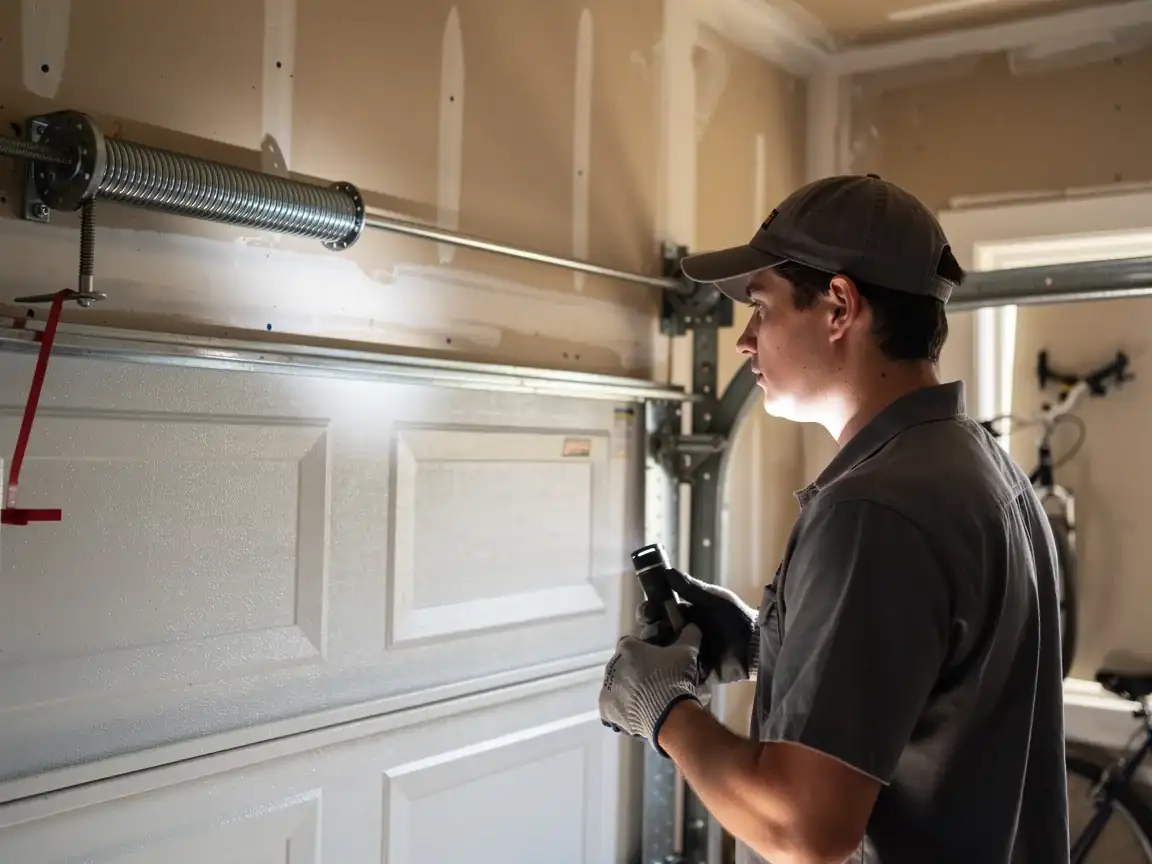
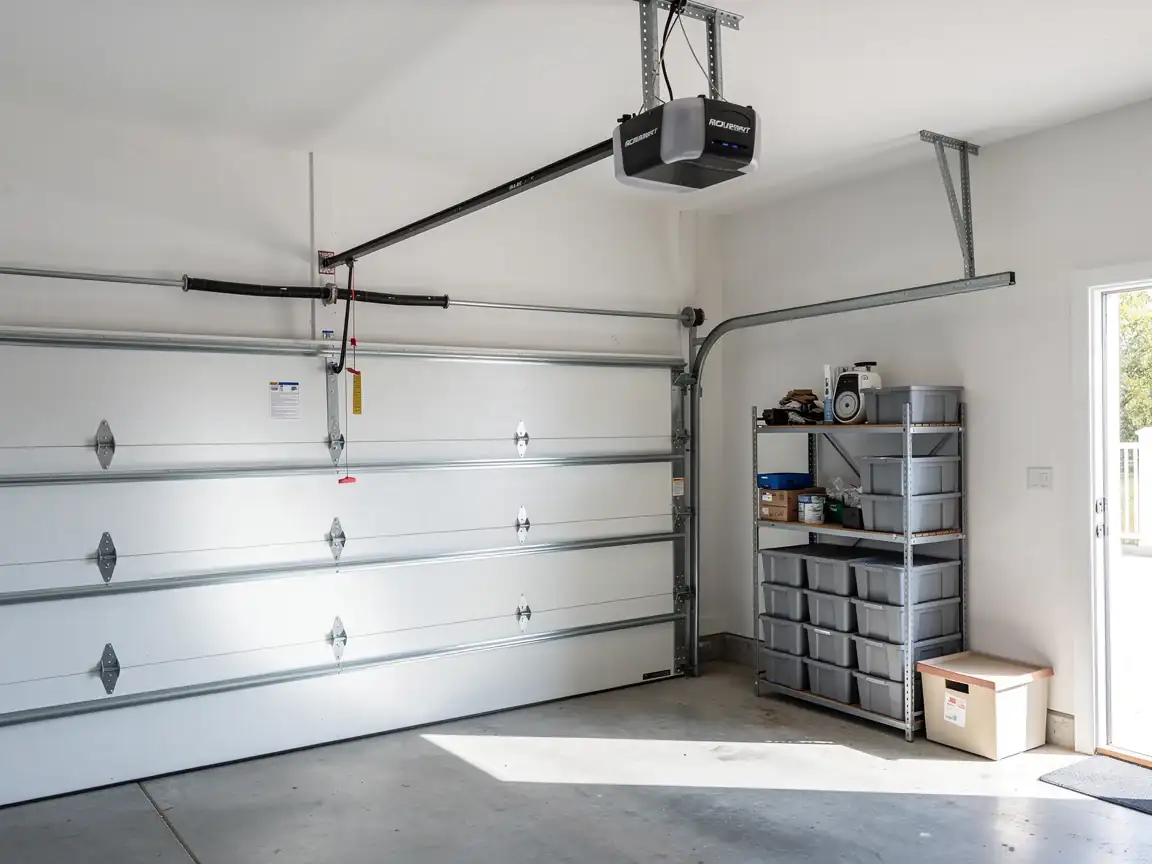
What we find once we're there tends to follow the housing stock. Most of Camp Point went up around 1960, a bit earlier than the 1964 median across the wider area we cover. Doors from that era were usually built with steel rollers on steel tracks, no nylon, no sealed bearings. After fifty-plus years those rollers wear down unevenly - one side of the door drags, the stem bends, and the door starts to walk sideways in the track instead of running straight.
The giveaway sound is a grinding or clunking on one side as the door travels, worse at the top or bottom of the run depending on which roller gave out first. Some owners mistake this for a spring problem because the door feels heavy to lift by hand, but a dragging roller puts extra load on everything else in the system, including the spring, so the two issues often show up together.
Where This Job Goes Sideways
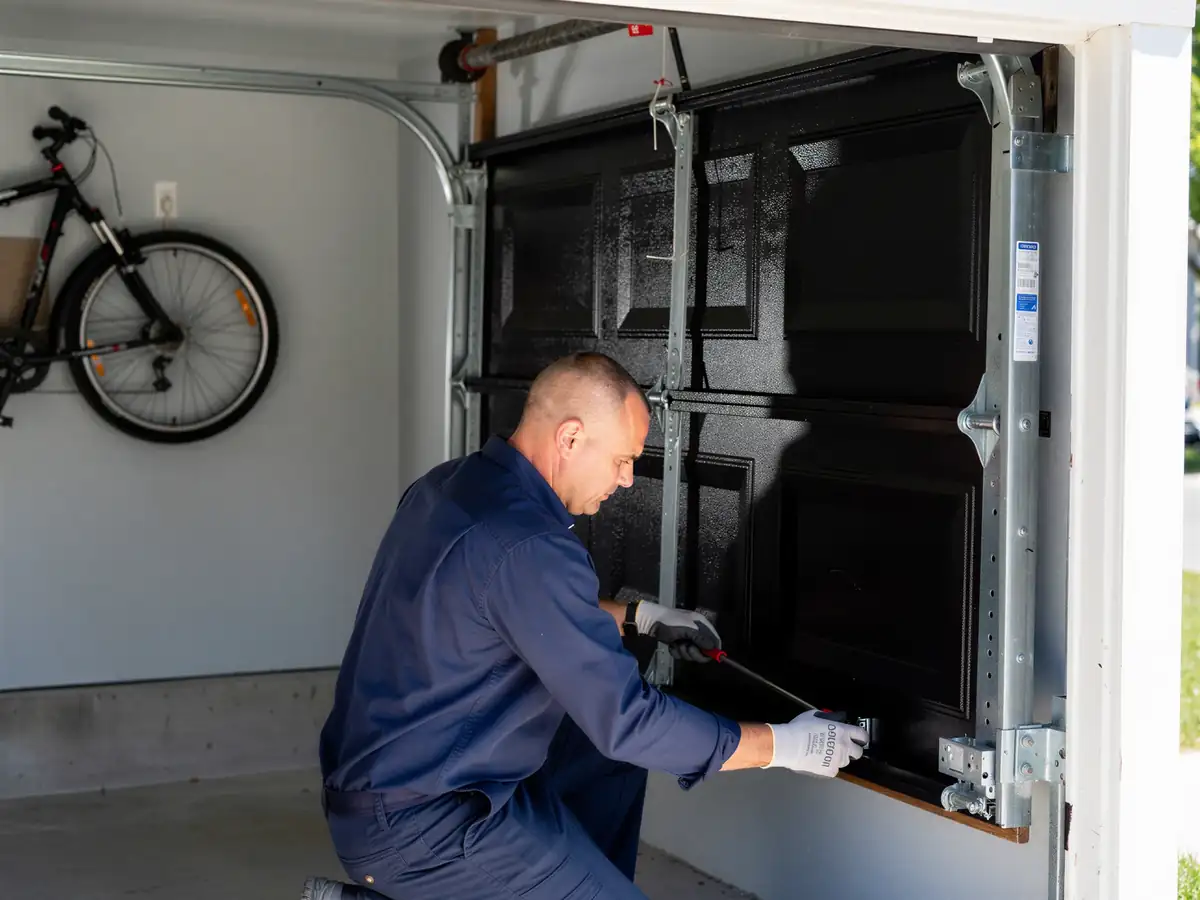
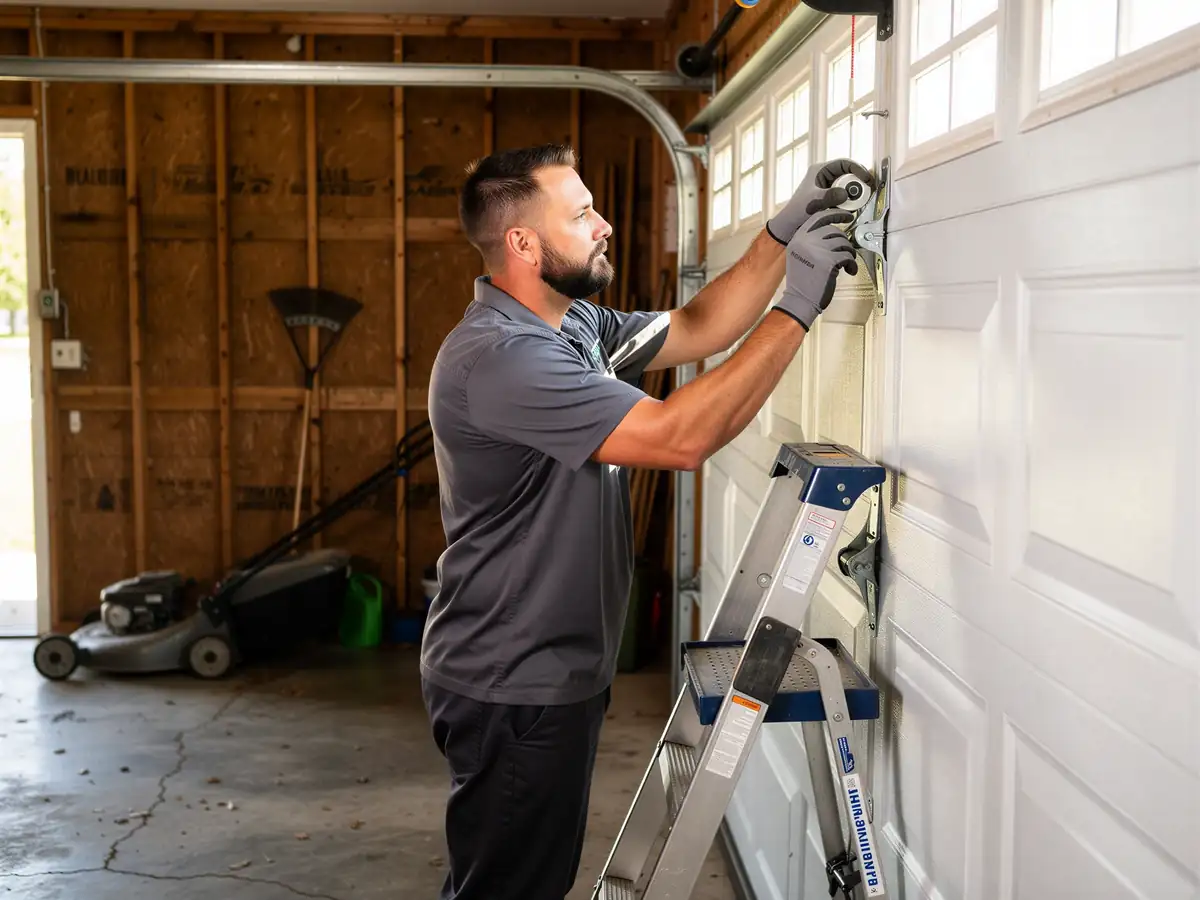
Swapping rollers sounds like the simplest job on a garage door, and most of the time it is. Where it goes wrong is when the track itself has taken damage from years of a bent roller stem riding against it. On a steel door from the 1960 era, the track gauge is often lighter than what's used today, and a worn roller can gradually bow it out of alignment rather than just wearing it smooth.
Cold weather makes this worse. This part of Illinois sits in a moderate-cold climate band, and steel contracts in winter. A track that's already slightly bowed from roller wear tends to bind harder on a cold morning, which is usually when the call comes in. If we open the door up and find the track itself is bent rather than just the rollers worn, that's a different repair, and we'll say so before doing anything - swapping rollers onto a bent track doesn't fix the drag, it just moves the symptom.
We also see owners try to fix this with whatever rollers are on the shelf at a hardware store, mixing steel and nylon on the same door. That's a short-term patch, not a repair, and it usually means a second call within the year.
How to Book
We run this job out of Quincy
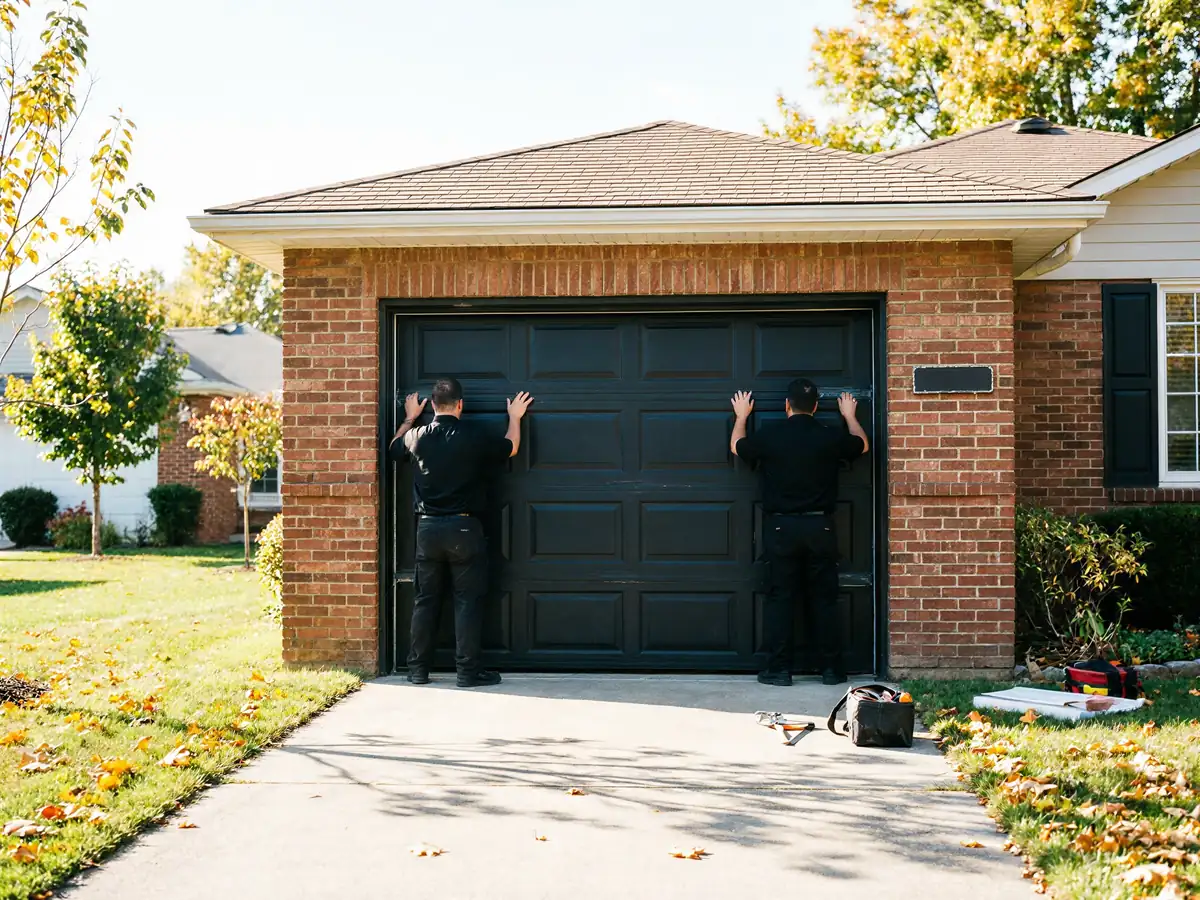
So booking a roller replacement in Camp Point means scheduling around that eighteen-mile drive rather than a same-morning walk-in. Tell us what the door is doing - grinding, dragging on one side, visibly bent rollers - and we'll bring the right roller stock for a door built around 1960 rather than guessing on site.
If you're not sure whether what you're hearing is a roller or something else in the system
That's fine to say on the call. A lot of the diagnosis happens once someone's hands are actually on the track.
For the full list of garage door work we handle out of Quincy
Including what this job looks like from the Quincy side of things, see our roller replacement page for Quincy. For more on how we cover the towns around Camp Point generally, there's also our Camp Point area page.
Why This Fails Locally
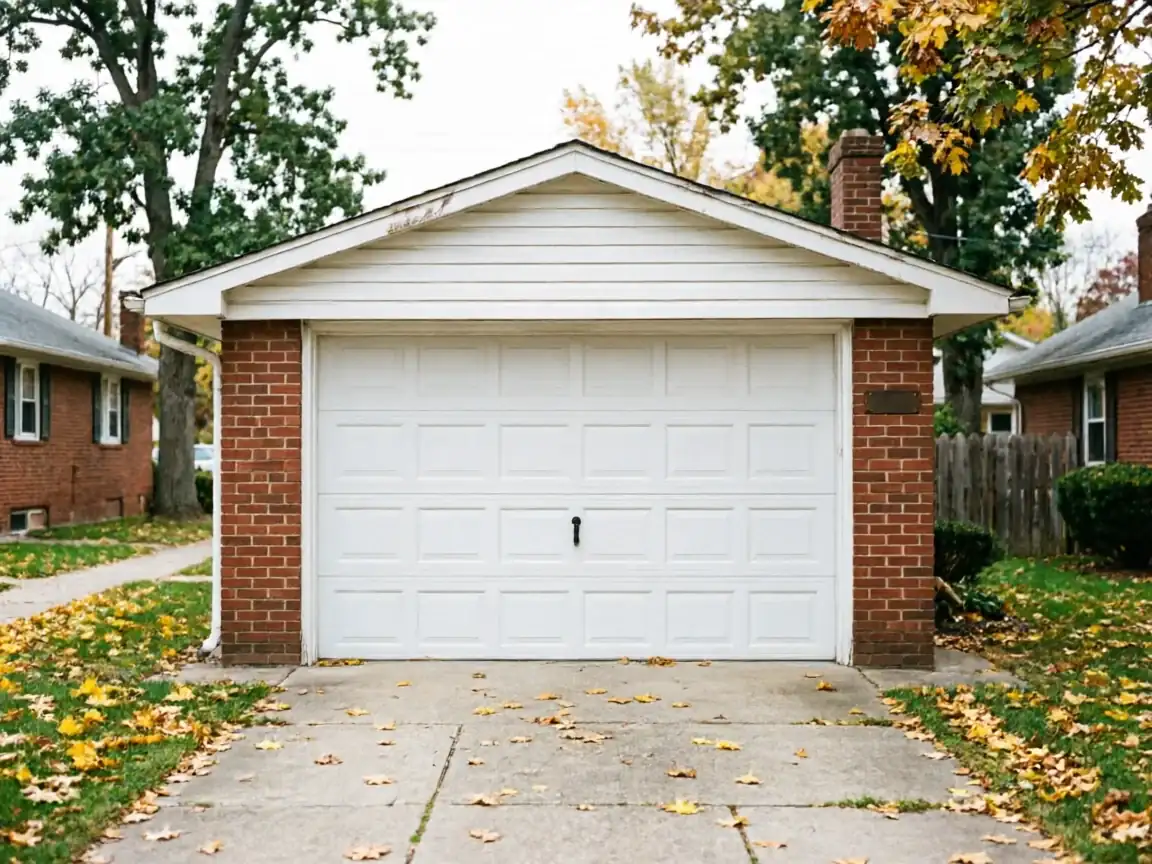
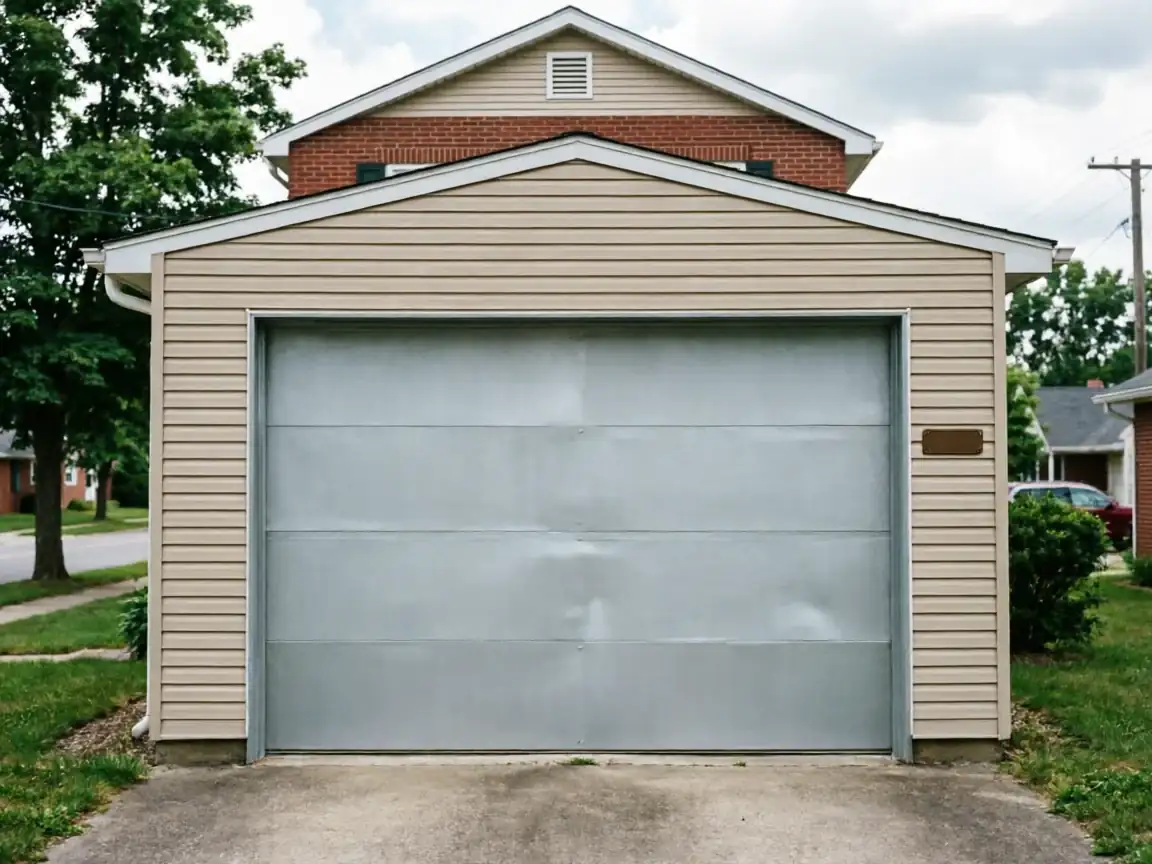
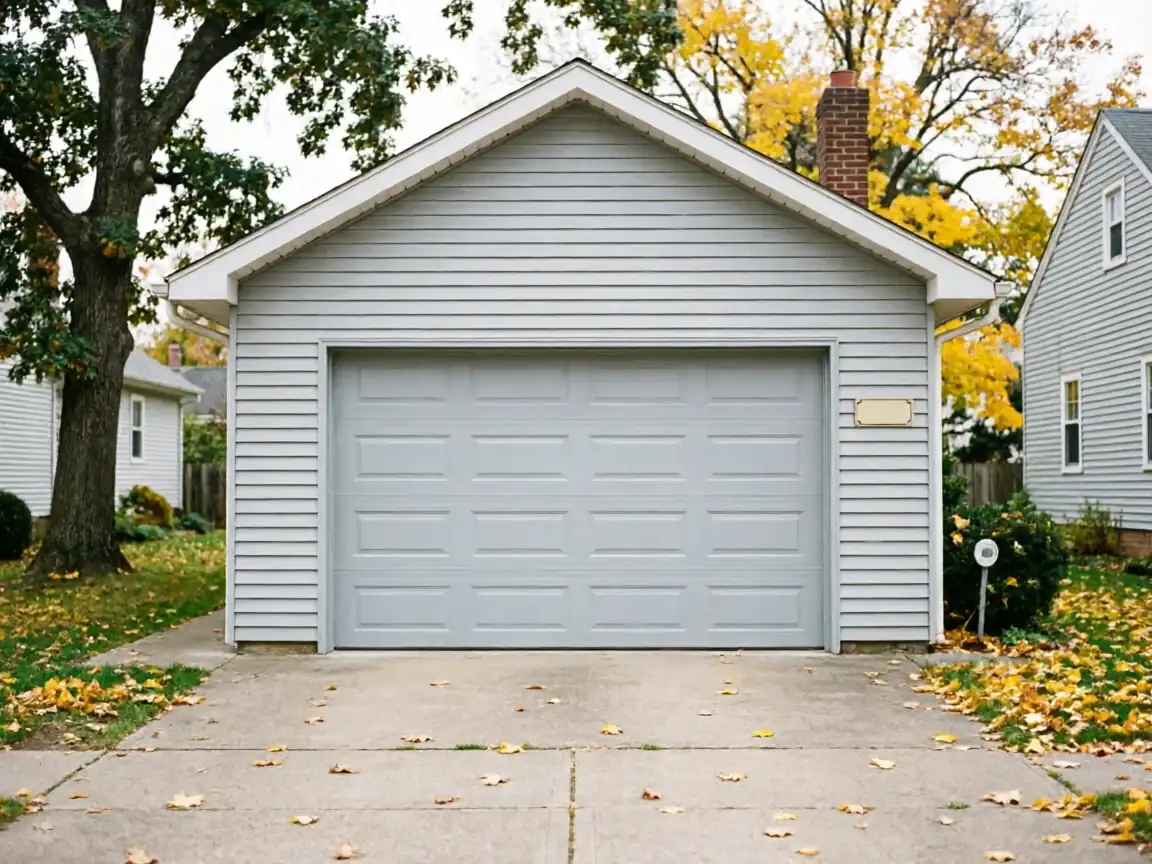
Camp Point's housing didn't happen all at once, so you can't assume every door is the same job. But with a median build year around 1960 and a cluster of houses from that same decade-and-a-half stretch - the 1938 to 1969 range common across this part of the service area - original one-piece steel doors with lightweight steel rollers are common enough that it's the first thing we check.
With roughly 443 households in Camp Point, the roller sizes on these original doors tend to cluster around a handful of track widths rather than the wider variety you'd see in newer construction. That's useful on our end - it means we're not guessing at stem length or roller diameter - but it also means a mismatched replacement roller, even one that looks close, can bind against an old track gauge in a way a newer door wouldn't show.
The climate band here being on the colder side matters too. Steel rollers that are already pitted or dry don't flex with cold-weather contraction the way a sealed nylon roller would, so the failure shows up as a sudden hard stop rather than a slow decline.
The Cost of This Job
At a median household income of $58,438 in Camp Point, a lot of owners weigh a full roller set against just replacing the one or two that are audibly bad. We'll give you both options honestly: patching one roller is cheaper today but means the matched steel rollers next to it are usually close behind, since they wore under the same conditions.
Here's the limitation worth saying plainly - if the track is bent rather than just the rollers worn, roller replacement alone won't solve the drag, and we'd rather tell you that up front than sell a roller swap that doesn't fix the complaint. Track repair or replacement is a separate job with its own cost, and it's not always worth doing on an older door if the rest of the hardware is near the end of its life anyway.
We don't carry every roller size on the truck for every job, so on some older Camp Point doors there can be a short wait on the exact stem length. We'll tell you on the call if that's likely before we make the drive.