Why This Fails Locally
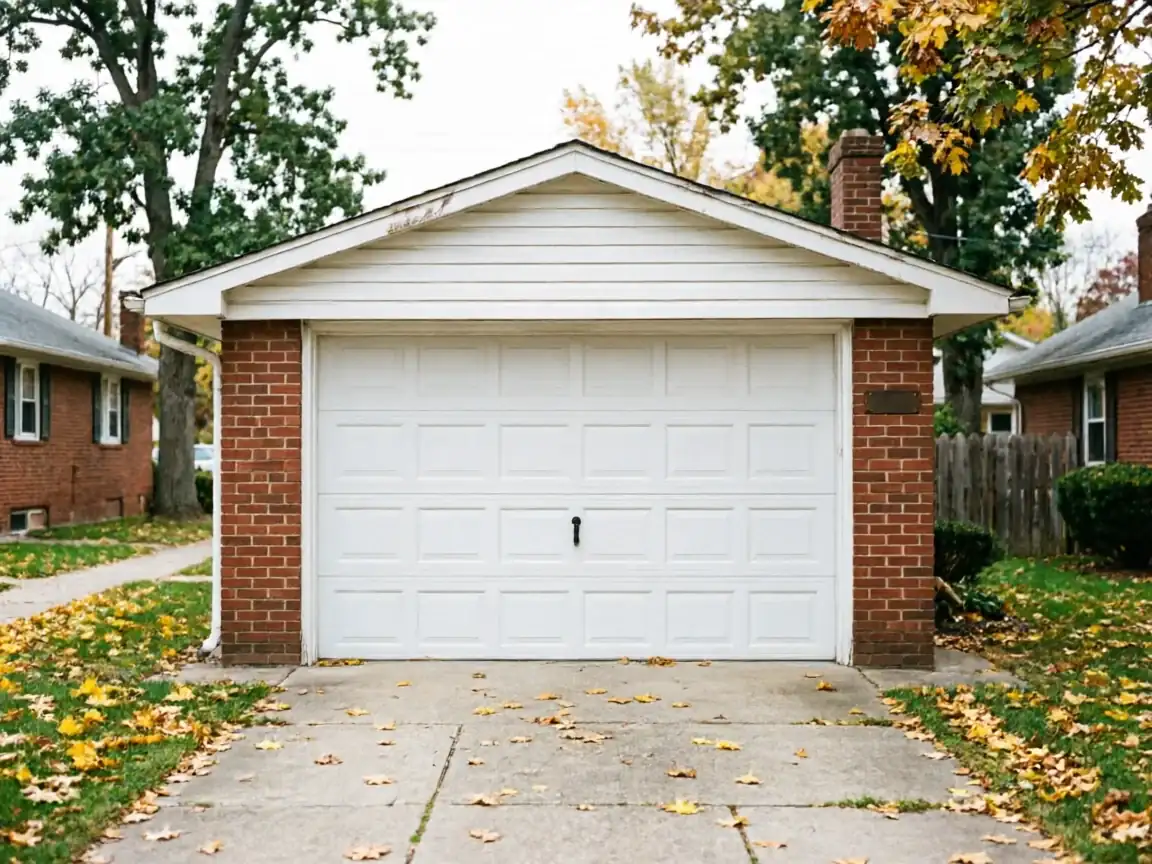
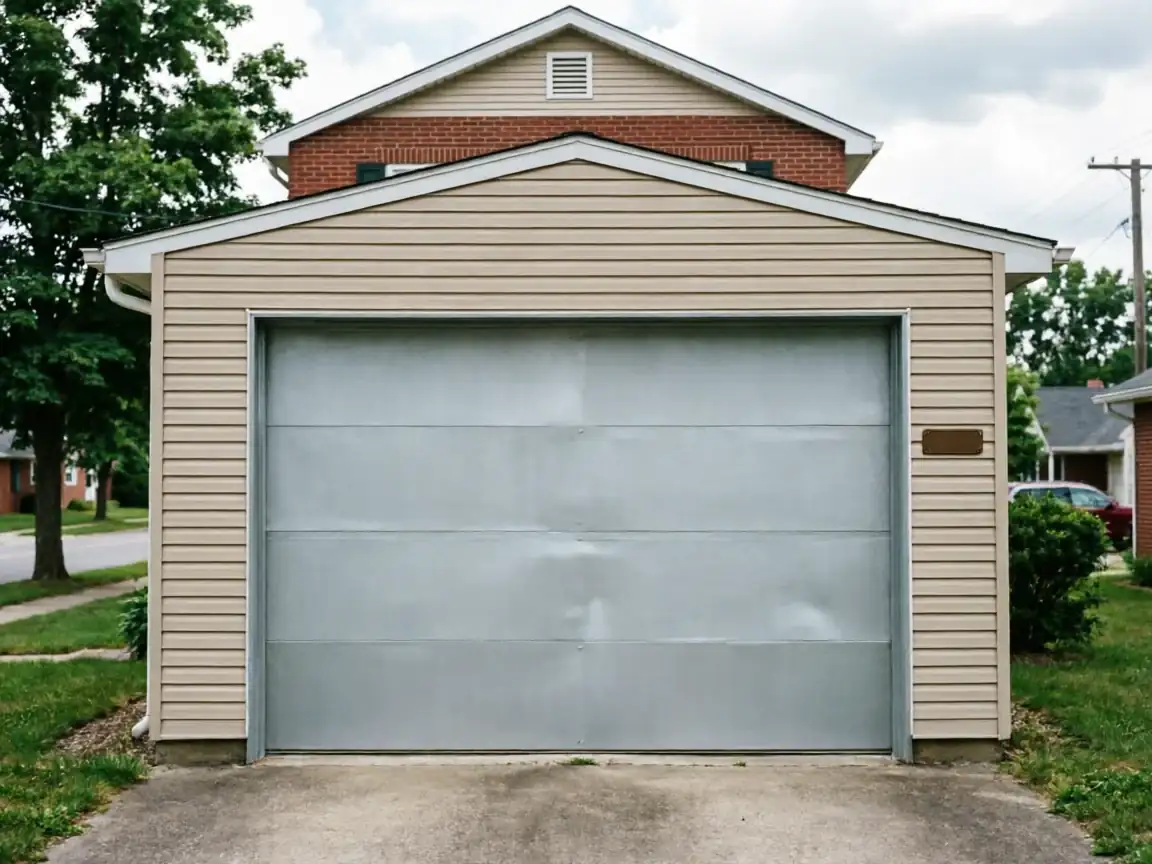
The fault here starts with steel. Most garage doors in Mendon are hanging on the same rollers they left the factory with, and the median house in town went up around 1969. That's the tail end of the run when builders spec'd plain steel rollers on steel tracks almost everywhere, no bearings, no nylon, just metal riding on metal. Fifty-plus years of that wears a groove into the roller stem and chews up the track edge at the same time.
Across the wider service area the housing stock runs 1938 to 1969, median around 1964, so Mendon sits right at the newer edge of that range, but it's still old enough that the original rollers are long past their service life. Cold winters in this part of Illinois make it worse. Steel contracts in the cold, clearances tighten, and a roller that was already dragging in July will bind and chatter in January. That's not a dramatic failure, it's a slow one, and most owners live with the noise for a year or two before they call anyone.
How It Shows Up
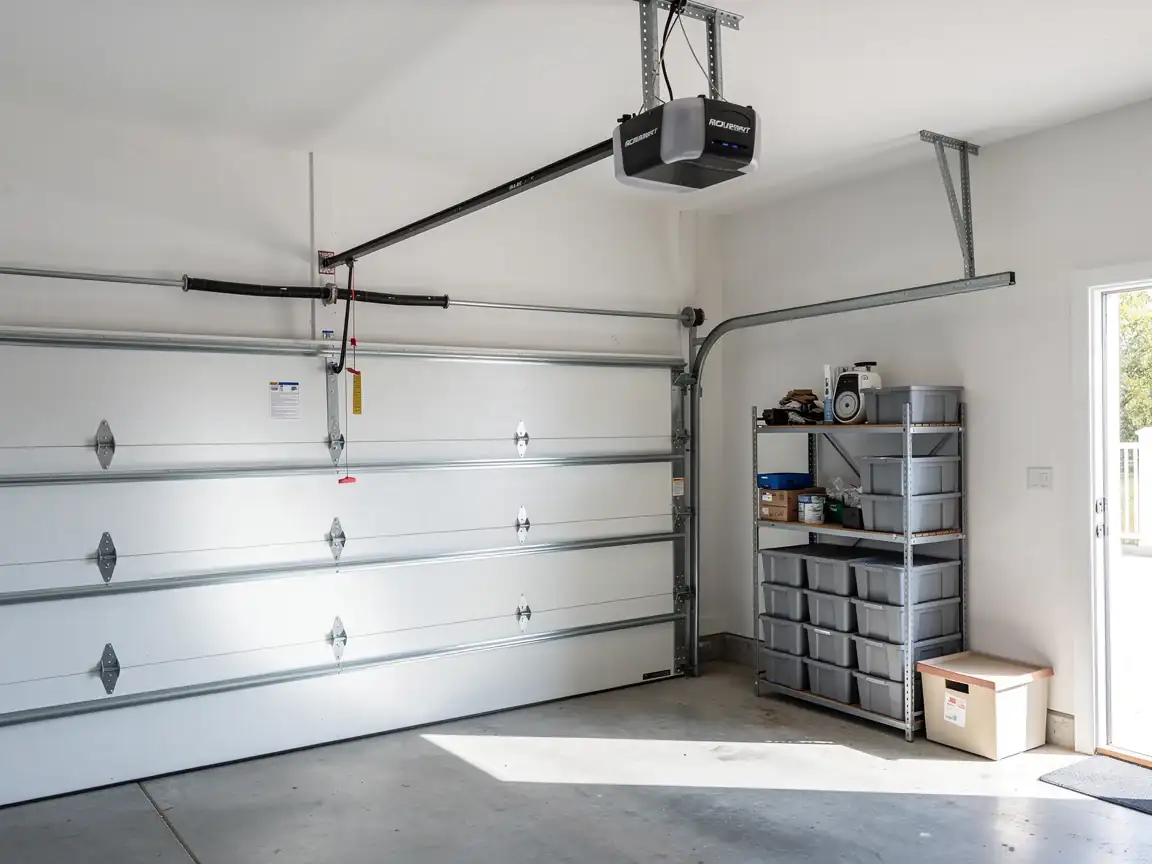
You'll hear it before you see it. A grinding or popping sound as the door travels, worse at the top and bottom of the track where the curve puts more side load on the roller. Look at the track itself and you'll often find shiny wear marks or a slight ridge where the roller has been riding off-center for years.
On older steel-roller setups the stems can also work loose in the hinge, so the door develops a visible wobble as it travels, not a jam, just a side-to-side shimmy that gets worse with every cycle. If you've got a cold garage and a door that's noticeably stiffer on winter mornings, that's the steel-on-steel contraction doing exactly what it does. None of this is an emergency on day one. It becomes one when a roller finally snaps a stem and the door drops crooked in the track.
The Cost of This Job
We don't have a posted price for this job in Mendon specifically
And we're not going to make one up. What we can tell you is what drives the cost: whether you're replacing a full set of ten rollers or just the two or three that failed, and whether you want to stay with steel or step up to sealed nylon rollers, which run quieter and don't suffer the same cold-weather binding. Nylon costs more per roller but doesn't need the track adjusted as often.
Mendon households run a median income of about $62,778
A touch above the roughly $61,139 median across the rest of the area we cover, and most houses here are owner-occupied rather than rented. That matters less for pricing than for decision-making: an owner planning to stay put tends to go with the nylon upgrade rather than a like-for-like steel swap, since it's the kind of fix you only want to do once.
The DIY Question
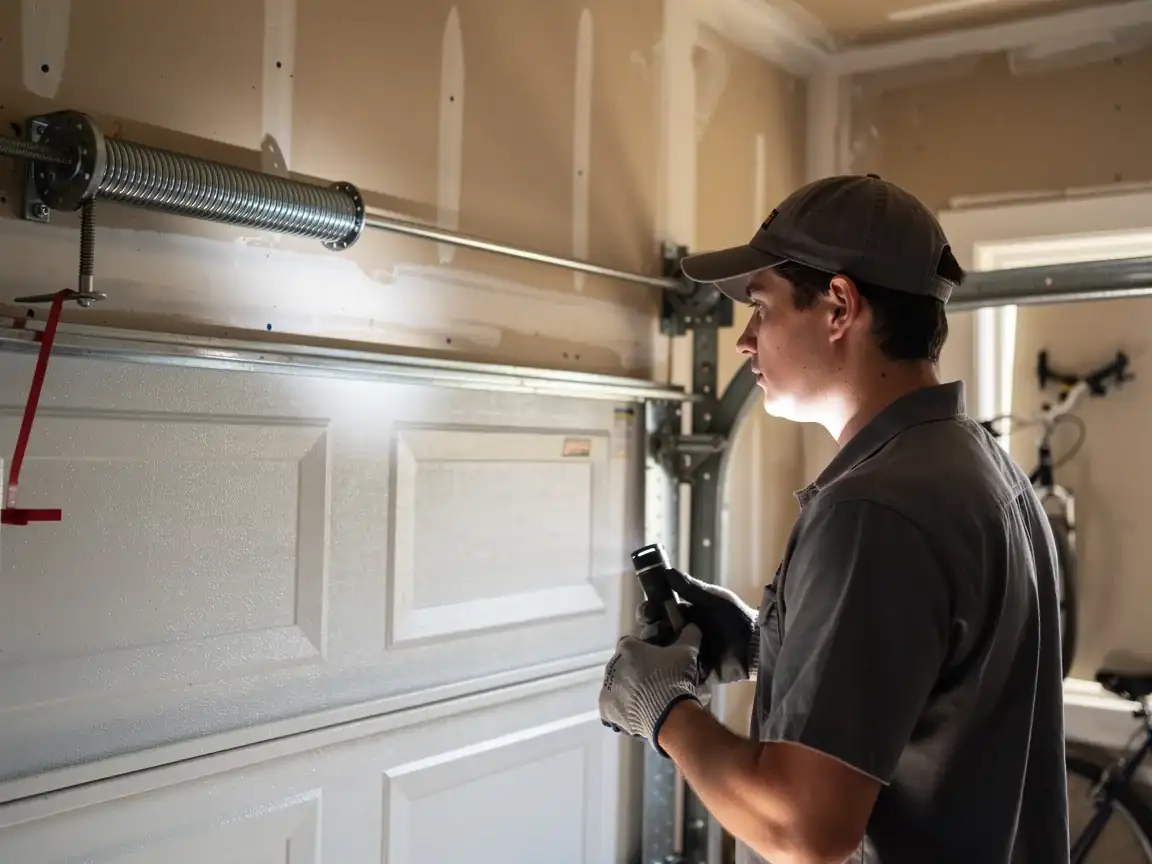
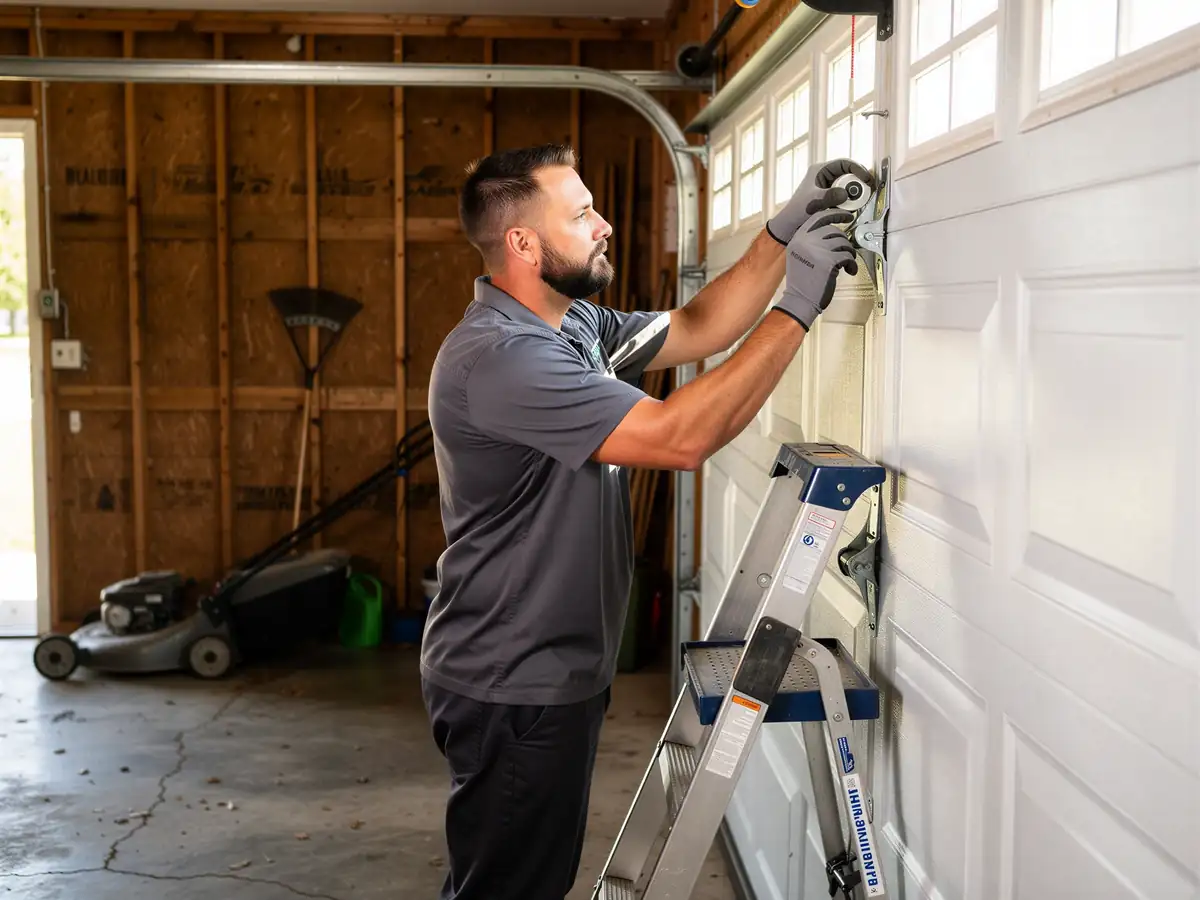
Swapping a single roller on a low-tension section of track is within reach for someone comfortable with hand tools, and plenty of Mendon owners do exactly that. Where it goes wrong is the rollers nearest the bottom bracket, which sit under spring tension even with the door closed. Pull the wrong bracket off a tensioned cable and you can get hurt.
Our honest limitation here: we don't walk people through spring-side roller jobs over the phone, and we won't talk you into opening a bottom bracket you've never had apart. If it's a mid-track roller with no load on it, have at it. If it's anything touching the cable drum or the bottom fixture, that's a call, not a weekend project.
Where This Job Goes Sideways
The common mistake is replacing the rollers but not the track. On a house with 1969-era steel, the track itself has usually worn right alongside the rollers, and a new roller in a worn track just grinds a new divot faster than the old one did. We see it a lot on doors nobody's touched since they were installed.
The other one is mixing roller sizes. Steel and nylon rollers aren't always a drop-in swap for each other, the stem length and roller diameter have to match the track gauge, and guessing gets you a door that binds worse than before. If a track has visible pitting or a kink from age, replacing it along with the rollers costs more up front but saves a second call six months later.
What the Fix Involves
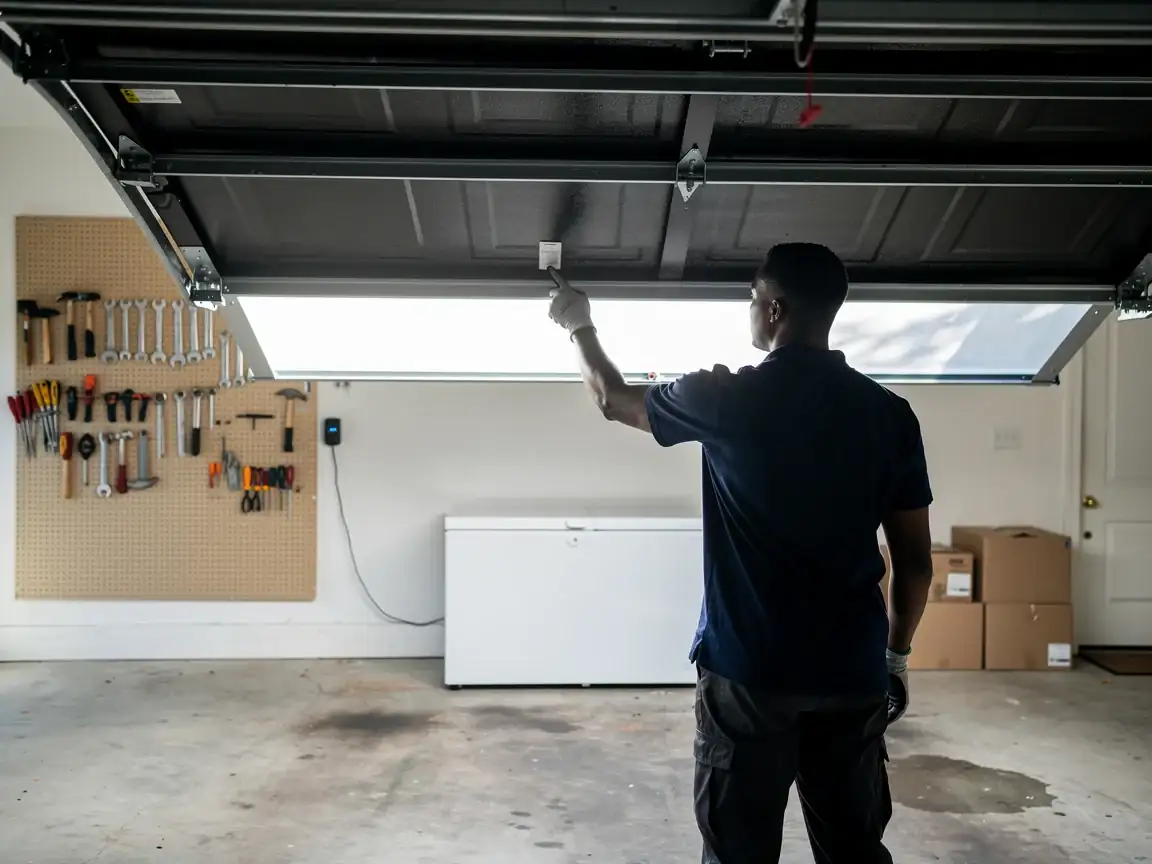
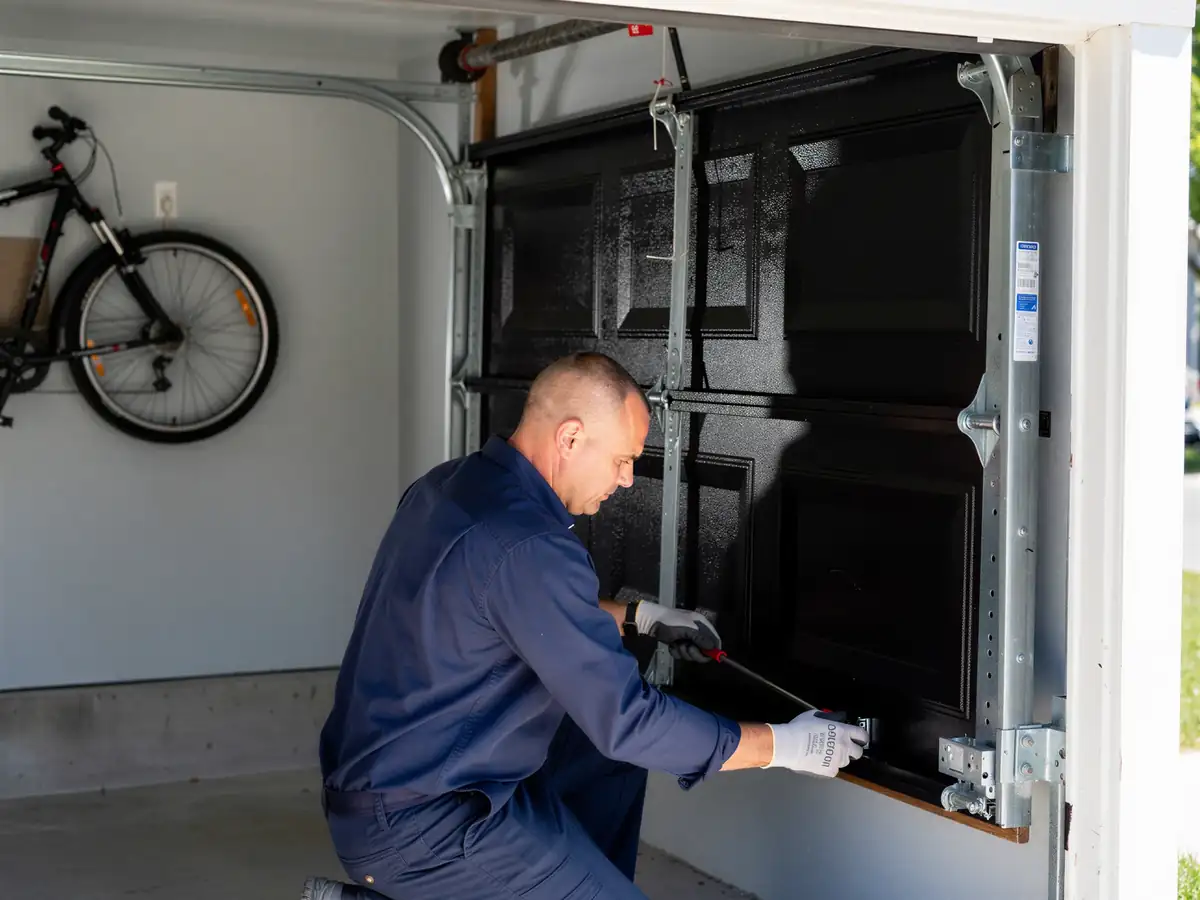
We pull the door, inspect every roller and the full length of both tracks
And replace what's worn rather than the whole set by default, though on a door this age it's usually all ten. If the track shows the wear pattern that matches worn-out steel rollers, we'll flag it and give you the option to replace that section rather than patch around it.
We're coming from Quincy, about 12 miles out, same as the drive to Mendon for any other job on the schedule
There's no local branch or staged truck sitting in town, so the job gets scheduled like any call from this part of the service area. Once we're on site, a standard roller swap on a single door doesn't take long, and we test the door through a full open-close cycle before we leave to make sure the track is running quiet and even.
- 12 miles