Why This Fails Locally
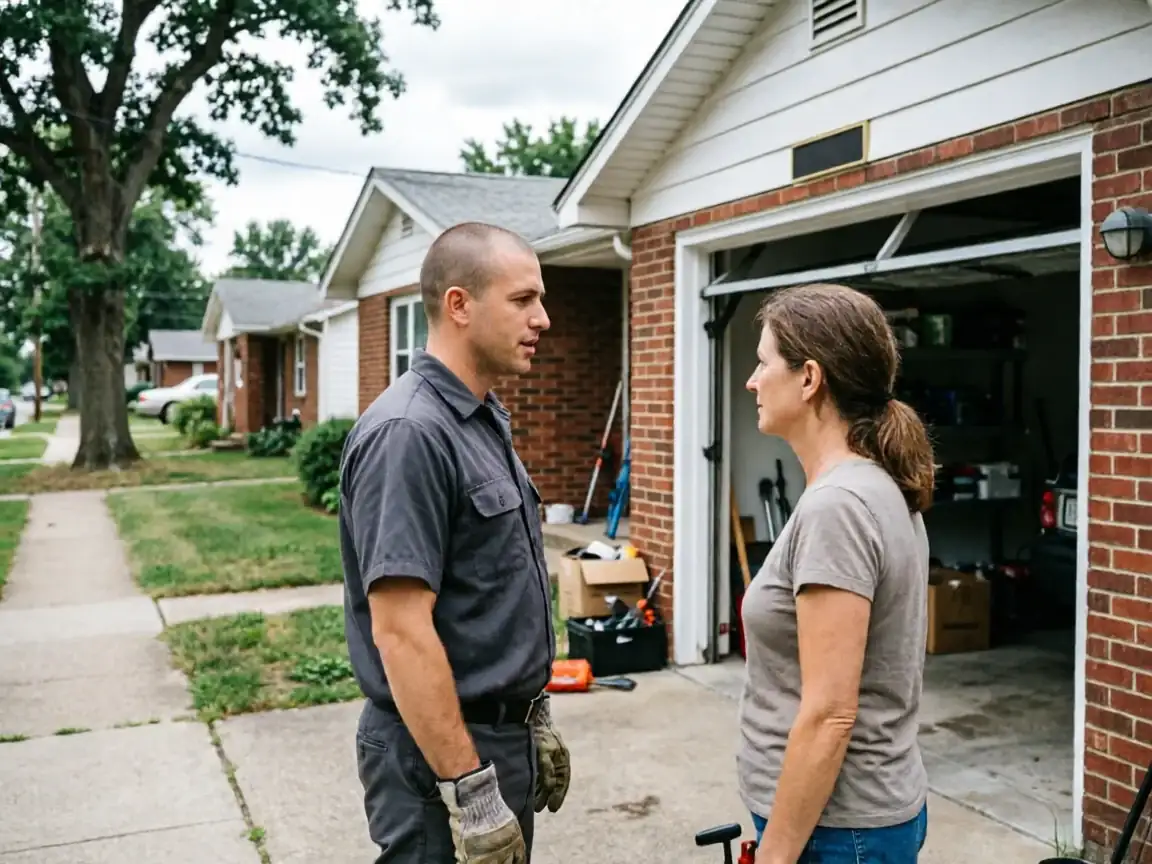
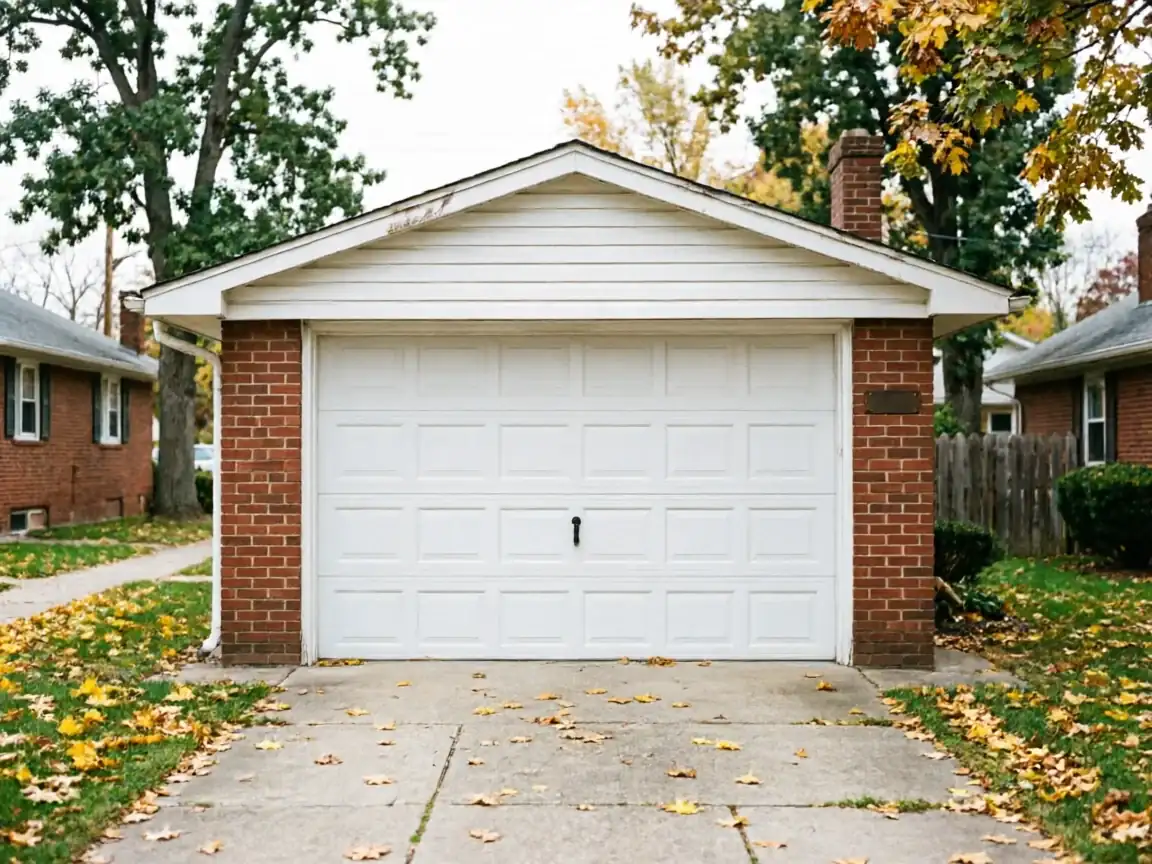
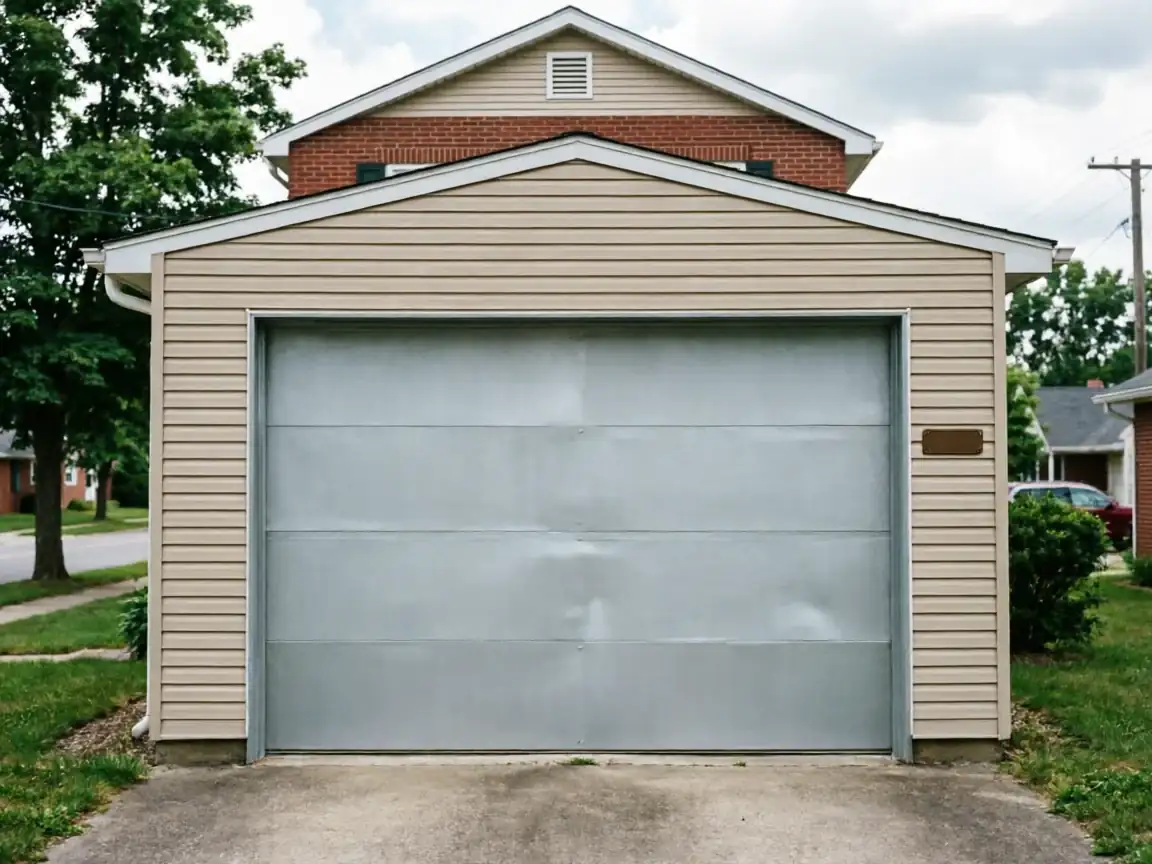
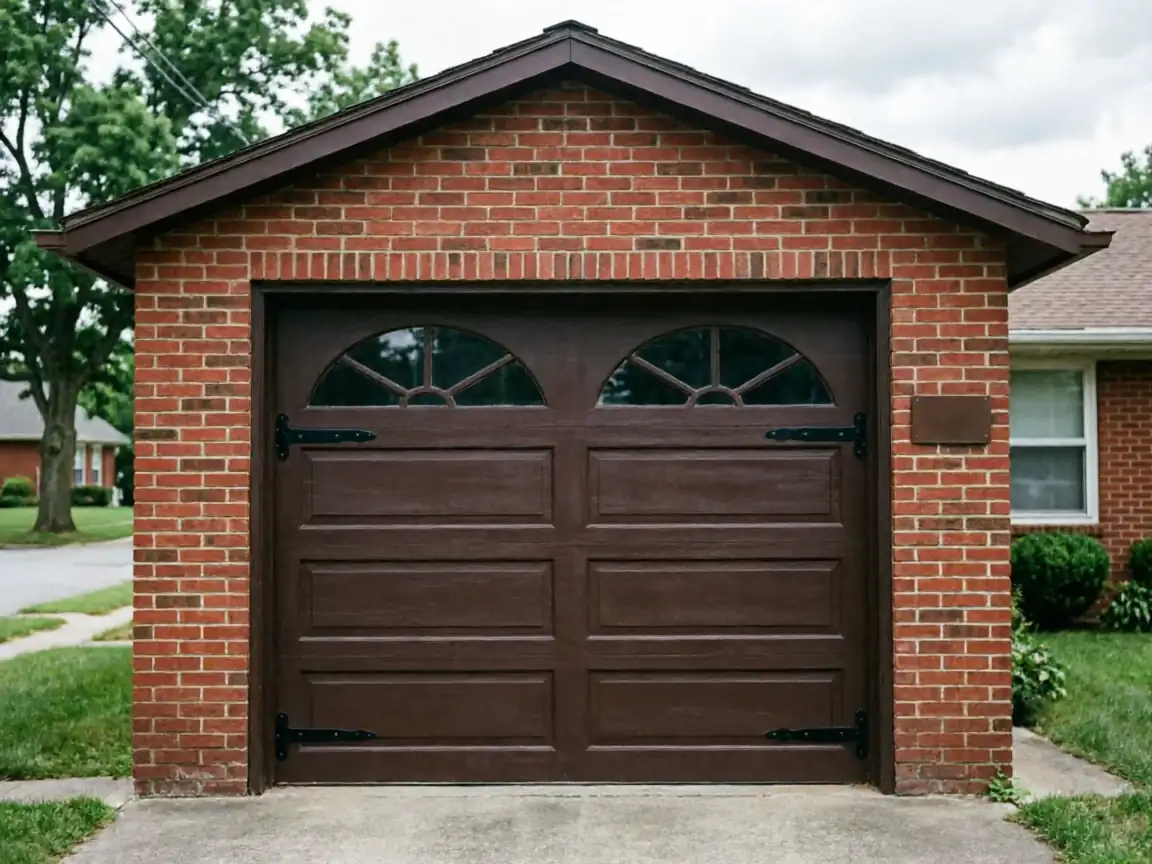
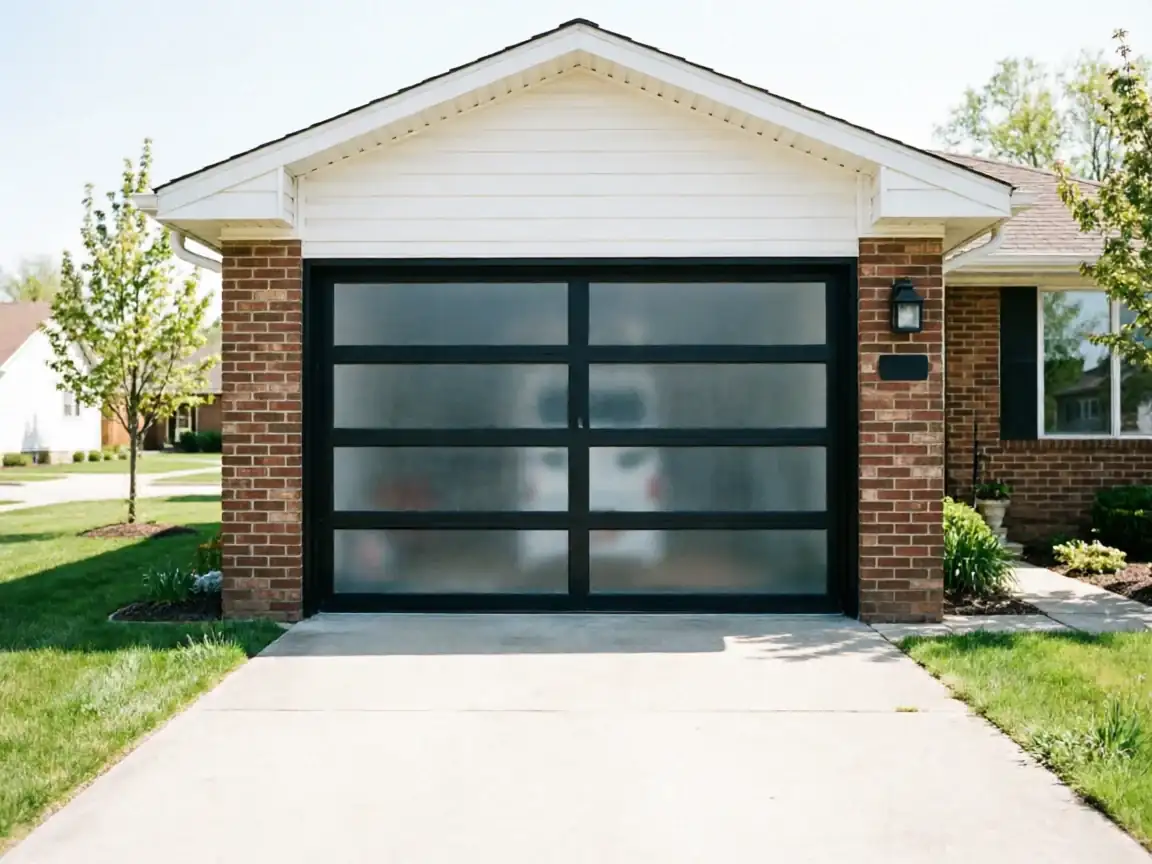
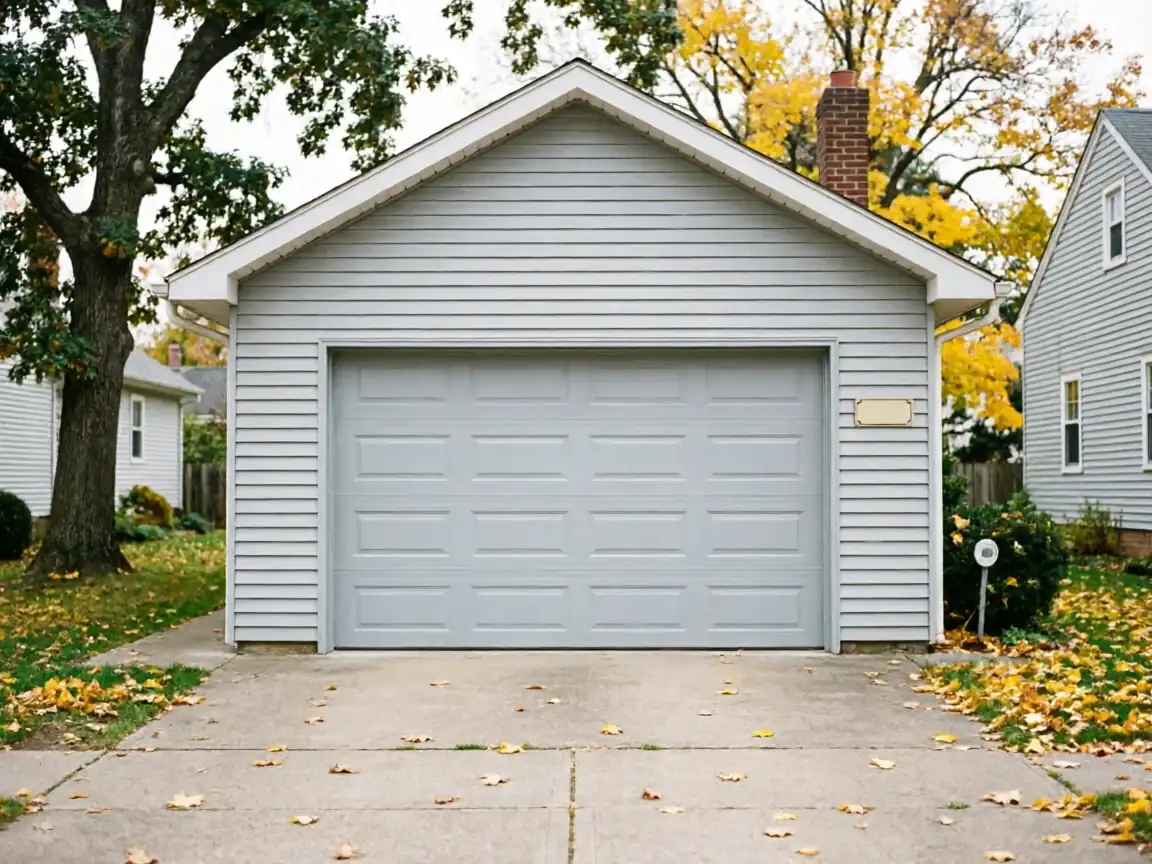
Mendon sits 12 miles out from our shop in Quincy, and that drive shapes how a cable call here actually goes. We're not showing up with a guess about the house - we're showing up knowing what's likely on the track before we unload the truck. Most of the garage doors in this area went up alongside houses built around 1969, which lines up with the wider pattern across this service area: housing from 1938 to 1969, with a lot of it concentrated in that 1960s-70s band. That matters for cables specifically because the lift cable and the drum it winds onto were sized for the hardware of that era - often a single-cable, single-drum setup rather than the dual-cable systems common on newer doors. When that cable frays or snaps, the fix has to account for what's actually on the door, not a generic modern kit. Add the cold-winter climate here and you get metal fatigue on a schedule: cable strands work-harden faster through repeated freeze-thaw cycling than they would somewhere milder. A cable that looks fine in October can be down to a few strands by February. None of that is unique to one house - it's the pattern for a town where most garages are pushing fifty-plus years old and the cable has likely never been swapped.
How It Shows Up
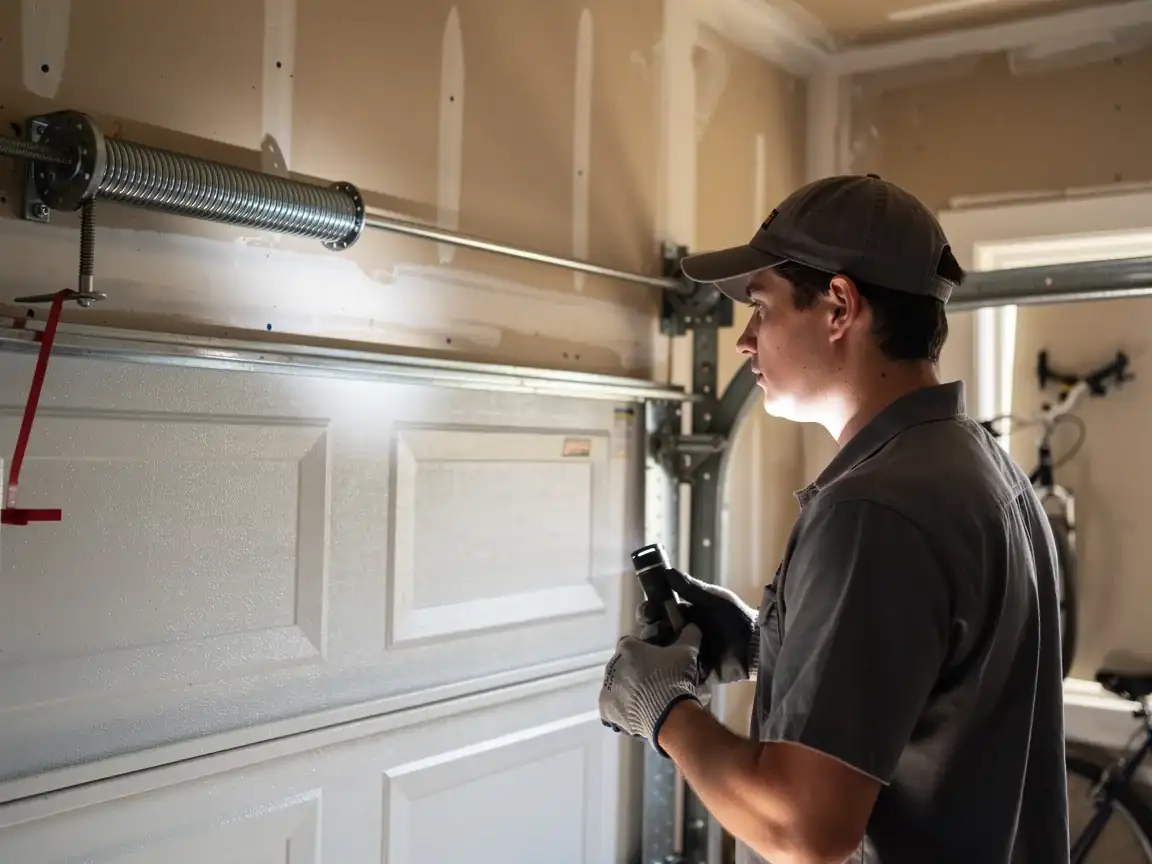
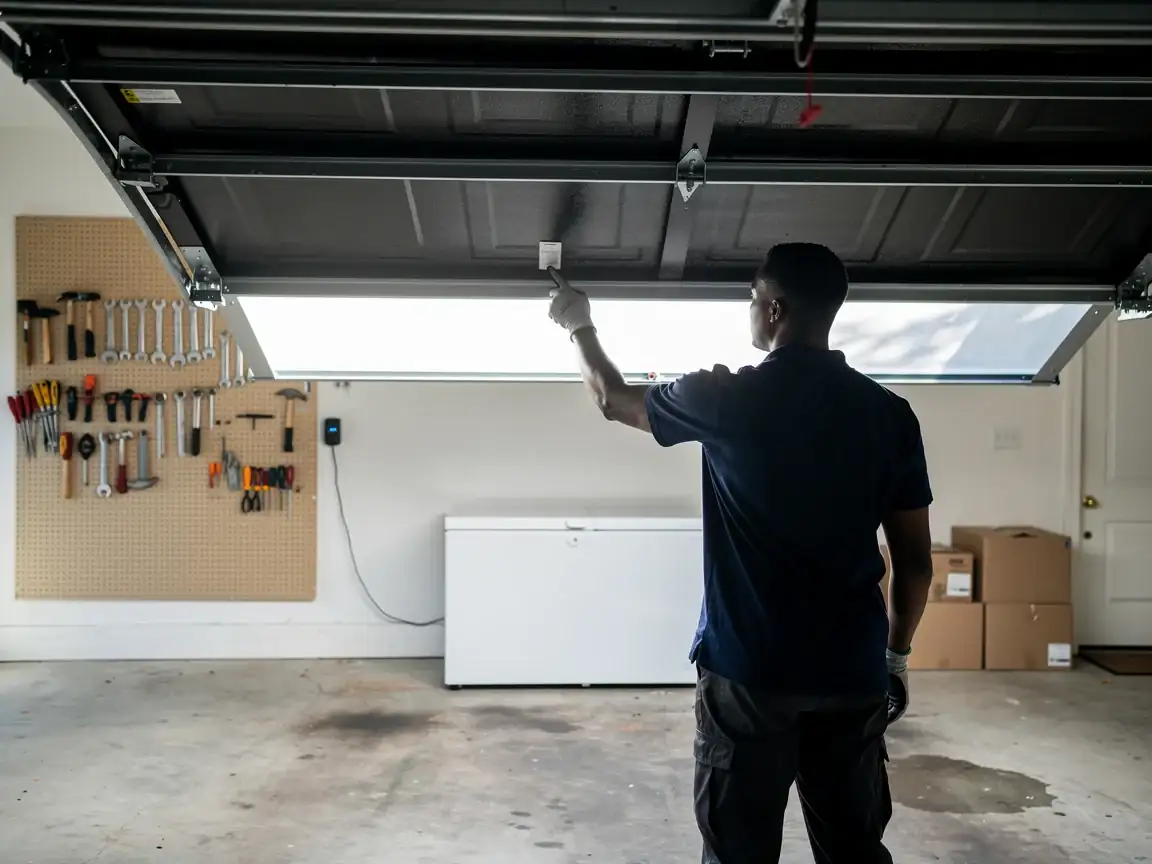
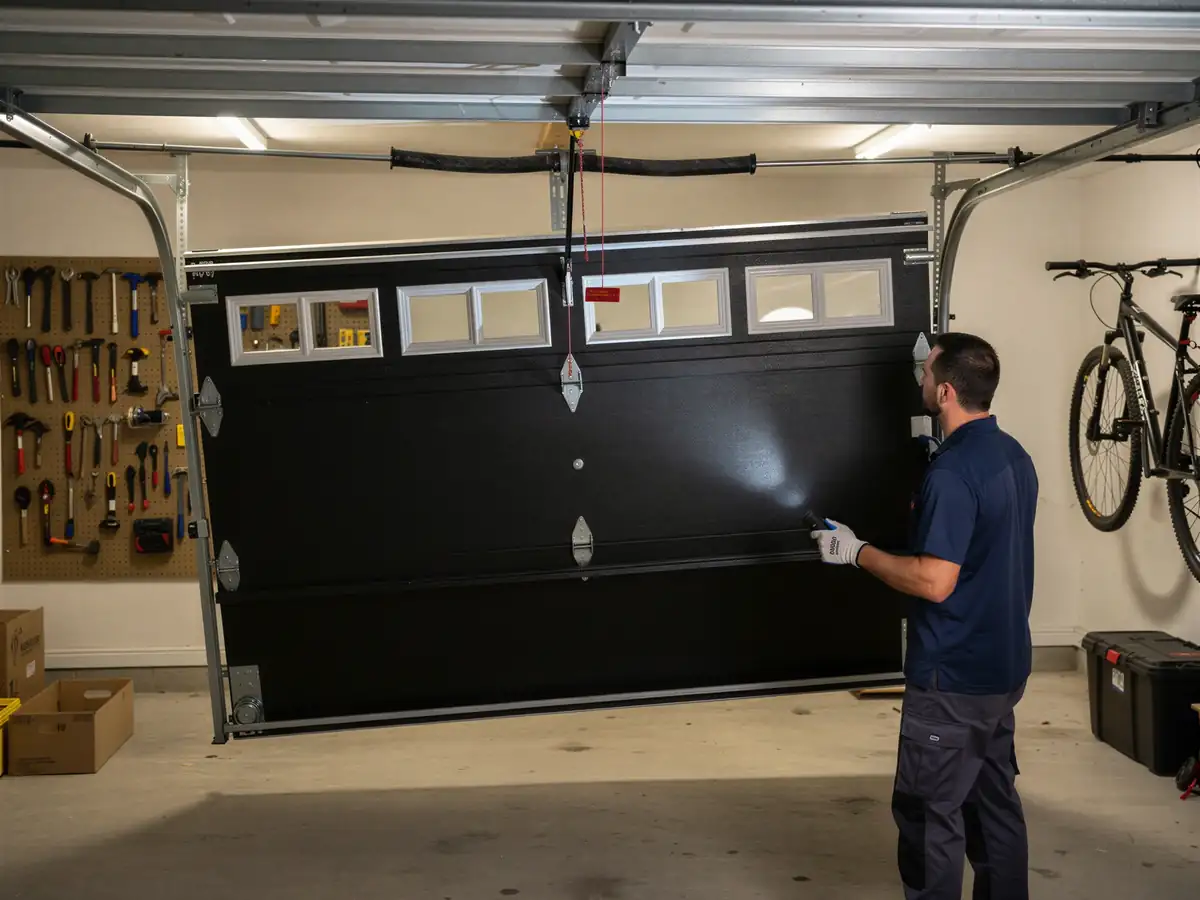
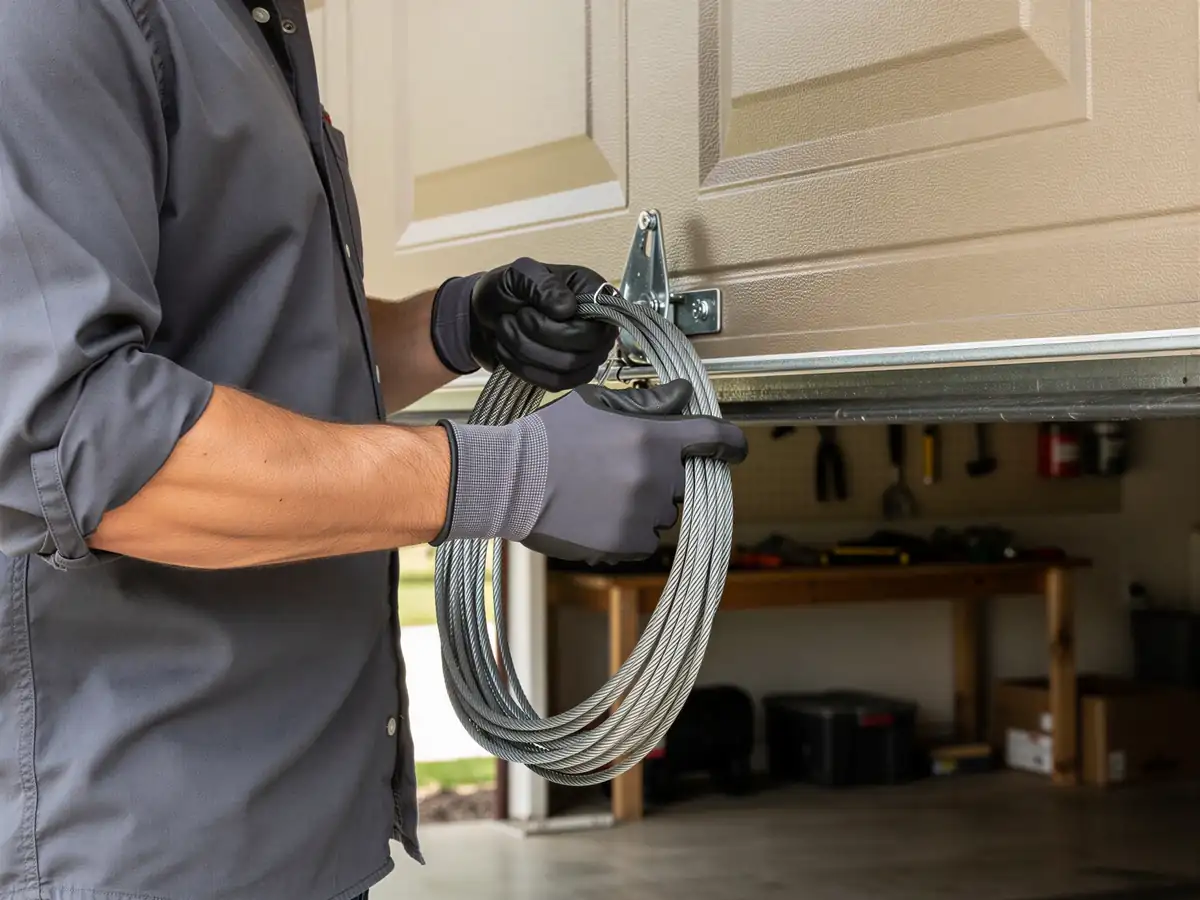
On a door this age, a failing cable usually announces itself before it breaks outright. You'll notice the door hanging crooked - one corner sits lower than the other because one cable has stretched or started to unwind from the drum. Sometimes it's a scraping or popping sound as a frayed strand catches on the drum groove each time the door cycles. On the original single-cable setups common in this area's 1960s stock, there's less redundancy than on newer doors, so a partial failure shows up faster and more dramatically - the door can jump or drop a few inches on its way down instead of easing. If the cable has already parted, the door will either be stuck at whatever height it was at, or it'll have dropped hard onto the floor or the opener arm. Either way, don't force the opener again once you see the lean or hear the catch. Running it further usually turns a cable job into a cable-plus-drum, or cable-plus-track job, because the unwound cable can jump the drum groove and kink under load.
The DIY Question
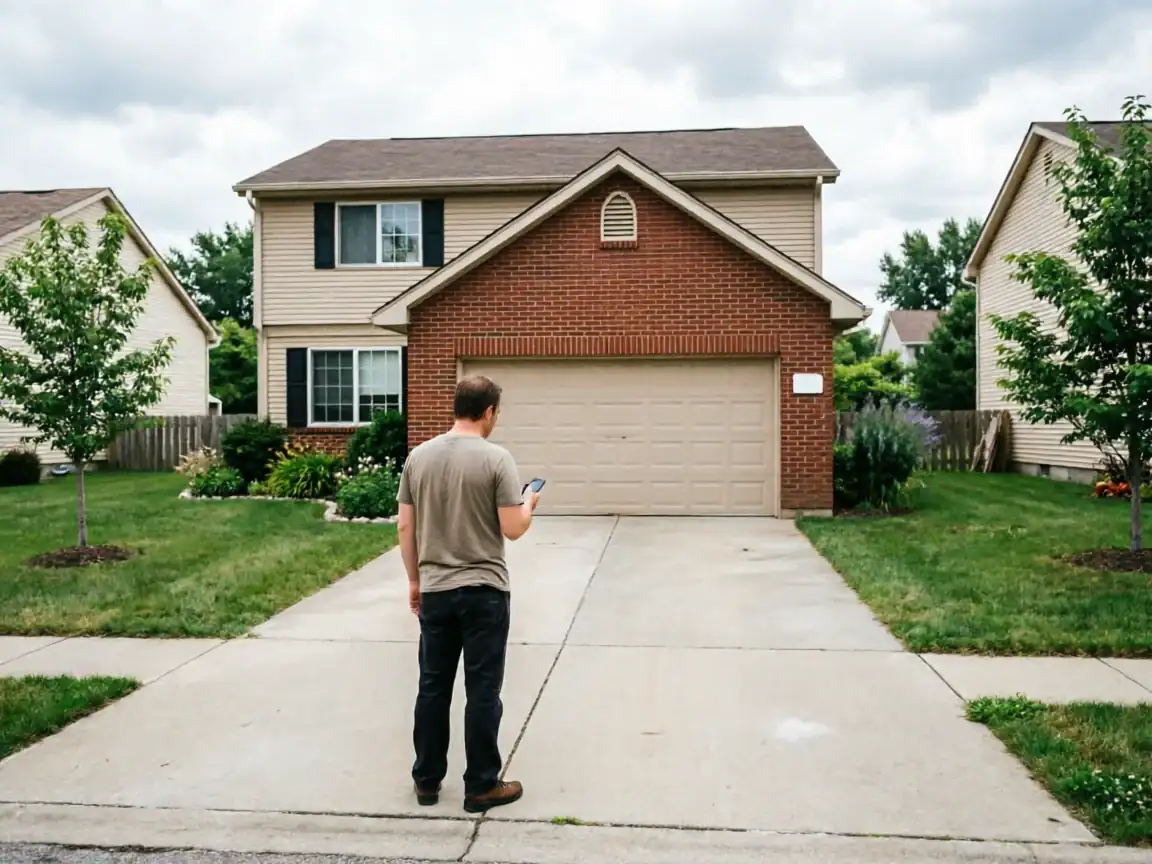
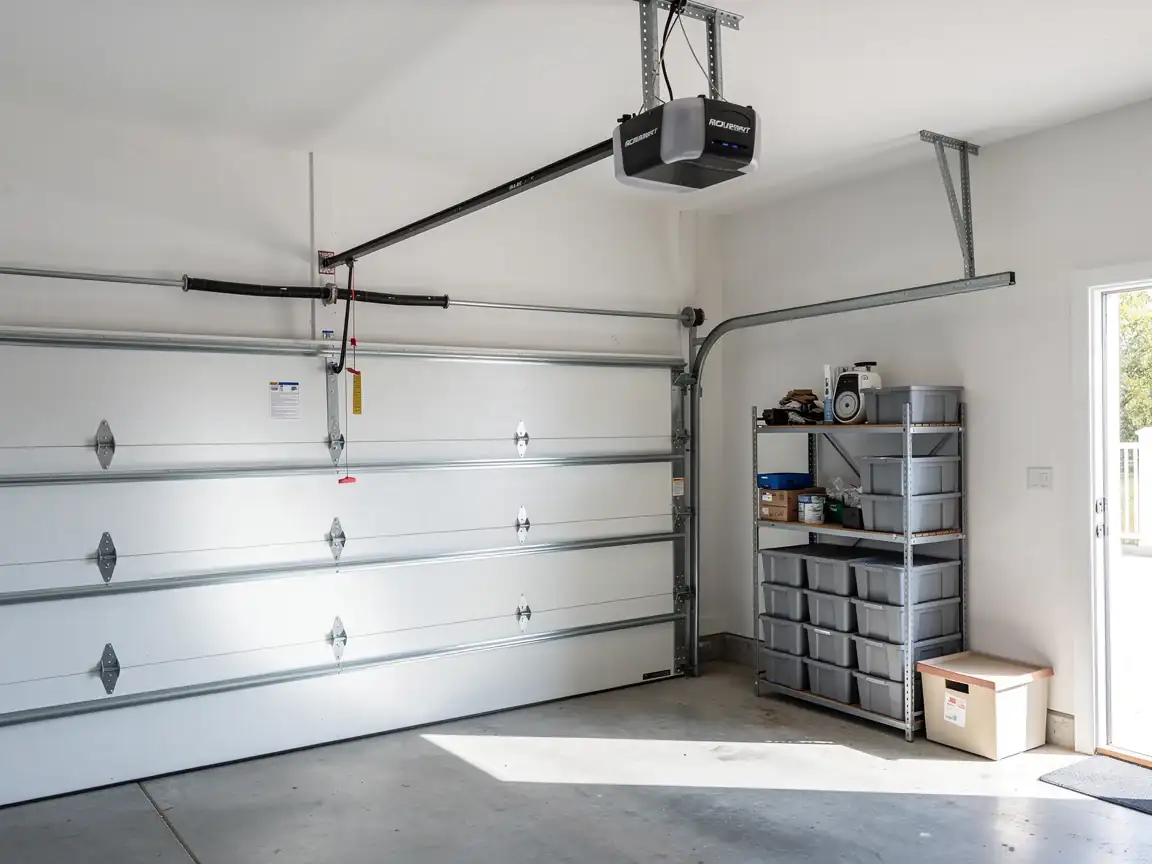
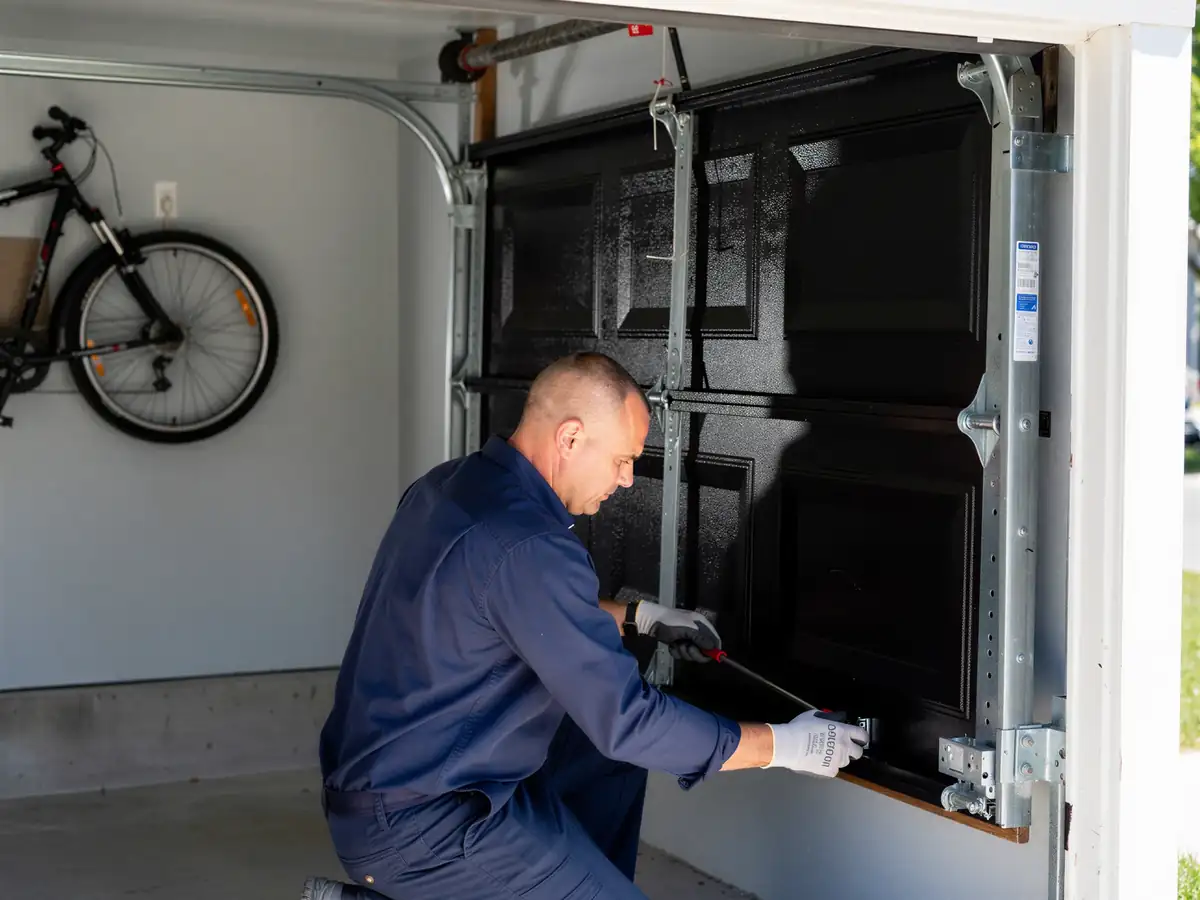
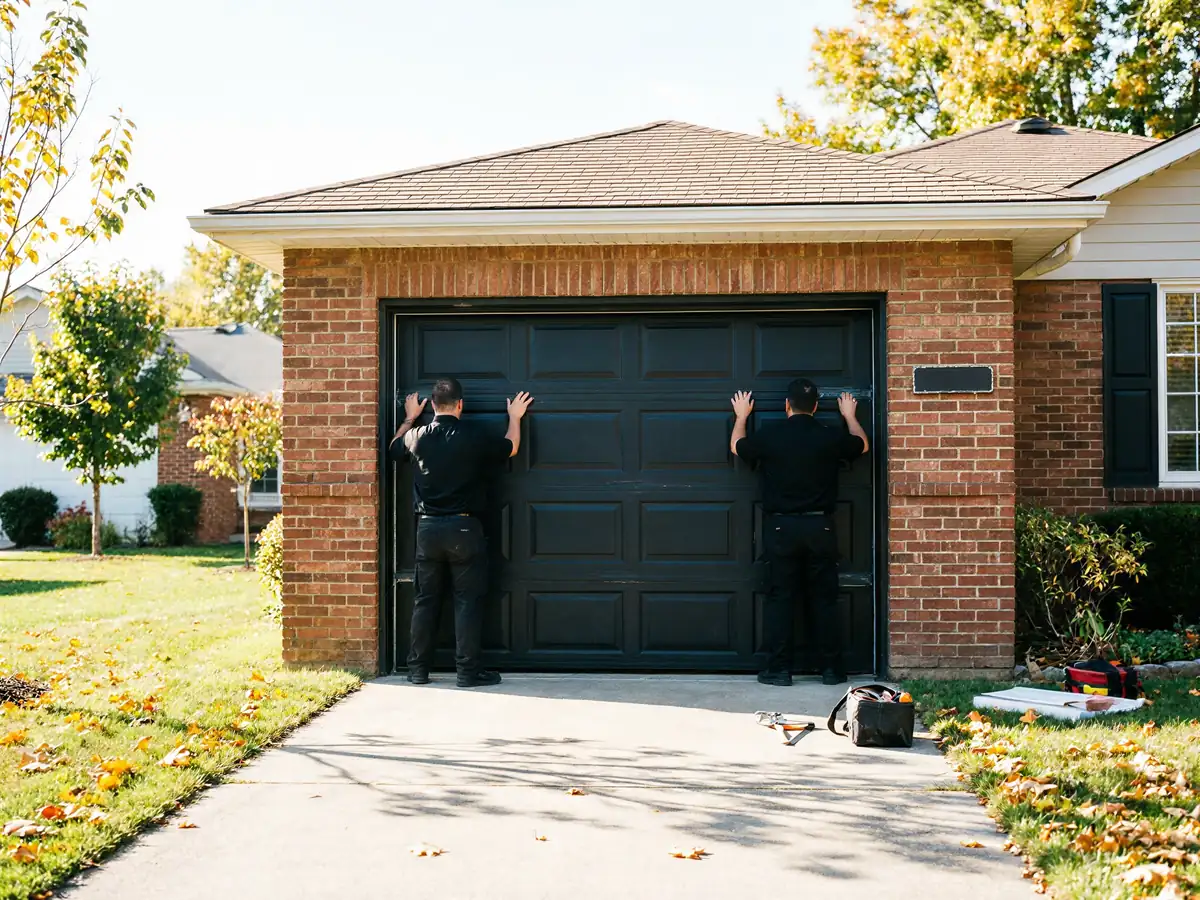
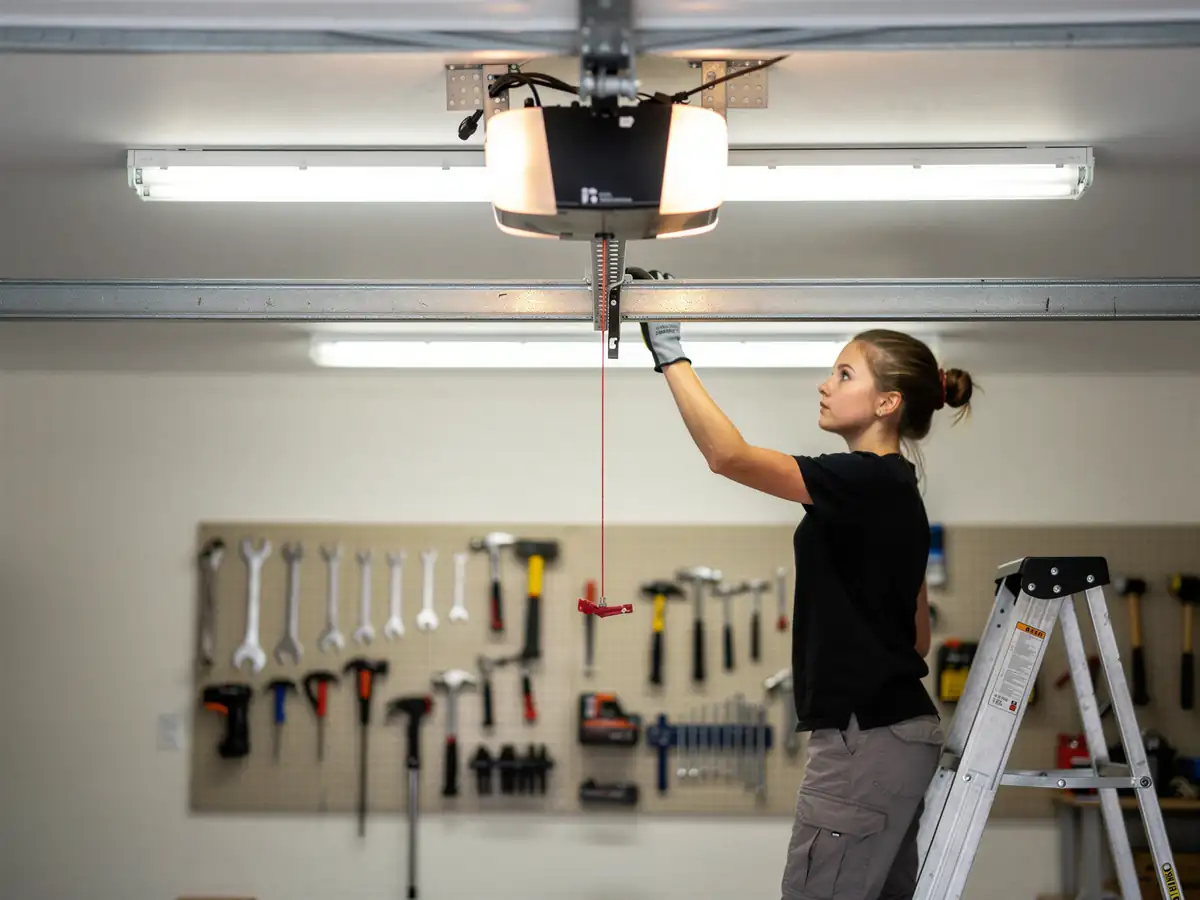
A garage door cable is under real spring tension even when the door looks still, and on the torsion or extension spring systems typical of houses from this era, that tension doesn't go away just because the cable snapped. We'd rather say this plainly: don't try to re-string or replace a lift cable yourself. The spring on the other end of that cable can still release stored energy if you disturb the drum or the winding cone, and a cable under load that slips off a pulley can whip hard enough to cause a real injury. Where DIY is reasonable is the diagnosis step - if you can safely look at the door from outside without touching the opener or the springs, noting whether it's hanging level, whether you can see a frayed cable at the drum, or whether the door dropped on one side, that information helps us bring the right parts on the 12-mile drive instead of making two trips.
Where This Job Goes Sideways
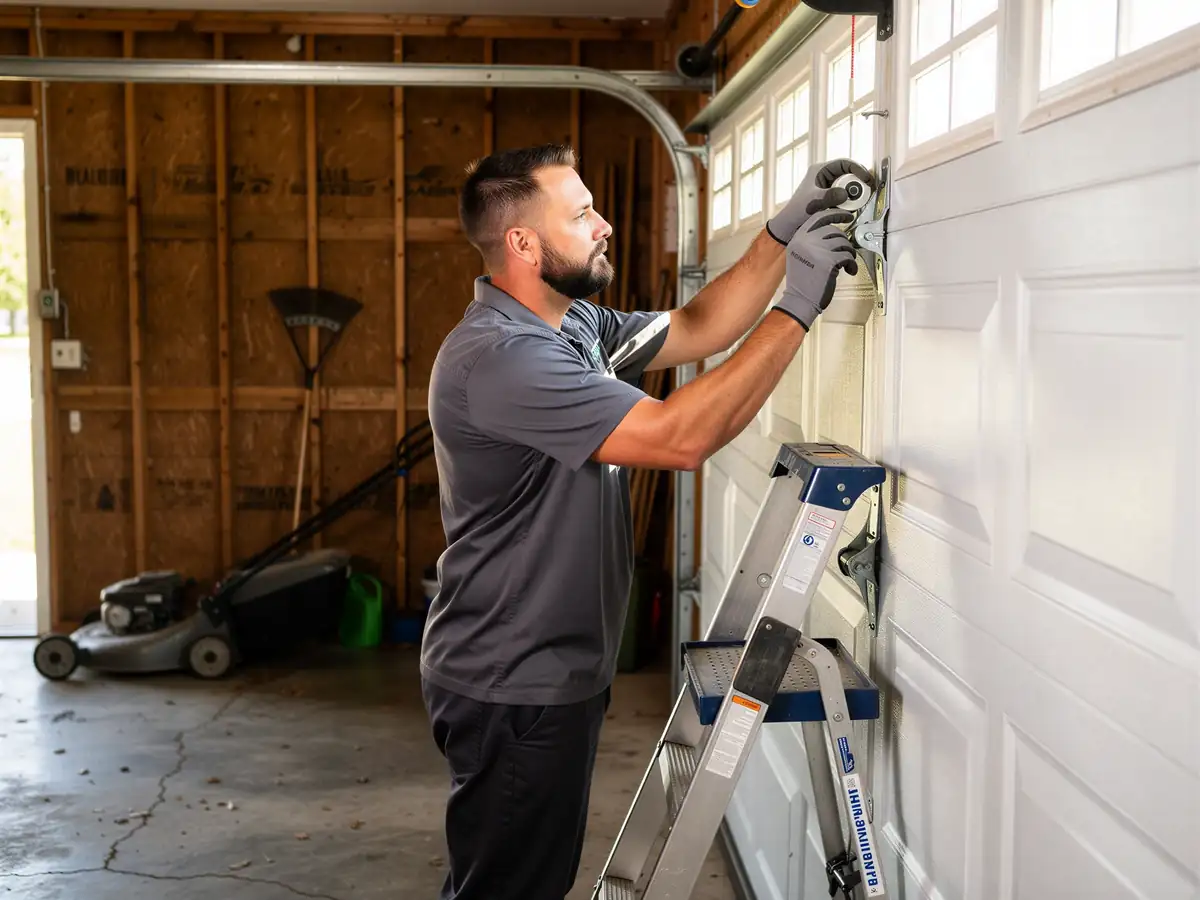
The complication we see most on doors from this build era is a cable failure that's actually a symptom of a drum or pulley that's already worn out underneath it. On a door that's been cycling since the 1960s or 70s without the drums or rollers ever being replaced, a fraying cable is often the drum's grooved track wearing unevenly and chewing through the cable faster than normal use would explain. Replace the cable alone on that kind of drum and you're back out in a year. Another way it goes sideways: on single-cable setups, if the cable let go while the door was partway open, the door can come down off-track entirely, bending the track or popping rollers out of their channel. That turns a cable repair into a track-alignment job on the same visit. We check the drum, the rollers, and the track condition before we call a cable repair finished, specifically because of how common that combination is on houses this age.