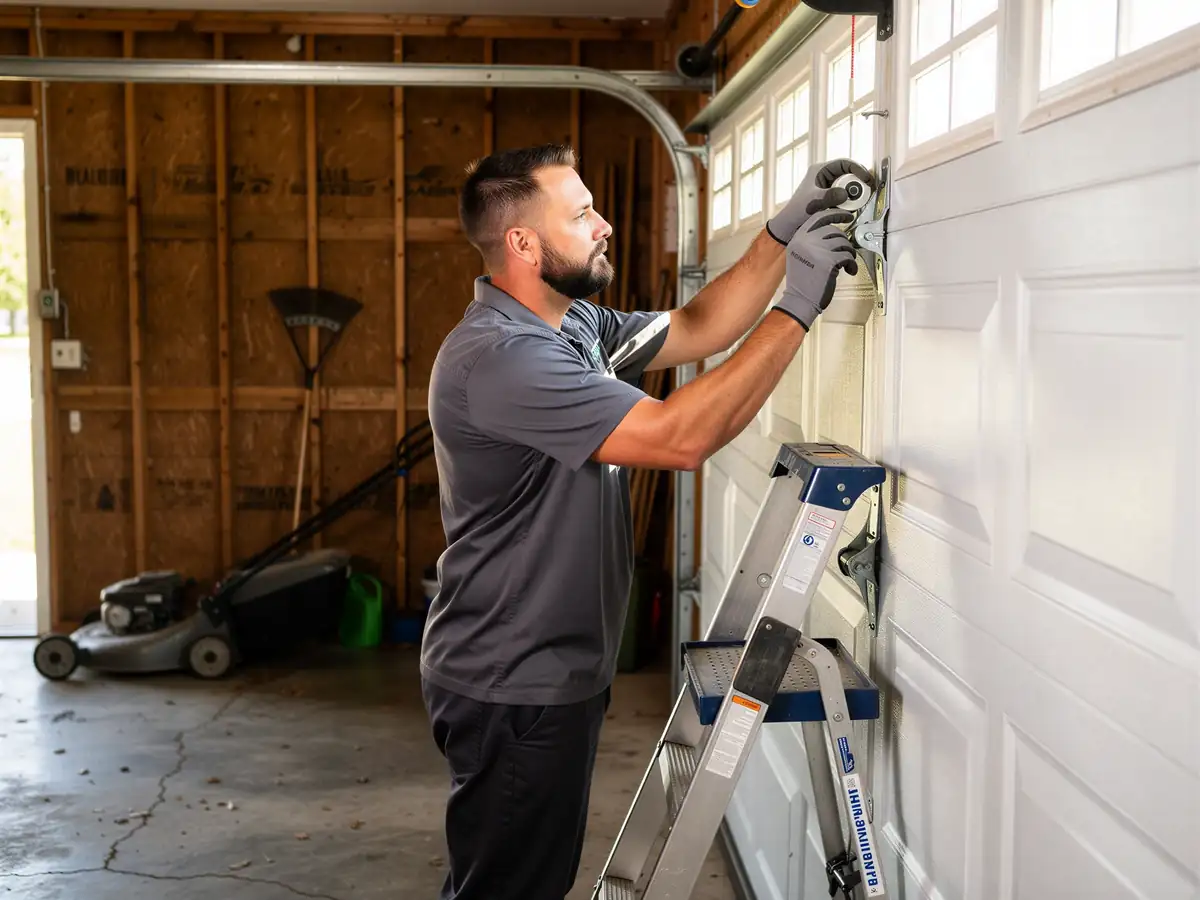
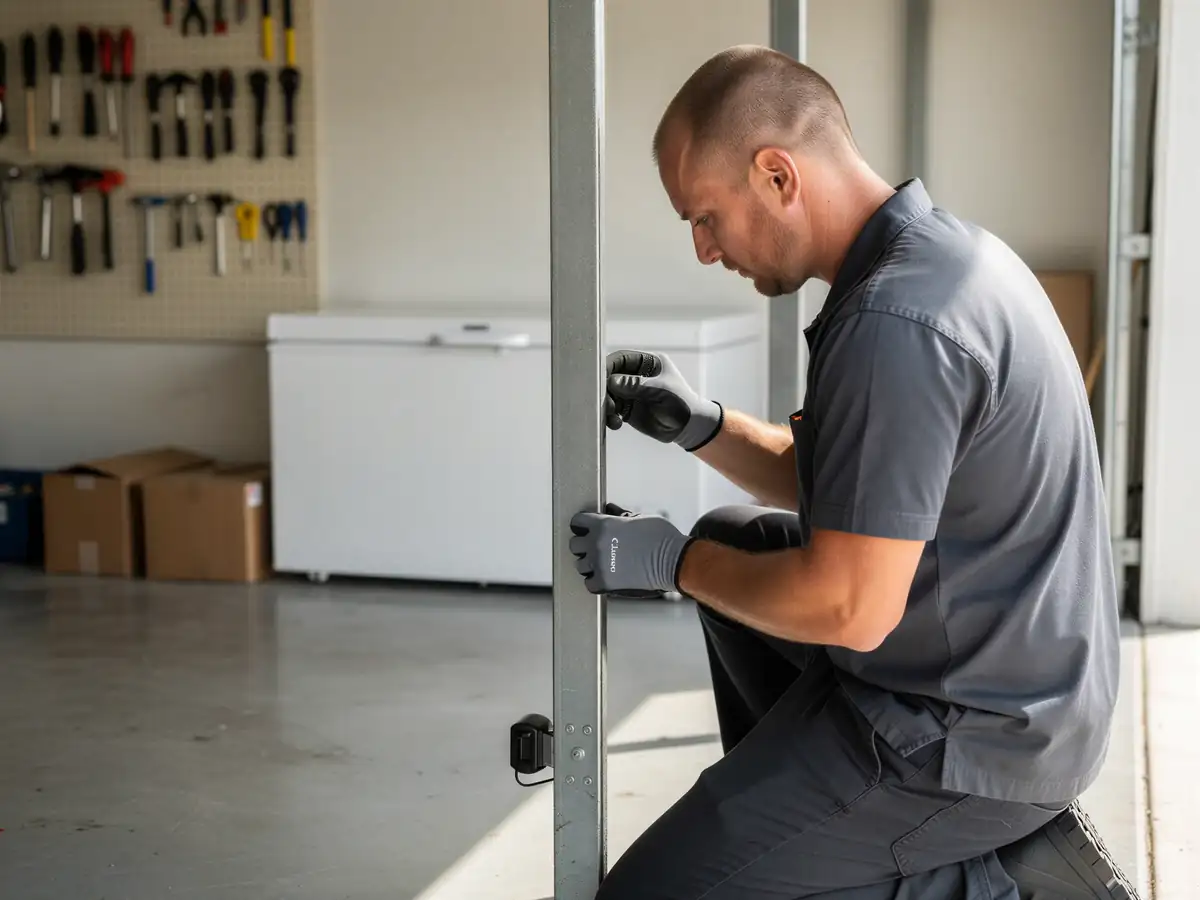
Why This Fails Locally
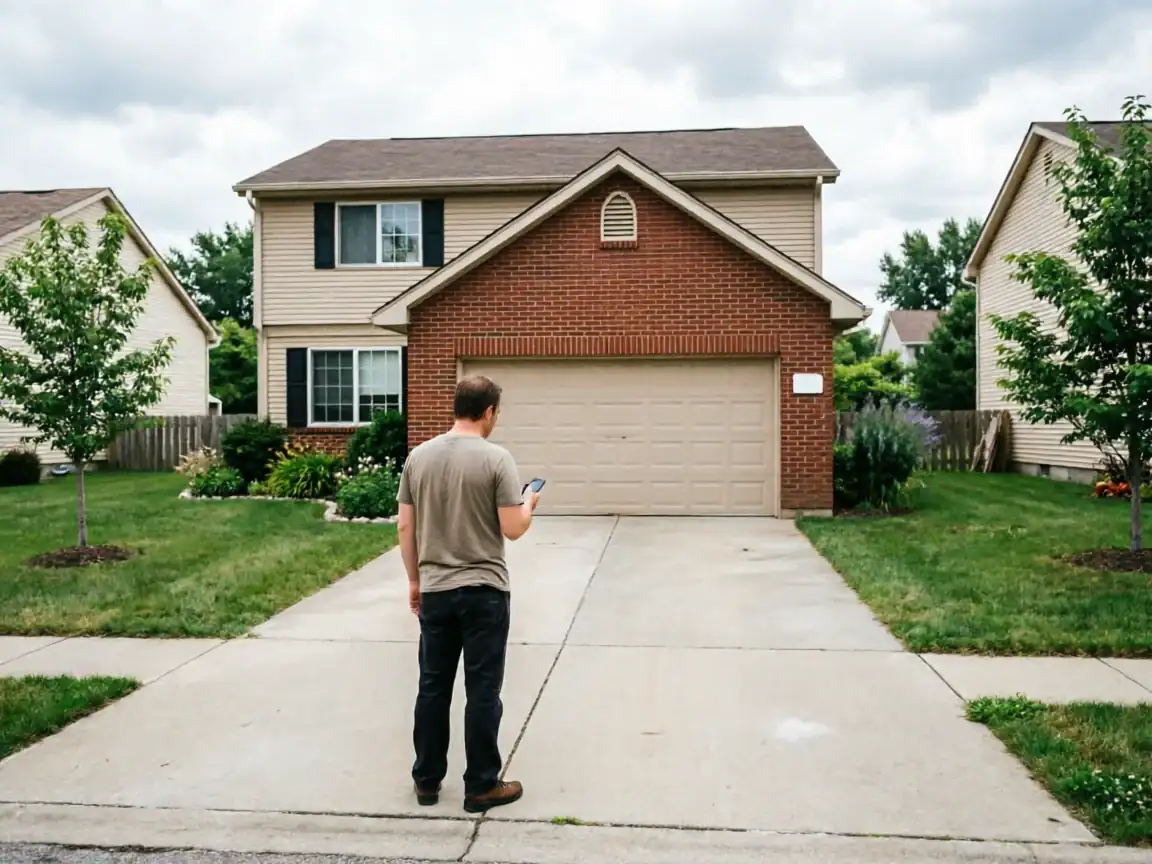
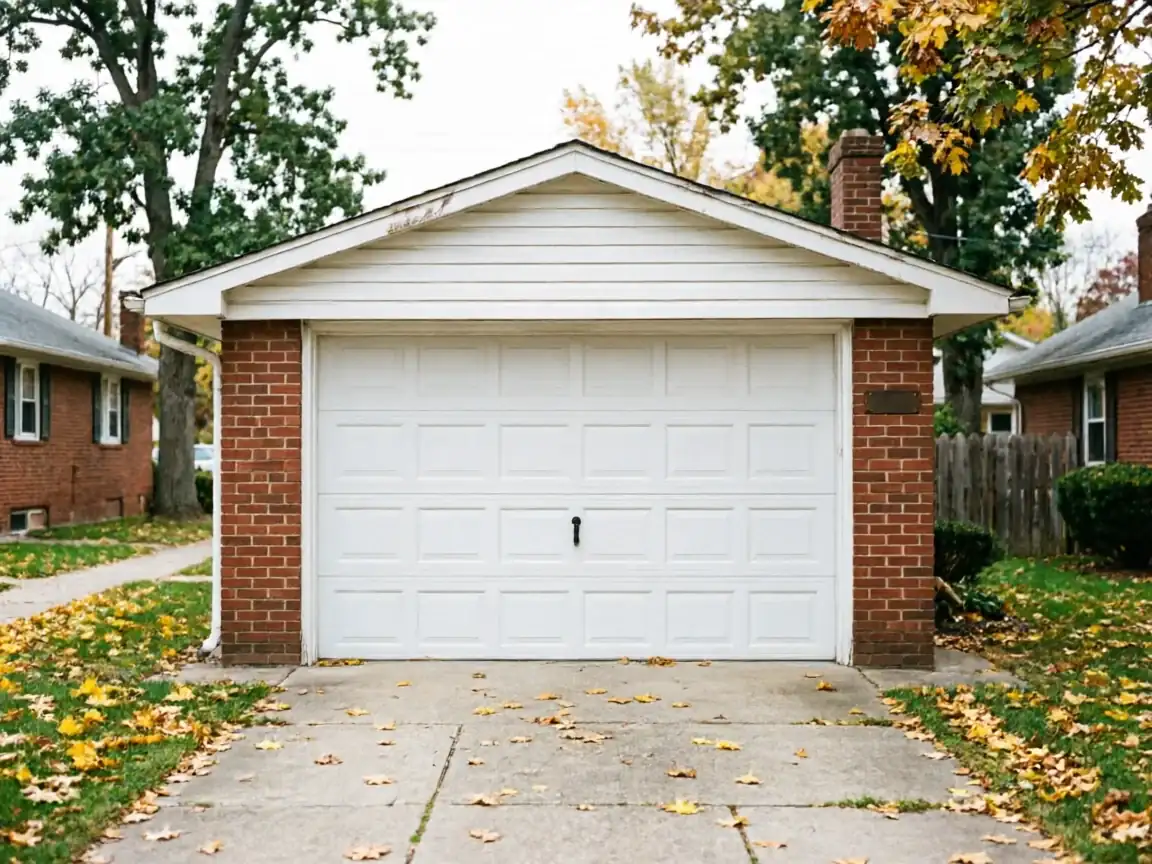
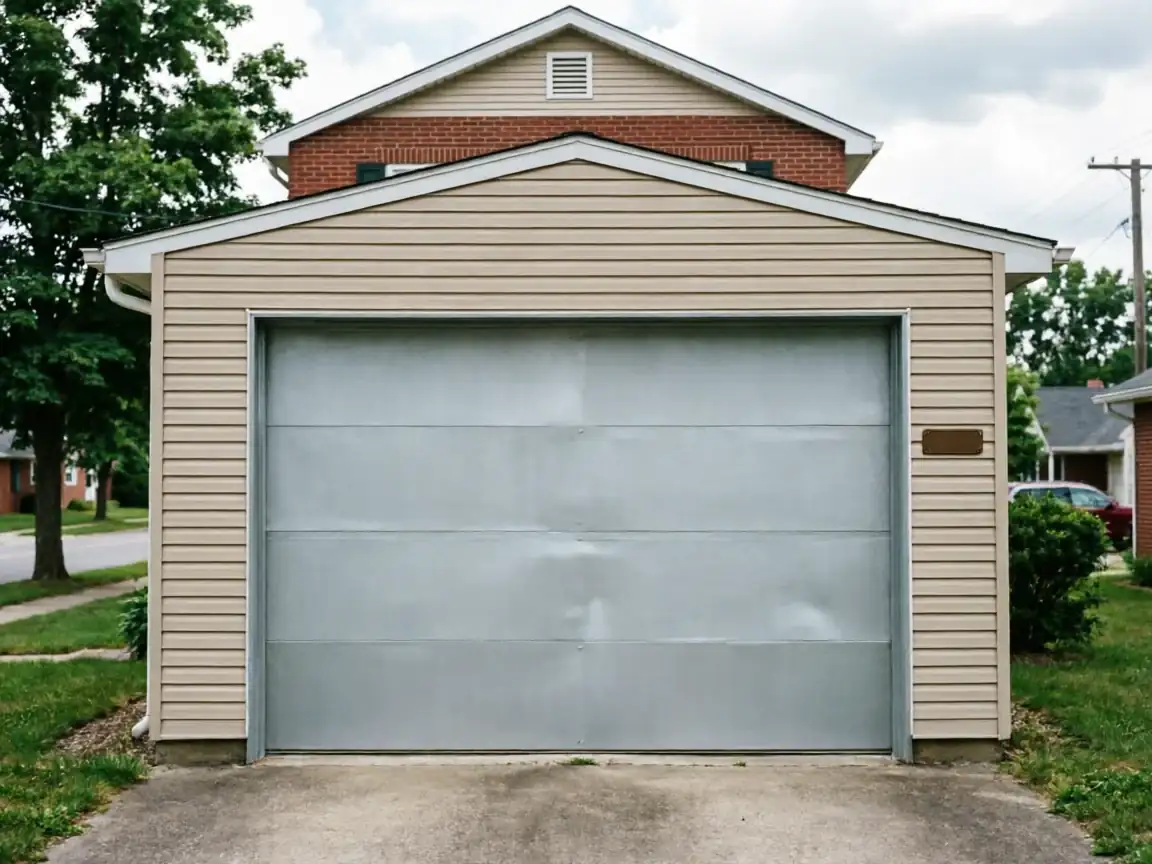
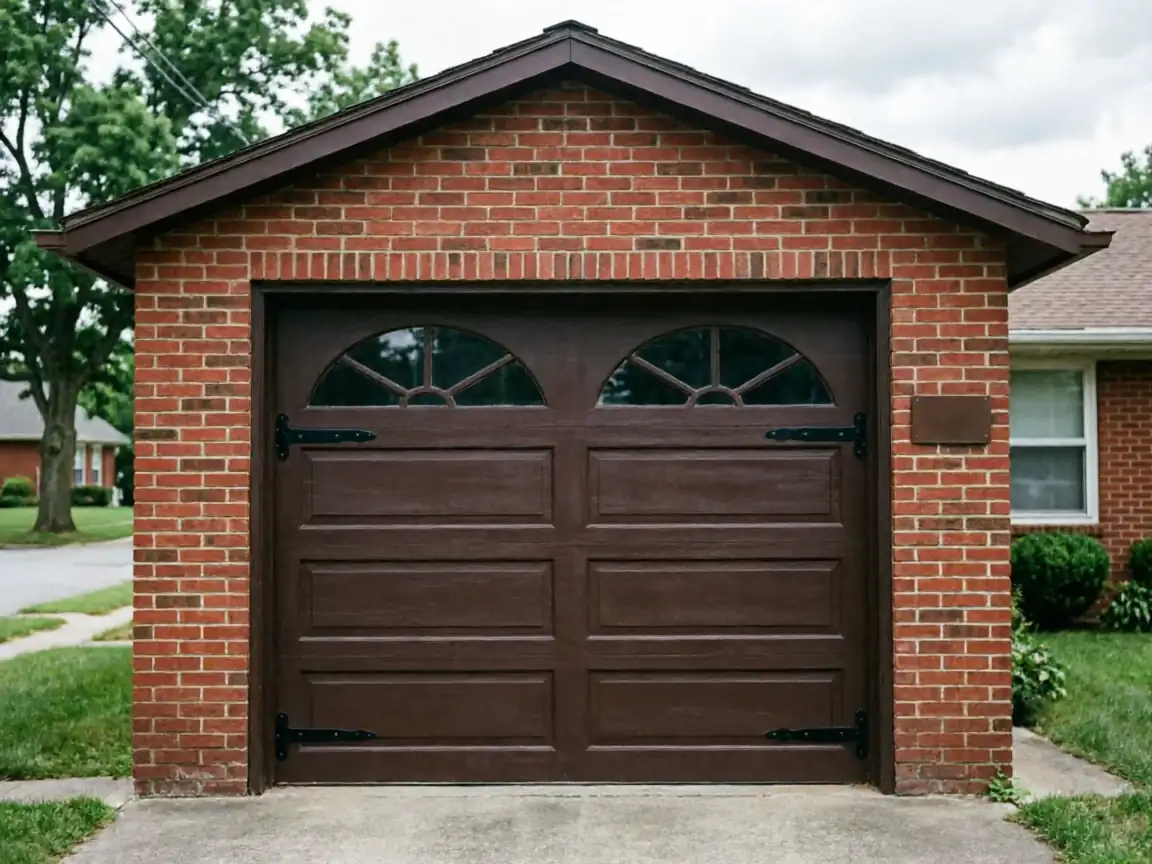
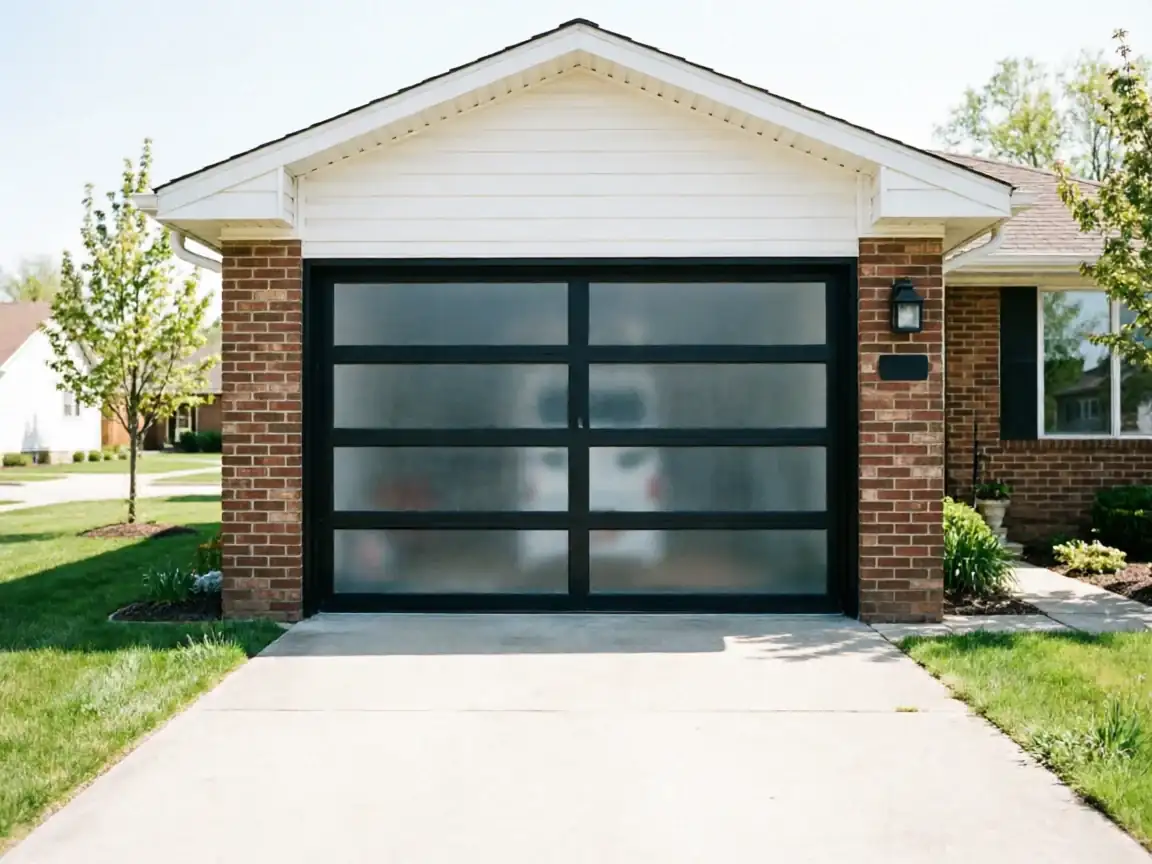
Mendon is a small town, somewhere around 404 households, which means the garage door calls we get out of here aren't random. They cluster around the same handful of problems because most of the housing went up in the same stretch of years. The town's own median build year sits at 1969, a little newer than the 1938-1969 range that spans the four towns we cover out of Quincy, but still old enough that a lot of original hardware is still hanging in these garages. Springs sag at a predictable rate. Rollers wear out around the same mileage. When a town is this size and this uniform in age, maintenance isn't a guess - it's catching the same failure before it happens, because we've already seen it on the house two doors down, or three streets over.
That's the case for a tune-up here specifically: not a generic pitch about garage doors wearing out everywhere, but the fact that Mendon's housing stock concentrates a known set of failures into a known window of years.
How It Shows Up
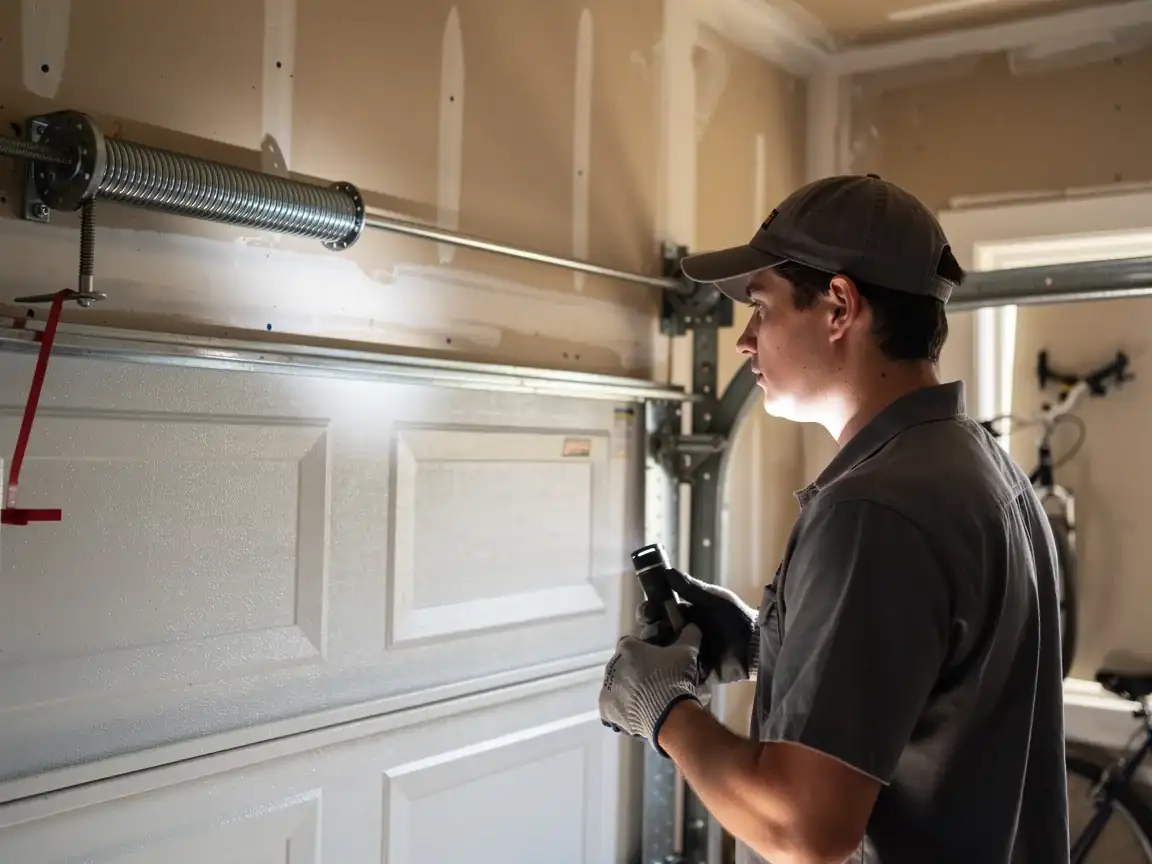
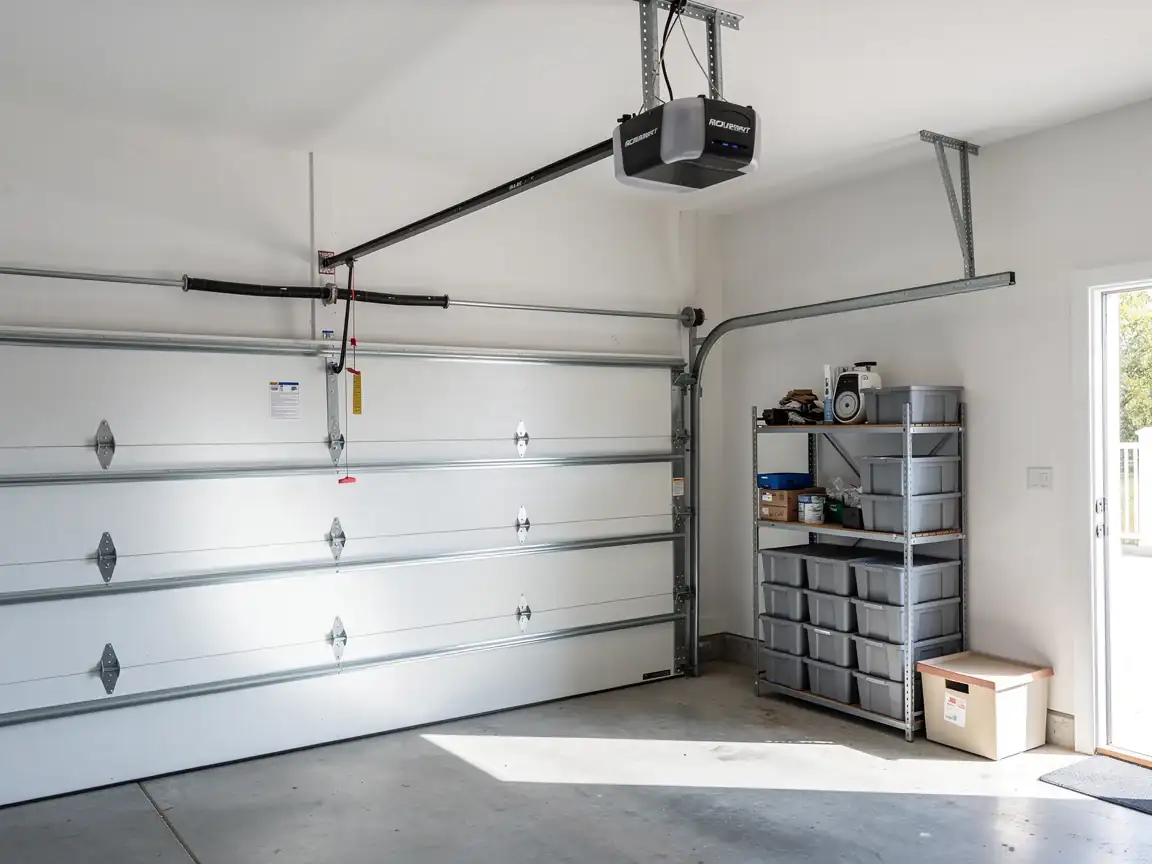
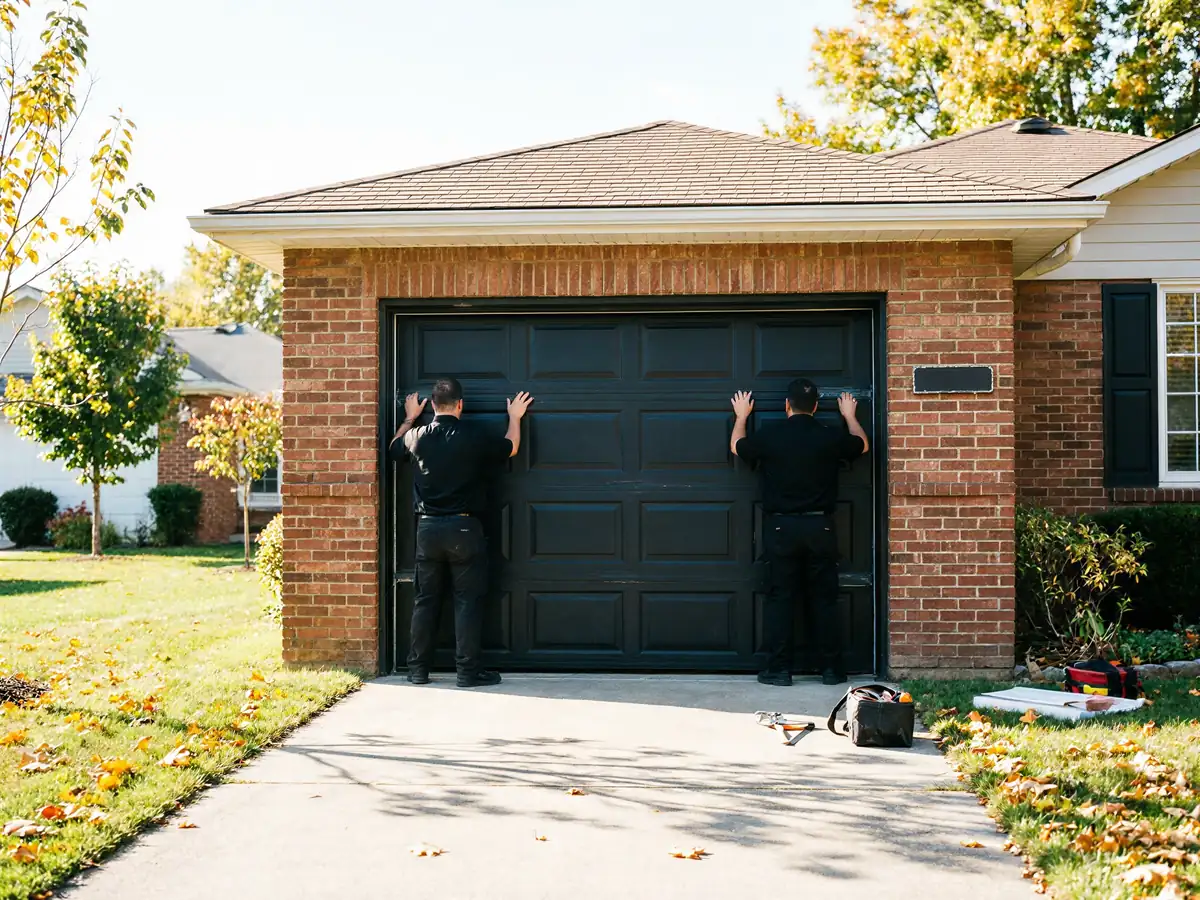
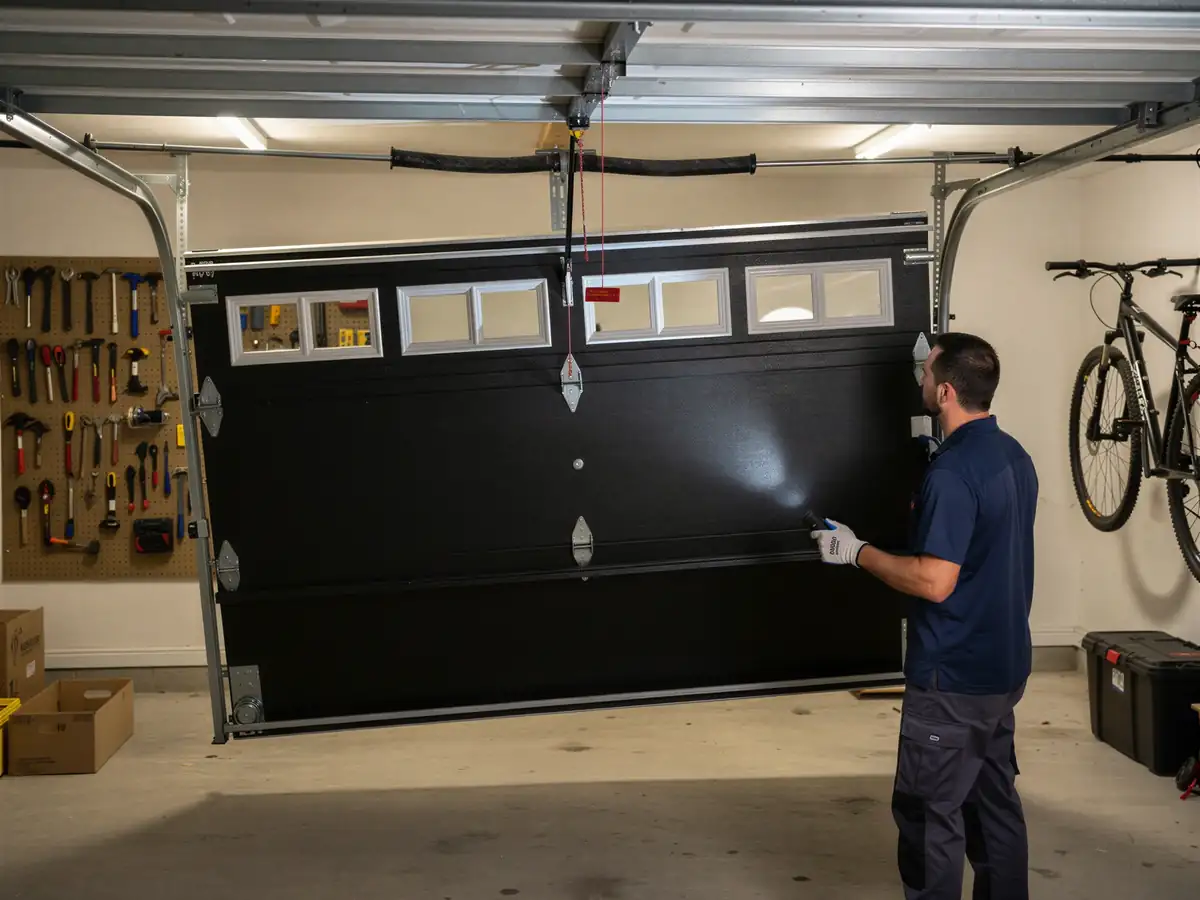
On doors from the 1960s and 70s era that makes up most of this stock, the pattern is usually the same: the opener starts straining on the up-stroke, the door shudders instead of gliding, or one corner drags a half-second behind the rest. That's a spring losing tension unevenly, or a track that's walked slightly out of alignment over fifty-some years of seasonal shift. Cold-climate swings - and this area sits in a moderate-cold band - mean metal contracts and expands enough every winter to work bolts loose and dry out old lubrication faster than owners expect.
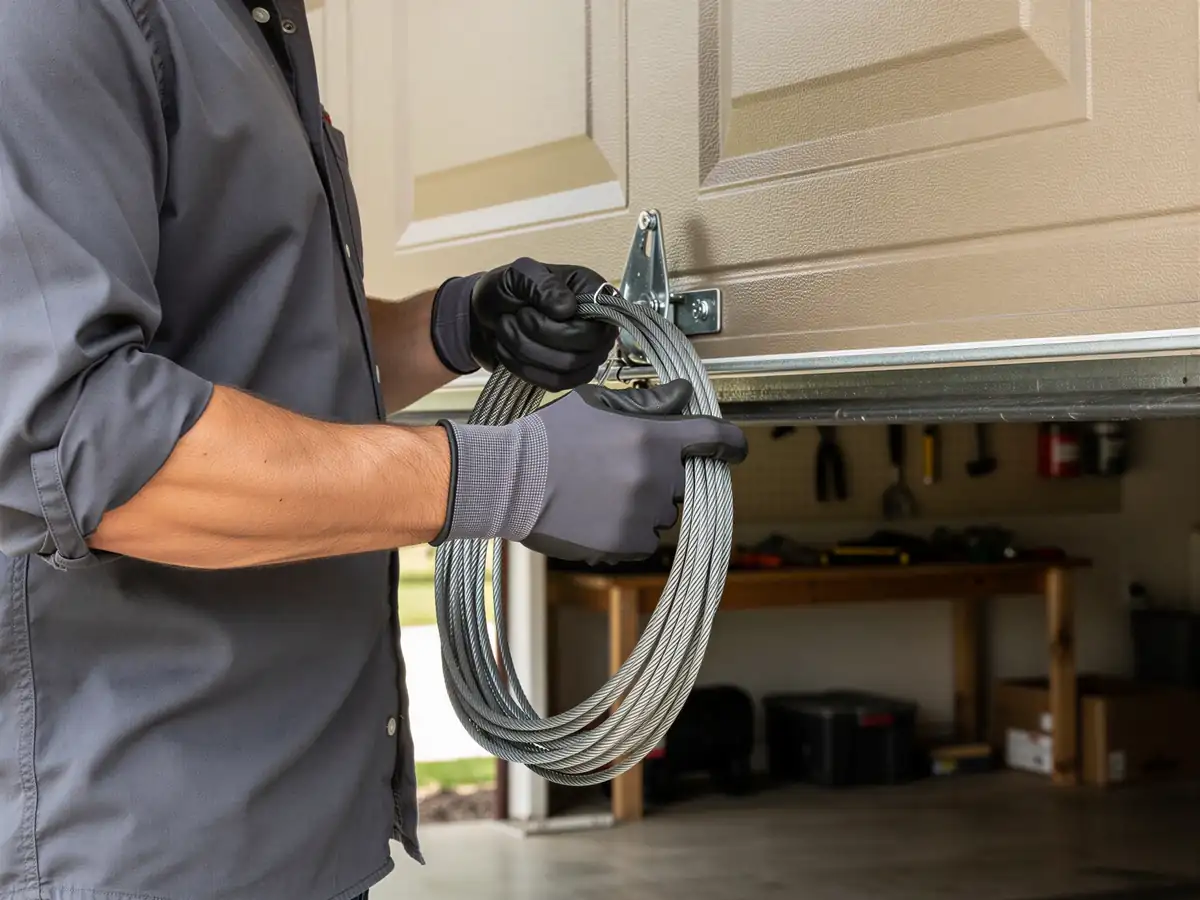
None of this looks dramatic at first. It's a door that's a little louder than last year, or an opener that clicks twice before it catches. Those are the early signs, and they're the cheap ones to fix if you catch them before a cable frays or a spring lets go under load.
The Cost of This Job
We don't have a posted price list to quote you here, and I'm not going to invent one
What I can tell you is how the math tends to work on a town like this: median household income runs $62,778, a notch above the $61,139 average across the four towns we serve, and a basic tune-up costs a fraction of what a full spring or opener replacement runs once something actually fails. Maintenance is the cheap visit. The expensive visit is the one where we're out here because a cable snapped on a Sunday.
The honest limitation
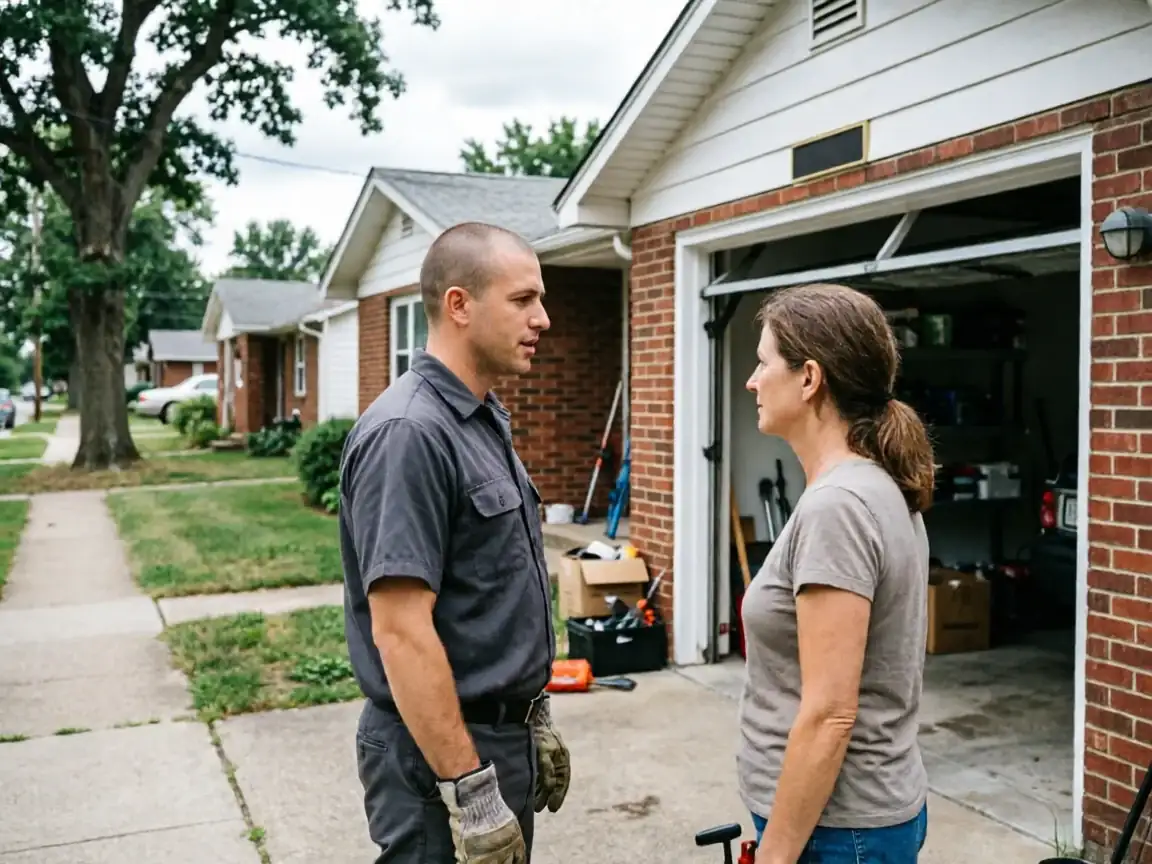
If your door hasn't been touched in years and the springs are original to a 1960s build, a tune-up might turn into a recommendation to replace rather than patch. We'll tell you straight if that's the case instead of charging you for a band-aid.
The DIY Question
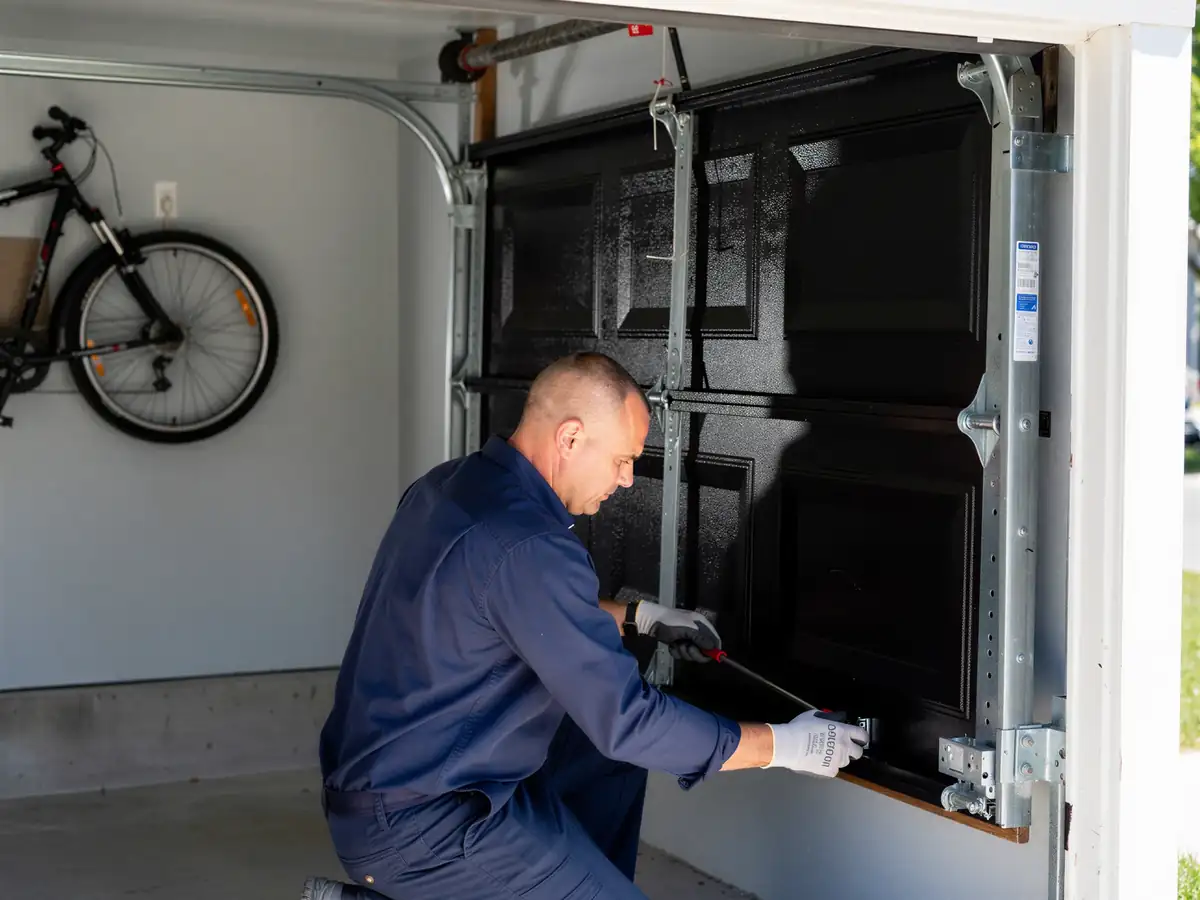
Lubricating hinges and rollers, vacuuming out the track, checking that the weatherstripping still seals - that's reasonable homeowner work, and there's no reason to call us for it. Where it stops being a DIY job is the spring system. A torsion or extension spring under tension can do real damage if it lets go while you're working on it, and on a door that's been in place since the 1960s or 70s, you don't always know how much life is left in that spring until it's already failing.
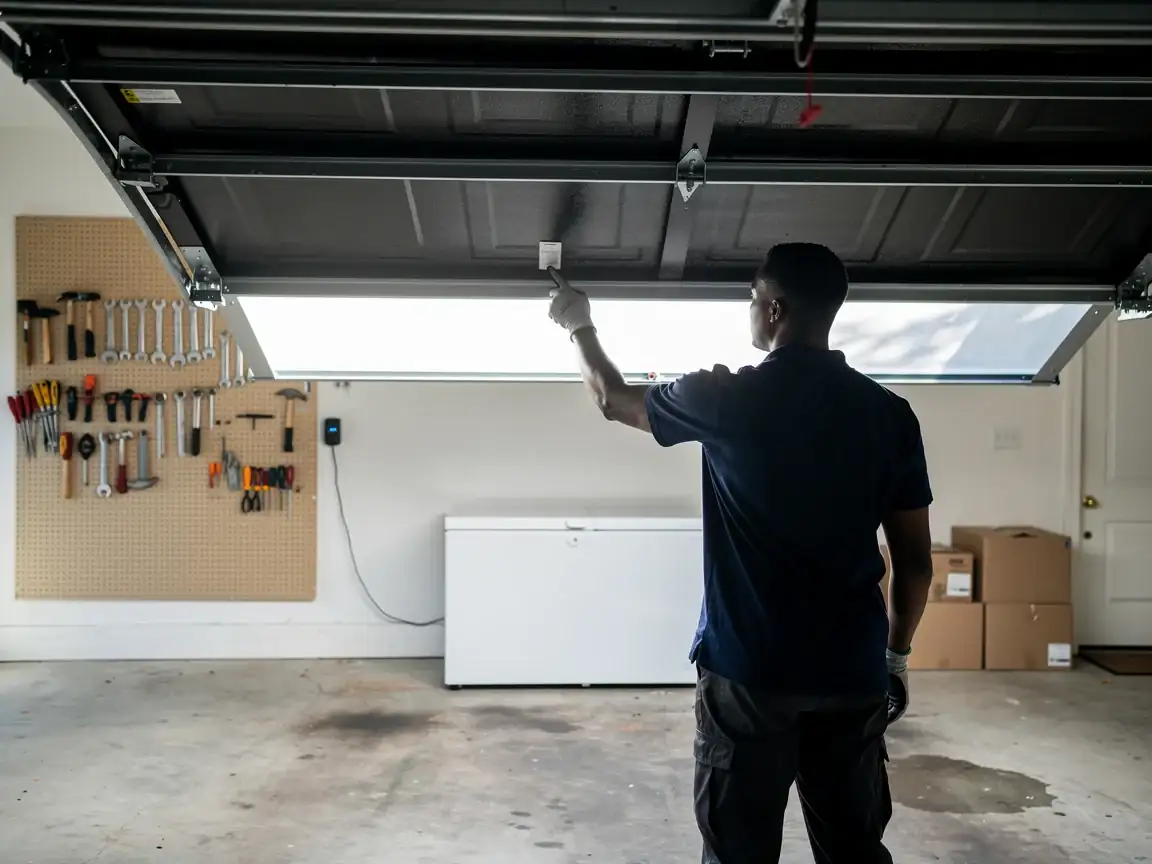
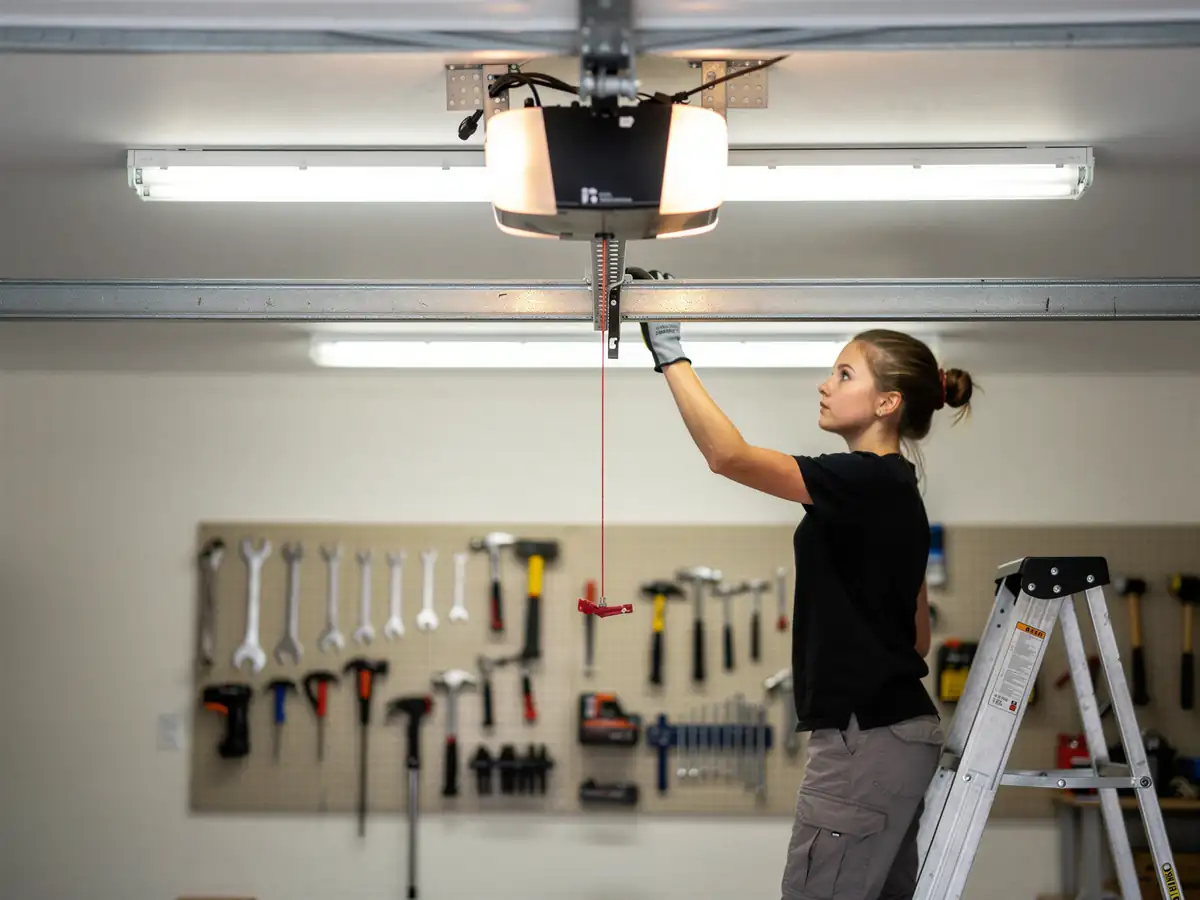
The other thing owners miss: the opener's force settings. If the door was adjusted years ago for a panel that's since sagged or warped slightly, the auto-reverse safety feature can be out of spec without anything looking obviously wrong. That's a five-minute check for us and not something you can eyeball from the garage floor.
Where This Job Goes Sideways
The calls that turn into bigger jobs almost always started as