Why This Fails Locally
Most houses in Mendon went up by 1969, a few years past the 1964 median that covers the broader stretch of houses Quincy Garage Door Pros works across. That gap matters more than it sounds like it should. A garage built in the late 1960s usually got its opener installed later, often in a single retrofit sometime in the 80s or 90s rather than as original equipment. That means the opener you're calling about today is likely not the first one that bracket has held, and the wiring and mounting may have been adapted more than once to fit whatever unit was available at the time.
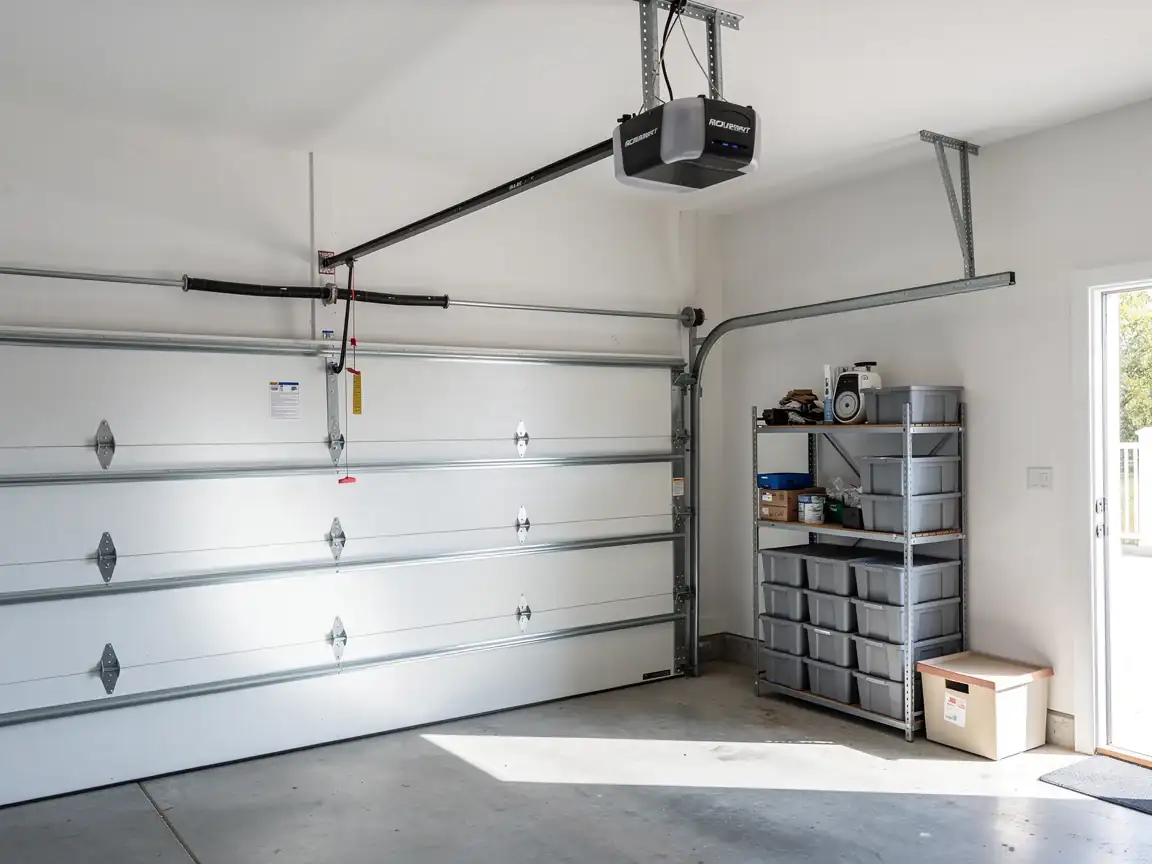
Quincy's wider service area spans housing built anywhere from 1938 to 1969, and a lot of that stock skews even older than Mendon's. The practical effect is that openers out here tend to be fewer generations removed from original, chain-drive units with mechanical limit switches rather than the digital logic boards you'd find in a house built in the last fifteen years. Diagnosing the fault means starting with the mechanical pieces before assuming it's electronic.
How It Shows Up
The most common call is an opener that runs the motor but the door won't move, which usually points to a worn or stripped drive gear inside the unit rather than anything with the door itself. Close behind that is a door that reverses immediately after it starts closing, which is often a misaligned or dirty safety sensor rather than a dying opener.
In a cold-moderate climate, winter adds its own version of this. Grease inside an older chain-drive opener thickens when the garage sits unheated overnight, and the motor can bog down trying to pull a door that's stiff from cold hardware. That shows up as a chattering start, a tripped circuit breaker, or an opener that simply hums without moving the door. It's not always the opener failing outright - sometimes it's the door fighting back against cold-stiffened rollers and track, and the opener just takes the blame first.
The Cost of This Job
We don't have a fixed number to quote here without seeing the unit and the fault
And we're not going to make one up. What we can tell you is how the decision usually breaks down. A logic board or sensor swap on an opener that's otherwise sound is a different job, cost-wise, than replacing the whole unit when the motor or drive assembly is what's gone.
Mendon sits at about 404 households, smaller than the roughly 1,076 households and 720 owner-occupied houses across the wider area Quincy Garage Door Pros covers
That doesn't change what parts cost, but it does mean a tech routing out this way factors in the 12-mile drive from Quincy before quoting a number, since travel is part of what goes into any job this far out. Median household income here runs close to $62,778, a touch above the $61,139 median for the broader area - worth mentioning only because it's one of the numbers that doesn't match Quincy's own figures, and pages that pretend every suburb is identical to the city aren't being straight with you.
- 720 owner-occupied
The DIY Question
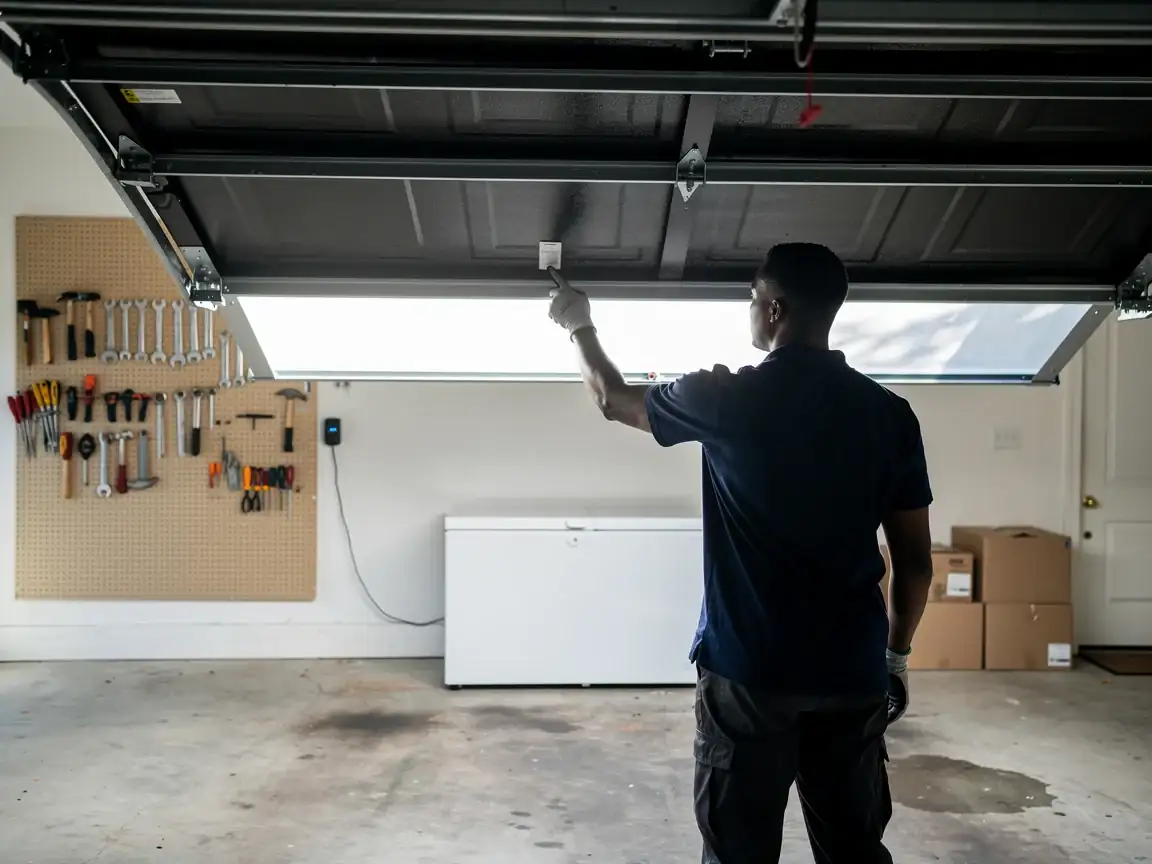
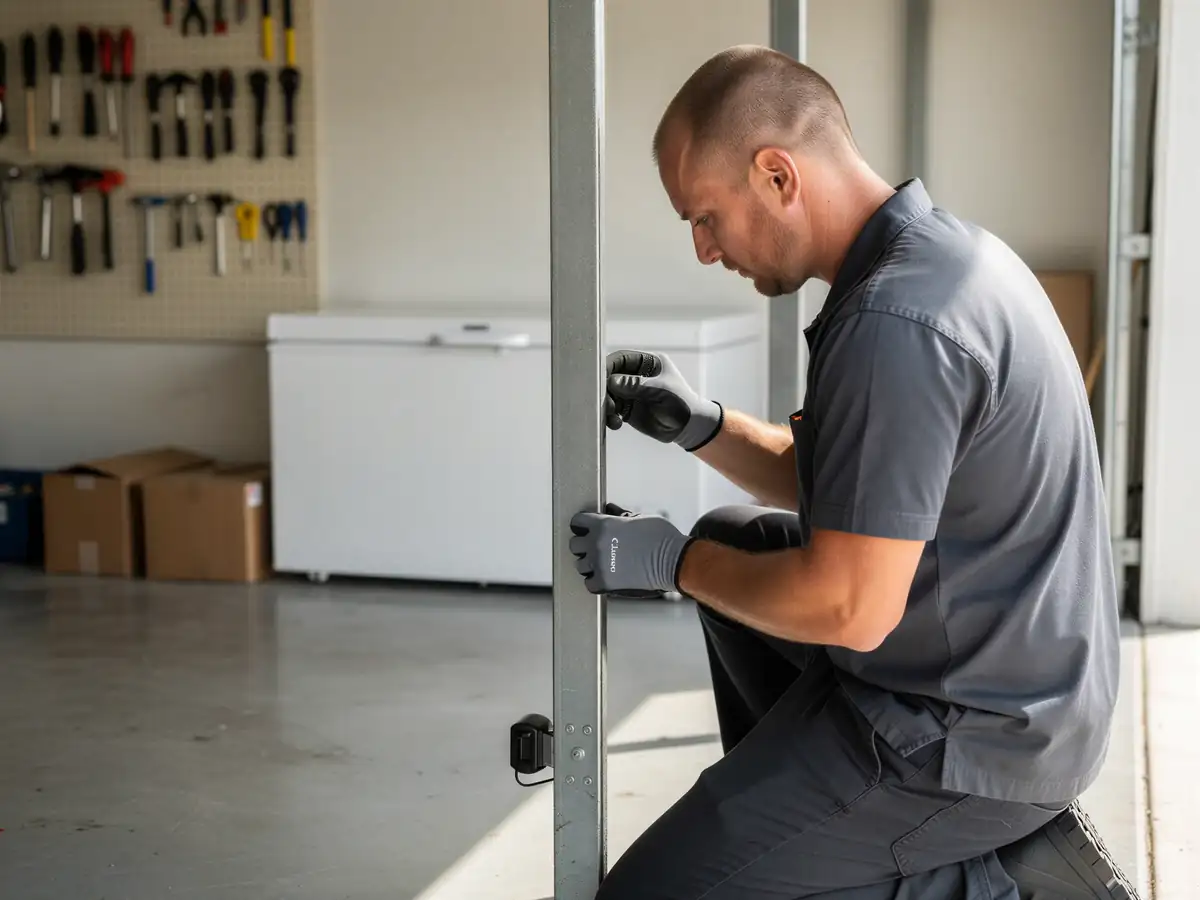
Some of this you can check yourself before calling anyone. Safety sensor alignment is a five-minute fix - look for a blinking light on either sensor eye, wipe the lenses, and make sure nothing's nudged them out of line. Dead remote batteries are the next easiest thing to rule out, and worth checking before assuming the opener itself has failed.
What you shouldn't touch is anything involving the opener's travel limits or force settings if you're not sure what you're adjusting, and you should never put your hands near the drive mechanism while the unit is plugged in. On an older chain-drive opener like a lot of what's running in Mendon, the chain tensioner and drive gear are both wear parts that eventually need replacing outright rather than adjusting - that's not a DIY repair, it's a parts swap, and getting it wrong can strip the gear housing entirely.
Where This Job Goes Sideways
The most common misdiagnosis we see is someone replacing the opener when the real problem is a weakening torsion spring. An opener straining to lift a door that's lost spring tension will eventually burn out trying to do a job it was never built to do alone - and a new opener installed on a door with a bad spring will fail again within months for the same reason the old one did.
The other place this goes wrong is cold-weather calls where the opener gets blamed for what's actually stiff, under-lubricated track. Swapping the opener doesn't fix a door that's fighting its own hardware, and a tech who doesn't check the track and rollers first before condemning the opener is setting the homeowner up for a second call.
What the Fix Involves
On a chain-drive unit from the era common in Mendon
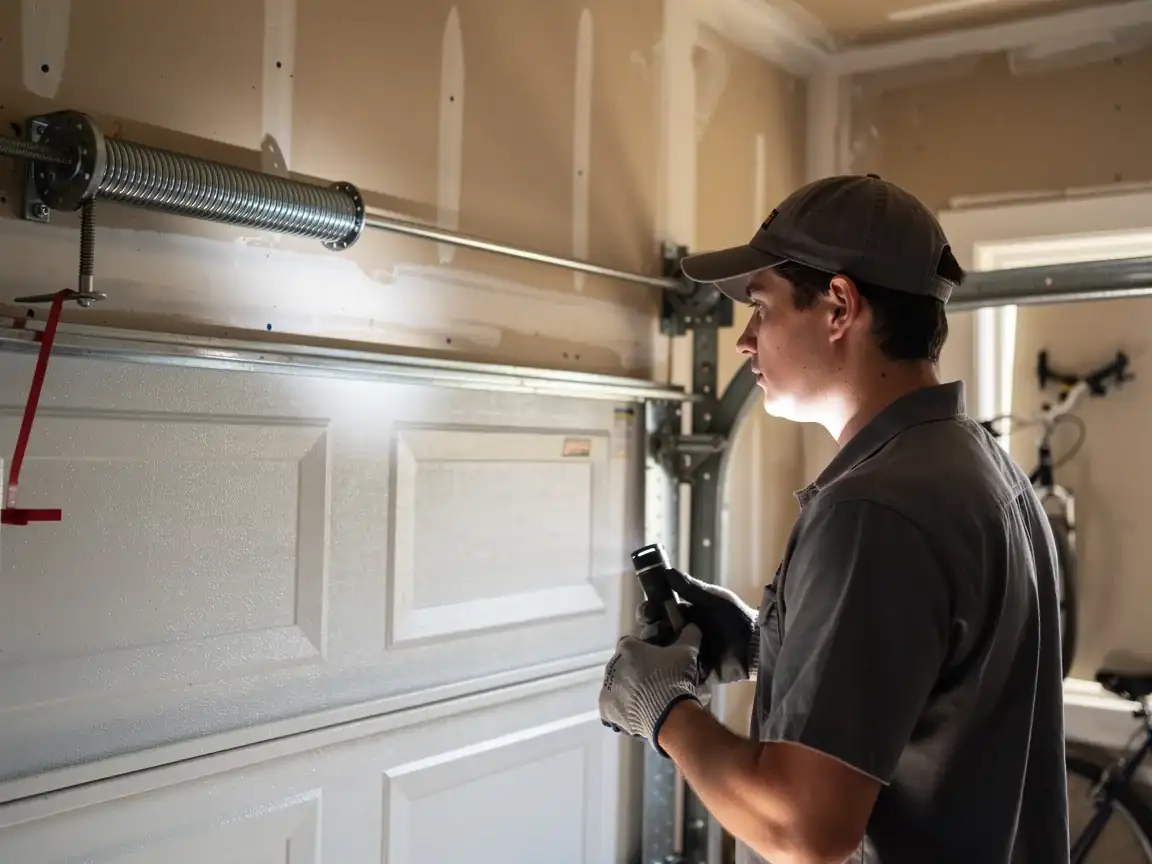
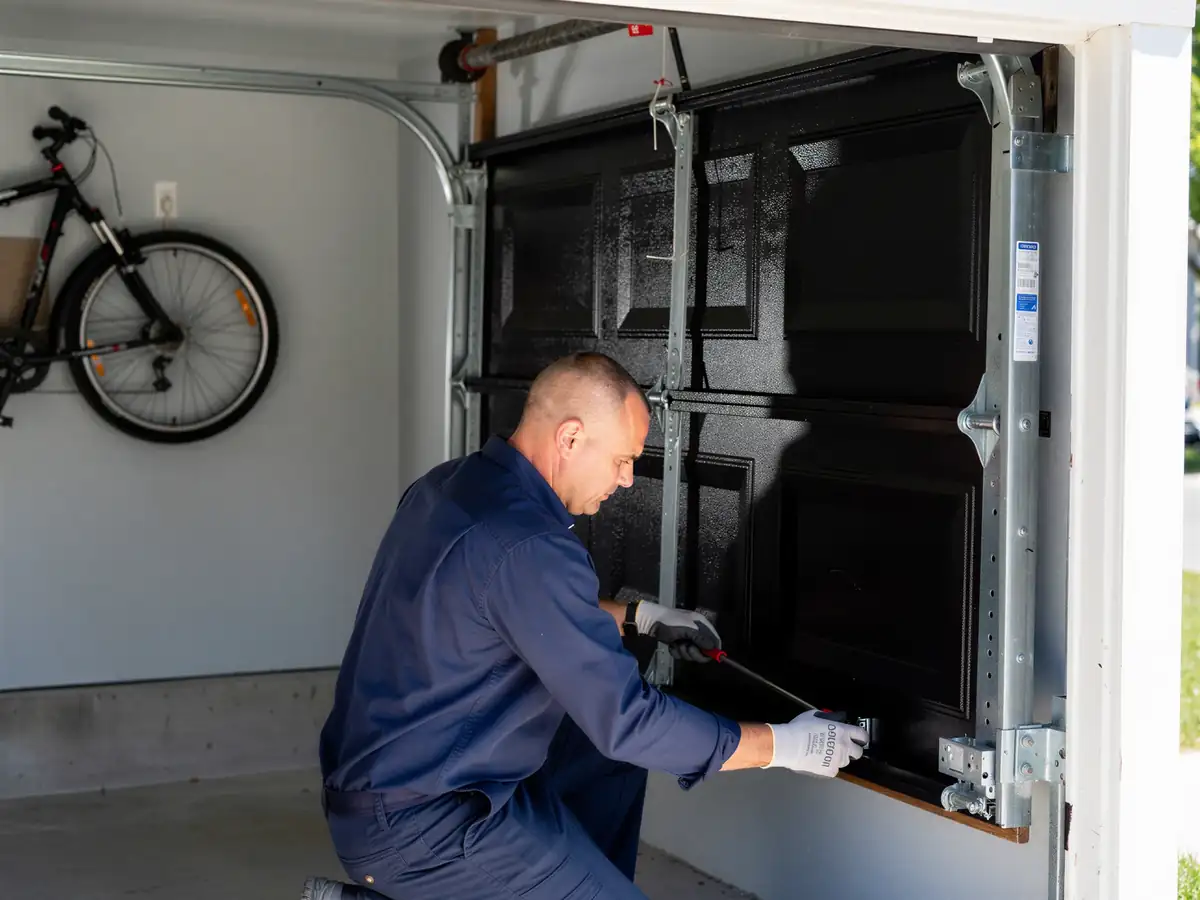
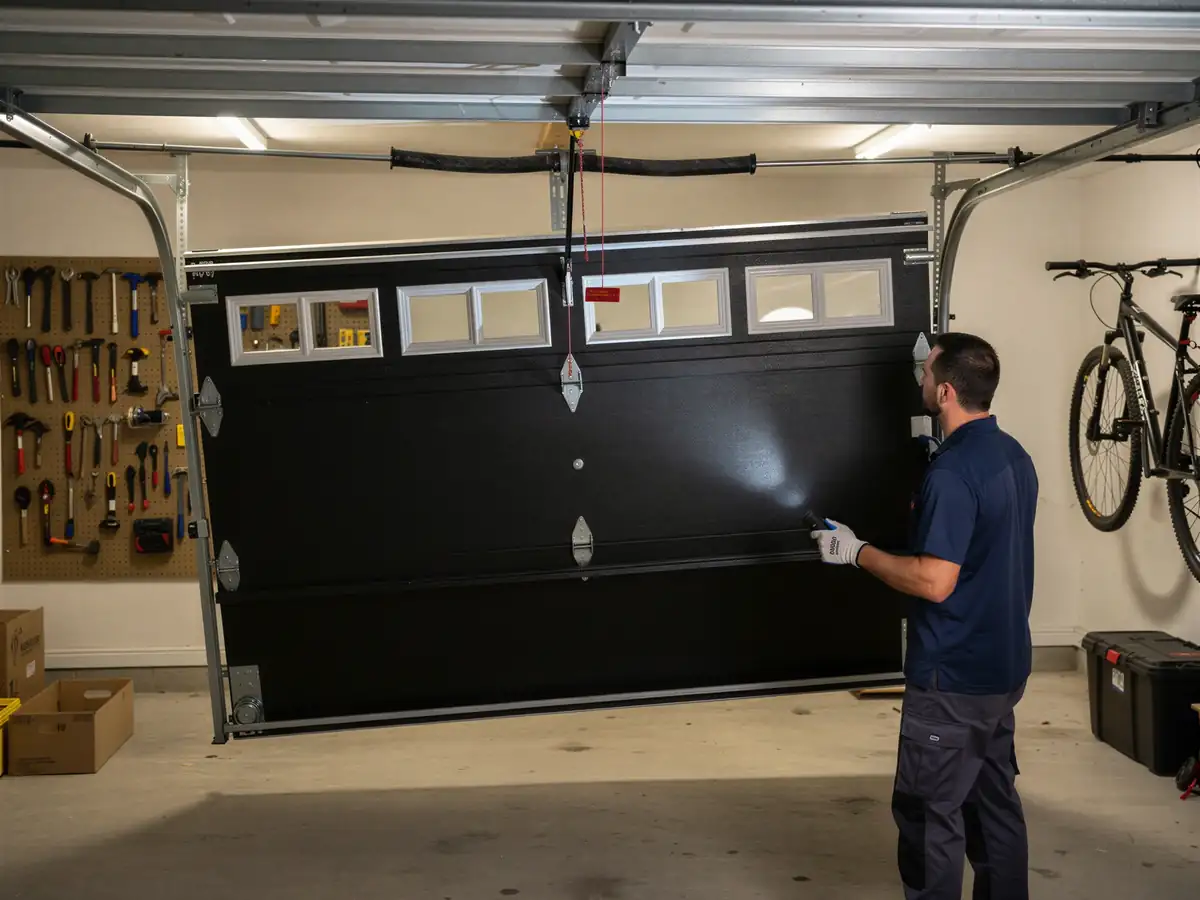
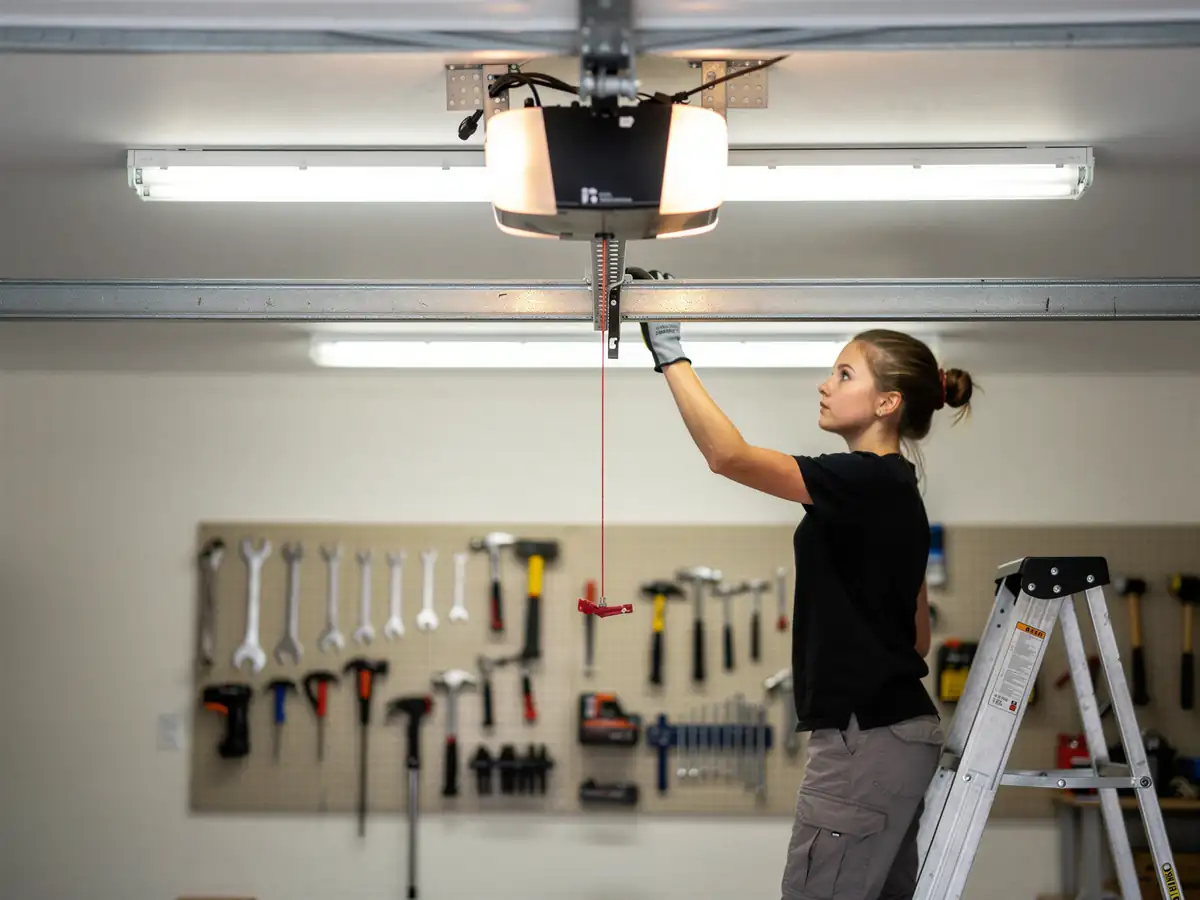
The fix usually starts with checking spring tension and track condition before touching the opener at all - if the door doesn't move freely by hand with the opener disconnected, the opener isn't the root cause. From there it's a check of the drive gear, chain tension, sensor alignment, and the logic board if the unit has one.
We travel the 12 miles out from Quincy for this work
There's no local depot in Mendon and we're not going to claim otherwise. If the opener itself is the failure point rather than a symptom of something else, replacement is usually the better call once a unit's drive gear or board has gone - parts for older models aren't always in stock locally, and that lead time is worth knowing about upfront rather than discovering mid-job.
- 12 miles