How It Shows Up
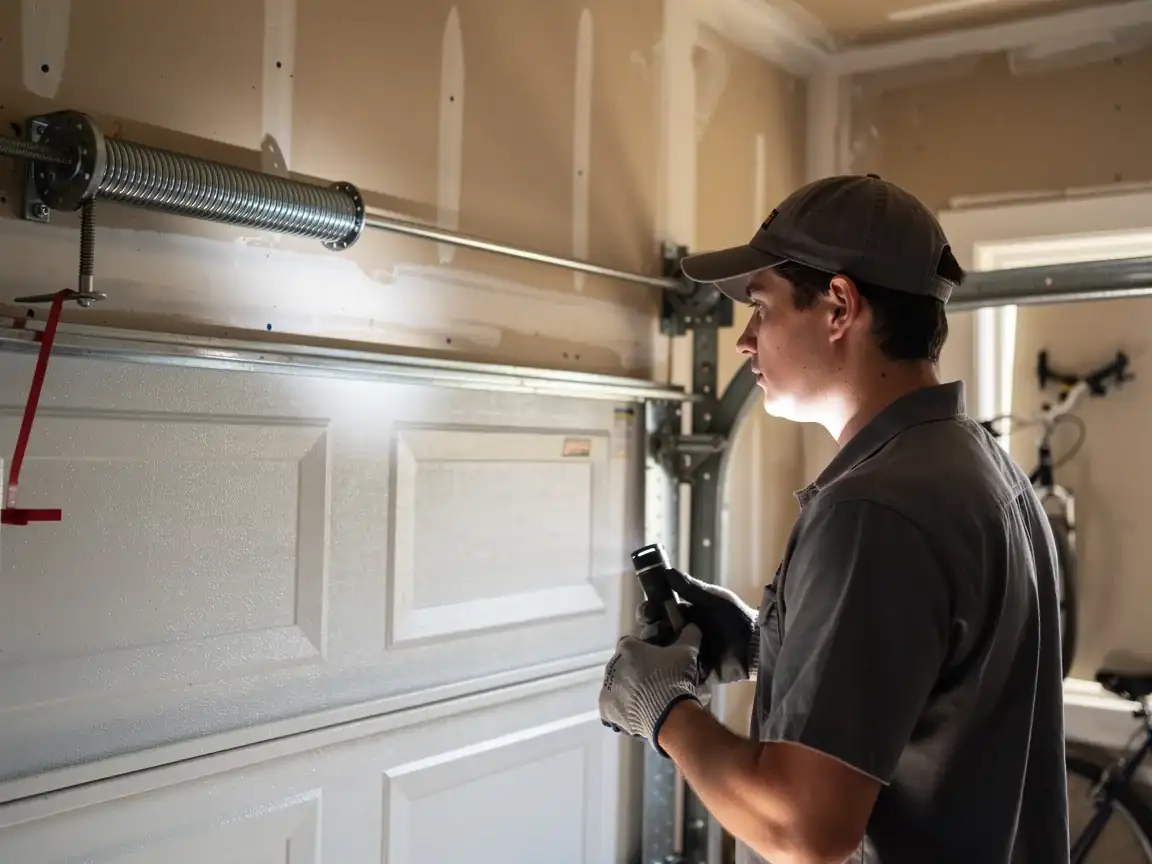
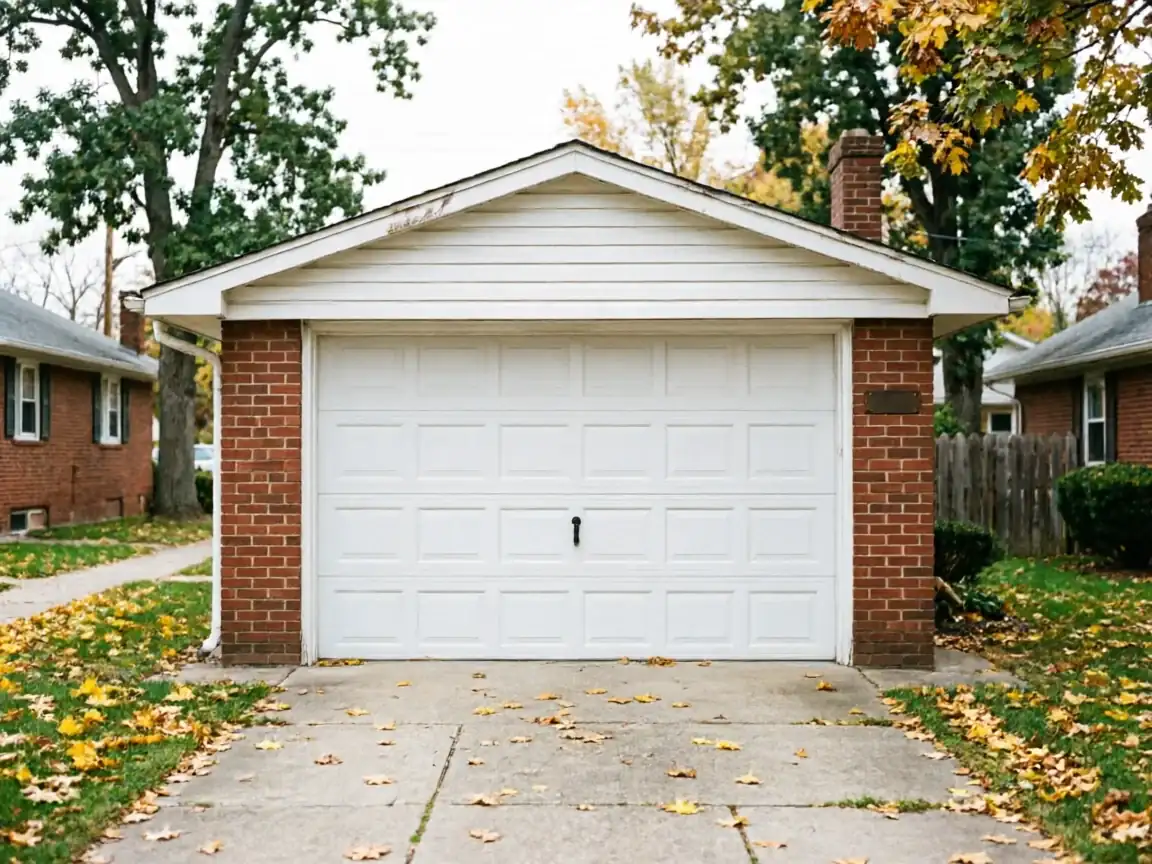
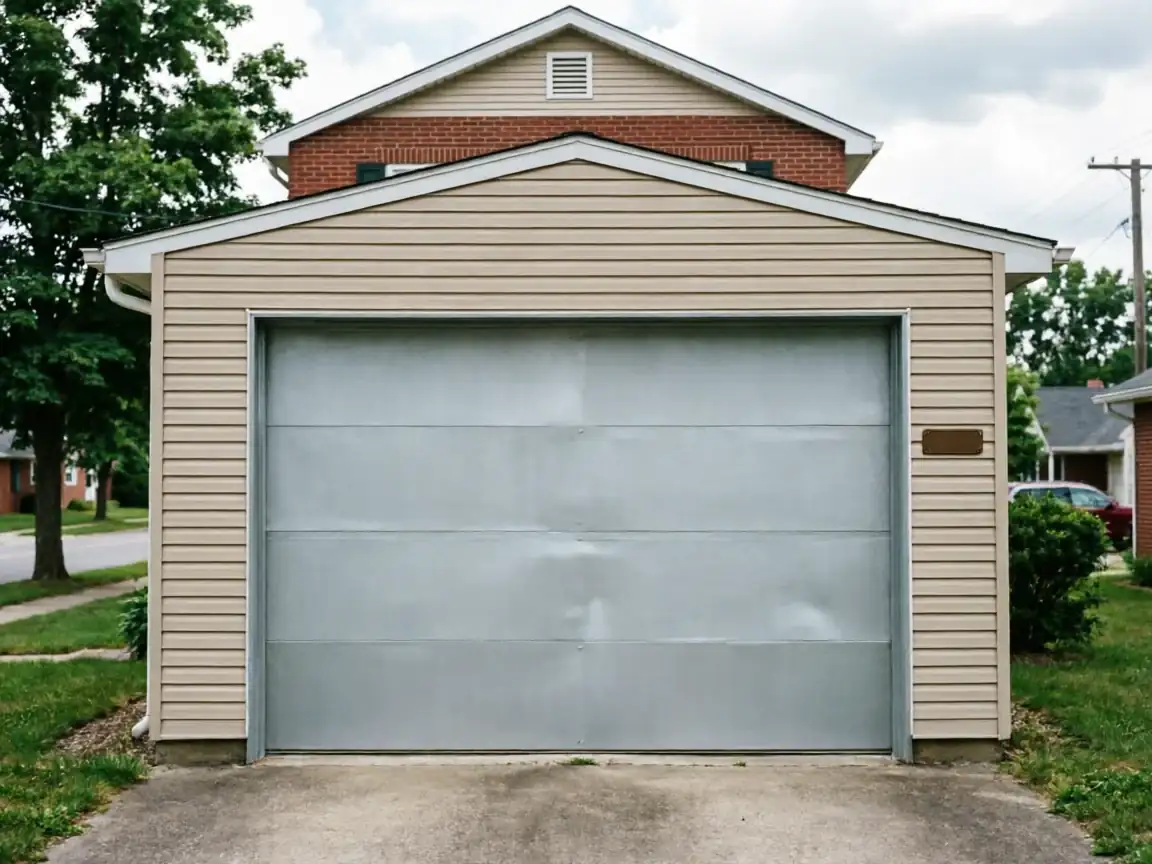
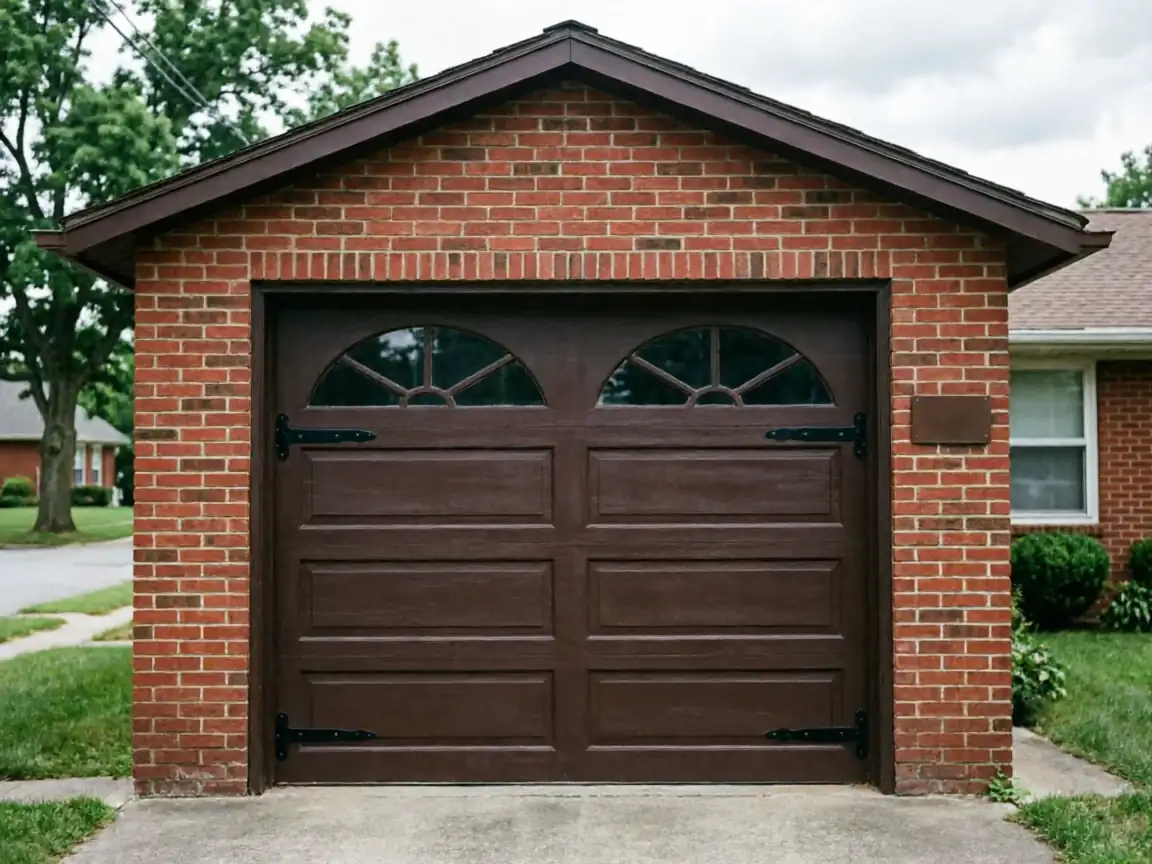
Kinderhook is a small pocket - about 84 households - so a roller call here is almost always a single stop, not a route stuffed with five jobs on one block. That matters for how the work gets scheduled, but it also means the hardware tends to be older than what a crew sees on a bigger tract subdivision. The median build year in this part of the service area runs to 1938, well ahead of the 1964 median across the wider Quincy area. A door that old was likely built with steel rollers on a plain stem, riding in a track gauge that predates the rolled-steel tracks common on houses from the 60s and 70s.
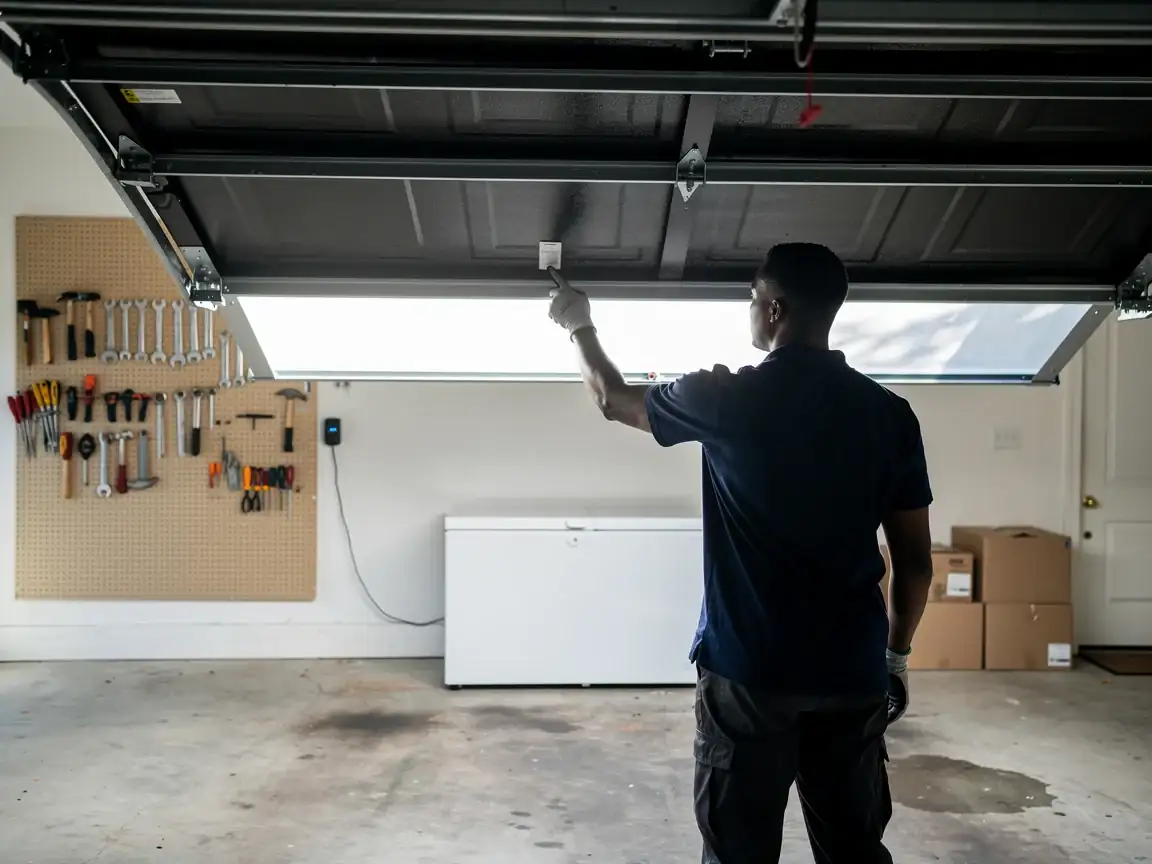
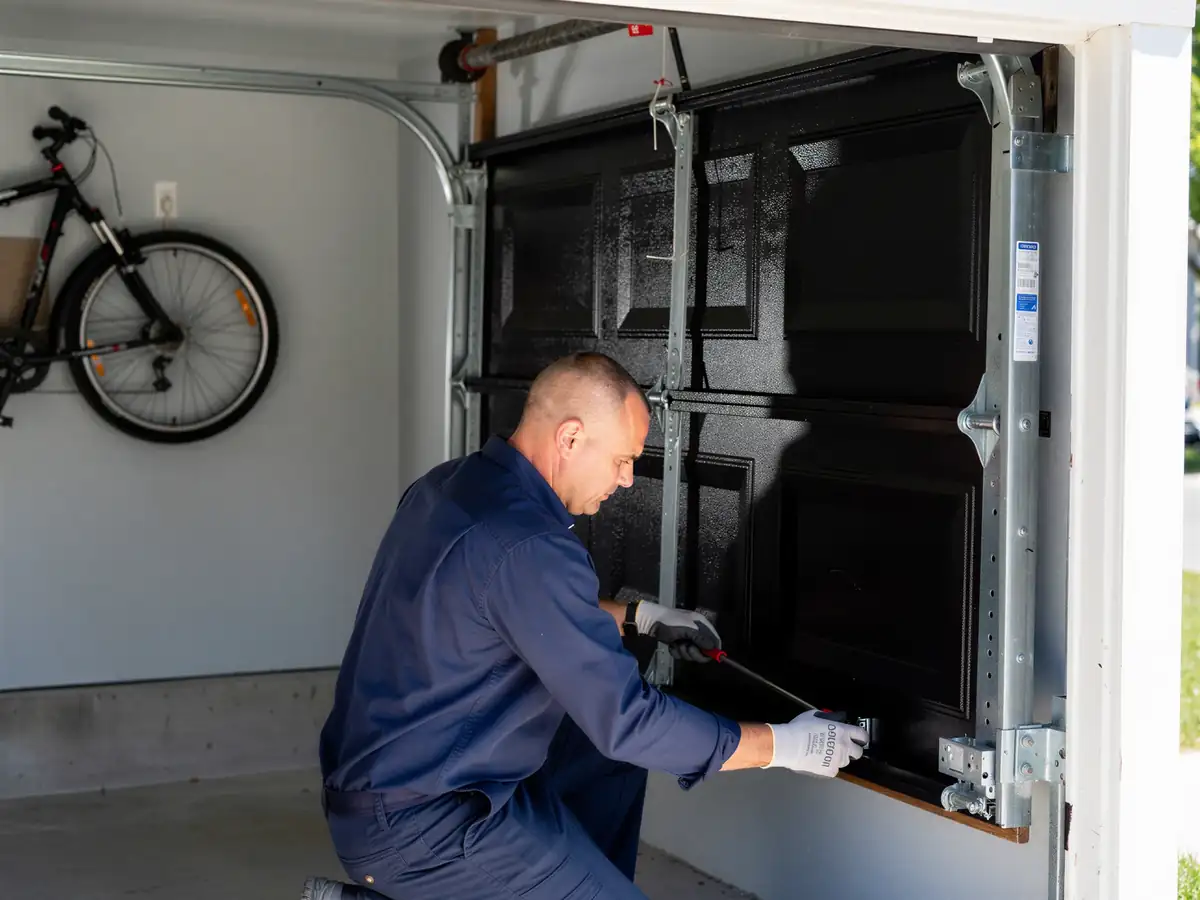
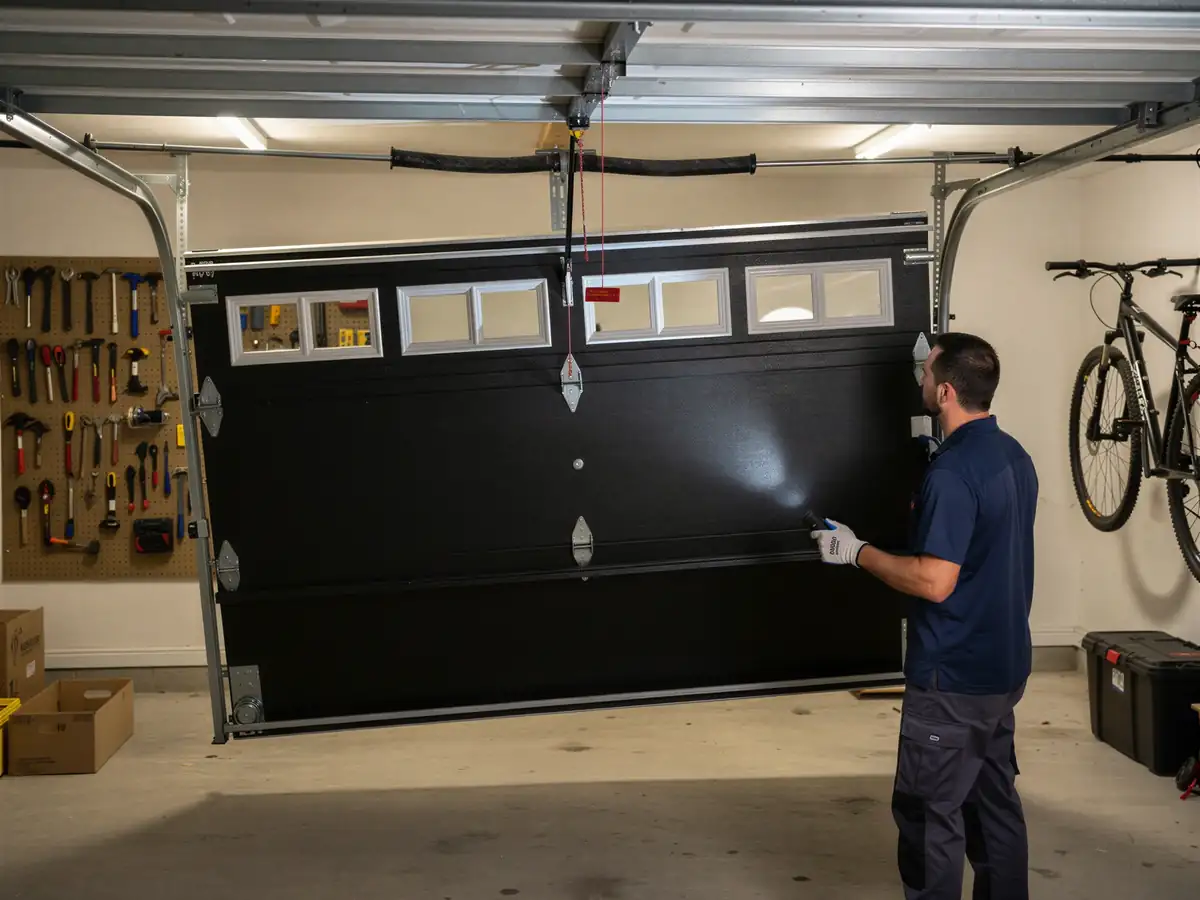
What you notice first is usually noise - a grinding or clacking when the door travels, worse at the top or bottom of the run where the roller wheel has worn flat on one side. Sometimes it's a door that hangs up a few inches off the floor and needs a shove. Steel rollers don't fail quietly; they tell you with sound well before they jump the track.
How to Book
There's no branch out here - every job on a Kinderhook roller call travels from Quincy, about 20 miles. That distance is why we build the trip around the actual repair rather than a diagnostic visit first and a fix second; a call where you can describe the noise and whether the door still opens helps us load the right rollers before the truck leaves. See what we cover for the wider area at /near/kinderhook/, and if what you're after is a full door swap rather than a roller job, that's handled on /garage-door-roller-replacement-quincy-il, which covers the service in general. This page is just the roller end of it, for this specific pocket of older houses.
Why This Fails Locally
The 1938 median build year in this part of the service area means a good share of doors still ride on hardware designed before sealed nylon rollers were standard
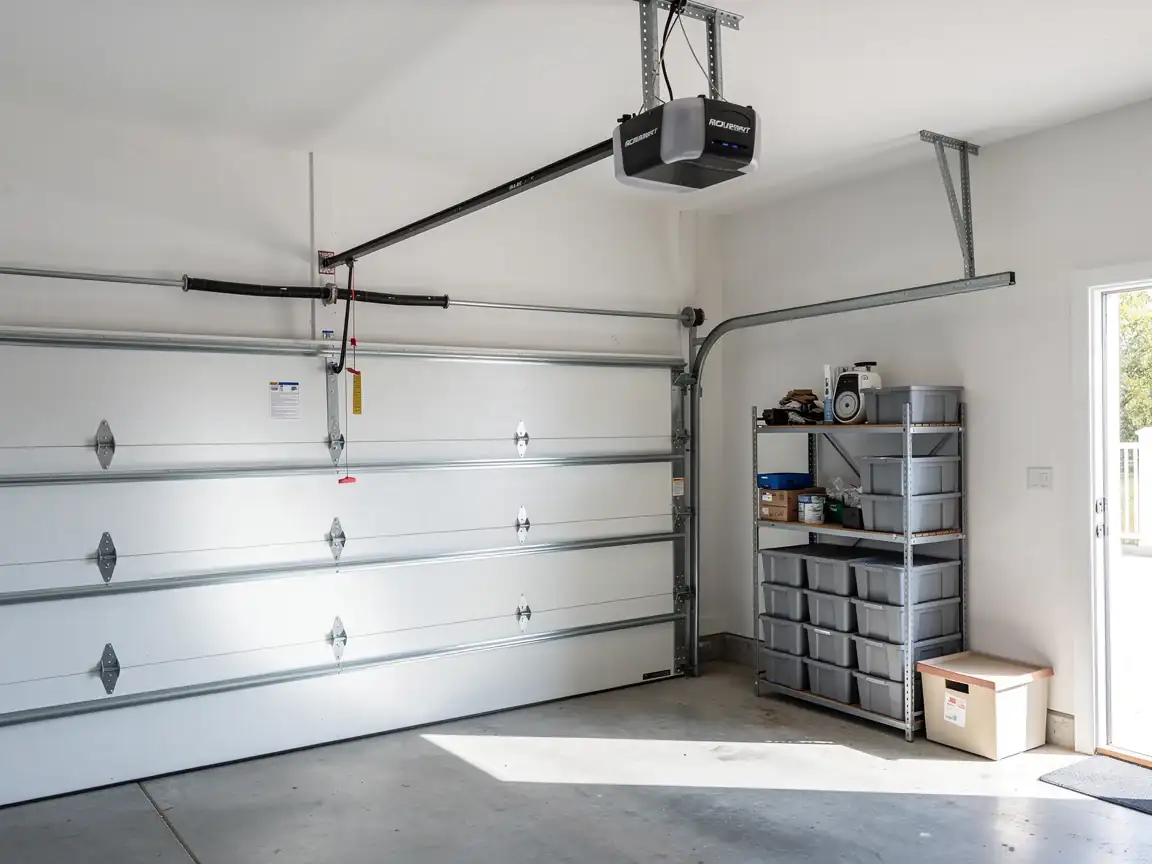
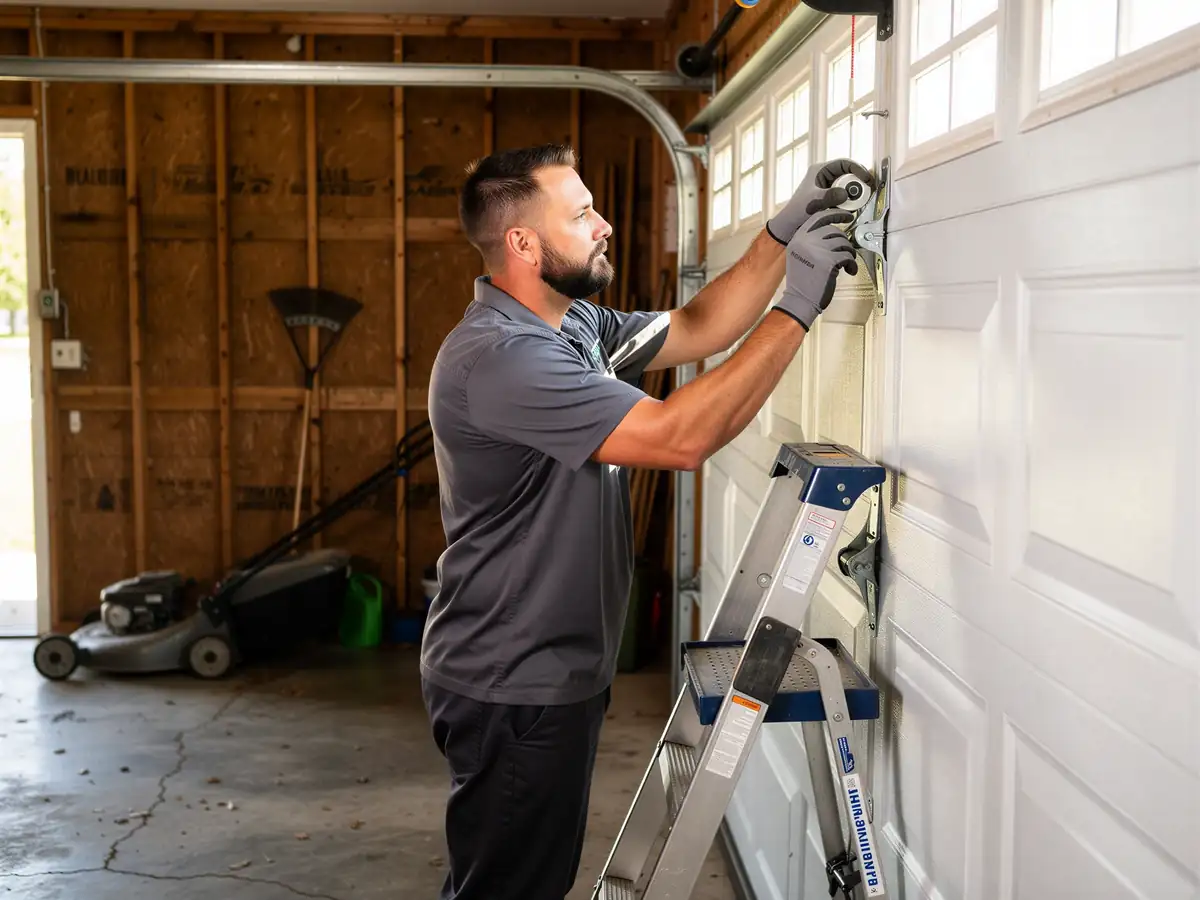
Original steel rollers on a plain stem wear a flat spot that shows up as noise long before the wheel actually breaks. Swap in a modern 11-ball nylon roller without checking stem length and bracket spacing, and it binds instead of rolling - worse than the problem you started with.
The area also sits in a cold-moderate climate band
That matters less for steel, which just wears, and more for nylon: a roller that's fine on a 50-degree afternoon can crack after a hard overnight freeze, especially if it's an older nylon wheel that's already lost some flexibility. On a house this old, the roller is rarely the only worn part - track alignment and hinge wear usually come along with it, and a roller-only fix sometimes just moves the noise to the next weak point.
Where This Job Goes Sideways
The common mistake is ordering a standard replacement roller kit without measuring the stem on the original. Houses from this era sometimes used a shorter stem or a different bracket spacing than what ships in a generic hardware-store kit, and forcing a mismatched roller into an old bracket just transfers the wear to the bracket itself.
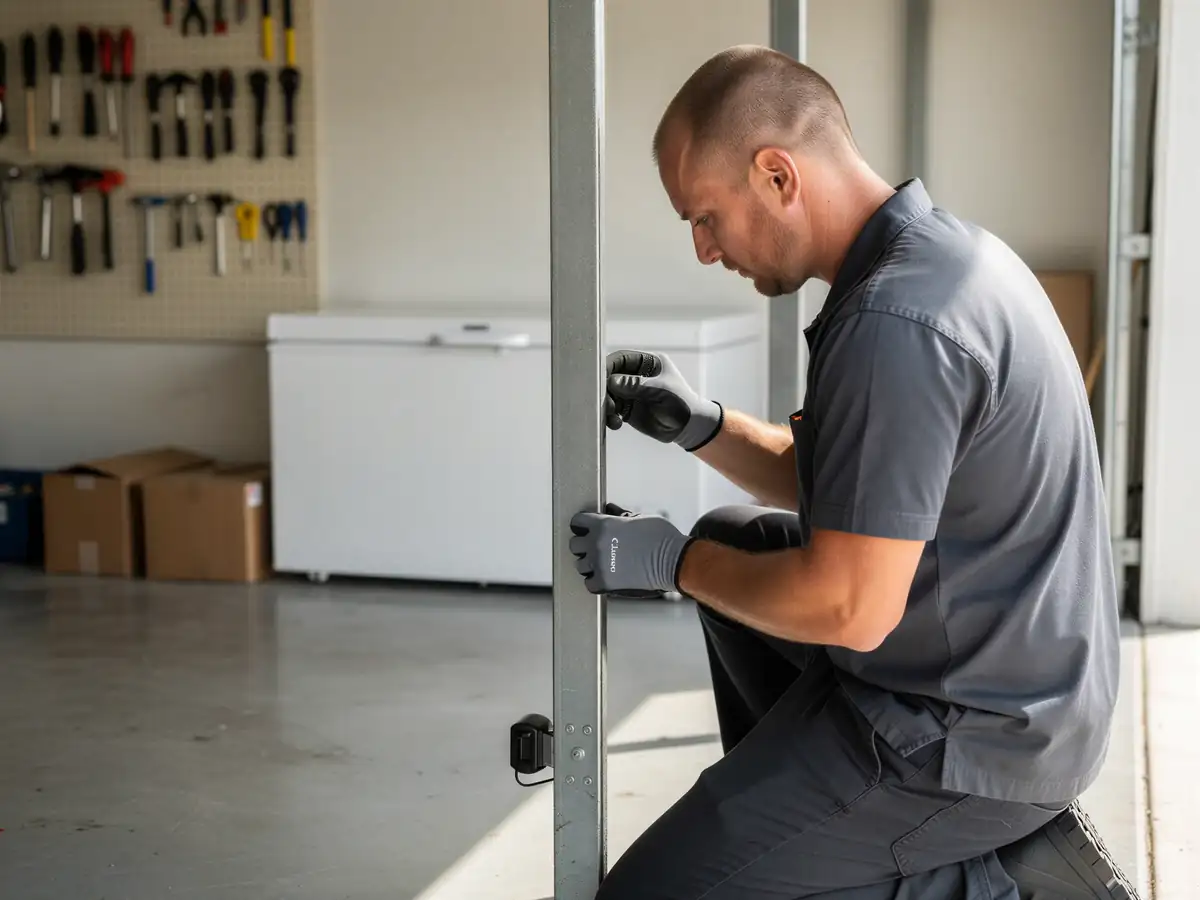
The other place it goes wrong is track condition. On a door this old, the vertical track has usually taken decades of the same worn roller dragging through it, which leaves a groove. Drop a smooth new roller into a grooved track and it still rattles - the fix isn't the roller, it's the track, and that's a different job with a different cost. We'll tell you straight if that's what's needed rather than swap rollers and send you on your way with the same noise six months later.
What Is on the Truck
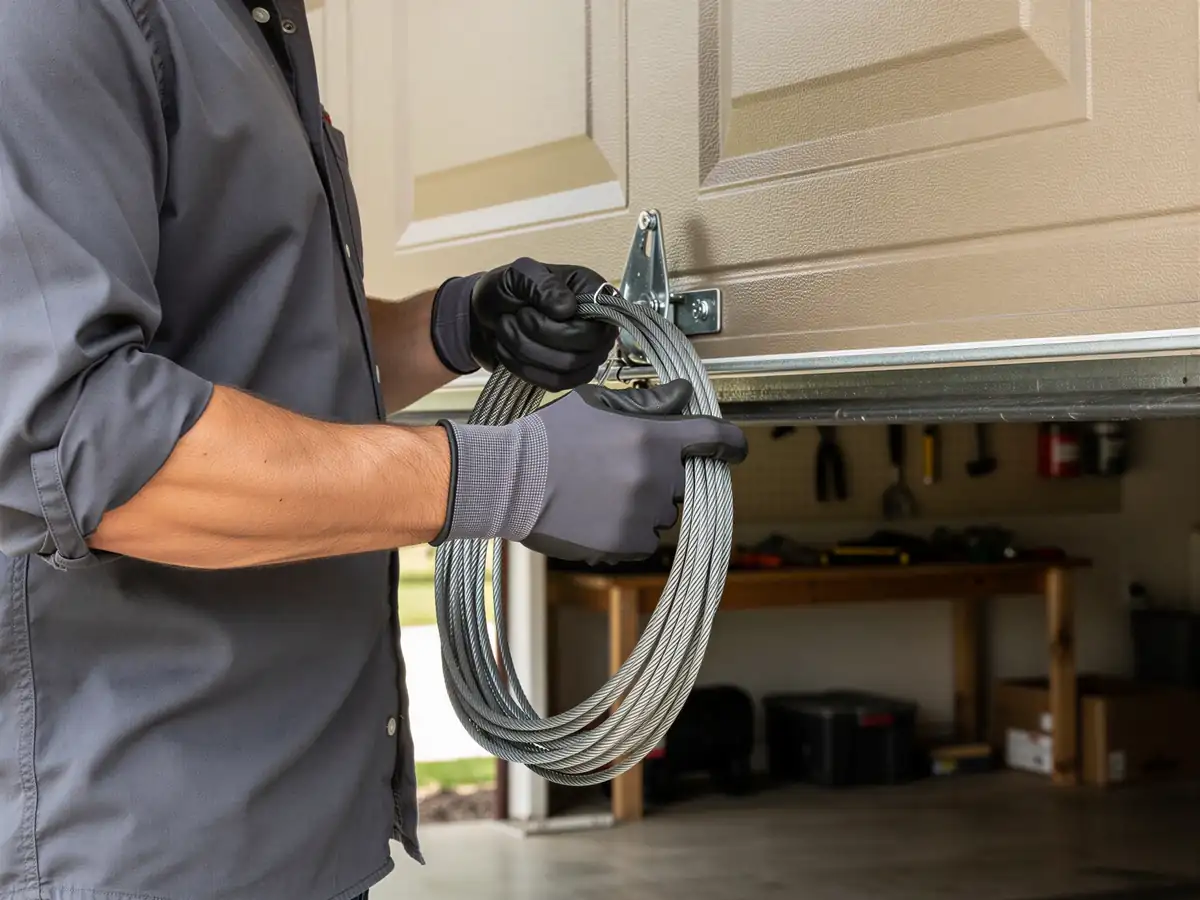
For this kind of call the truck carries both sealed-bearing nylon rollers in the common stem lengths and steel rollers for doors where nylon isn't a fit - some older track profiles need the steel wheel's narrower flange to ride correctly. We also carry the brackets and short stems that older hardware sometimes needs, since a bracket from a 1938 install doesn't always match what's sold today.
The honest limit: we don't carry every stem length and bracket style that shows up on houses this old. If your hardware is a style we don't stock, that part gets ordered and the job becomes a two-visit repair rather than a one-trip fix. We'd rather tell you that up front than pretend the standard kit fits every bracket in a town built in the 1930s.