How It Shows Up
Median household income in Kinderhook runs around $59,500, a notch below the $61,139 figure for the wider service area. That number matters more than it sounds like it should, because it sets where the repair-or-replace line falls. A broken torsion spring, a cracked roller, a sensor knocked out of alignment - those are jobs worth fixing on almost any budget. A door that's rusted through on both ends of the track, or a panel section that's delaminated from forty years of freeze-thaw, starts pushing toward a point where a new door costs less over five years than patching the old one twice. At this income level, most homeowners we talk to want that math laid out plainly before they commit to either path, not after.
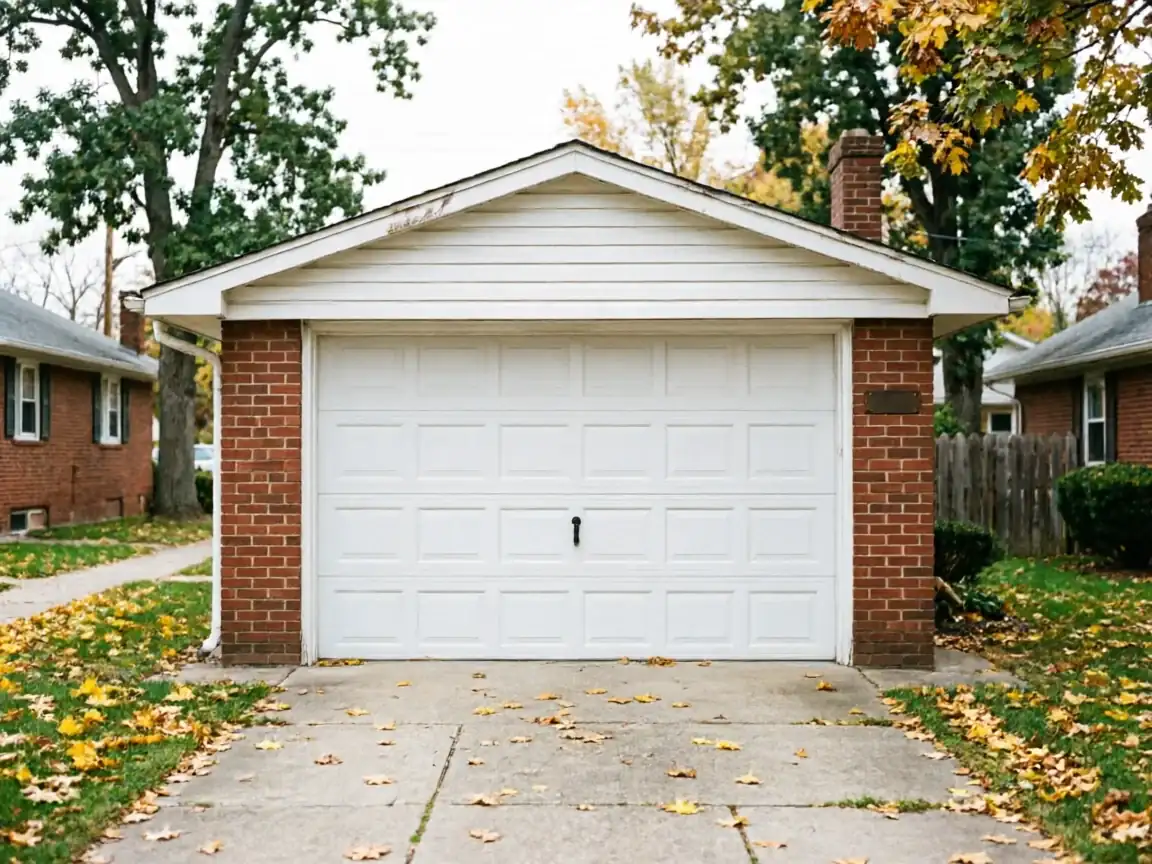
The housing stock backs this up. Some of the oldest homes in Kinderhook date to 1938, well ahead of the 1964 median for the broader area, which means a handful of doors out here are running original or near-original hardware that nobody manufactures anymore.
How to Book
Kinderhook doesn't have a Quincy Garage Door Pros truck stationed in town - we run out of Quincy, about 20 miles away, and that drive is baked into how we schedule the day rather than hidden from you. When you call, tell us what the door is doing (won't open, grinding, off the track, opener clicking but not moving) and we'll tell you honestly whether it sounds like a same-visit fix or something that needs a part ordered first.
Because the trip out is longer than an in-town call, it helps to batch what you can: if the opener's been acting up and a panel's dented, mention both when you call instead of booking two separate visits. For general service-area information and the other towns we cover on the way out here, see our service area page. For the full rundown of what we do as a company, our Quincy repair page covers that ground - this page is just about the Kinderhook side of it.
Why This Fails Locally
Kinderhook sits inside a service area where housing mostly went up between 1938 and 1969, median 1964, across four named pockets of similar-age construction
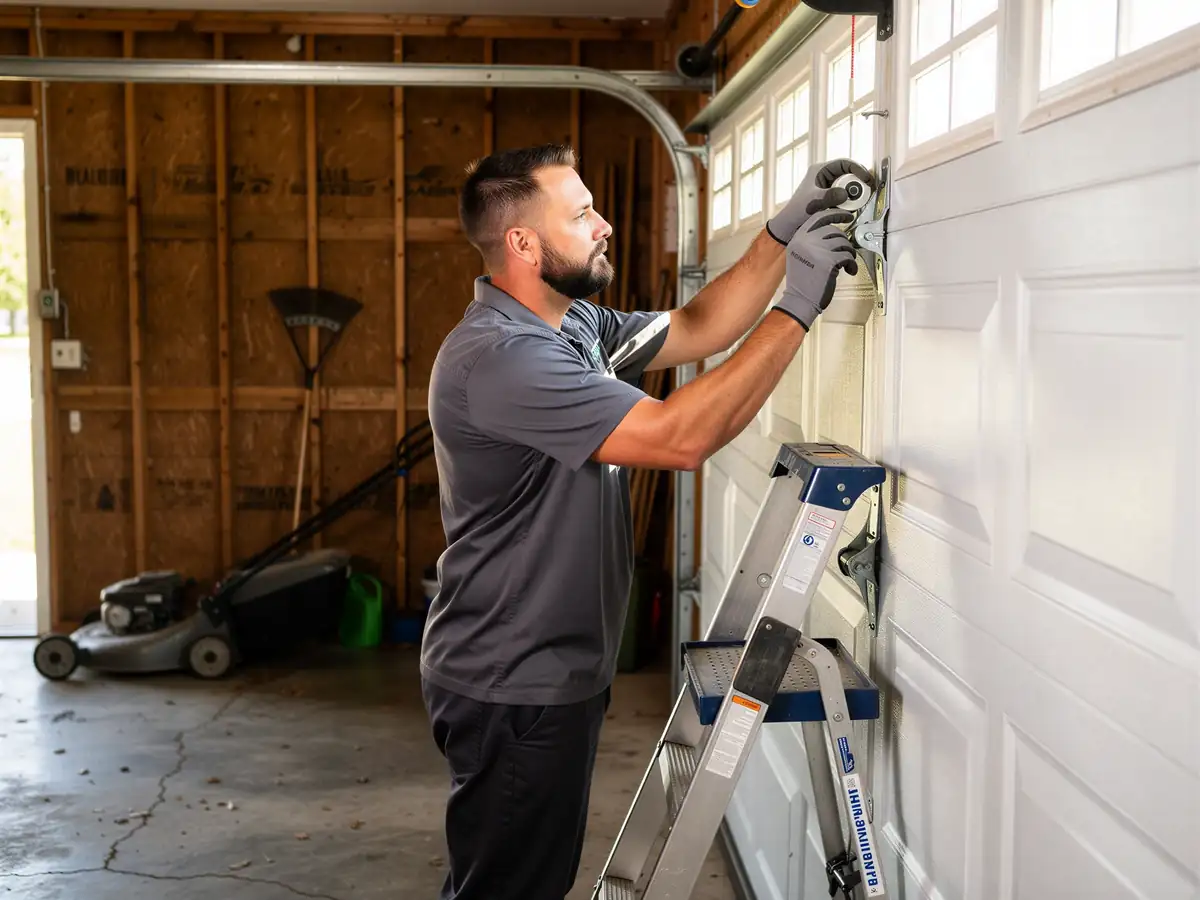
That band of construction years means a real mix of door types: steel sectional doors from later remodels sitting next to older wood or early steel doors still running the torsion or extension spring setups that were standard when the house was built. Those older setups weren't built to today's spring cycle ratings, and the brackets and drums often don't match what's on a current parts truck without a lookup first.
The climate band here is cold-moderate
And that matters for a door built in 1938 more than one built in 2005. Original steel thins and pits over decades of winter condensation inside an unheated garage, and old wood jambs swell and shrink enough that a track bolted to them slowly walks out of plumb. None of that shows up as a dramatic failure - it shows up as a door that's gotten a little harder to lift every year until one day a cable finally lets go.
Where This Job Goes Sideways
With roughly 84 households in Kinderhook, this isn't a street where a tech sees the same door model every week the way he might on a newer subdivision loop closer to Quincy. That's the honest limitation: if your door is one of the older originals, there's a real chance the exact spring, roller size, or hinge pattern isn't sitting on the truck, and it has to be ordered before the second visit instead of finished in one trip.
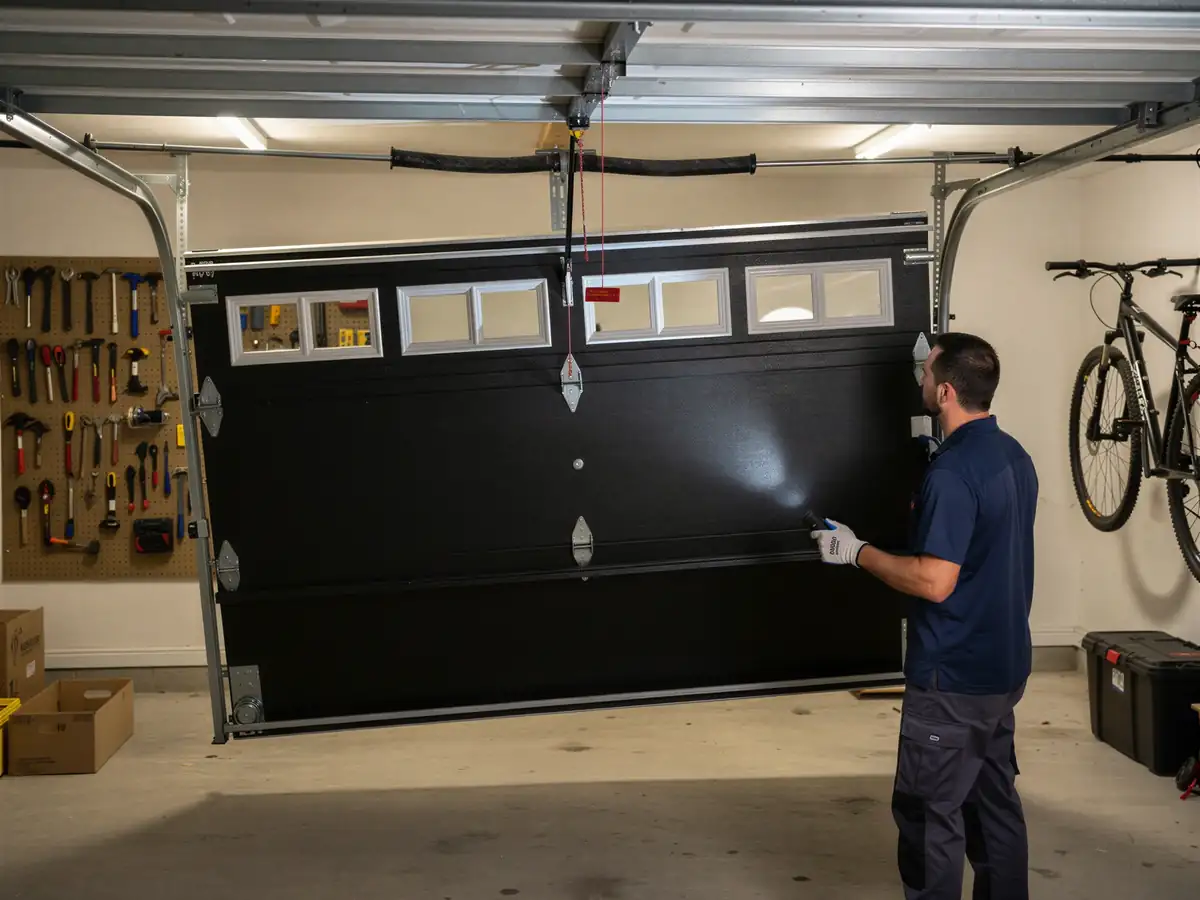
The other place this goes sideways is scope creep on an old door. You call about a noisy roller, and once the door's open the tech finds the bottom panel is rotted through from the inside, or the torsion bar is rated for a door ten pounds lighter than what's hanging off it now. We'd rather tell you that on the spot than quote the small fix and have it fail again in a month. For a door built when FDR was in office, a repair sometimes buys you a year, not ten, and we won't pretend otherwise just to get the small job.
What Is on the Truck
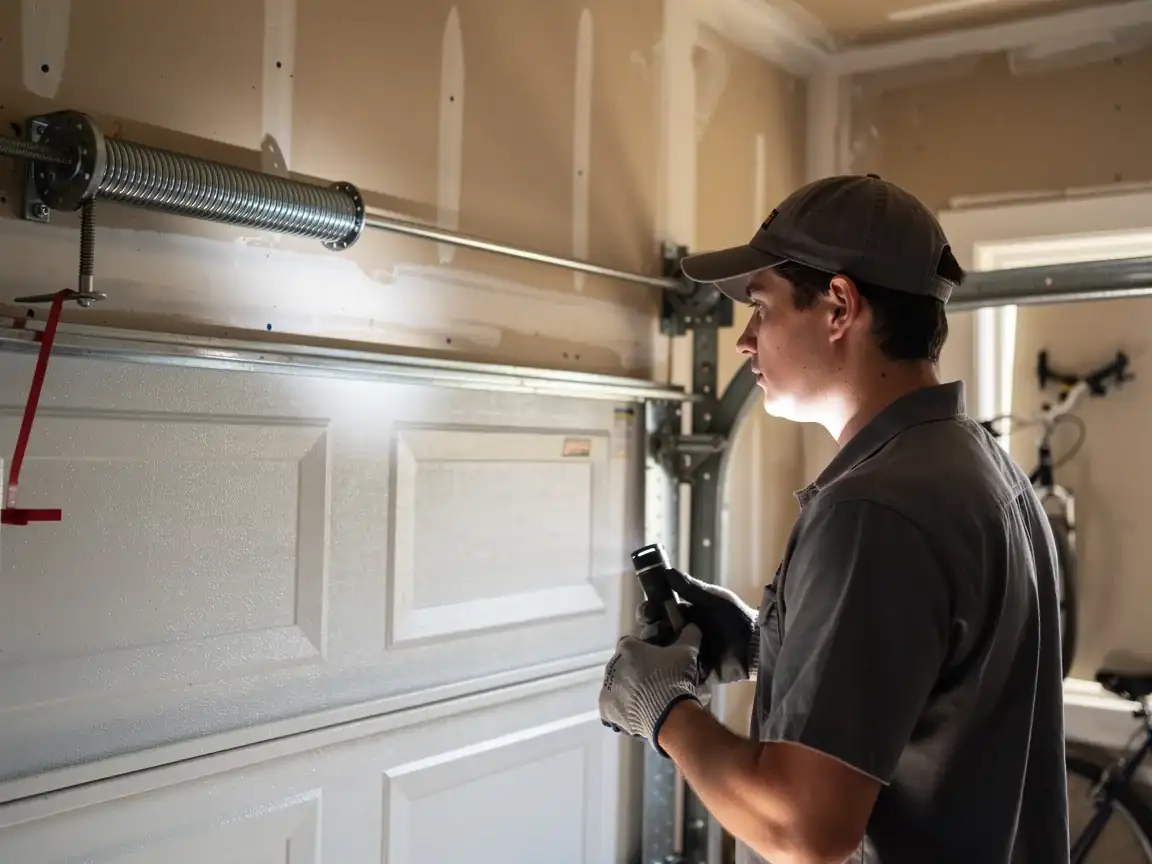
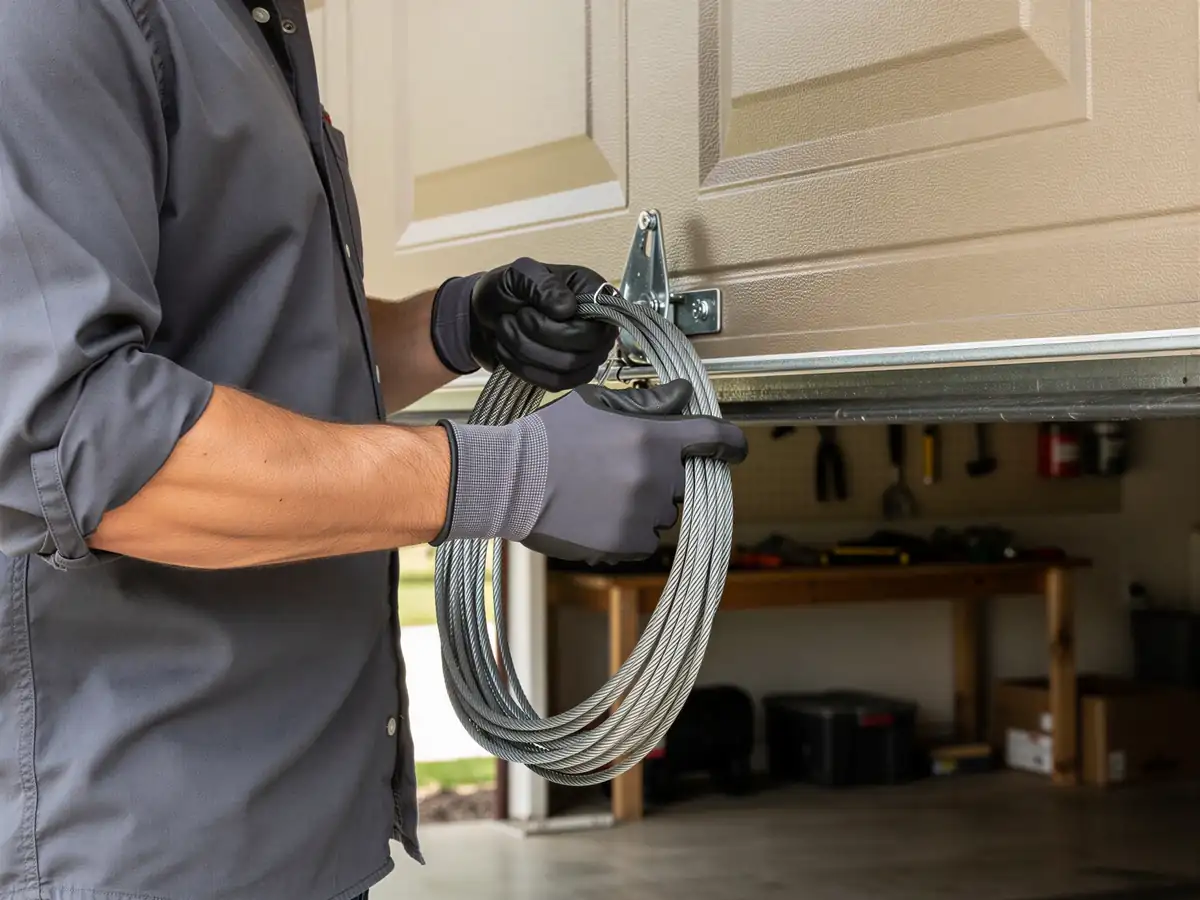
Standard stock covers the spring and cable work that makes up most calls: torsion and extension springs in common residential ratings, cables, rollers, hinges, and openers suited to the cold-moderate climate band this whole area sits in, since lubricants and seals rated for mild winters tend to stiffen up out here. Sensors, remotes, and the small hardware - end bearings, drums, strut reinforcement - round out what's carried routinely.
What isn't routinely on the truck is anything sized for a door built to 1938-era dimensions or running obsolete track hardware; those get measured on site and ordered once we know exactly what we're matching. Owner-occupied houses make up the large majority of the stock across the broader service area, and most of what we replace is wear parts on doors that are otherwise sound - full door replacement is the exception call, not the common one.