How It Shows Up
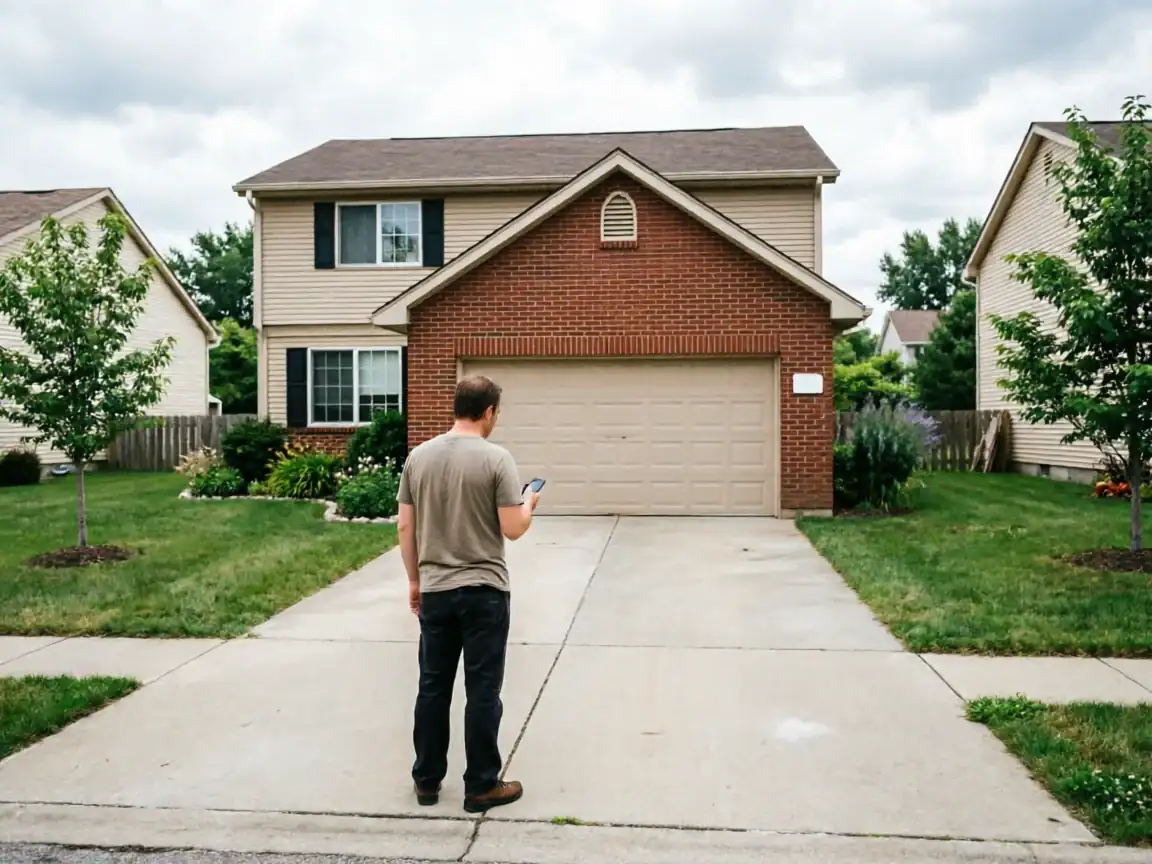
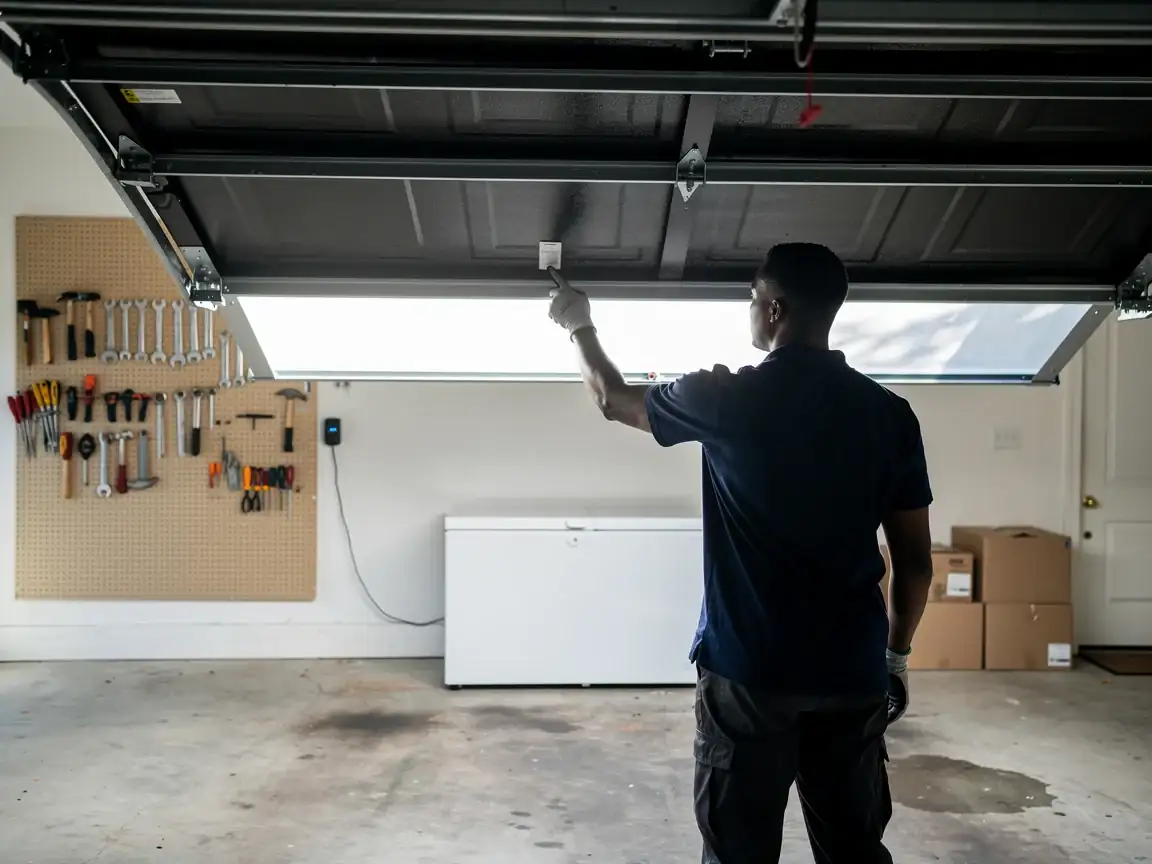
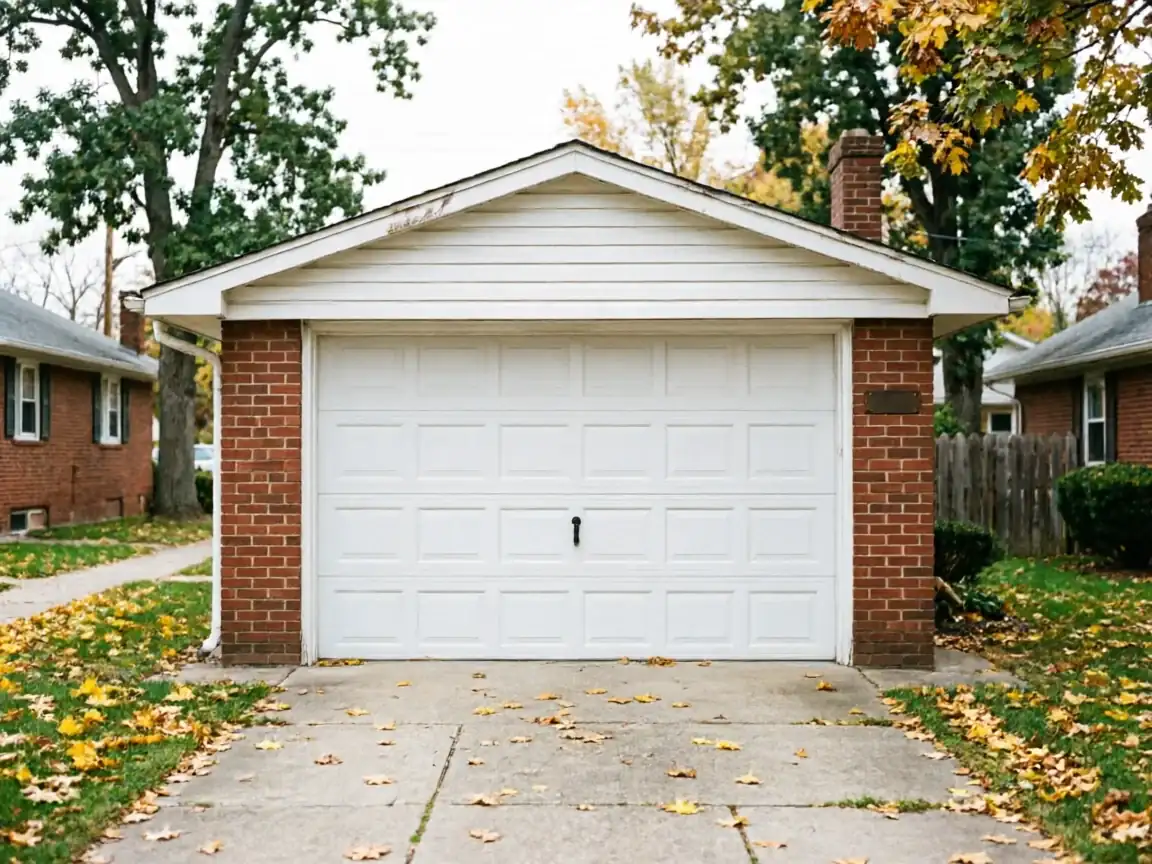
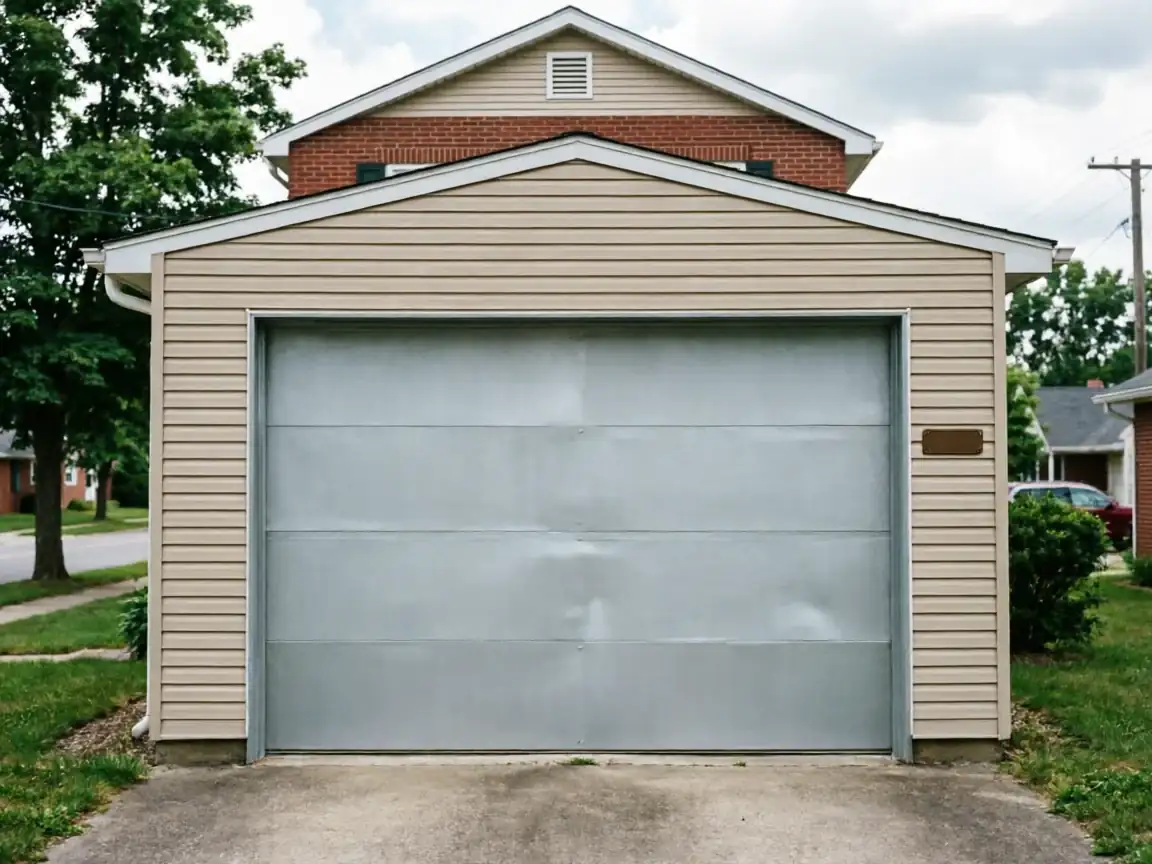
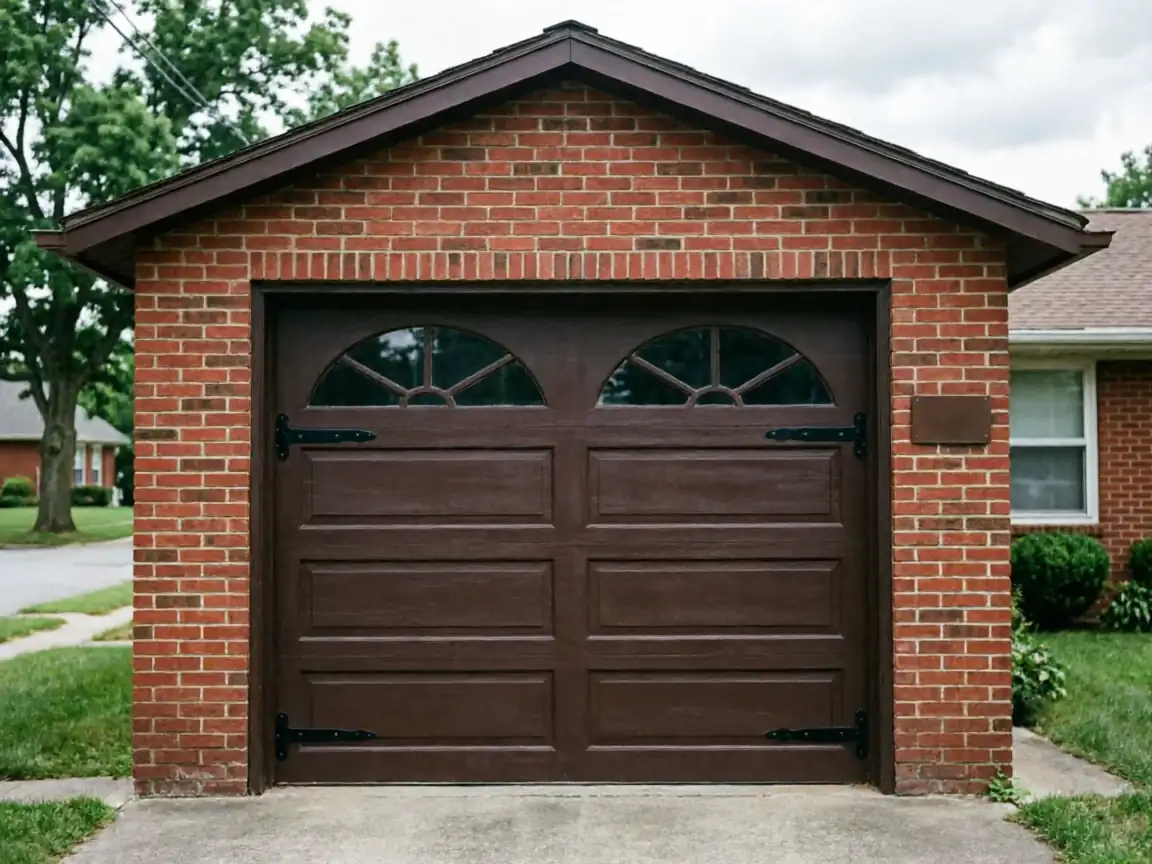
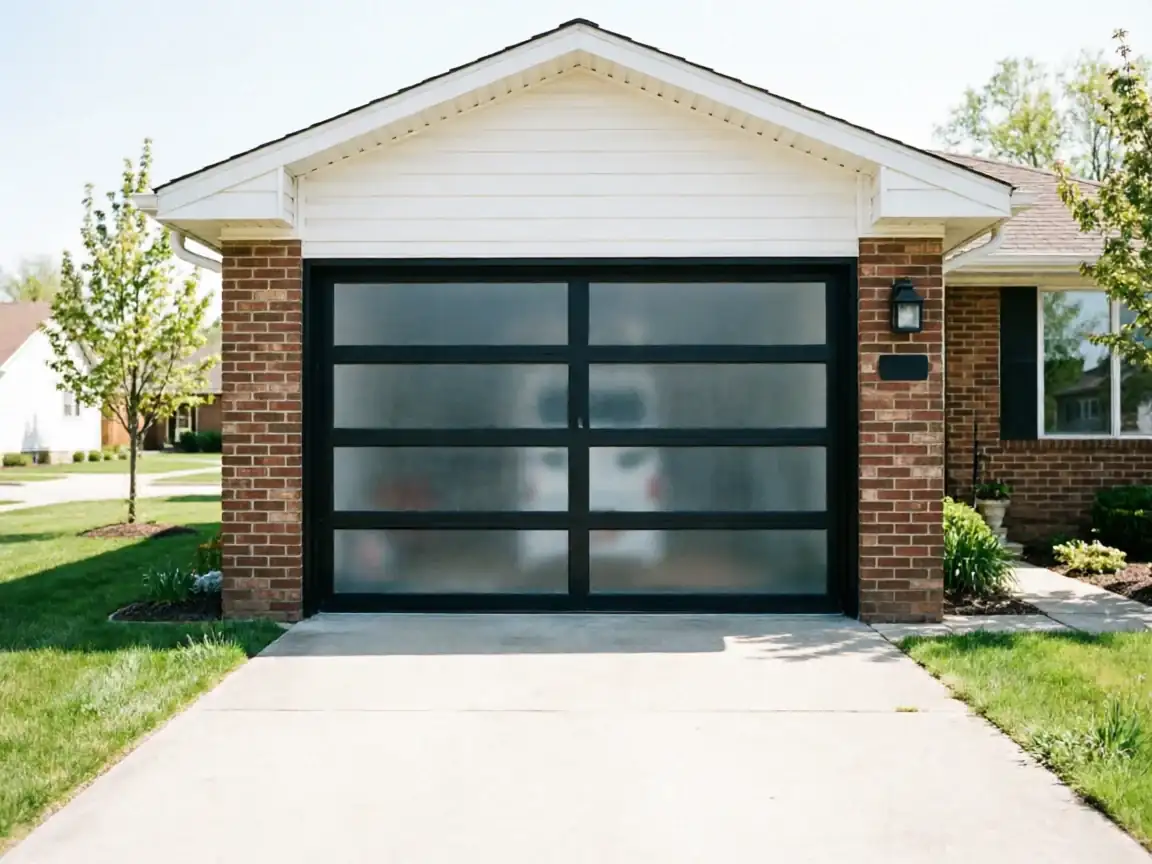
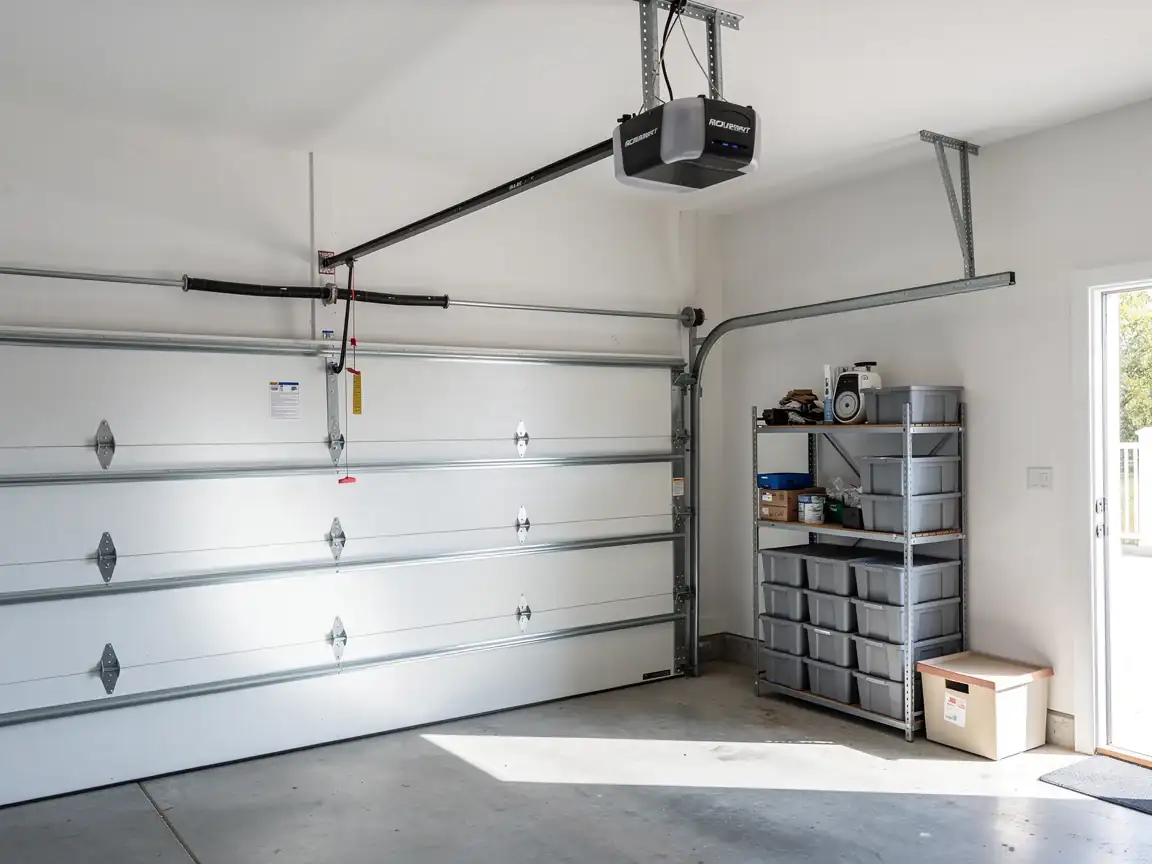
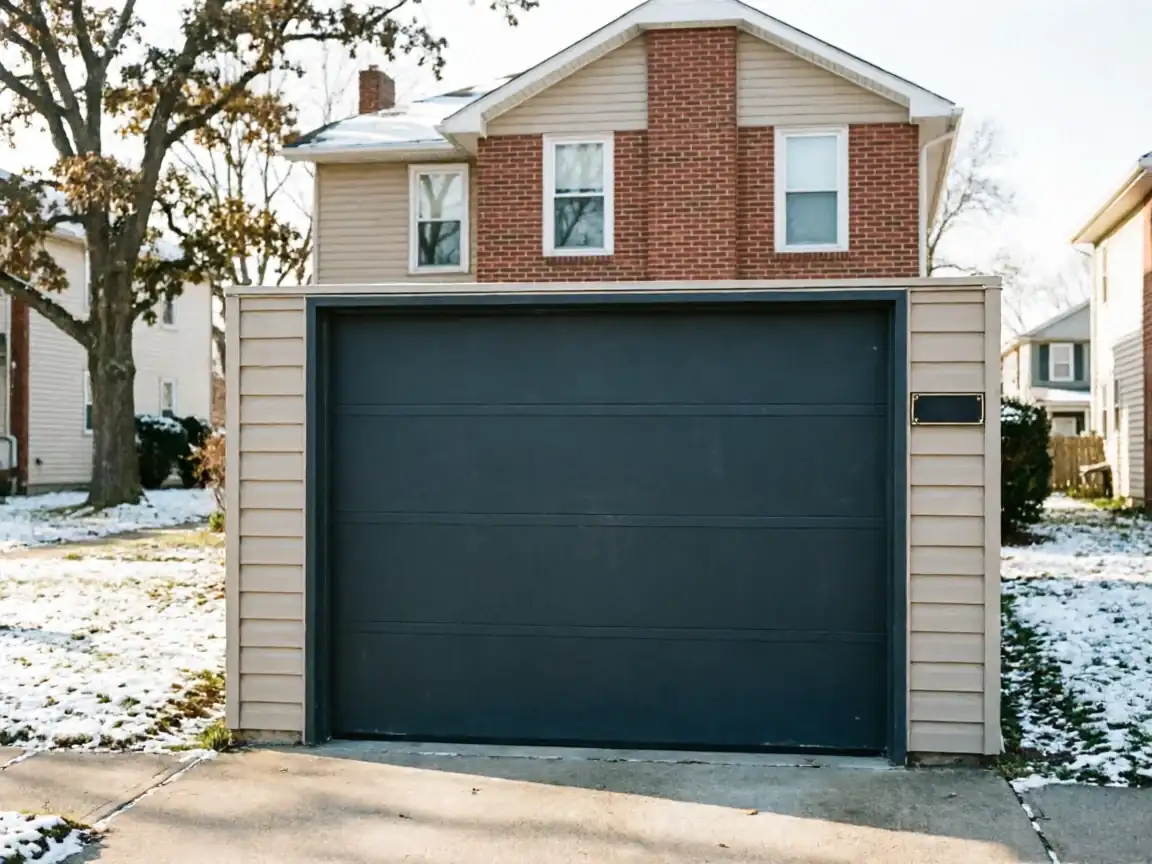
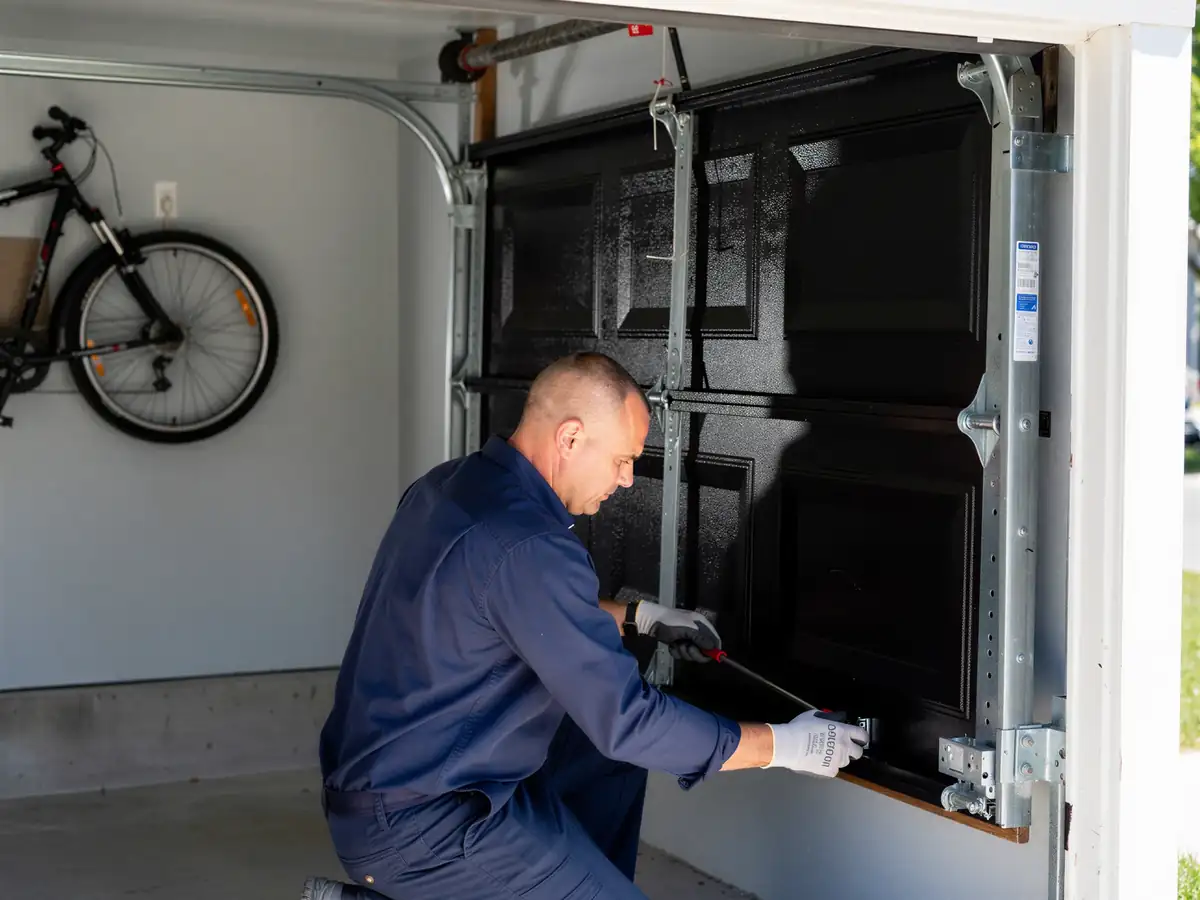
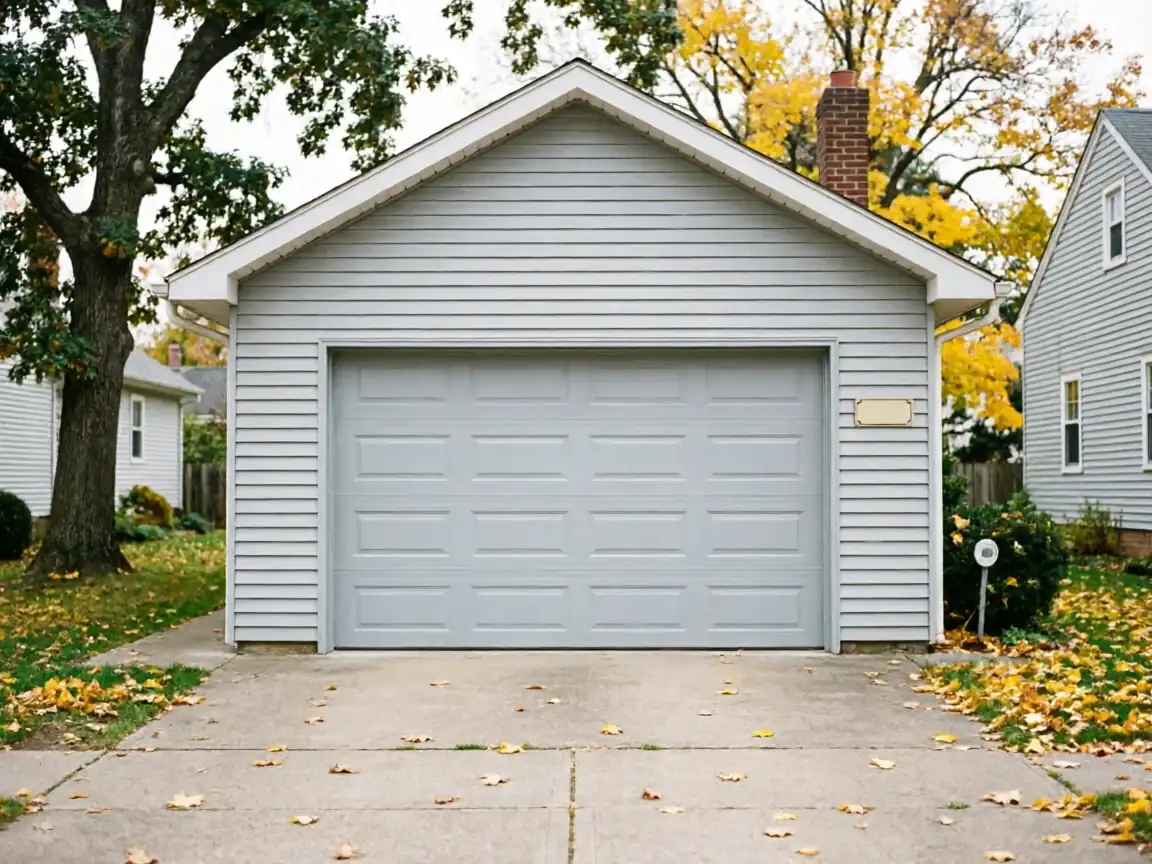
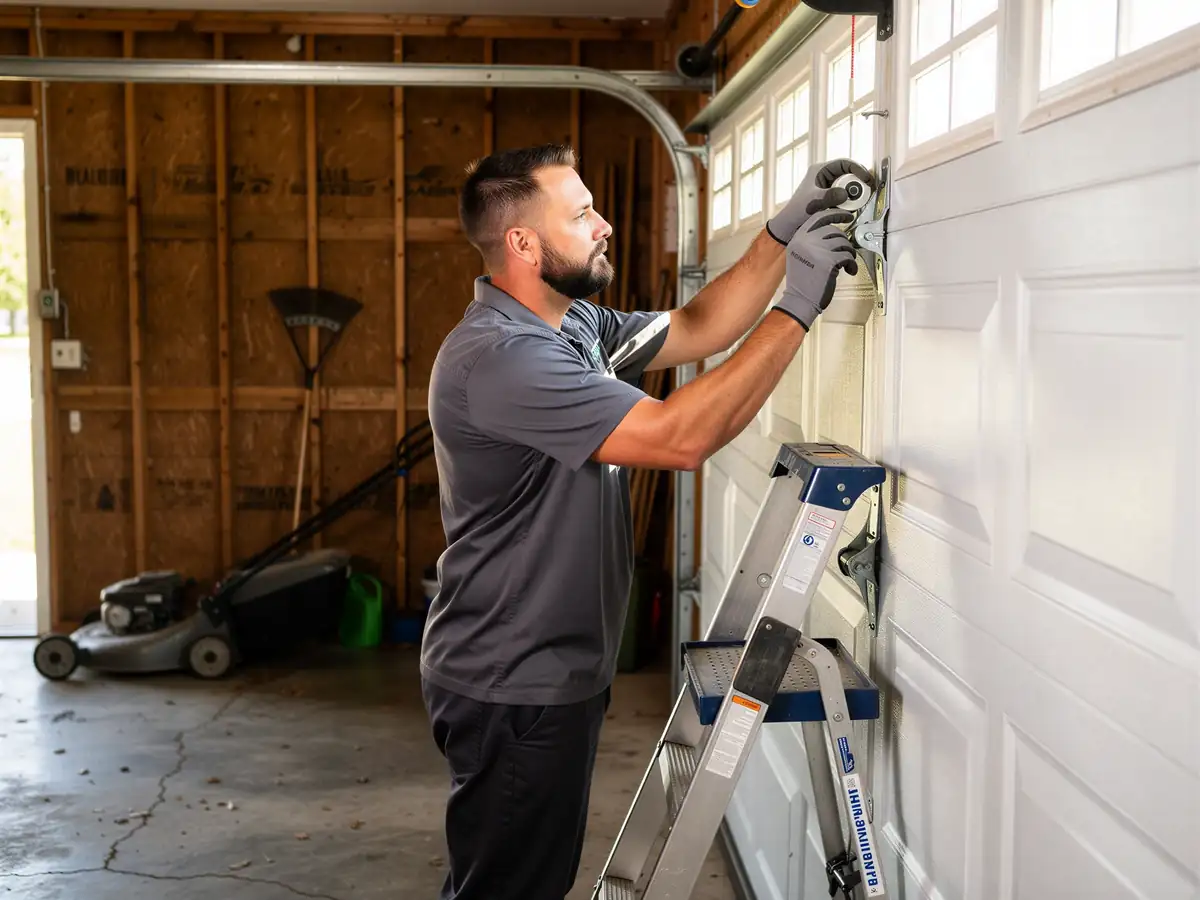
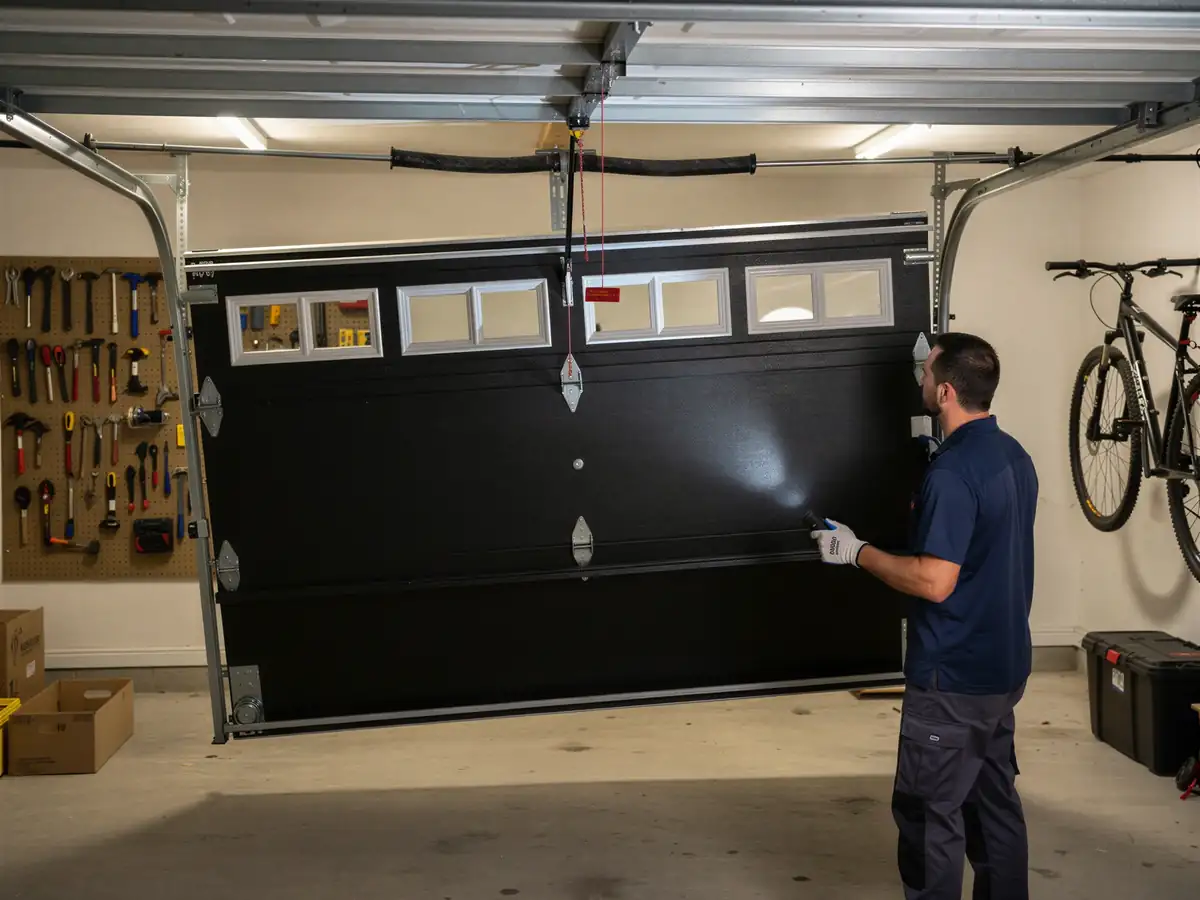
In Kinderhook, the complaint is usually the same: the door comes down crooked, one side low, and it either stops dead or pops a roller clean out of the track. With a median year built of 1938, a lot of these garages predate the detached-garage boom that defined the area's housing stock through the 1960s. That means the track brackets were often lag-bolted into framing that's had eight decades to move, dry out, and shift with the seasons. A door that's been running fine for years can start walking off true once a bracket backs out a quarter inch. You'll also see it after a hard freeze-thaw cycle, which this climate band gets plenty of - the slab shifts a hair, the track goes out of plumb, and the rollers start fighting it every time the door runs.
How to Book
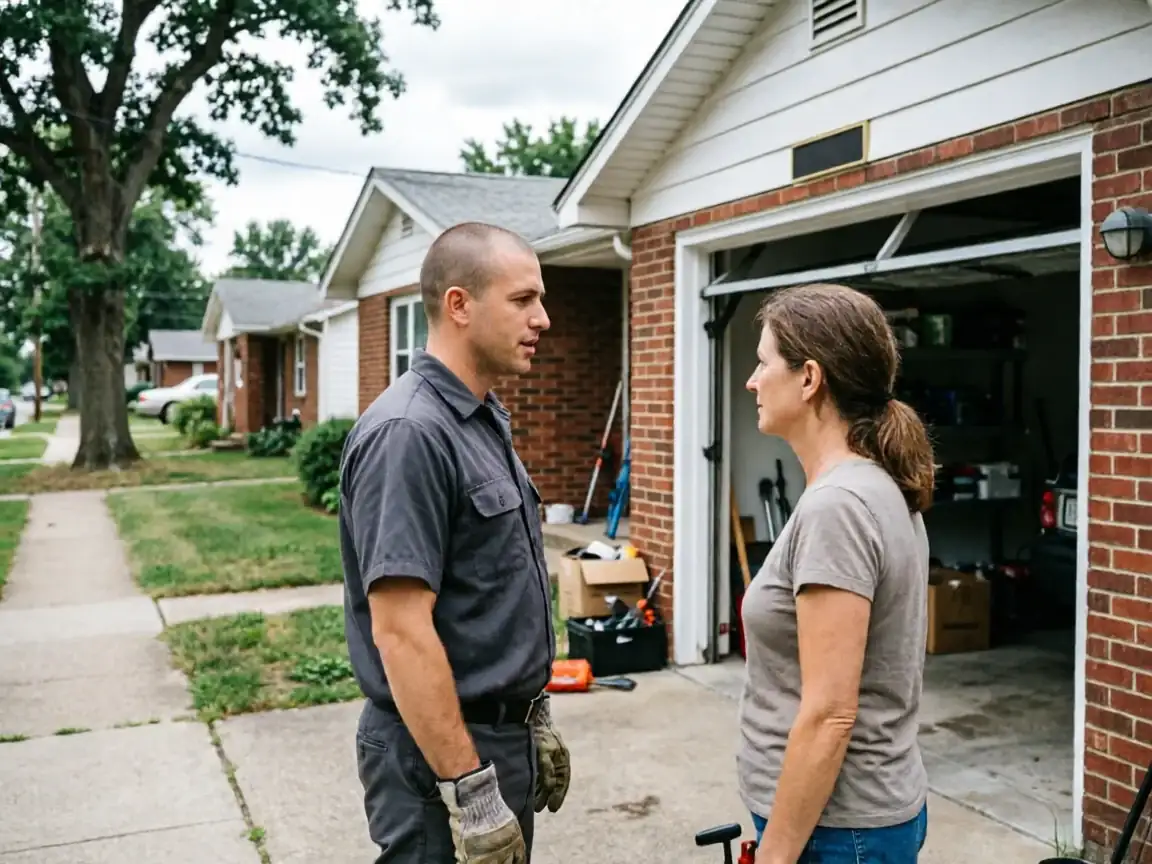
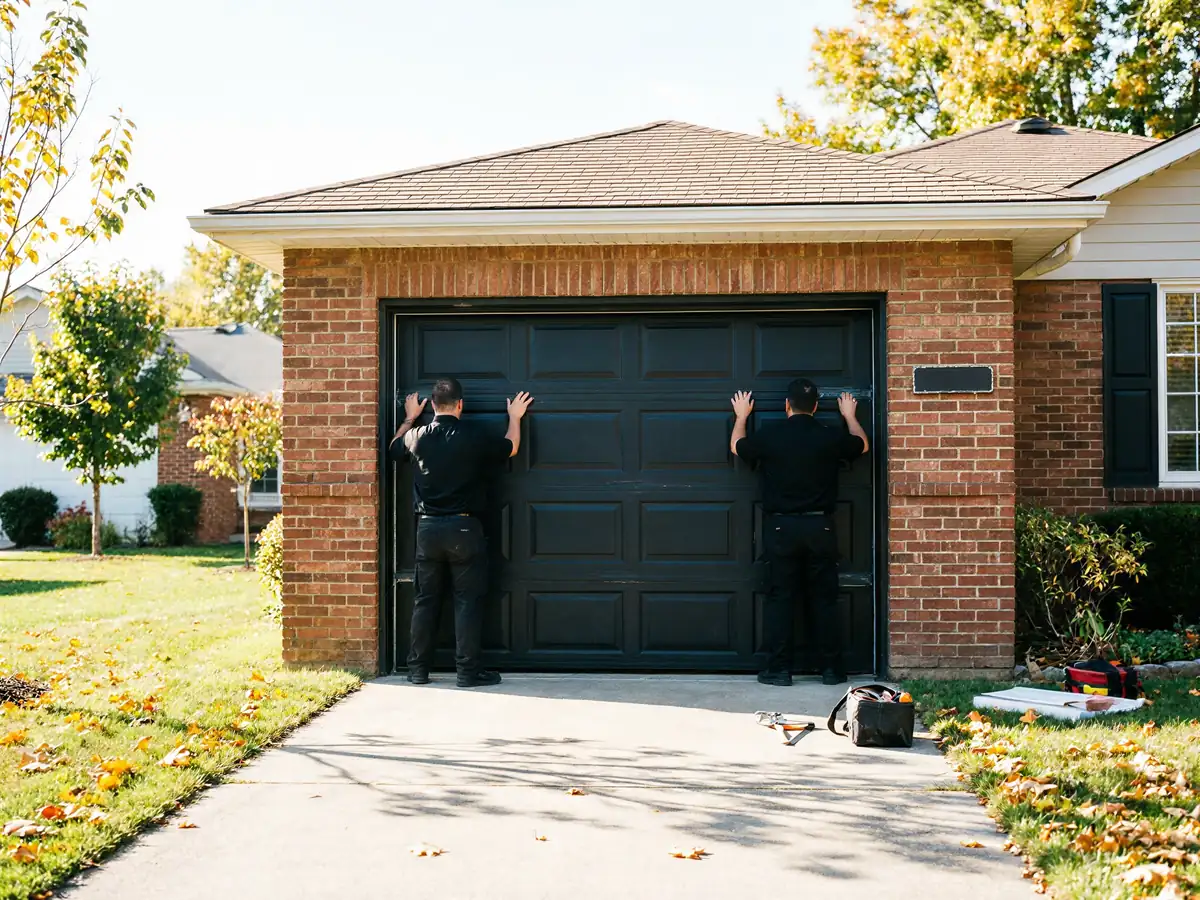
There's no branch or depot in Kinderhook - the truck comes out from Quincy, about 20 miles each way. That distance is worth knowing up front because it means this isn't a job you call in and expect inside the hour the way you might closer to the shop. Have the door's make and approximate age ready when you call, along with whether it's jumped the track on one side or both, since that changes what gets loaded before the drive out. You can see the areas covered from Quincy at /near/kinderhook/. If the door is still partly on its track and you can get it to stop moving, leave it - running a door that's already off true tends to turn a bracket fix into a track replacement.
Where This Job Goes Sideways
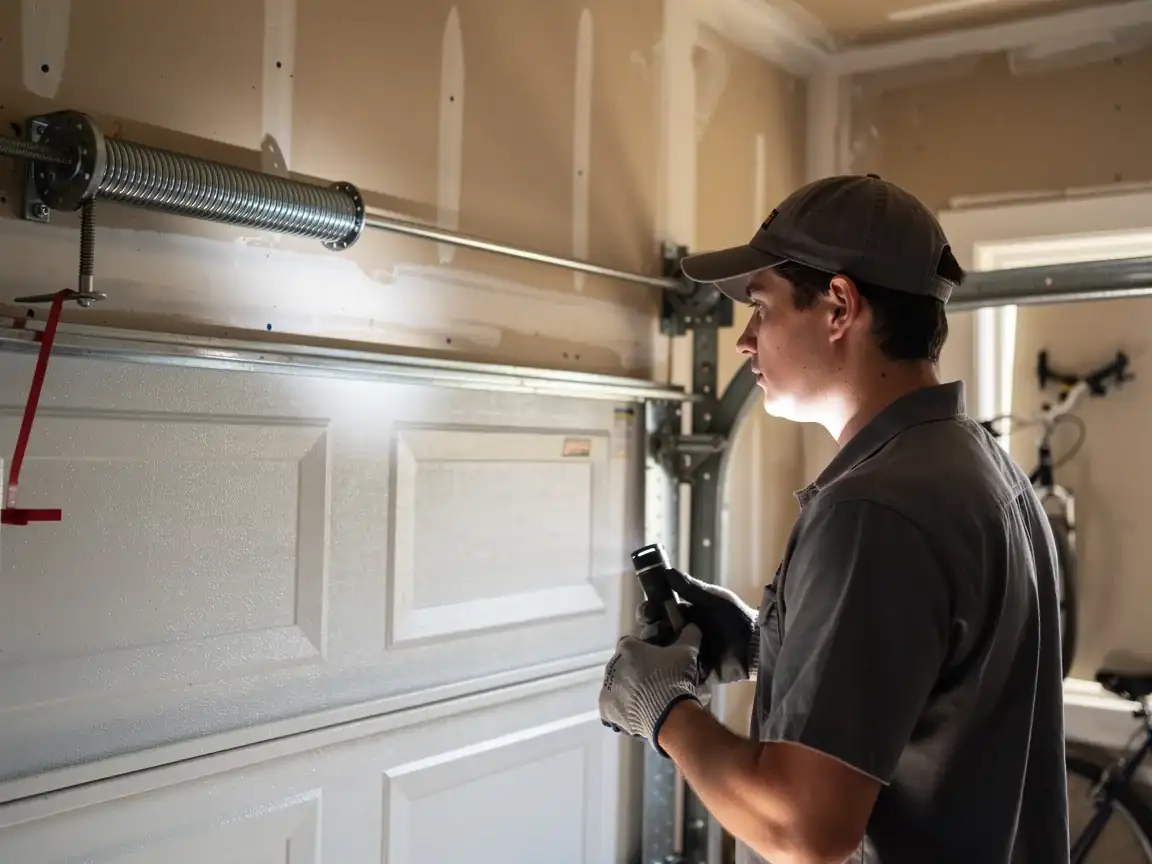
Realigning a track is straightforward when the rail itself is straight and the brackets just need re-seating. It stops being straightforward when the rail is bent - which happens more often on older Kinderhook garages where the track has been nudged out of true slowly, over years, rather than knocked out all at once. A bent rail can't be re-bent reliably; it needs to come out and get replaced. The honest limitation here: if the opening is an odd or discontinued size, which turns up more in housing from the late 1930s than in later stock, matching track or a full panel can mean a wait on parts rather than a same-visit fix. We'll tell you on site if that's the situation instead of forcing a repair that won't hold.
What Is on the Truck
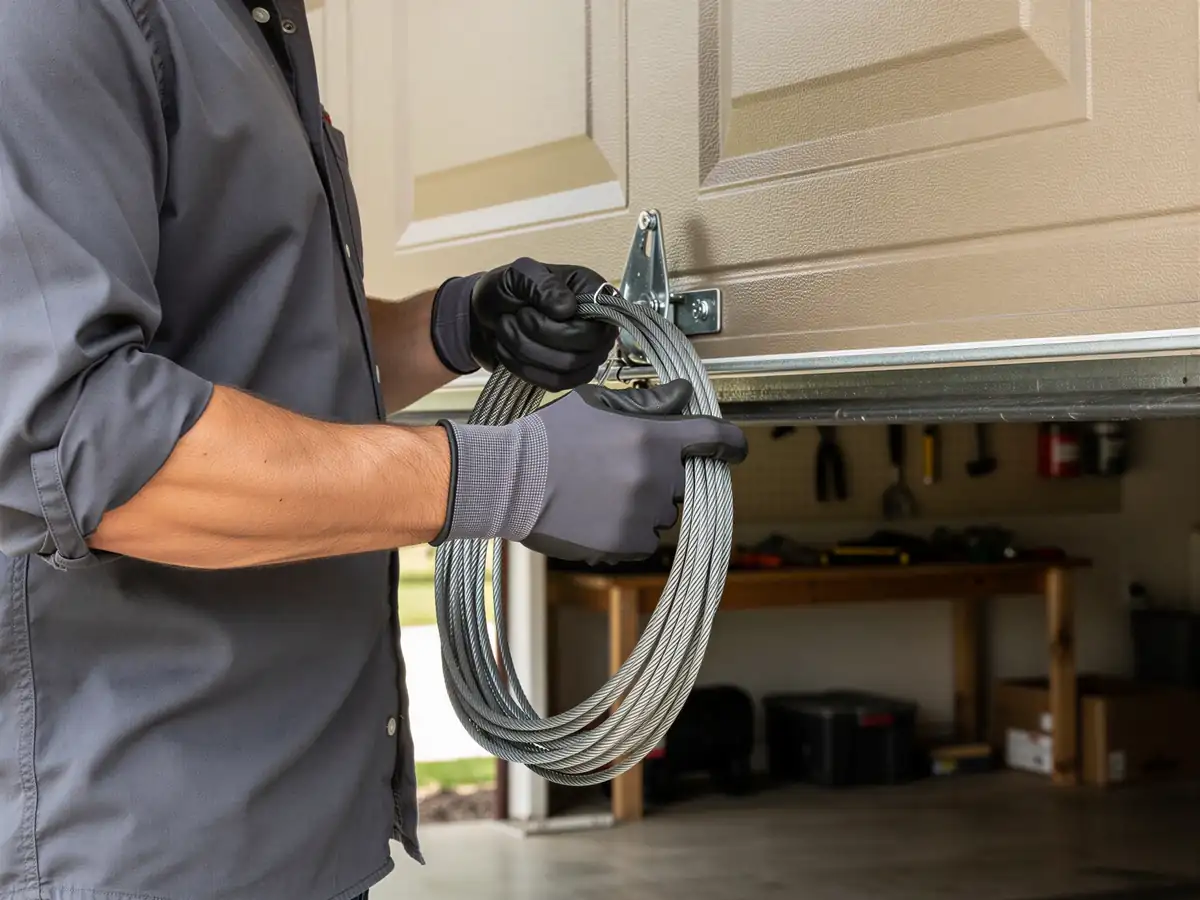
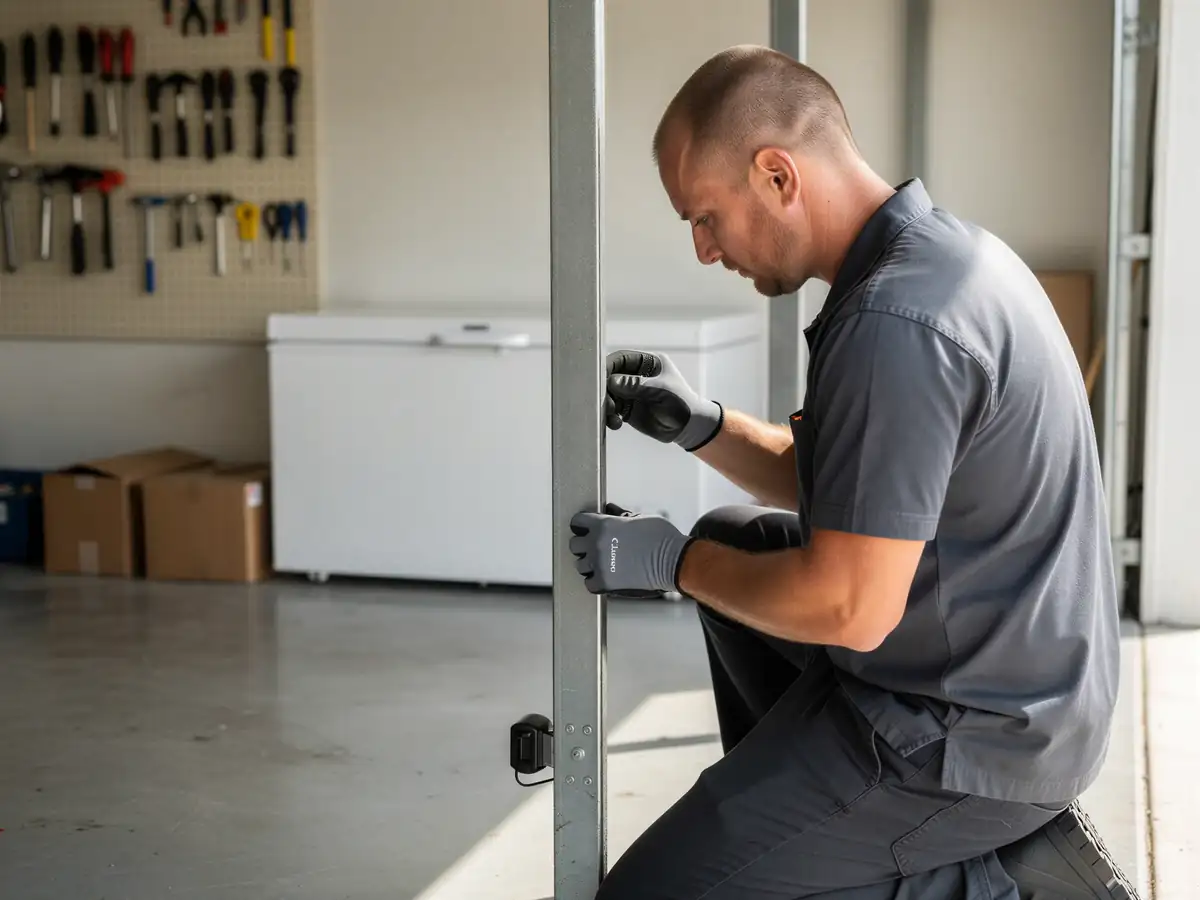
For an off-track call, the truck carries replacement rollers, standard track sections, lag bolts and brackets, levels, and the clamps needed to secure a door safely while the track gets reset - enough to handle most jumped-track jobs on the first visit. What doesn't ride along as standard stock is non-standard track length or panel replacements sized for older, non-current openings, which is more likely to come up on a house dating to 1938 than on newer builds elsewhere in the area. If that's what the door needs, the fix gets scoped on site and the part gets ordered rather than guessed at. Given the 20-mile run from Quincy, getting the diagnosis right on the first trip matters more here than it would on a closer job.