The Cost of This Job
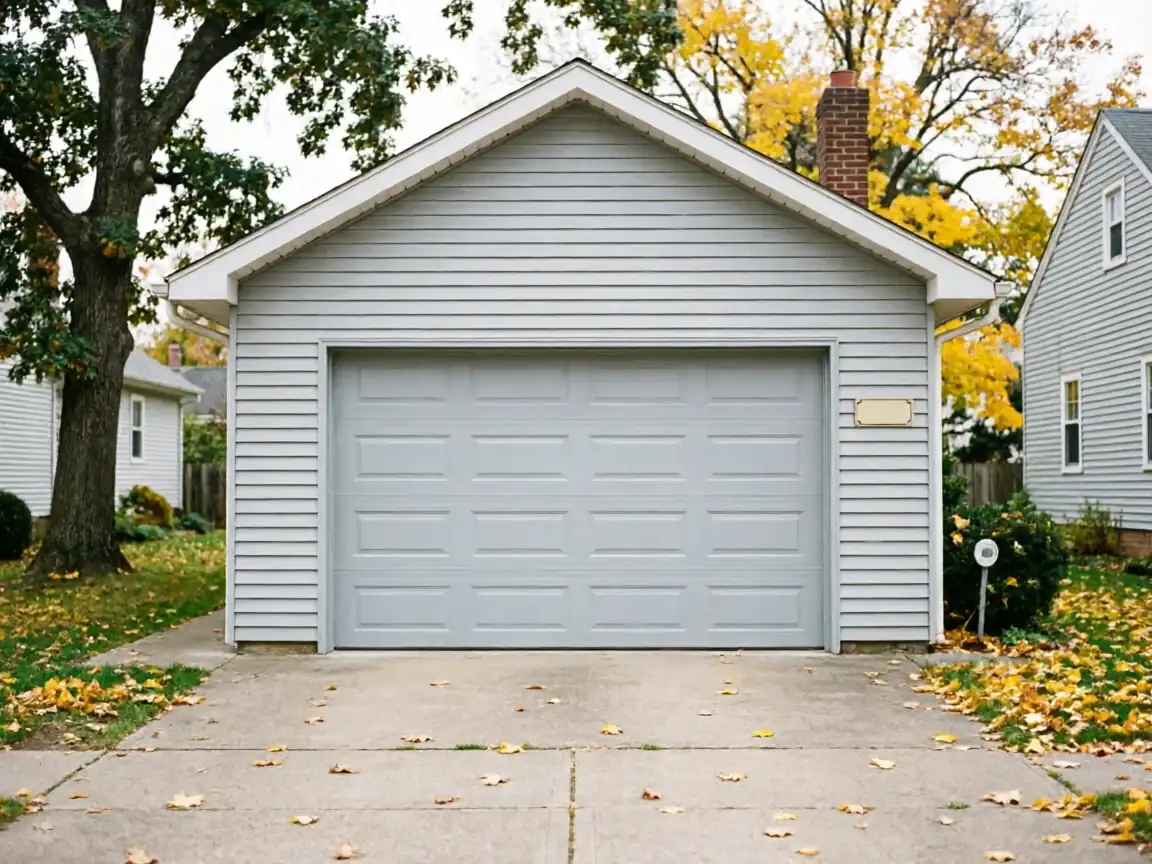
Liberty's housing centers on 1968, a few years past the 1964 median for the rest of the area we cover out of Quincy. That gap matters more than it sounds like it should. Houses built right at the end of the 1960s often got their first opener as an add-on a decade or two later, not as original equipment, so what's hanging in the garage now is rarely the house's first unit - it's already a replacement, sometimes a replacement of a replacement. Cost on a call here usually splits two ways: a worn gear, capacitor, or logic board on a unit that's otherwise fine, or a full swap when the drive mechanism itself is shot and parts for that specific model stopped shipping years ago. We don't guess a price without seeing the unit and the header clearance above it, since garages from this era vary in how much room there is to work with. What we can say is that a repair call costs less than a replacement call, and we'll tell you honestly which one you're looking at before we start pulling the housing apart.
What the Fix Involves
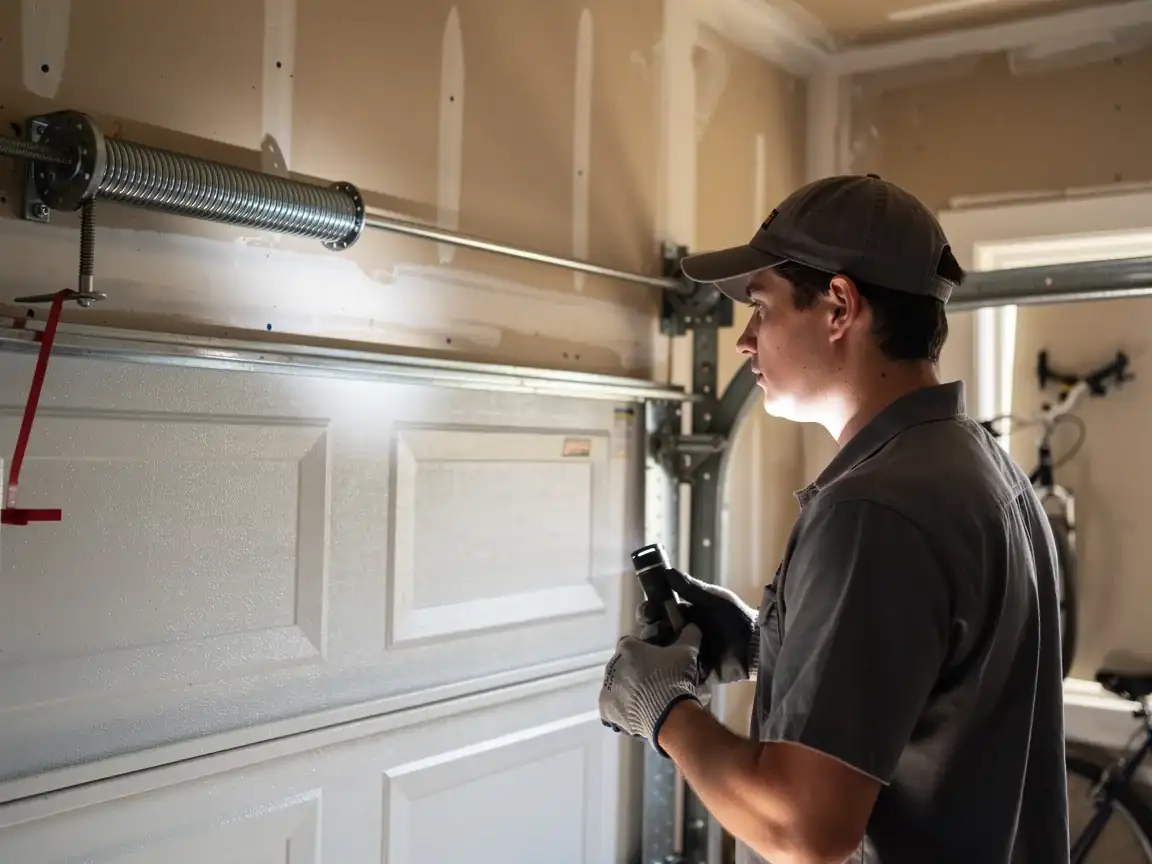
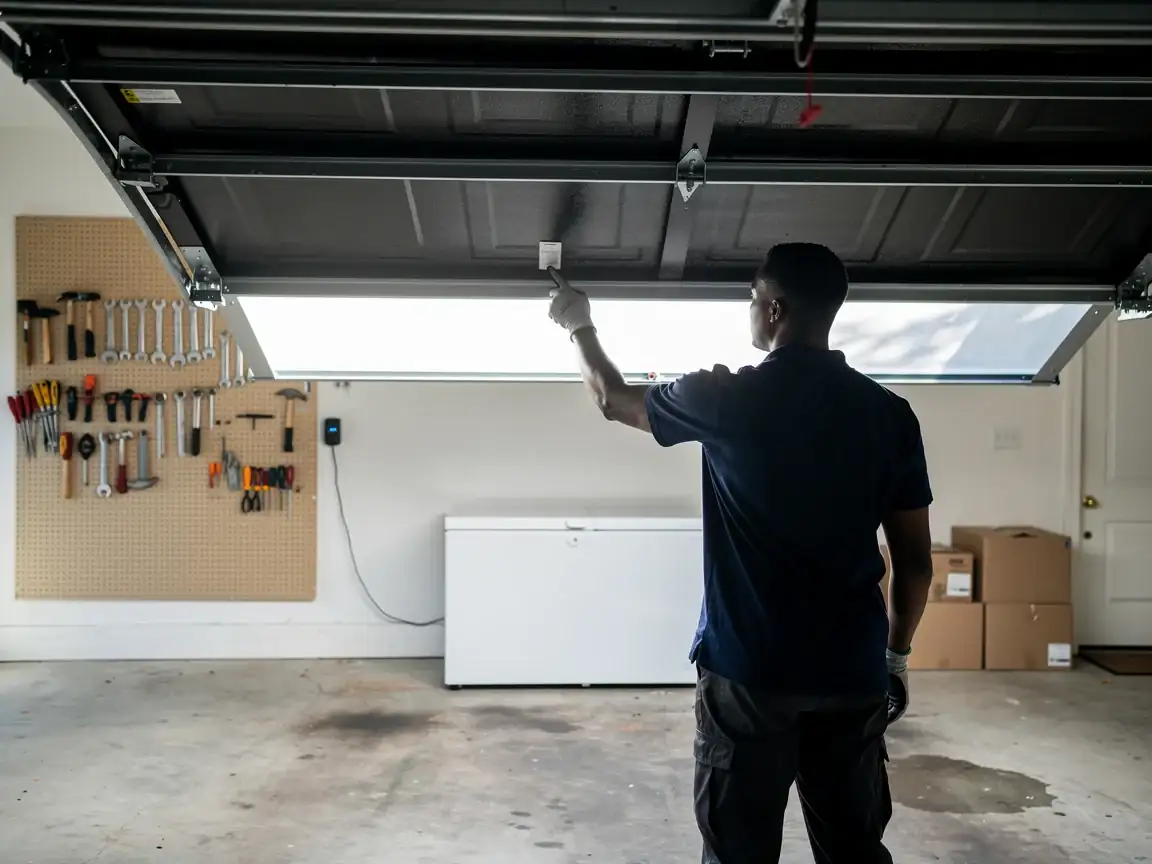
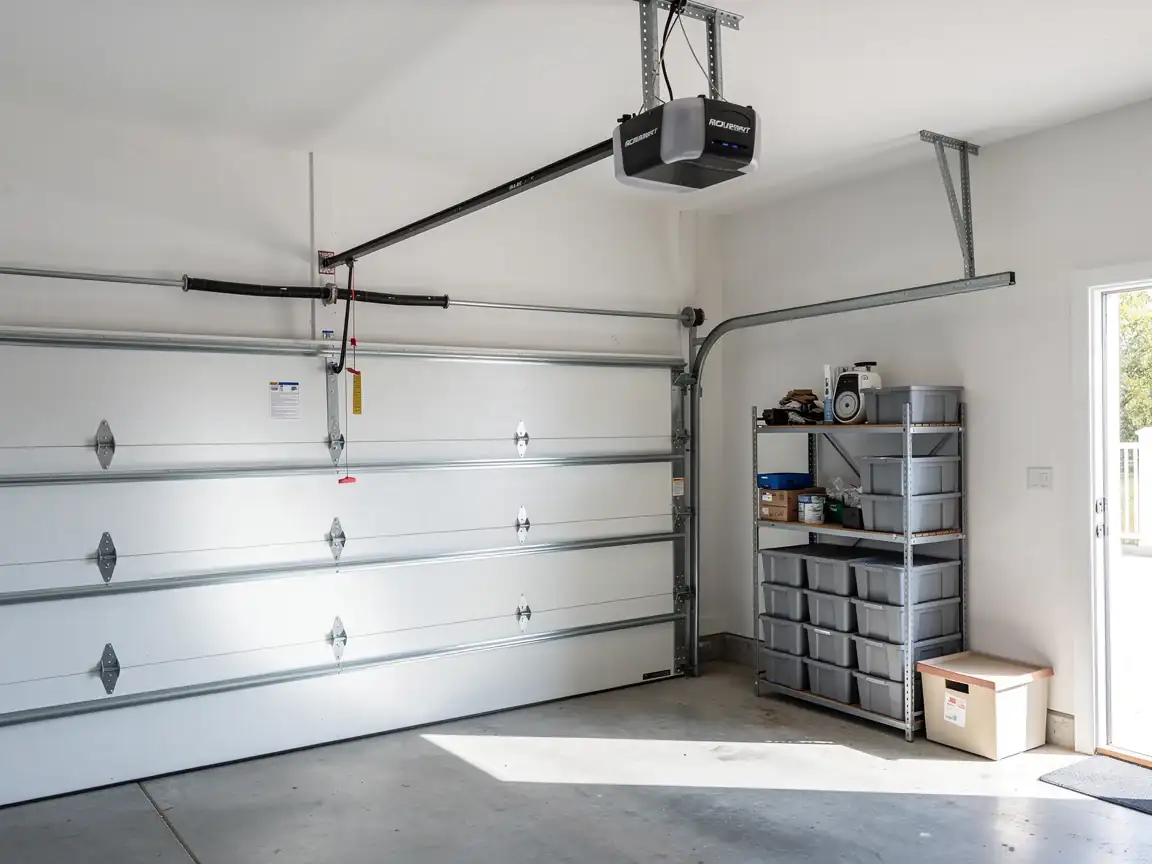
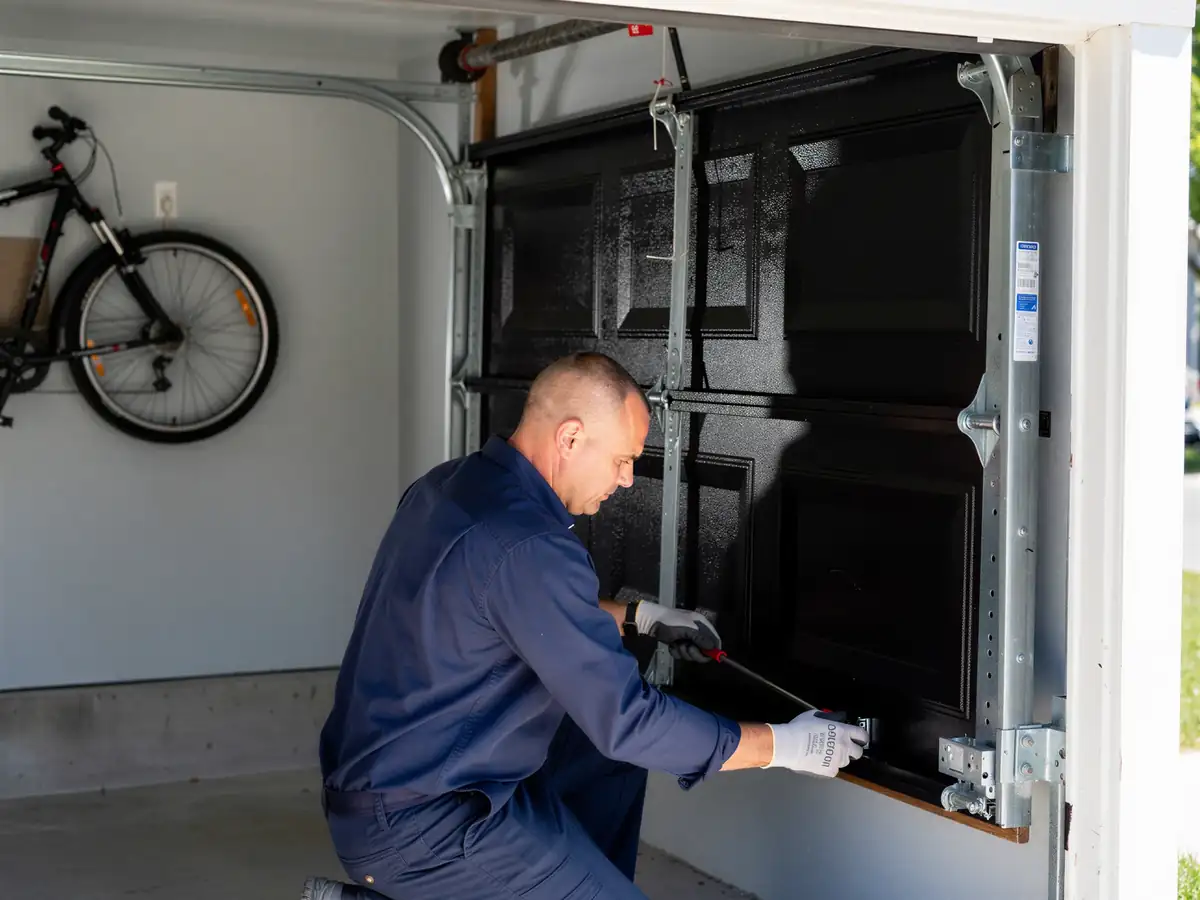
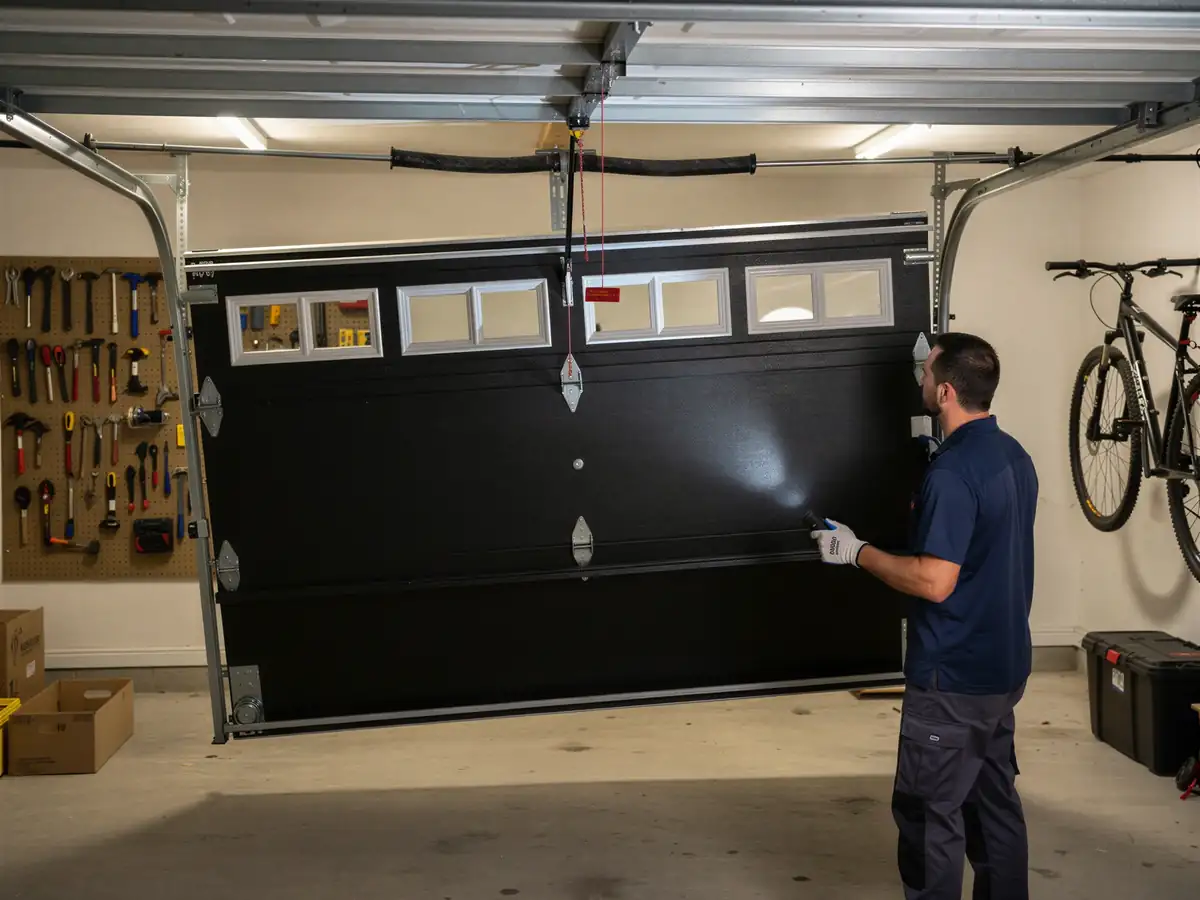
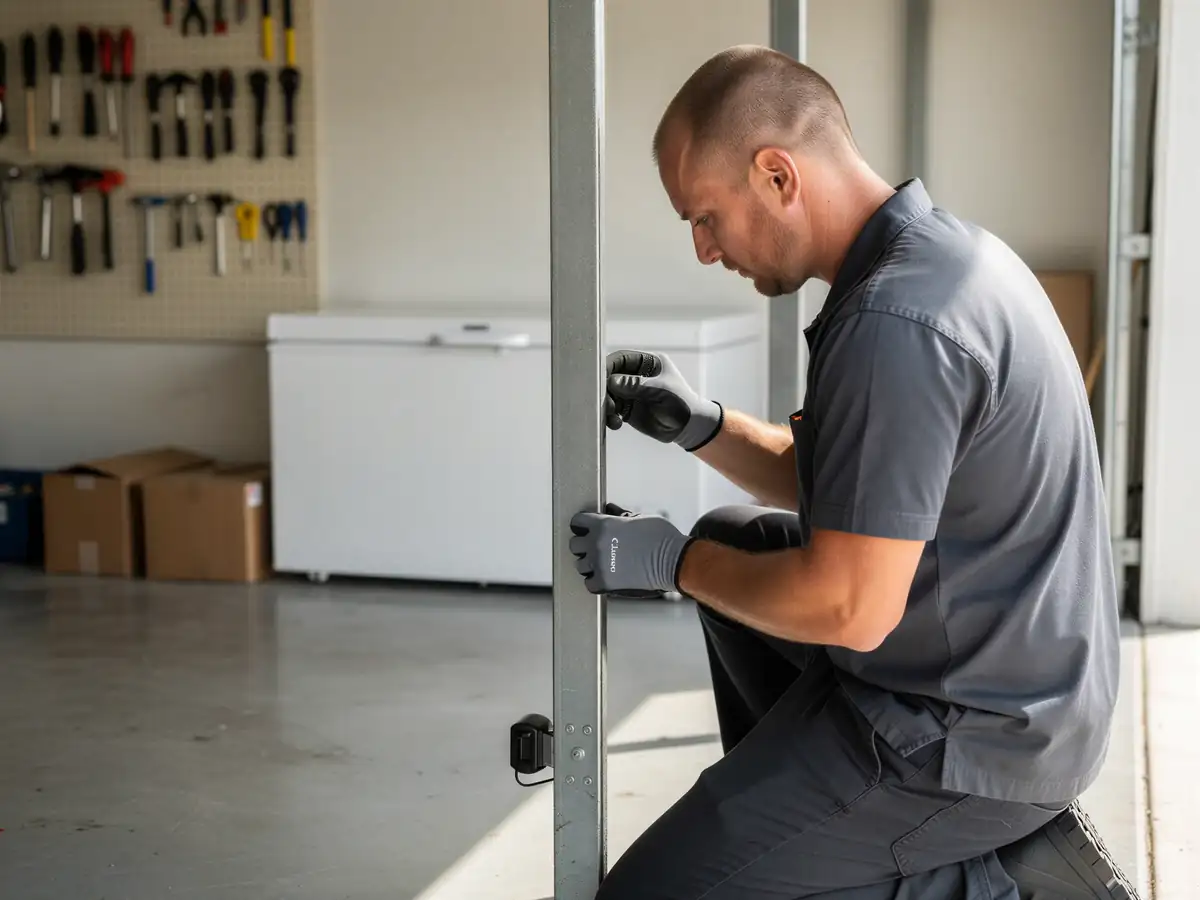
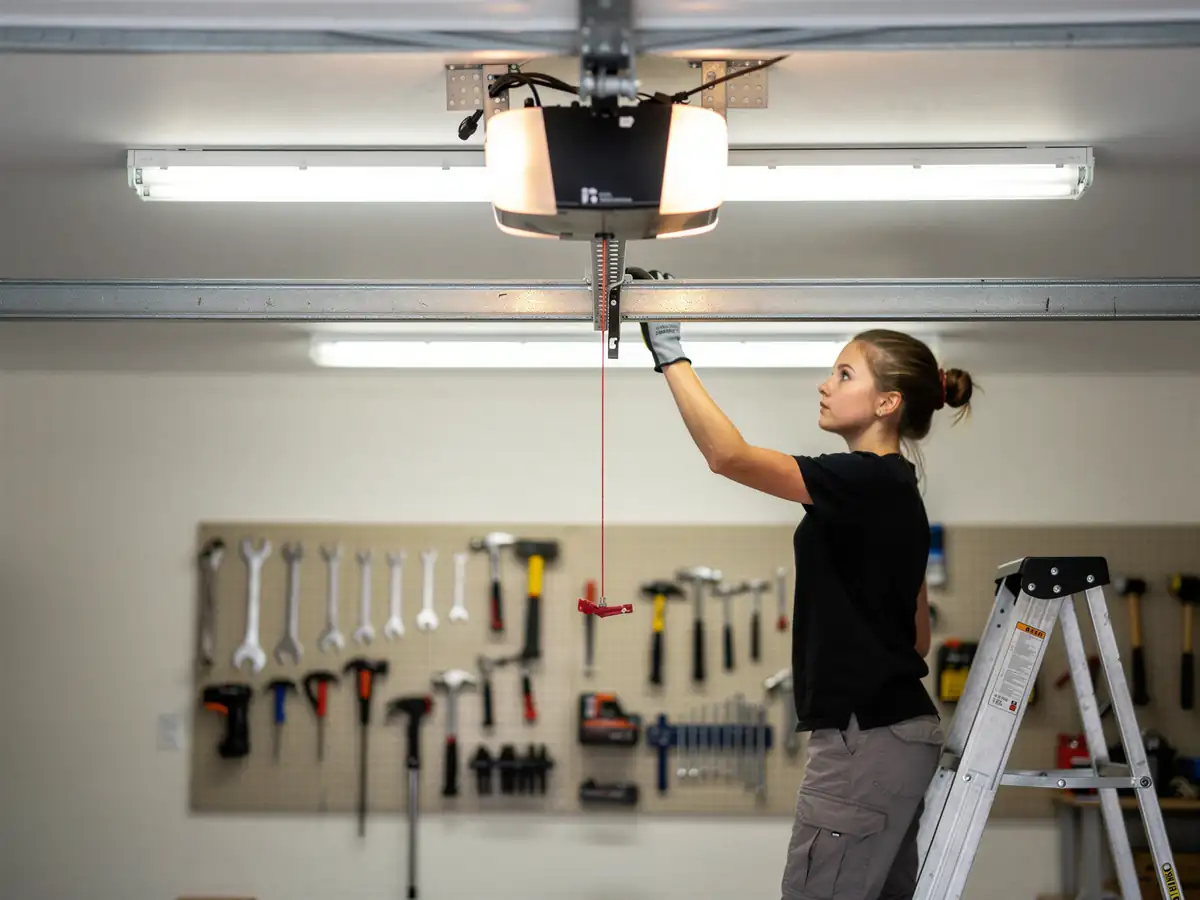
Most opener calls start the same way: check the wall control, check the safety sensors at the bottom of the track, then open the unit housing to look at the drive gear and capacitor. On houses from this stretch of the late 1960s, the header above the door often has less clearance than newer construction, which limits which replacement openers physically fit without reframing - something we check before quoting a swap, not after. If the fix is a gear or capacitor, that's an in-and-out repair. If the logic board is fried or the motor's seized, we talk through replacement options that fit the existing rail and bracket setup so we're not rebuilding the whole header assembly for the sake of a new opener.
What Is on the Truck
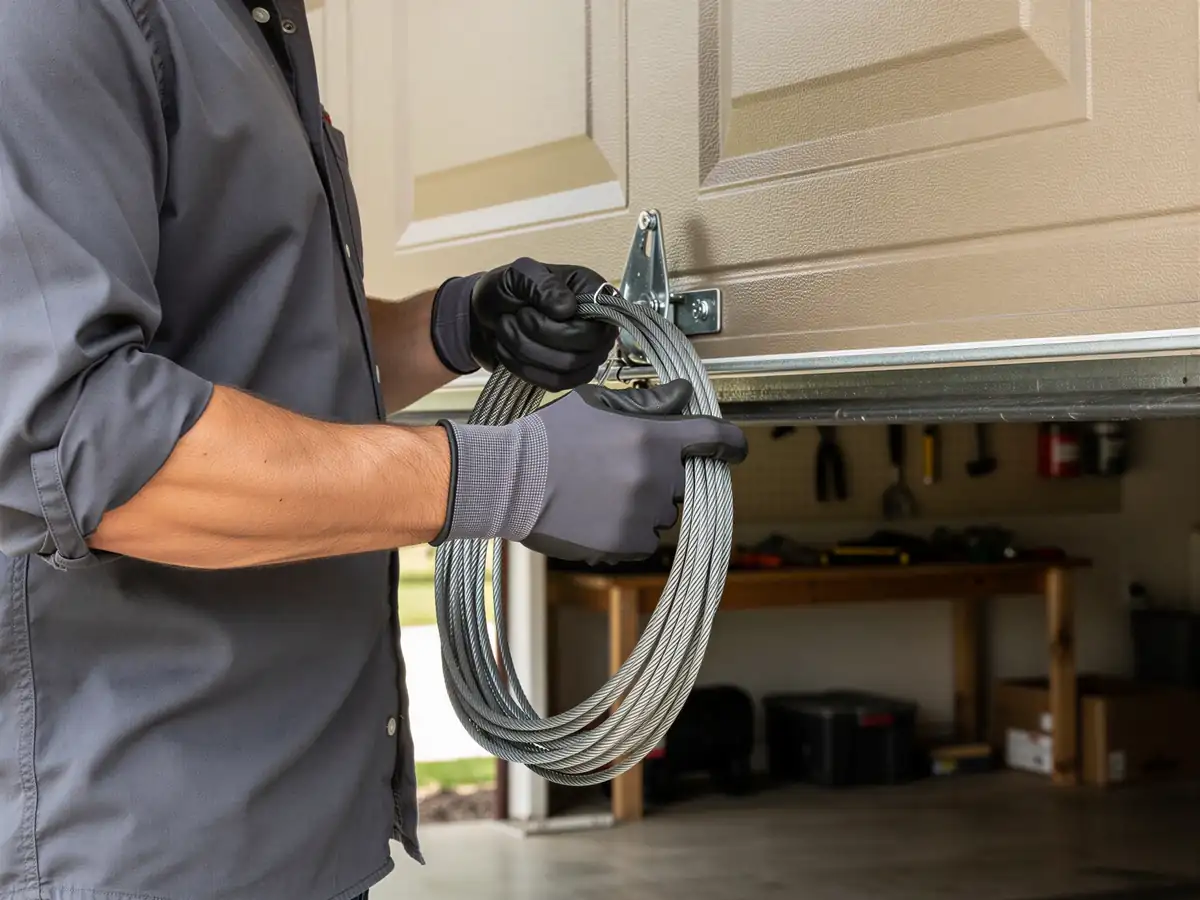
Because Liberty sits about 15 miles out from Quincy, we stock the truck before we leave, not after we see the job. That means standard gears, capacitors, sensor eyes, and logic boards for the handful of opener brands that show up most often across this part of the service area's 1960s-70s stock. What we don't always carry is a drive unit for a specific obsolete chain-drive model still running in a handful of houses - those sometimes need a day's lead time to order in, and we'd rather tell you that up front than promise a same-visit fix we can't deliver. If your opener turns out to be one of those, we'll leave the door operable by hand and come back once the part's in.
How Long It Takes
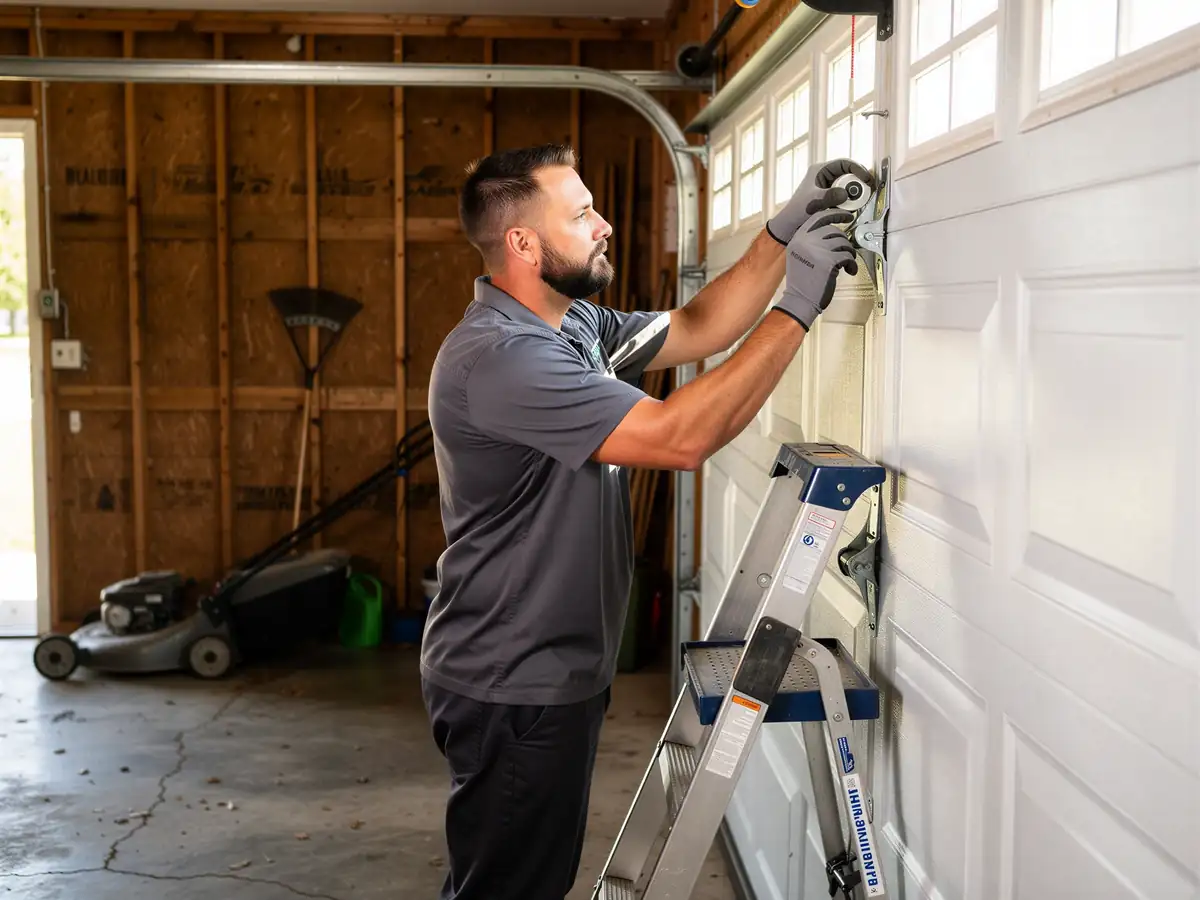
A straightforward repair - a bad capacitor, a worn gear, a sensor out of alignment - usually runs under an hour once we're on site. What takes longer is diagnosis when the opener is old enough that the failure could be electrical, mechanical, or both at once, which is more common in units that have been running since before this stretch of Liberty's houses hit 50 years old. A full opener swap, including matching it to the existing rail and header clearance, runs longer than a repair but still fits in a single visit for the vast majority of these jobs. The exception is the obsolete-part case above, where the first visit is diagnosis and the second is the fix.