The Cost of This Job
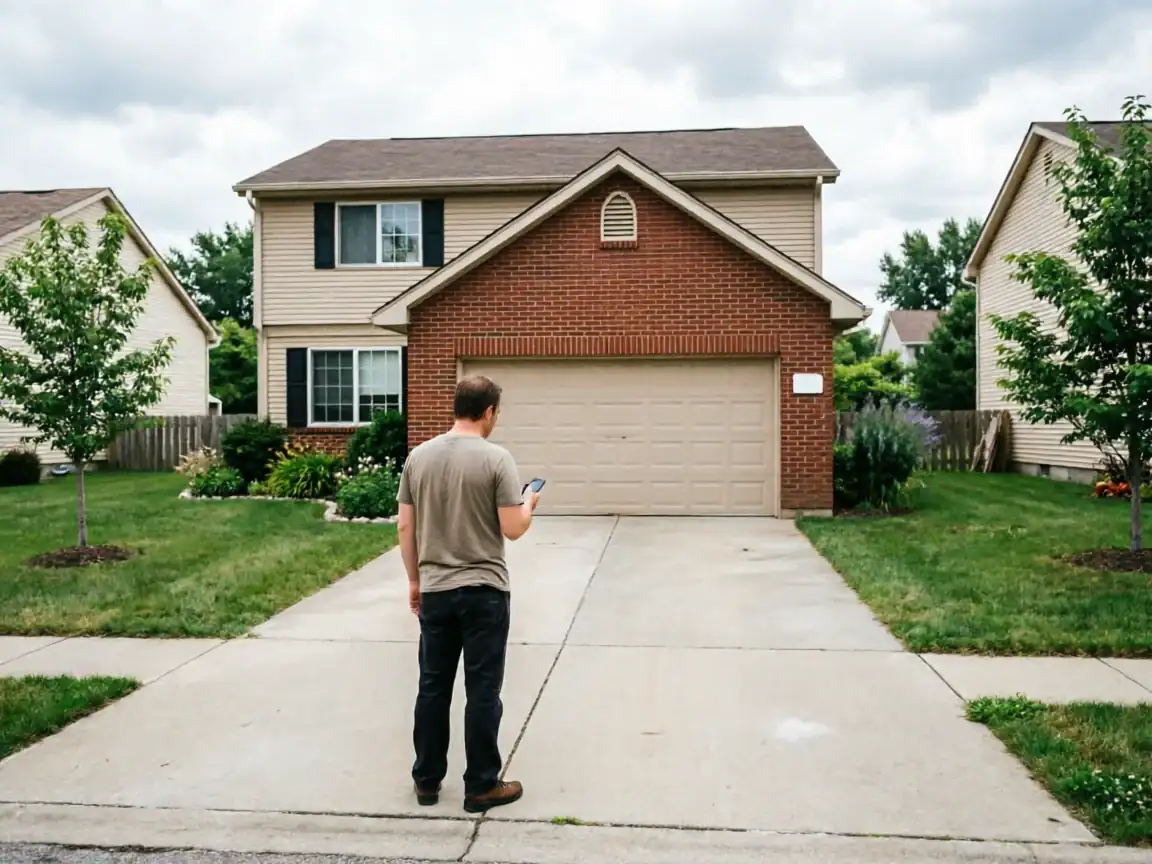
A cable job in Liberty isn't priced the same as a flat tire fix. The cost depends on whether you've got one snapped cable on a double door, two worn cables that both need replacing because they age together, or a cable that let go and took a track bracket with it on the way down. We don't post a number here because the real driver of cost on this job is what the cable did to the rest of the door when it failed, not the cable itself. We quote on-site, after we've looked at the drum, the track, and the bottom bracket - the parts a cable takes with it when it snaps. Liberty homes built in the 1960s often run original hardware, and original hardware doesn't always match the stock cable size on the truck, which can change the job slightly from the standard quote.
If you want a sense of typical regional pricing before you call, the Quincy cable repair page has that. This page is about what's different once we're actually in Liberty.
What the Fix Involves
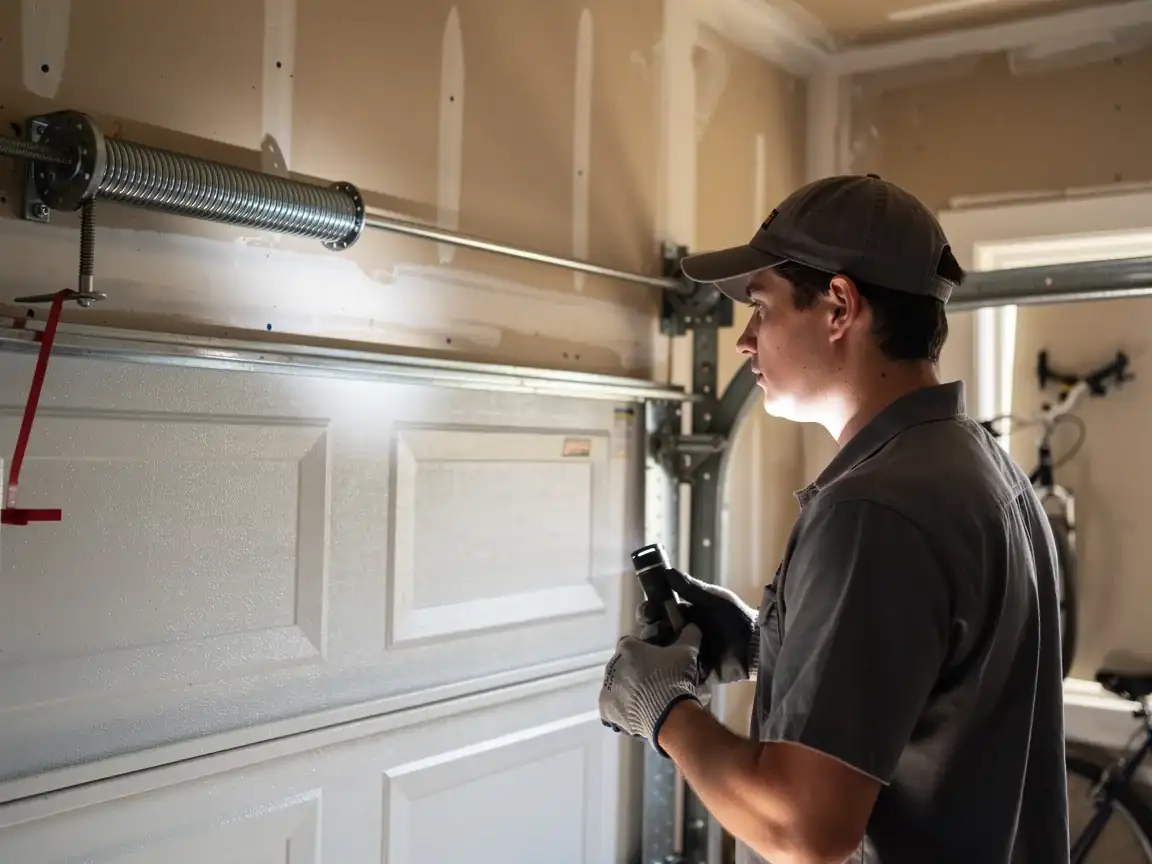
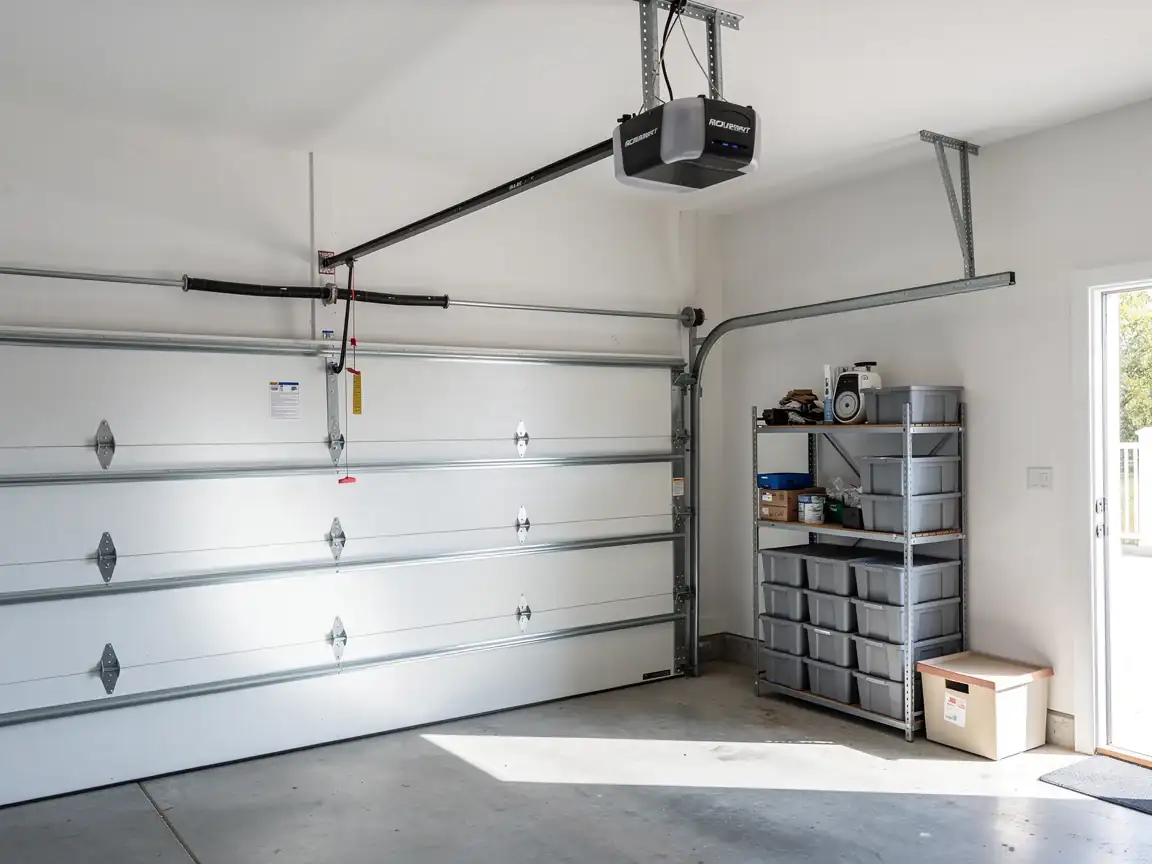
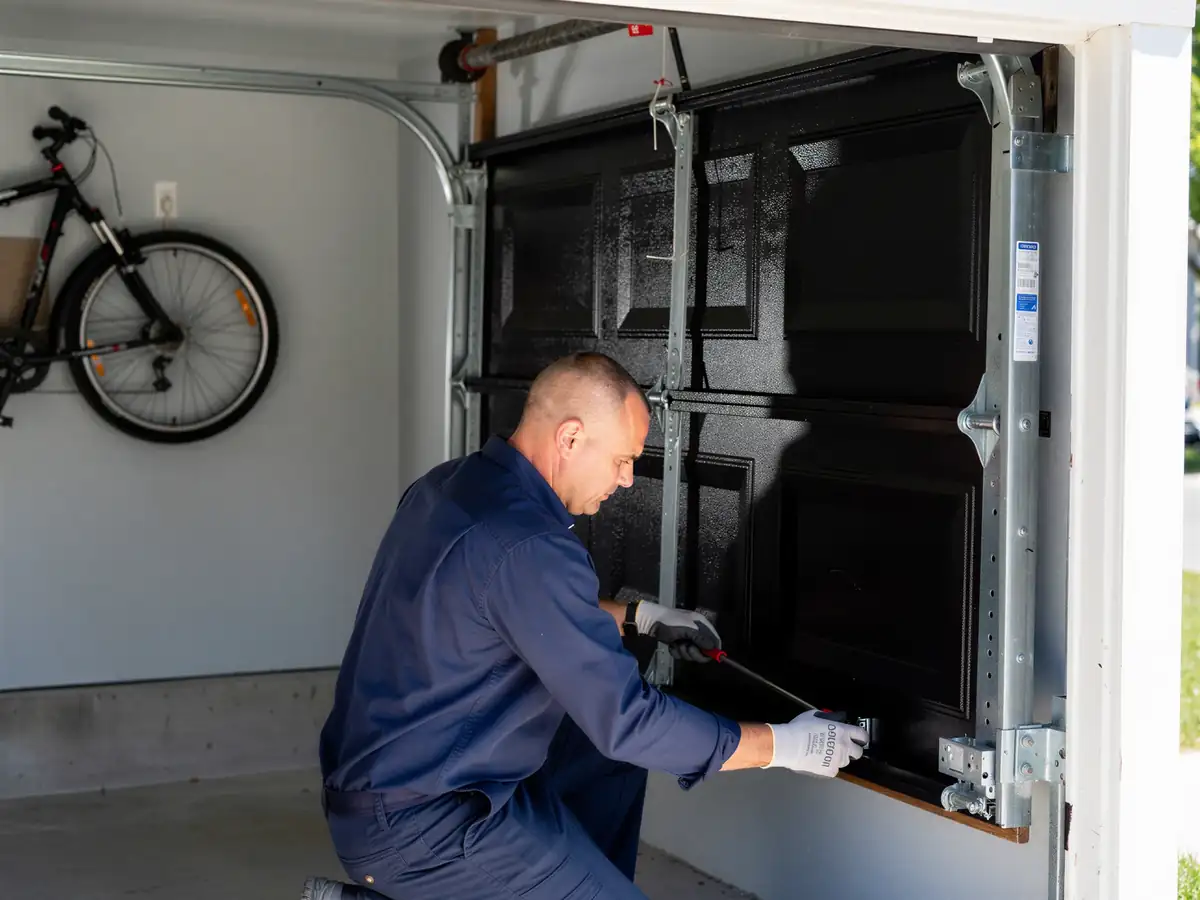
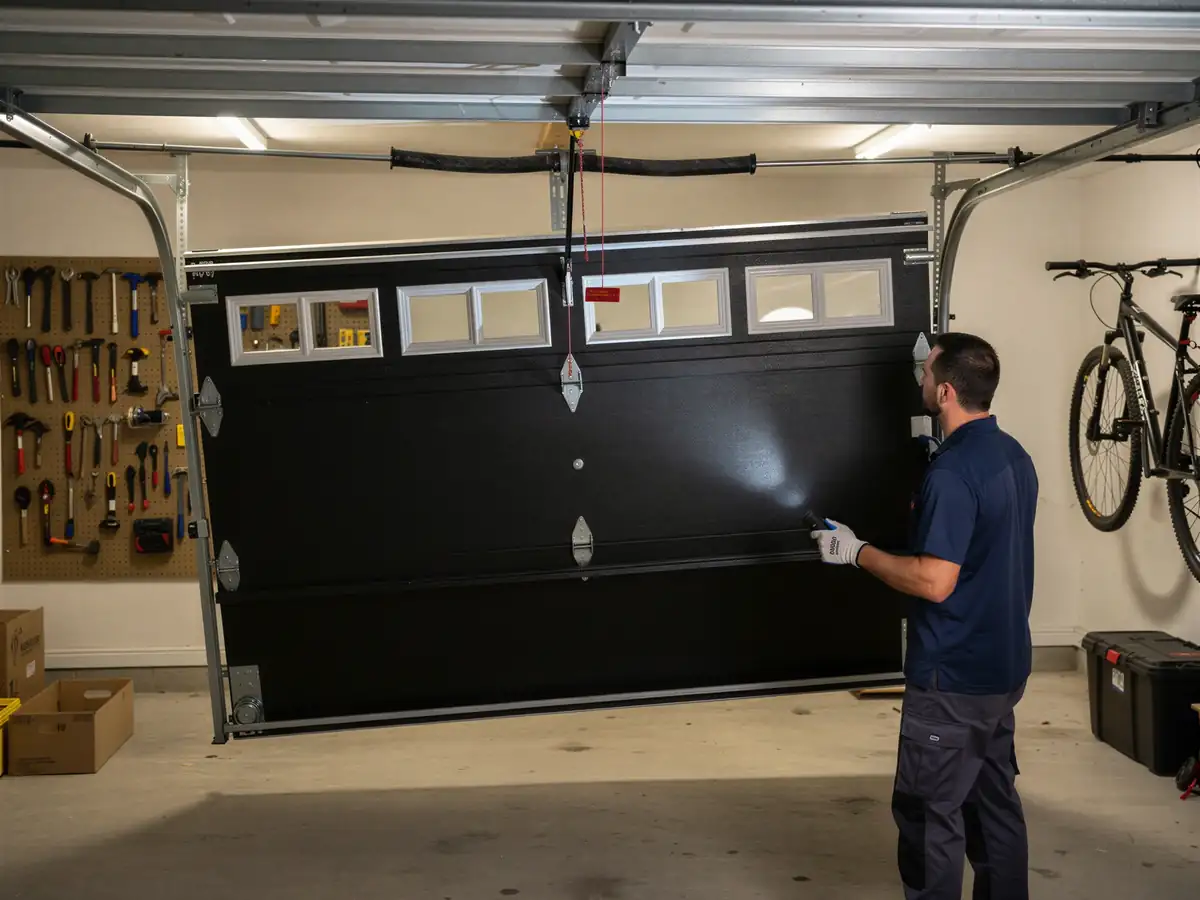
A broken garage door cable means the door is either stuck shut, hanging crooked on one side, or sitting on the floor out of its tracks. The fix starts with releasing tension safely - the spring system is still loaded even with the cable gone, and that's the part that hurts people who try this themselves. We pull the old cable, check the drum it wound onto for grooving or a chipped edge, and check the other cable even if it hasn't failed yet, because cables on the same door age at close to the same rate.
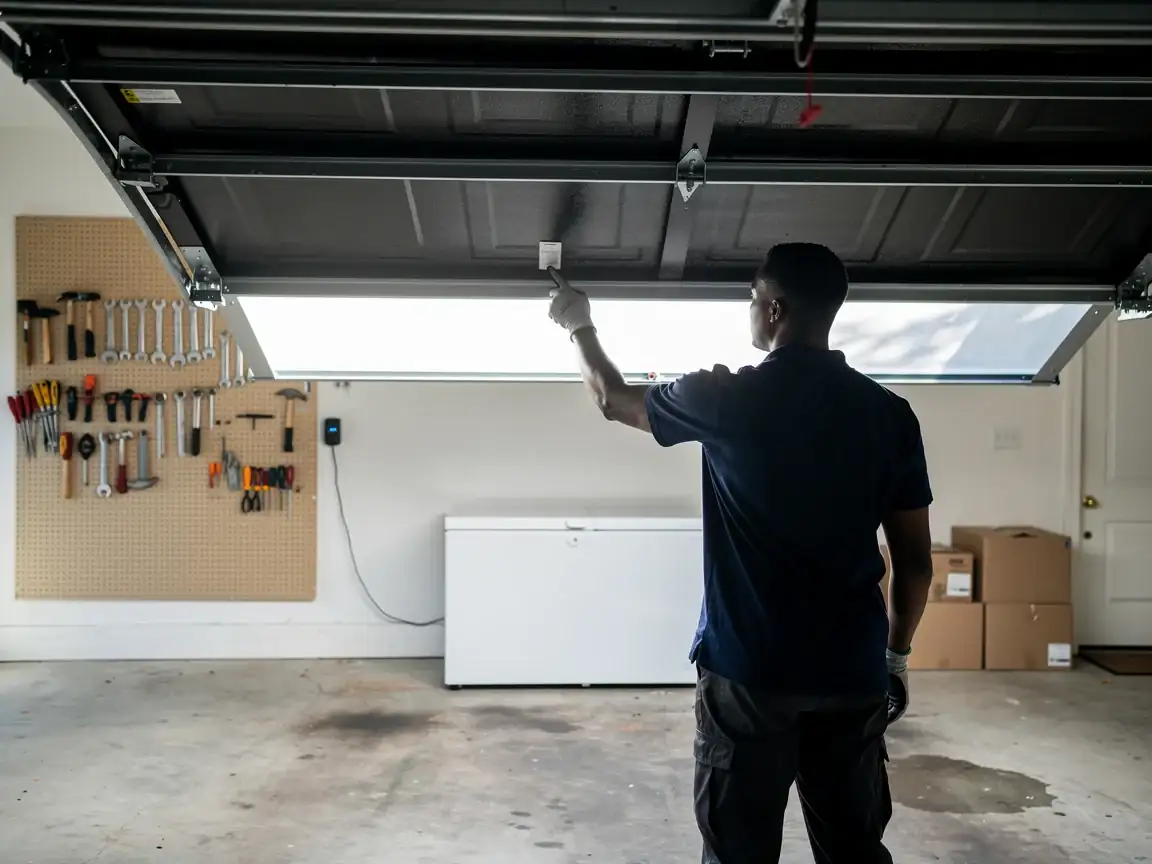
On Liberty's older stock, the cable often runs on a drum and track combination that hasn't been made in decades, so matching diameter and length matters more than it would on a newer door. We replace both cables as a pair on most jobs rather than one at a time, since a mismatched pair just means we're back for the second one within a season. Then we re-tension the door, run it through a full open-close cycle, and check that it tracks straight and doesn't bind.
Why This Fails Locally
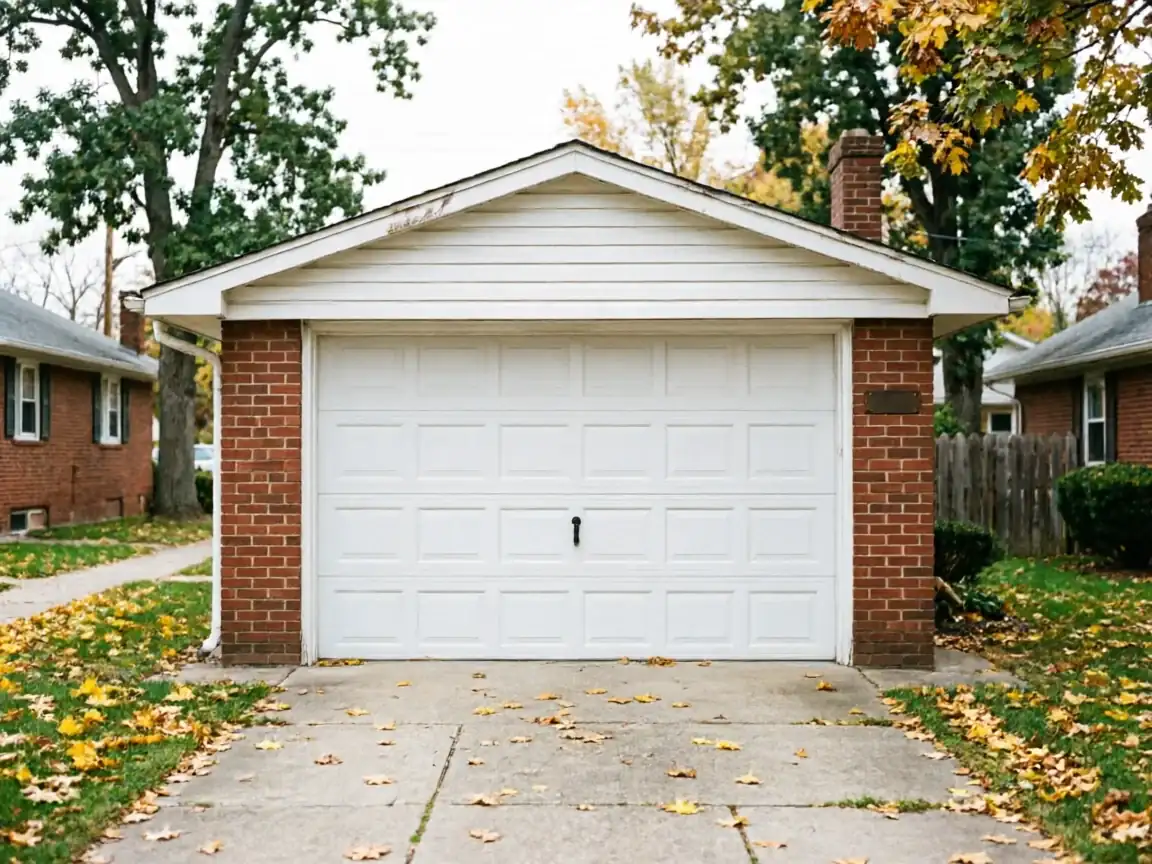
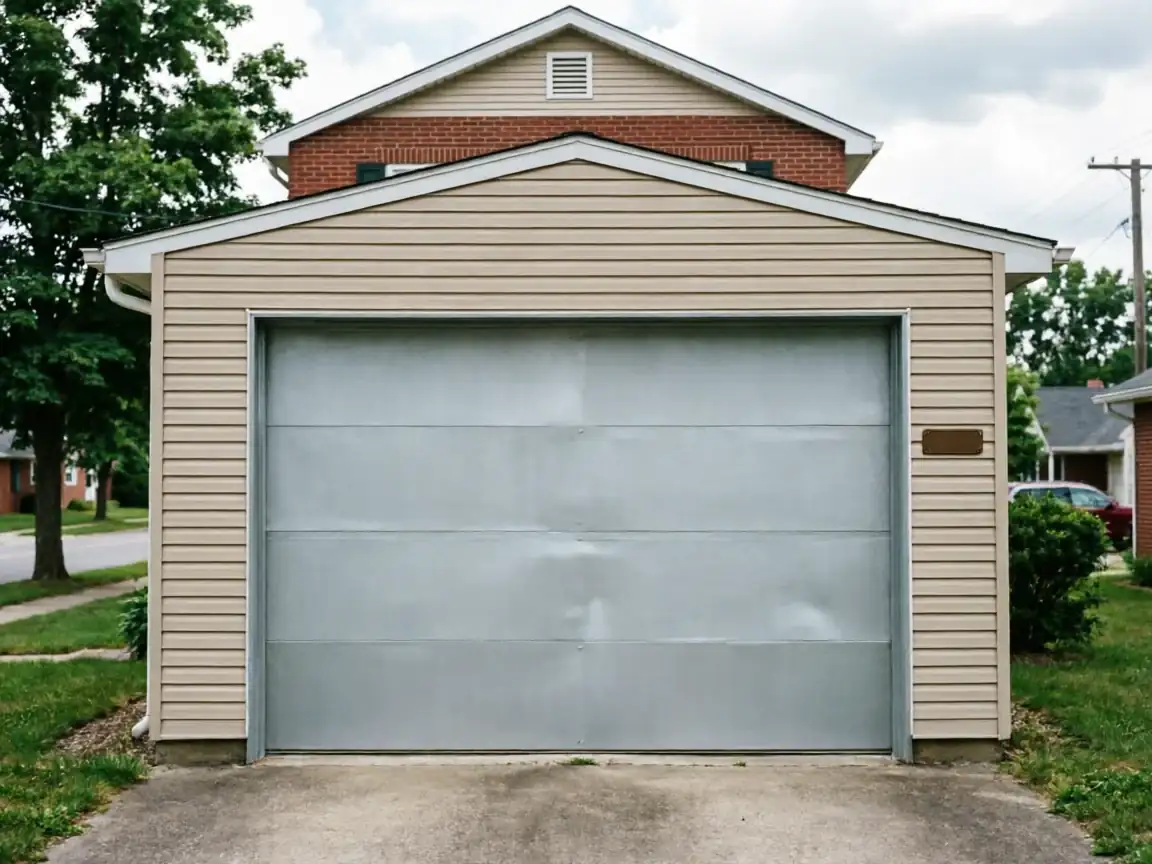
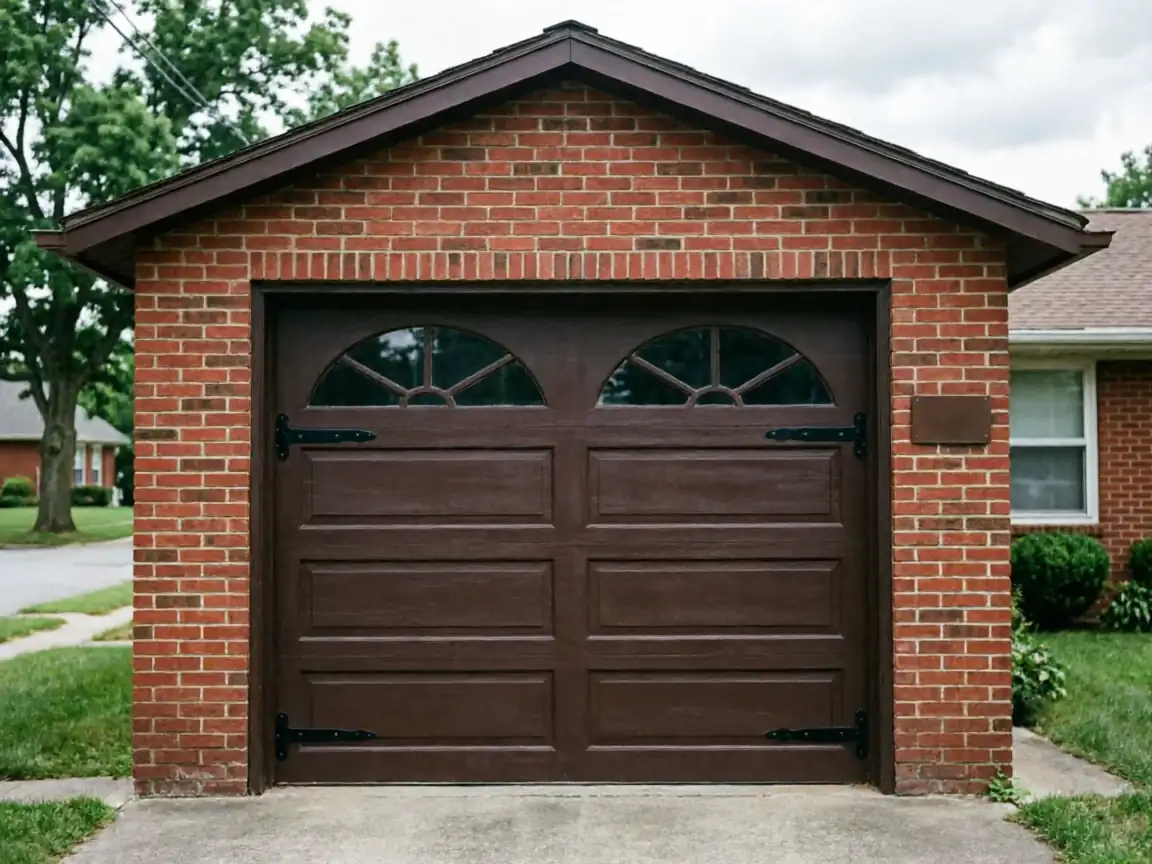
Median year built in Liberty runs around 1968
Which puts a lot of doors here right at the tail end of the one-piece and early sectional transition - the hardware era where cable sizing wasn't standardized the way it is now. Combine that with the moderate-cold climate swing this part of Illinois gets, and the steel cable goes through repeated contraction and expansion across the winter months, which is what shortens cable life on older drums faster than on newer nylon-coated rollers.
With only about 145 households in the service area here, the housing stock reads fairly uniform
Most of what we see on Liberty calls is this same generation of door, which means the failure pattern repeats: a cable that's frayed at the drum end long before it snaps, not in the middle where you'd see it from the ground. We don't get many brand-new sectional doors on these calls, and that changes which cable gauge is on the truck when we head out.
- 145 households
What Is on the Truck
We stock standard galvanized cable in the common residential gauges, plus the drums and fittings that pair with them. What we don't always carry is an exact factory-original drum for a door from the late 1960s - those sometimes have to be sourced or fabricated to match, which is the one real limitation on this job. If your door's drum is cracked rather than just worn, that can add a return trip rather than a same-visit fix.
We also carry bottom brackets and track sections on the truck, since a snapped cable on a loaded door often bends the bracket or pulls the track out of plumb on its way down. Coming from Quincy, 15 miles out, we load the truck to cover both the clean cable swap and the messier version where the door came off its rollers too.
How Long It Takes
A straightforward cable swap, both cables, no bent track and no cracked drum, runs under two hours once we're on site. Add a bent bracket or a track that needs re-aligning and you're looking at closer to three. The drive itself - 15 miles each way from Quincy - isn't part of the job time you're billed for, but it does mean the window for a same-day call narrows later in the day than it would for a job inside Quincy proper.
The variable that actually stretches the job is parts match, not distance. If your door's drum turns out to be an older size we don't carry stock, that's a second trip, not a longer first one.
Where This Job Goes Sideways
The way this job goes wrong is almost always the same
Someone sees a sagging door, assumes it's a spring problem, and tries to force the door open by hand or with the opener still engaged. A cable under partial failure can let go the rest of the way under that load, and a loaded door with no cable left is not something to be standing under.
The other way it goes sideways is cost creep from delay
A frayed cable left alone usually doesn't fail cleanly. It catches, skips on the drum, and wears the track or bends the bottom bracket before it finally snaps, turning a cable-only job into a cable-plus-track job. If you're in Liberty and hear a popping or grinding sound from the door before it drops, that's the window to call, not after. See our coverage area for the rest of what we handle out this way.